Center for Biochemistry, University of Cologne, Cologne, North Rhine-Westphalia, Germany.
PLoS One. 2012;7(4):e34252. doi: 10.1371/journal.pone.0034252. Epub 2012 Apr 4.
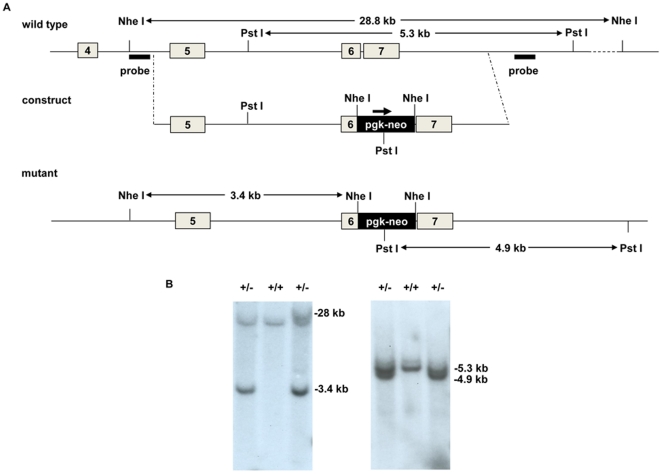
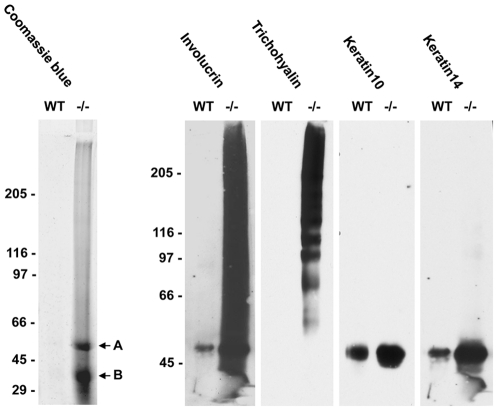
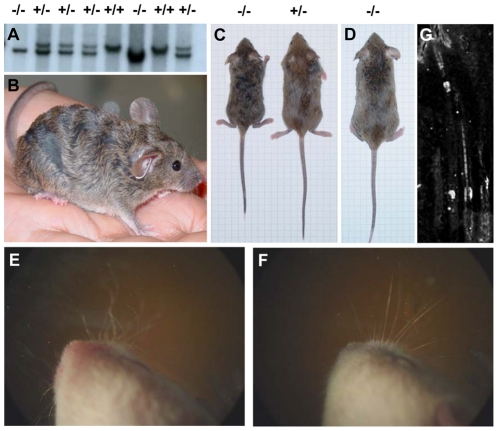
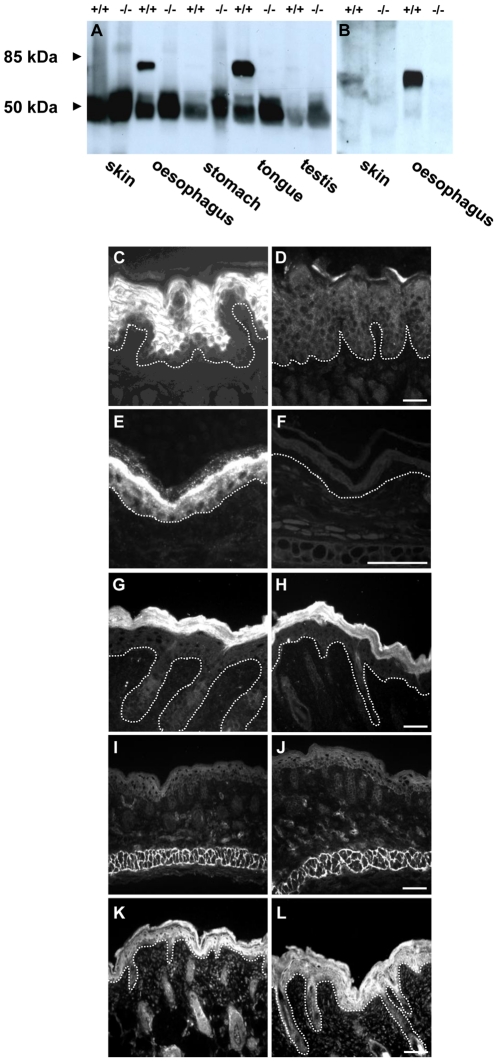
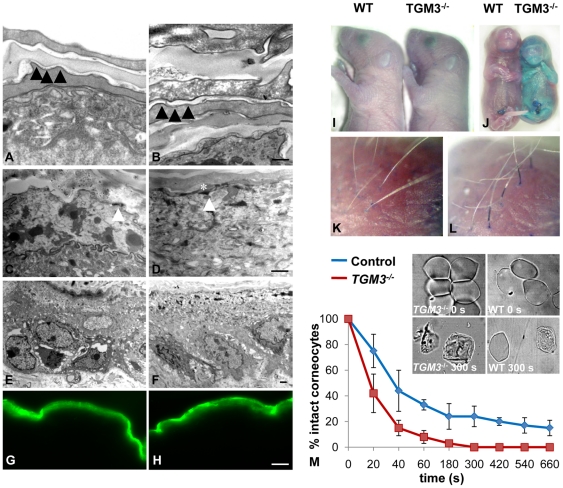
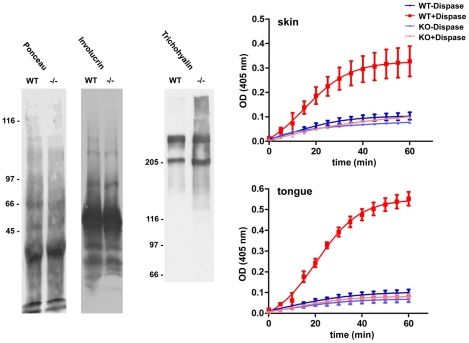
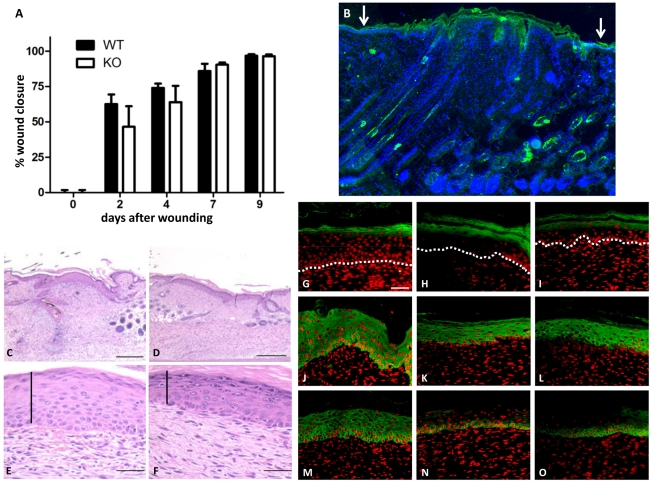
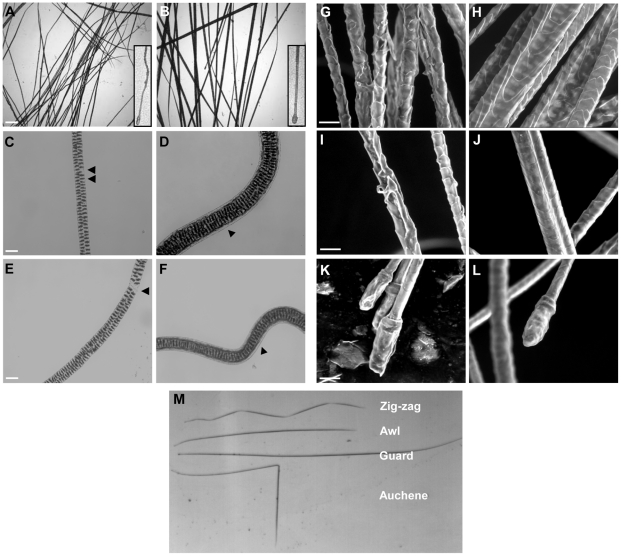
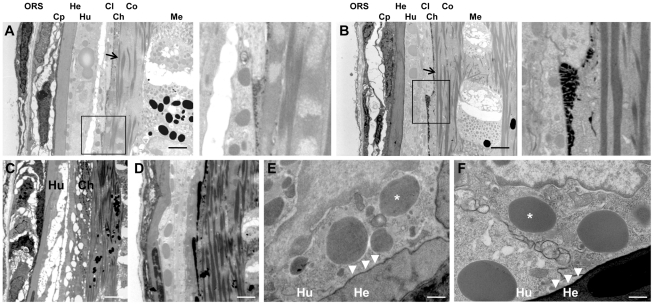
Transglutaminases (TGase), a family of cross-linking enzymes present in most cell types, are important in events as diverse as cell-signaling and matrix stabilization. Transglutaminase 1 is crucial in developing the epidermal barrier, however the skin also contains other family members, in particular TGase 3. This isoform is highly expressed in the cornified layer, where it is believed to stabilize the epidermis and its reduction is implicated in psoriasis. To understand the importance of TGase 3 in vivo we have generated and analyzed mice lacking this protein. Surprisingly, these animals display no obvious defect in skin development, no overt changes in barrier function or ability to heal wounds. In contrast, hair lacking TGase 3 is thinner, has major alterations in the cuticle cells and hair protein cross-linking is markedly decreased. Apparently, while TGase 3 is of unique functional importance in hair, in the epidermis loss of TGase 3 can be compensated for by other family members.
转谷氨酰胺酶(TGase)是一种存在于大多数细胞类型中的交联酶家族,在细胞信号转导和基质稳定等多种事件中都很重要。转谷氨酰胺酶 1 在表皮屏障的形成中至关重要,然而皮肤中还含有其他家族成员,特别是 TGase 3。这种同工酶在角化层中高度表达,据信它可以稳定表皮,其减少与银屑病有关。为了了解 TGase 3 在体内的重要性,我们已经生成并分析了缺乏这种蛋白质的小鼠。令人惊讶的是,这些动物在皮肤发育方面没有明显缺陷,屏障功能或伤口愈合能力也没有明显变化。相比之下,缺乏 TGase 3 的毛发更细,表皮细胞的角质层有重大变化,毛发蛋白交联明显减少。显然,虽然 TGase 3 在头发中具有独特的功能重要性,但在表皮中,TGase 3 的缺失可以被其他家族成员所补偿。