Department of Orthopedic Surgery, Nagoya City University Graduate School of Medical Sciences, 1 Kawasumi, Mizuho-cho, MuzuhoMizuho-ku, Nagoya, 467-8601, Japan.
Arthritis Res Ther. 2012 Apr 25;14(2):R87. doi: 10.1186/ar3811.
Gliostatin/thymidine phosphorylase (GLS/TP) has angiogenic and arthritogenic activities, and aberrant GLS production has been observed in the active synovial membranes of rheumatoid arthritis (RA) patients. The human GLS gene promoter contains at least seven consensus binding sites for the DNA binding protein Sp1. Here we examined whether Sp1 is necessary for GLS production in RA. We also studied the effects of the Sp1 inhibitor mithramycin on GLS production in RA fibroblast-like synoviocytes (FLSs).
FLSs from RA patients were treated with specific inhibitors. The gene and protein expression of GLS were studied using the quantitative reverse-transcription polymerase chain reaction (qRT-PCR) and an enzyme immunoassay. Intracellular signalling pathway activation was determined by western blotting analysis, a luciferase assay, a chromatin immunoprecipitation (ChIP) assay and a small interfering RNA (siRNA) transfection.
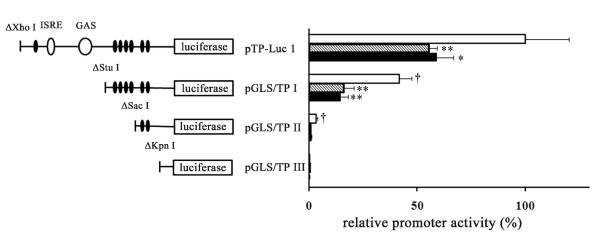
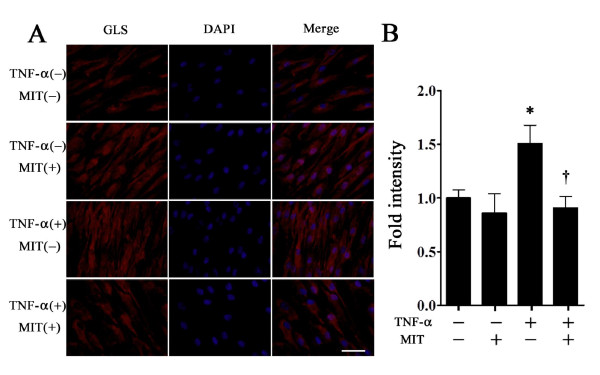
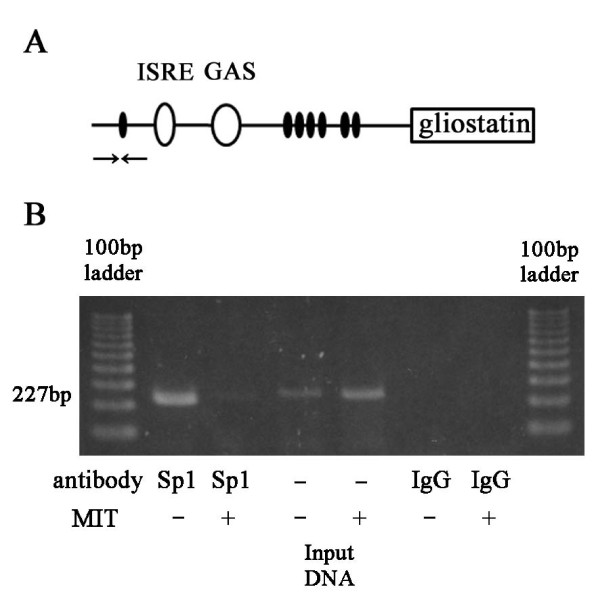
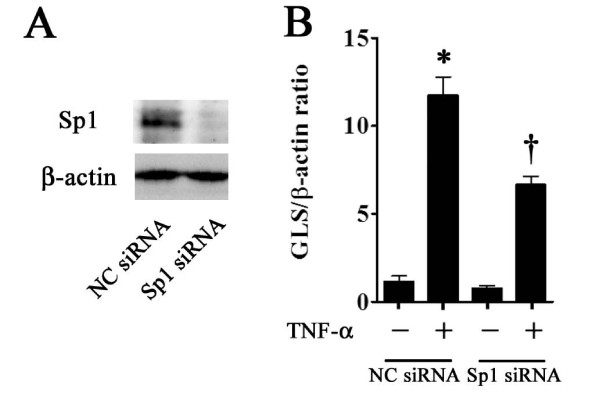
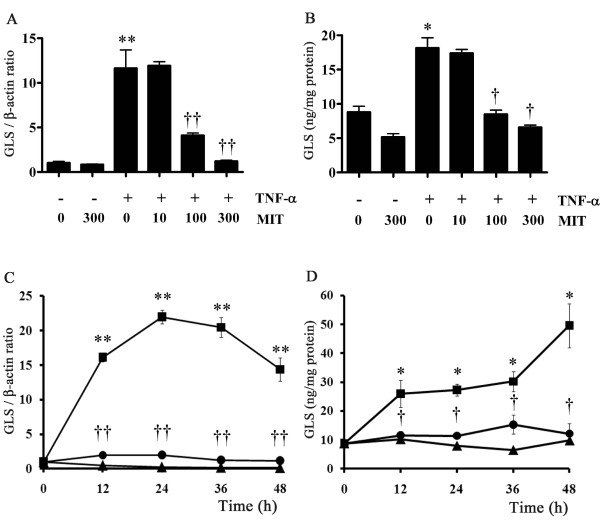
The luciferase and ChIP assays showed that Sp1 binding sites in the GLS promoter were essential for GLS messenger RNA (mRNA) expression. GLS production was suppressed in FLSs by siRNA against Sp1 transfection. Mithramycin decreased GLS promoter activity, mRNA and protein expression in FLSs. Tumour necrosis factor-α (TNF-α) significantly increased GLS expression in RA FLSs; this effect was reduced by pre-treatment with cycloheximide and mithramycin.
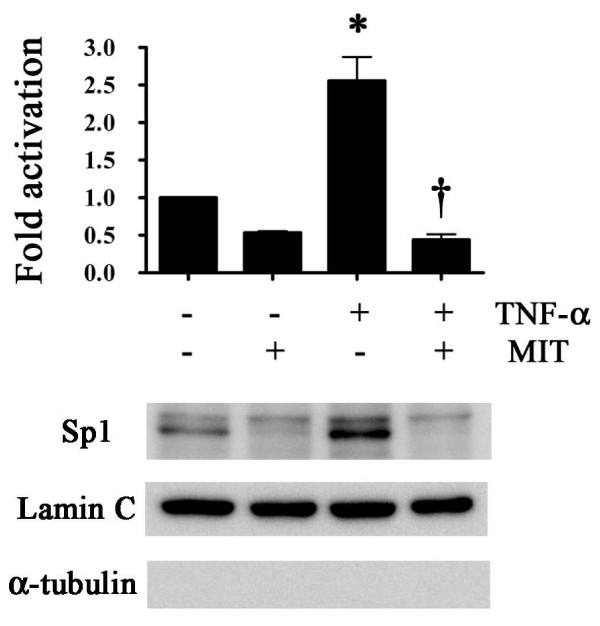
Pretreatment of mithramycin and Sp1 silencing resulted in a significant suppression of GLS production in TNF-α-stimulated FLSs compared to controls. GLS gene expression enhanced by TNF-α was partly mediated through Sp1. As physiological concentrations of mithramycin can regulate GLS production in RA, mithramycin is a promising candidate for anti-rheumatic therapy.
神经胶质瘤抑素/胸苷磷酸化酶(GLS/TP)具有血管生成和关节炎形成活性,在类风湿关节炎(RA)患者的活跃滑膜中观察到异常的 GLS 产生。人 GLS 基因启动子至少包含七个 DNA 结合蛋白 Sp1 的共识结合位点。在这里,我们研究了 Sp1 是否是 RA 中 GLS 产生所必需的。我们还研究了 Sp1 抑制剂米托蒽醌对 RA 成纤维样滑膜细胞(FLS)中 GLS 产生的影响。
用特异性抑制剂处理 RA 患者的 FLS。使用定量逆转录聚合酶链反应(qRT-PCR)和酶免疫测定法研究 GLS 的基因和蛋白表达。通过 Western 印迹分析、荧光素酶测定、染色质免疫沉淀(ChIP)测定和小干扰 RNA(siRNA)转染来确定细胞内信号通路的激活。
荧光素酶和 ChIP 测定表明,GLS 启动子中的 Sp1 结合位点对于 GLS 信使 RNA(mRNA)表达是必需的。通过针对 Sp1 转染的 siRNA,FLS 中的 GLS 产生受到抑制。米托蒽醌降低了 FLS 中的 GLS 启动子活性、mRNA 和蛋白表达。肿瘤坏死因子-α(TNF-α)显著增加 RA FLS 中的 GLS 表达;这种作用通过预先用环己酰亚胺和米托蒽醌处理而降低。
与对照相比,TNF-α 刺激的 FLS 中预处理米托蒽醌和 Sp1 沉默导致 GLS 产生的显著抑制。TNF-α 增强的 GLS 基因表达部分通过 Sp1 介导。由于生理浓度的米托蒽醌可以调节 RA 中的 GLS 产生,因此米托蒽醌是一种有前途的抗风湿治疗候选药物。