Department of Pathology, University of Massachusetts Medical School, Worcester, Massachusetts, United States of America.
PLoS Pathog. 2012;8(4):e1002633. doi: 10.1371/journal.ppat.1002633. Epub 2012 Apr 19.
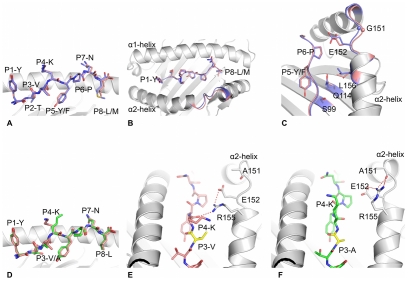
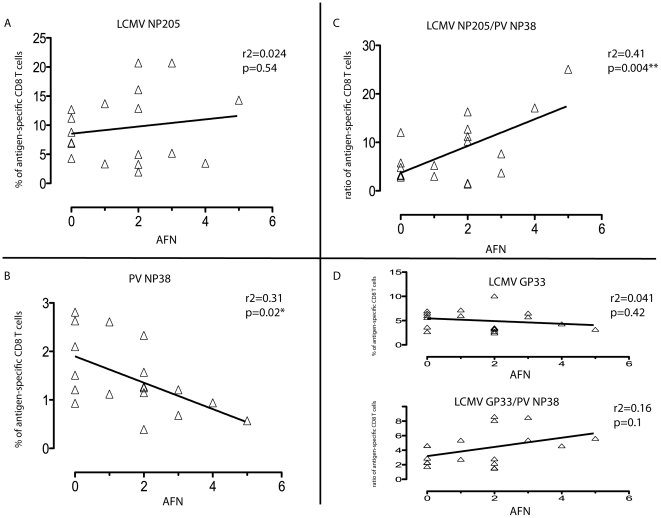
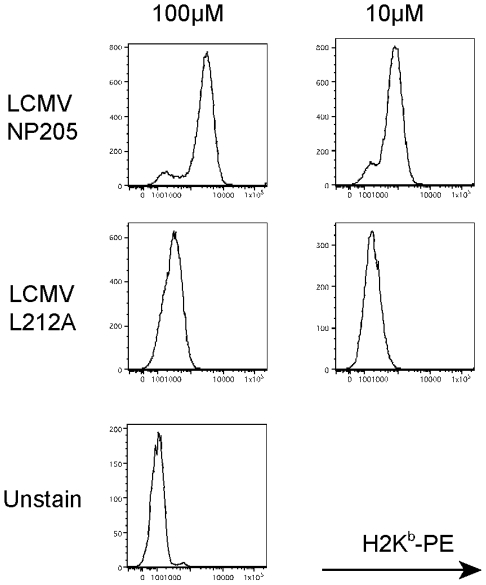
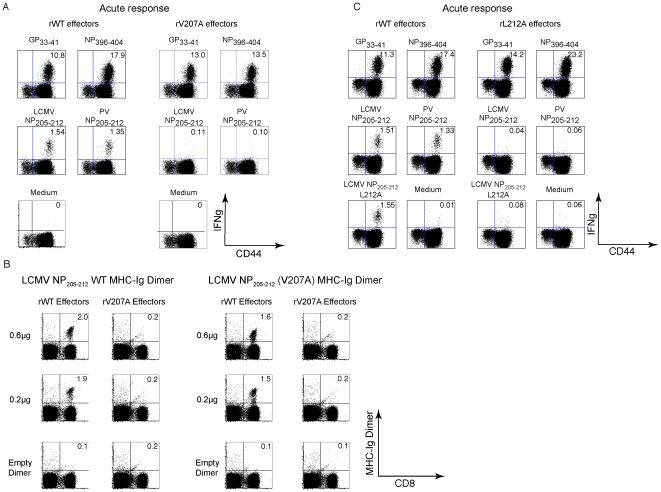
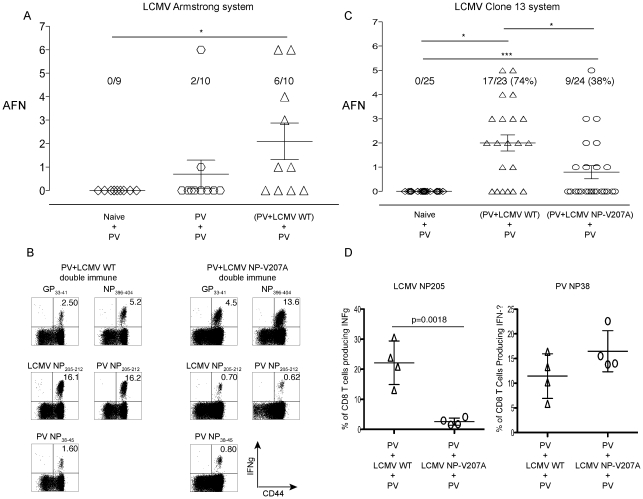
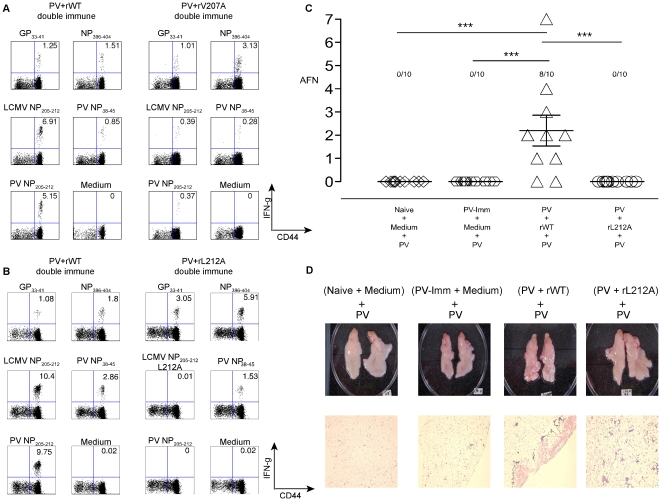
T cell cross-reactivity between different strains of the same virus, between different members of the same virus group, and even between unrelated viruses is a common occurrence. We questioned here how an intervening infection with a virus containing a sub-dominant cross-reactive T cell epitope would affect protective immunity to a previously encountered virus. Pichinde virus (PV) and lymphocytic choriomeningitis virus (LCMV) encode subdominant cross-reactive NP₂₀₅₋₂₁₂ CD8 T cell epitopes sharing 6 of 8 amino acids, differing only in the MHC anchoring regions. These pMHC epitopes induce cross-reactive but non-identical T cell receptor (TCR) repertoires, and structural studies showed that the differing anchoring amino acids altered the conformation of the MHC landscape presented to the TCR. PV-immune mice receiving an intervening infection with wild type but not NP205-mutant LCMV developed severe immunopathology in the form of acute fatty necrosis on re-challenge with PV, and this pathology could be predicted by the ratio of NP205-specific to the normally immunodominant PV NP₃₈₋₄₅-specific T cells. Thus, cross-reactive epitopes can exert pathogenic properties that compromise protective immunity by impairing more protective T cell responses.
不同病毒株之间、同一病毒群不同成员之间甚至与无关病毒之间的 T 细胞交叉反应是很常见的。在这里,我们质疑的是,中间感染含有亚显性交叉反应 T 细胞表位的病毒会如何影响对先前遇到的病毒的保护性免疫。皮钦德病毒 (PV) 和淋巴细胞性脉络丛脑膜炎病毒 (LCMV) 编码亚显性交叉反应 NP₂₀₅₋₂₁₂ CD8 T 细胞表位,它们共享 8 个氨基酸中的 6 个,仅在 MHC 锚定区域有所不同。这些 pMHC 表位诱导交叉反应但非相同的 T 细胞受体 (TCR) 库,结构研究表明,不同的锚定氨基酸改变了 MHC 景观呈现给 TCR 的构象。接受野生型而非 NP205 突变型 LCMV 中间感染的 PV 免疫小鼠在重新用 PV 攻击时会发生严重的免疫病理学,即急性脂肪坏死,这种病理学可以通过 NP205 特异性与通常免疫显性的 PV NP₃₈₋₄₅ 特异性 T 细胞的比值来预测。因此,交叉反应性表位可以通过损害更具保护性的 T 细胞反应来发挥致病性,从而损害保护性免疫。