Wadhwani Research Center for Biosciences and Bioengineering, Department of Biosciences and Bioengineering, Indian Institute of Technology Bombay, Powai, Mumbai 400076, India.
J Proteomics. 2012 Dec 5;76 Spec No.:56-68. doi: 10.1016/j.jprot.2012.04.007. Epub 2012 Apr 17.
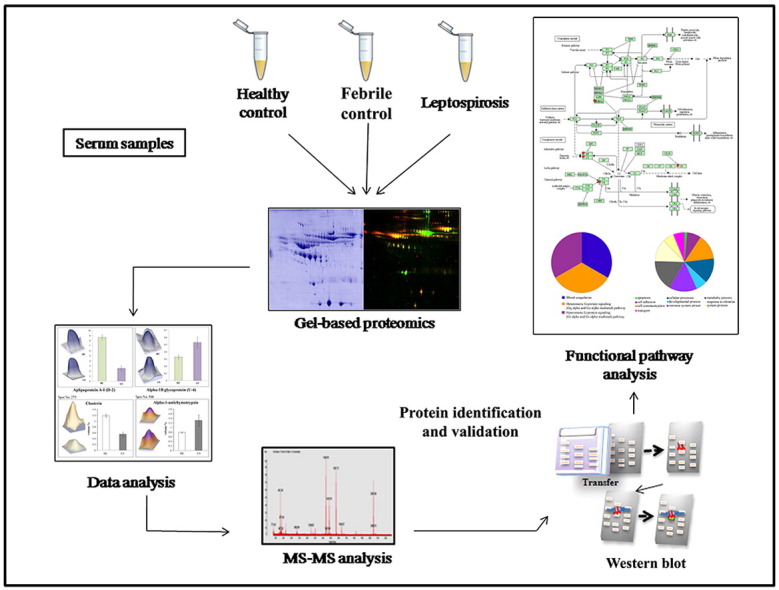
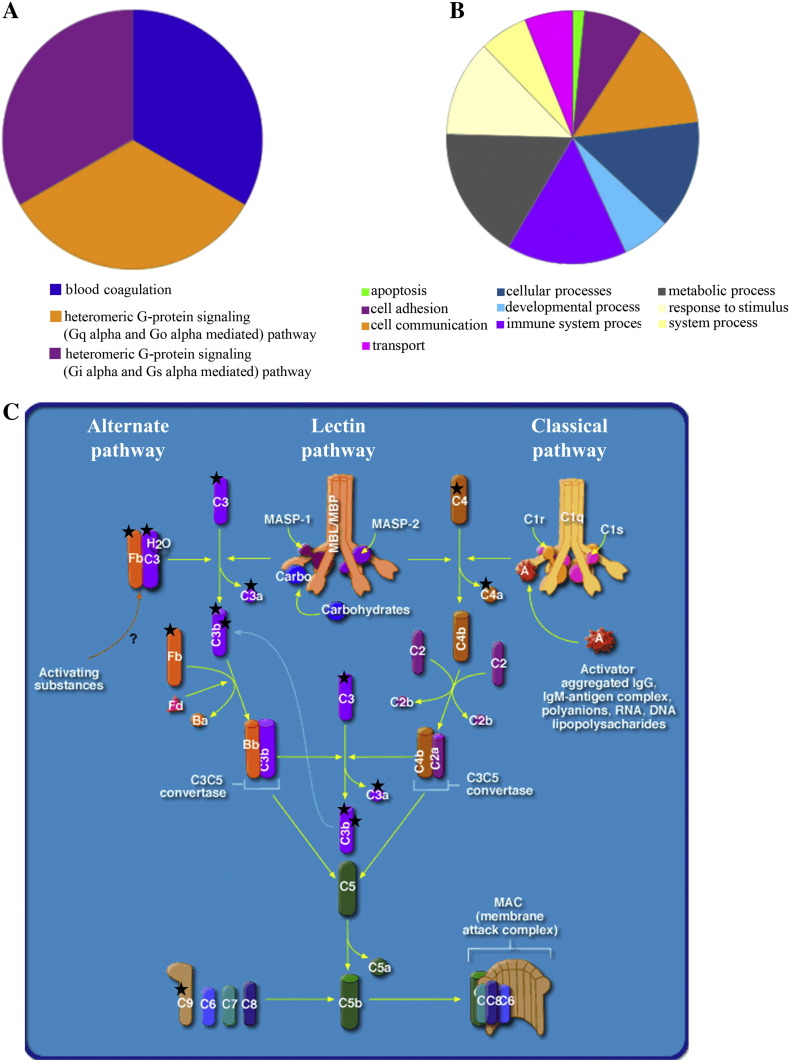
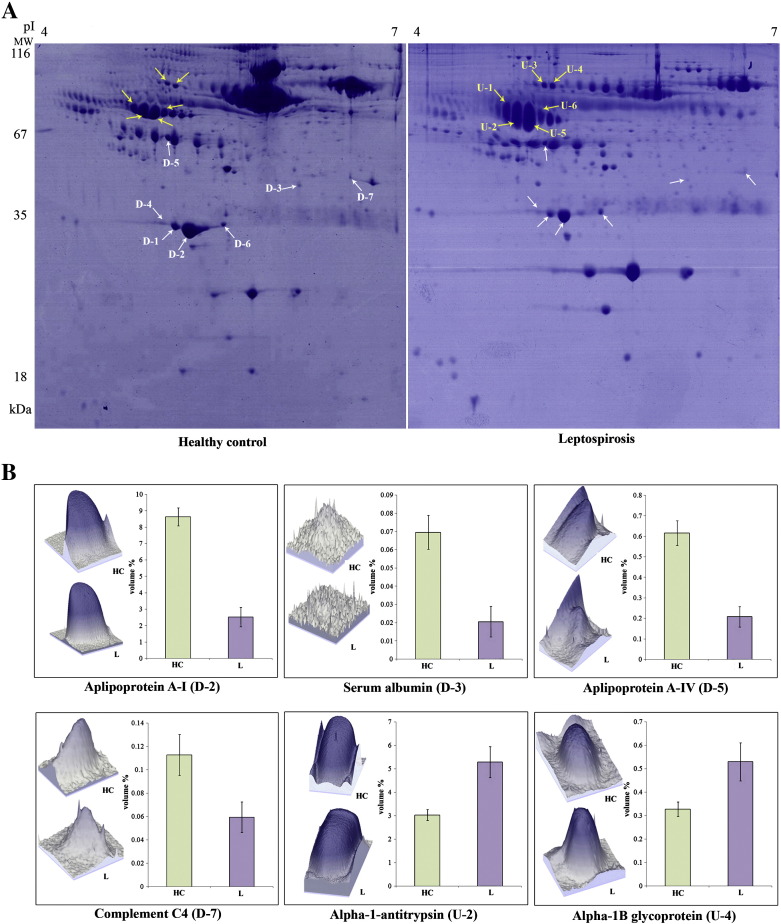
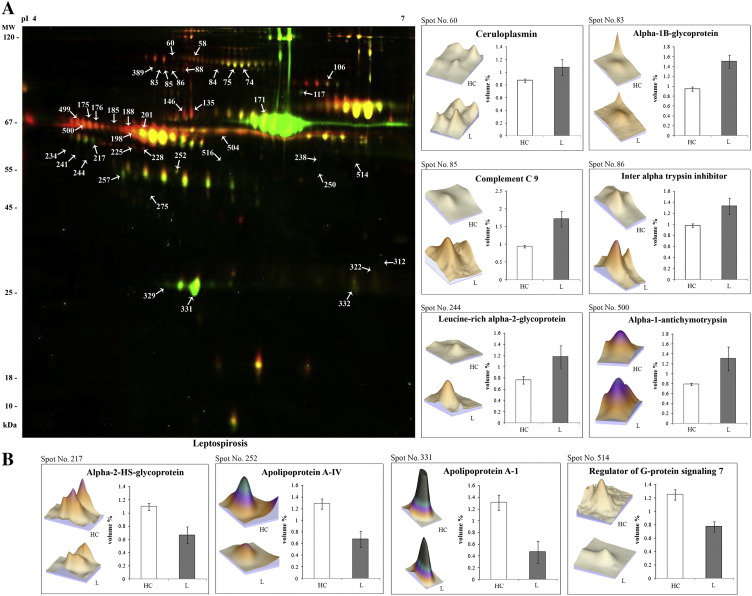
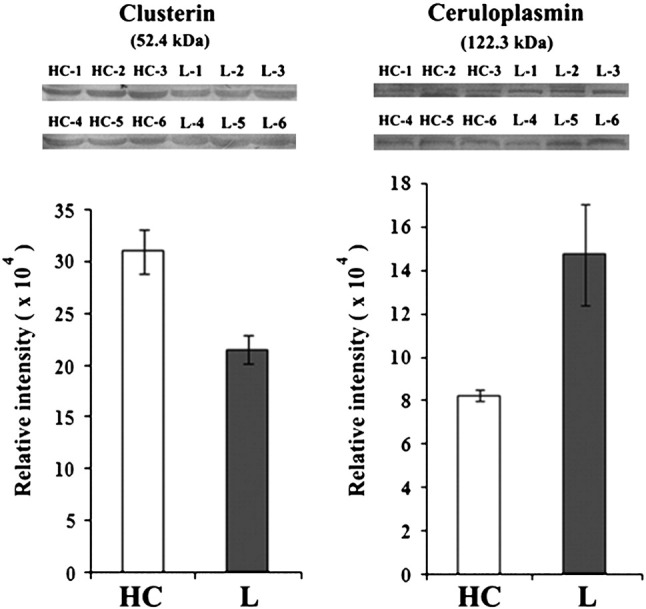
Leptospirosis is a zoonotic infectious disease of tropical, subtropical and temperate zones, which is caused by the pathogenic spirochetes of genus Leptospira. Although this zoonosis is generally not considered as fatal, the pathogen can eventually cause severe infection with septic shock, multi-organ failure and lethal pulmonary hemorrhages leading to mortality. In this study, we have performed a proteomic analysis of serum samples from leptospirosis patients (n=6), febrile controls (falciparum malaria) (n=8) and healthy subjects (n=18) to obtain an insight about disease pathogenesis and host immune responses in leptospiral infections. 2DE and 2D-DIGE analysis in combination with MALDI-TOF/TOF MS revealed differential expression of 22 serum proteins in leptospirosis patients compared to the healthy controls. Among the identified differentially expressed proteins, 8 candidates exhibited different trends compared to the febrile controls. Functional analysis suggested the involvement of differentially expressed proteins in vital physiological pathways, including acute phase response, complement and coagulation cascades and hemostasis. This is the first report of analysis of human serum proteome alterations in leptospirosis patients, which revealed several differentially expressed proteins, including α-1-antitrypsin, vitronectin, ceruloplasmin, G-protein signaling regulator, apolipoprotein A-IV, which have not been reported in context of leptospirosis previously. This study will enhance our understanding about leptospirosis pathogenesis and provide a glimpse of host immunological responses. Additionally, a few differentially expressed proteins identified in this study may further be investigated as diagnostic or prognostic serum biomarkers for leptospirosis. This article is part of a Special Issue entitled: Integrated omics.
钩端螺旋体病是一种热带、亚热带和温带的人畜共患传染病,由钩端螺旋体属的致病性螺旋体引起。尽管这种人畜共患病通常不被认为是致命的,但病原体最终可能导致严重感染、感染性休克、多器官衰竭和致命性肺出血,导致死亡。在这项研究中,我们对来自钩端螺旋体病患者(n=6)、发热对照组(恶性疟原虫疟疾)(n=8)和健康对照者(n=18)的血清样本进行了蛋白质组学分析,以深入了解钩端螺旋体感染中的疾病发病机制和宿主免疫反应。2DE 和 2D-DIGE 分析结合 MALDI-TOF/TOF MS 显示,与健康对照者相比,钩端螺旋体病患者的血清中有 22 种蛋白质表达存在差异。在鉴定出的差异表达蛋白中,有 8 种候选蛋白与发热对照组相比表现出不同的趋势。功能分析表明,差异表达蛋白参与了重要的生理途径,包括急性期反应、补体和凝血级联反应以及止血。这是首次报道分析人类血清蛋白质组在钩端螺旋体病患者中的变化,揭示了几种差异表达蛋白,包括α-1-抗胰蛋白酶、纤连蛋白、铜蓝蛋白、G 蛋白信号调节蛋白、载脂蛋白 A-IV,这些蛋白以前在钩端螺旋体病中没有报道过。本研究将增强我们对钩端螺旋体病发病机制的理解,并提供宿主免疫反应的初步认识。此外,本研究中鉴定的一些差异表达蛋白可能进一步作为钩端螺旋体病的诊断或预后血清生物标志物进行研究。本文是一个特刊的一部分,主题为:综合组学。