Centro de Pesquisas Gonçalo Moniz/FIOCRUZ-BA, Salvador, Brasil.
PLoS One. 2012;7(5):e36595. doi: 10.1371/journal.pone.0036595. Epub 2012 May 4.
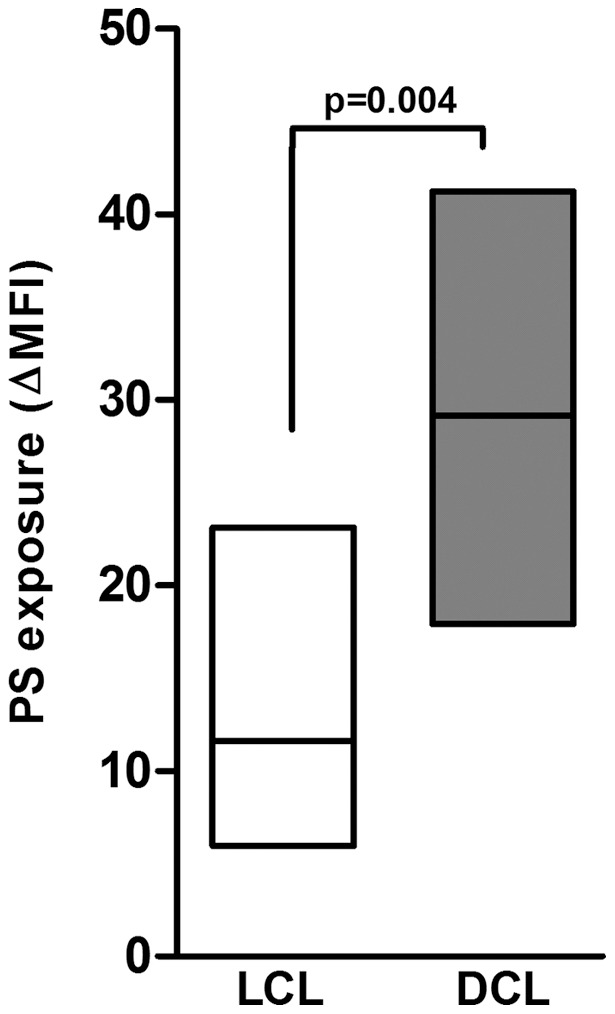
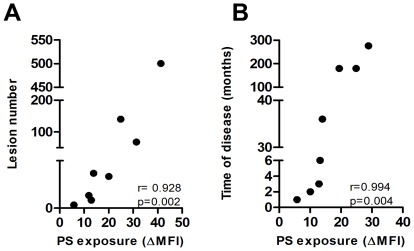
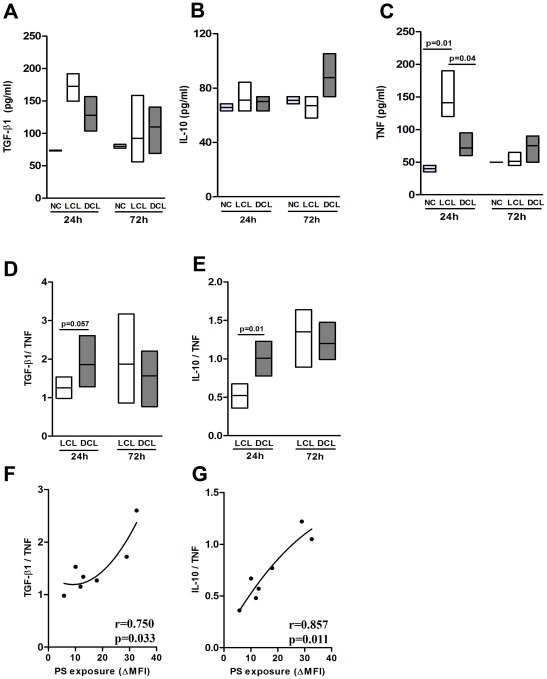
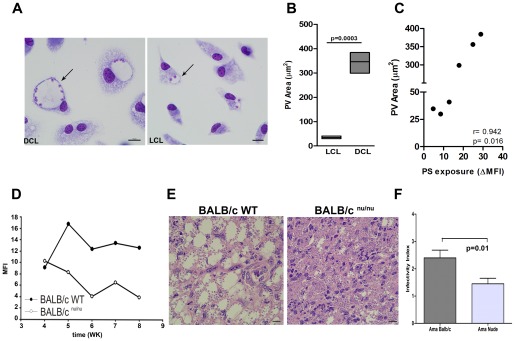
Diffuse cutaneous leishmaniasis (DCL) is a rare clinical manifestation of leishmaniasis, characterized by an inefficient parasite-specific cellular response and heavily parasitized macrophages. In Brazil, Leishmania (Leishmania) amazonensis is the main species involved in DCL cases. In the experimental model, recognition of phosphatidylserine (PS) molecules exposed on the surface of amastigotes forms of L. amazonensis inhibits the inflammatory response of infected macrophages as a strategy to evade the host immune surveillance. In this study, we examined whether PS exposure on L. amazonensis isolates from DCL patients operated as a parasite pathogenic factor and as a putative suppression mechanism of immune response during the infection. Peritoneal macrophages from F1 mice (BALB/c×C57BL/6) were infected with different L. amazonensis isolates from patients with localized cutaneous leishmaniasis (LCL) or DCL. DCL isolates showed higher PS exposure than their counterparts from LCL patients. In addition, PS exposure was positively correlated with clinical parameters of the human infection (number of lesions and time of disease) and with characteristics of the experimental infection (macrophage infection and anti-inflammatory cytokine induction). Furthermore, parasites isolated from DCL patients displayed an increased area in parasitophorous vacuoles (PV) when compared to those isolated from LCL patients. Thus, this study shows for the first time that a parasite factor (exposed PS) might be associated with parasite survival/persistence in macrophages and lesion exacerbation during the course of DCL, providing new insights regarding pathogenic mechanism in this rare chronic disease.
弥漫性皮肤利什曼病(DCL)是利什曼病的一种罕见临床表现,其特征是寄生虫特异性细胞应答效率低下,并且大量寄生的巨噬细胞。在巴西,Leishmania(Leishmania) amazonensis 是与 DCL 病例相关的主要物种。在实验模型中,识别暴露在 L. amazonensis 无鞭毛体表面的磷脂酰丝氨酸(PS)分子会抑制感染巨噬细胞的炎症反应,这是一种逃避宿主免疫监视的策略。在这项研究中,我们研究了 DCL 患者的 L. amazonensis 分离株表面 PS 的暴露是否作为寄生虫致病因素以及作为感染期间免疫应答抑制的潜在机制。F1 小鼠(BALB/c×C57BL/6)的腹腔巨噬细胞被来自局限性皮肤利什曼病(LCL)或 DCL 患者的不同 L. amazonensis 分离株感染。DCL 分离株的 PS 暴露水平高于来自 LCL 患者的分离株。此外,PS 暴露与人类感染的临床参数(病变数量和疾病时间)以及实验感染的特征(巨噬细胞感染和抗炎细胞因子诱导)呈正相关。此外,与来自 LCL 患者的分离株相比,来自 DCL 患者的寄生虫在吞噬空泡(PV)中的面积增加。因此,这项研究首次表明,寄生虫因子(暴露的 PS)可能与巨噬细胞中的寄生虫存活/持续存在以及 DCL 期间病变恶化有关,为这种罕见慢性疾病的发病机制提供了新的见解。