Department of Pharmacology, Wayne State University School of Medicine, Detroit, MI 48201, USA.
Oncogene. 2013 Mar 21;32(12):1580-93. doi: 10.1038/onc.2012.166. Epub 2012 May 21.
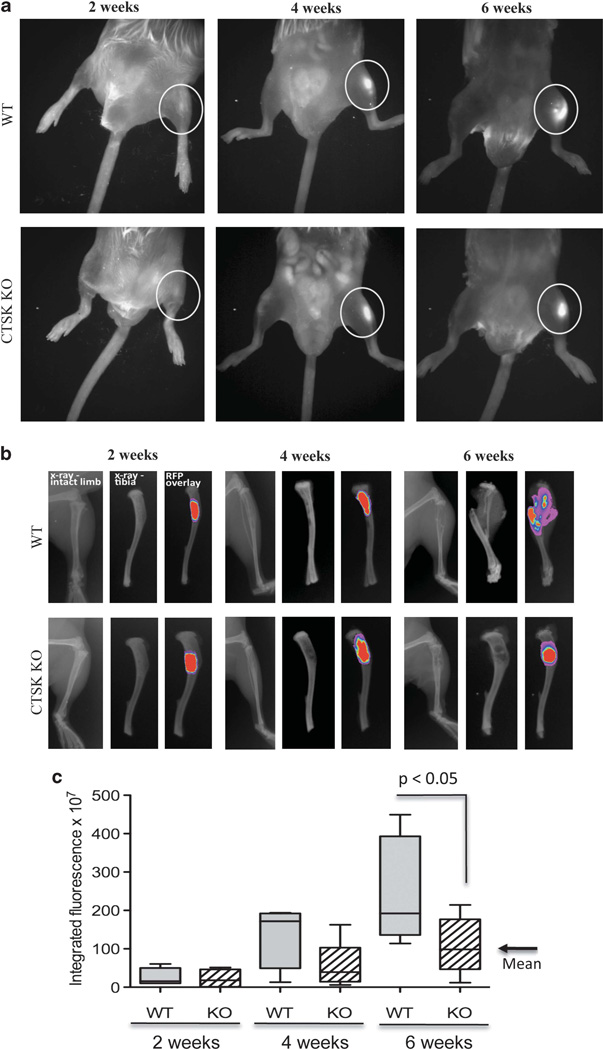
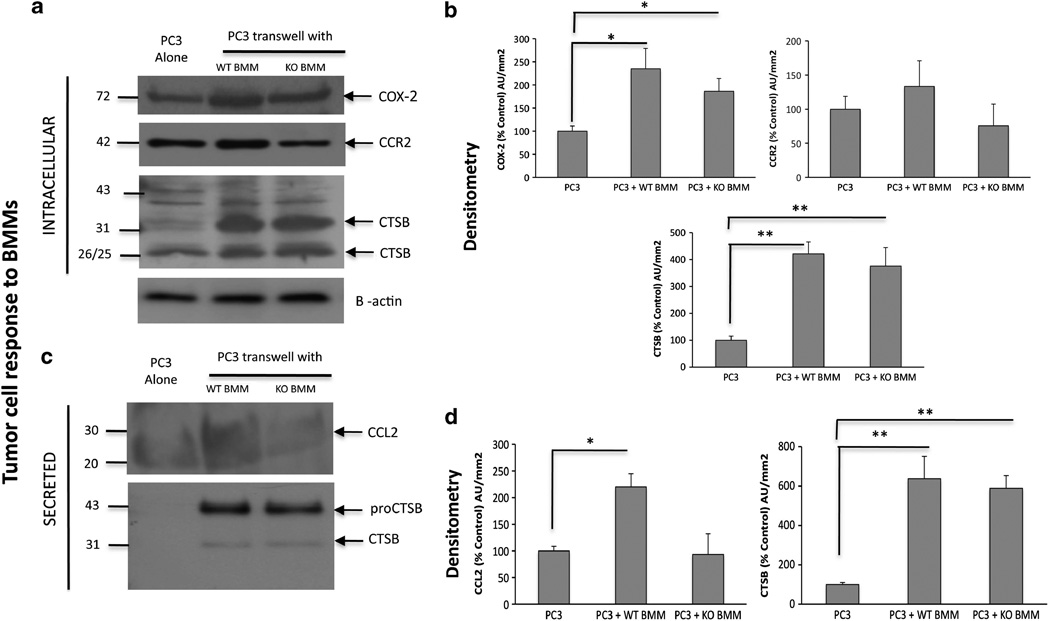
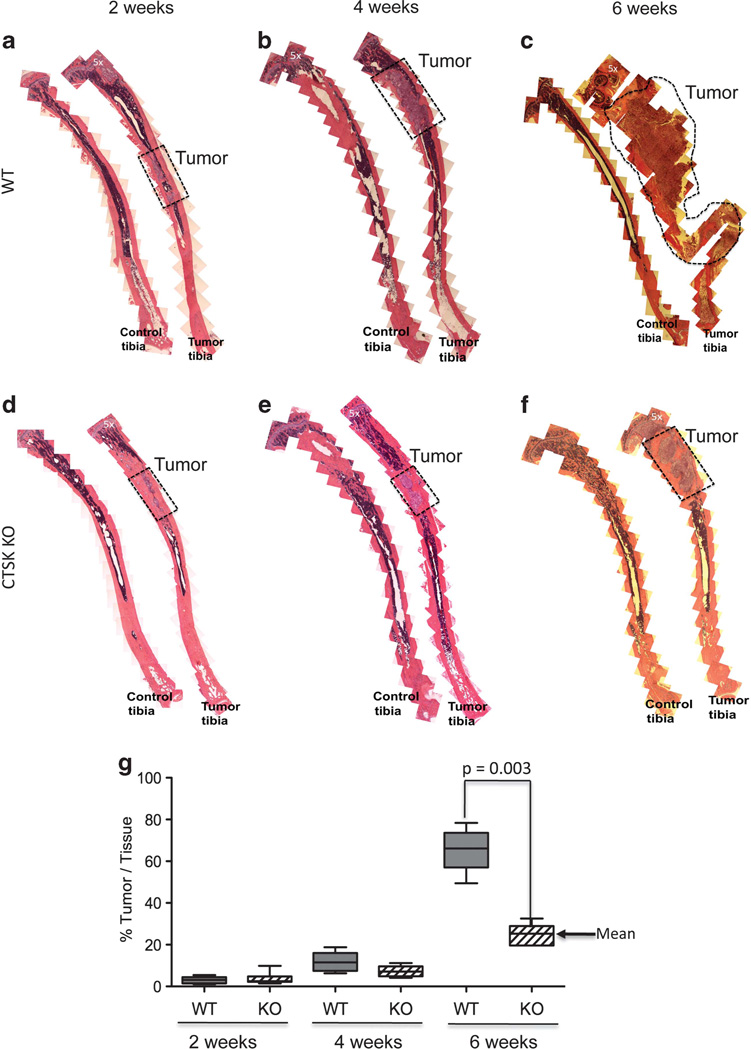
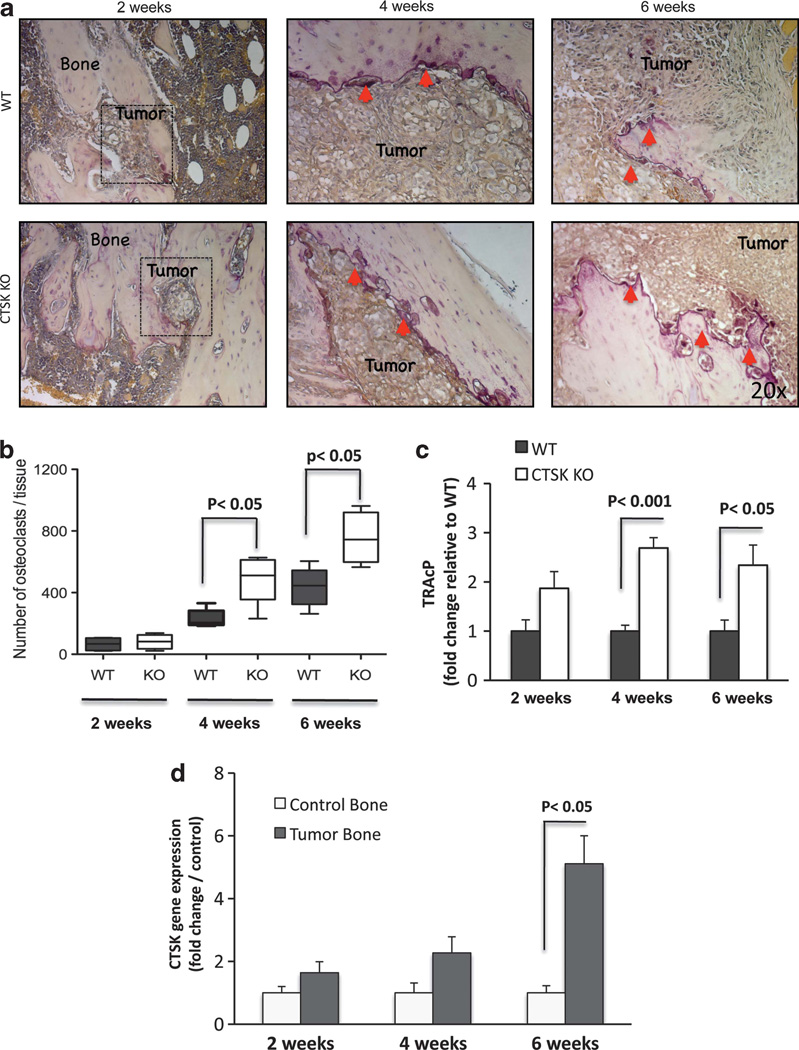
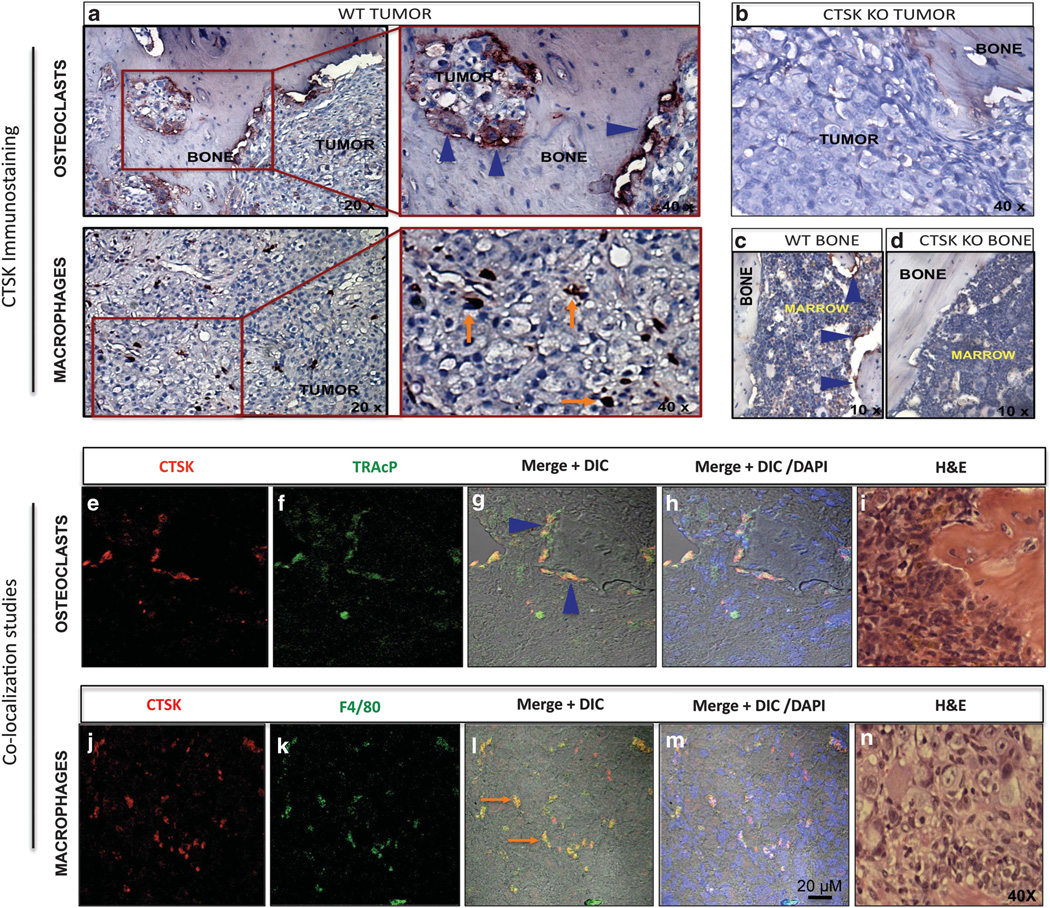
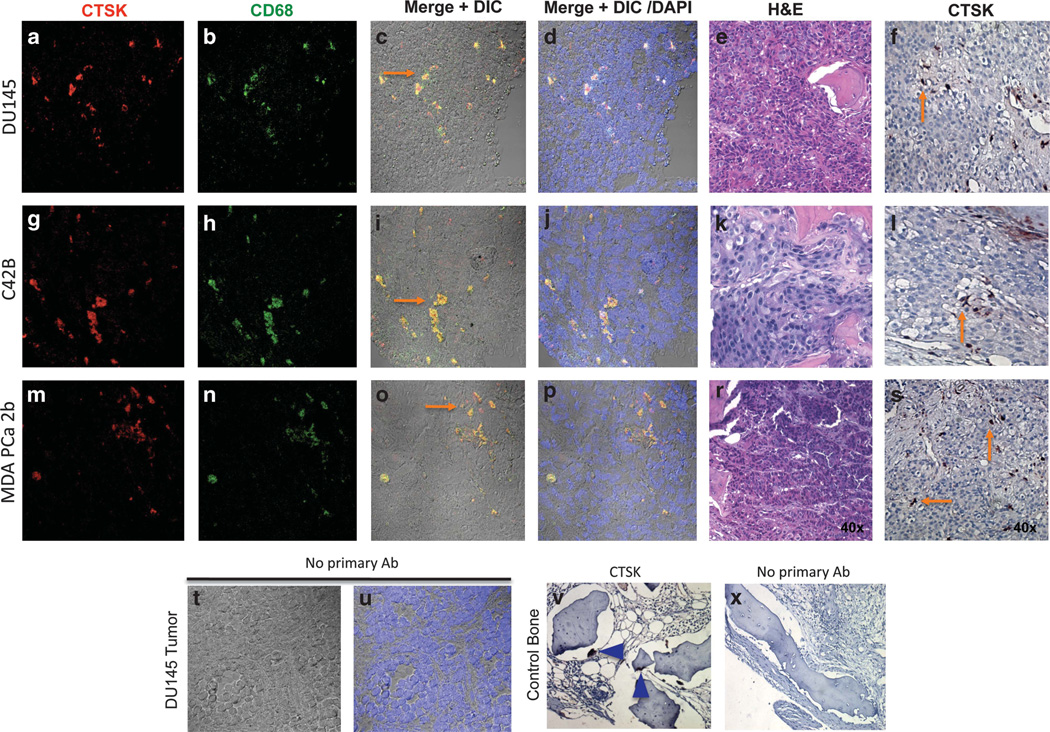
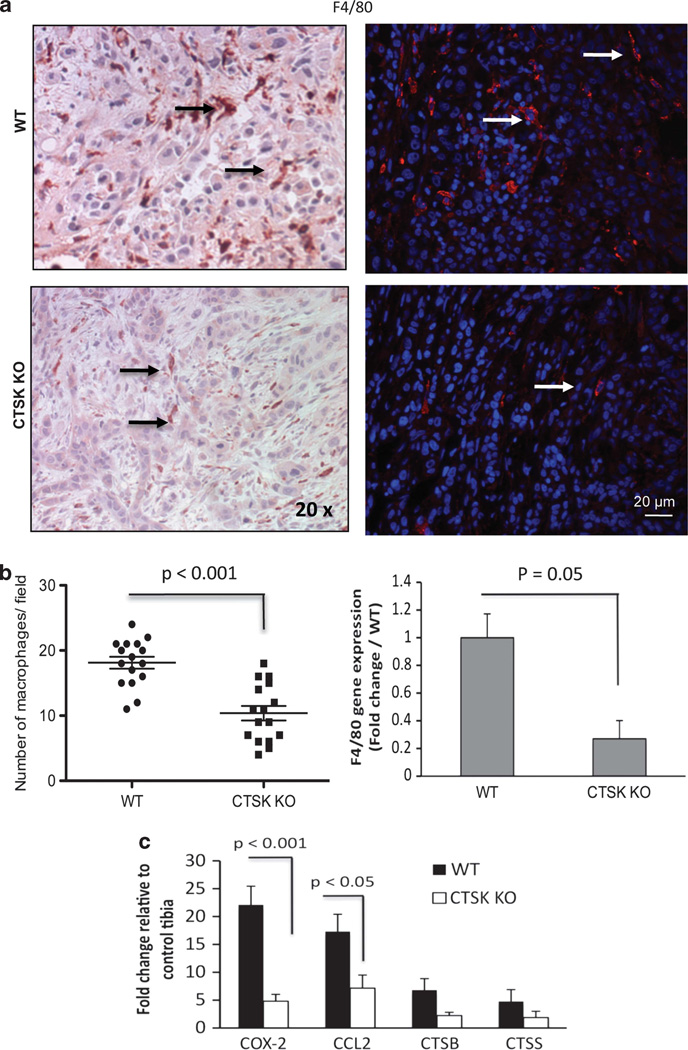
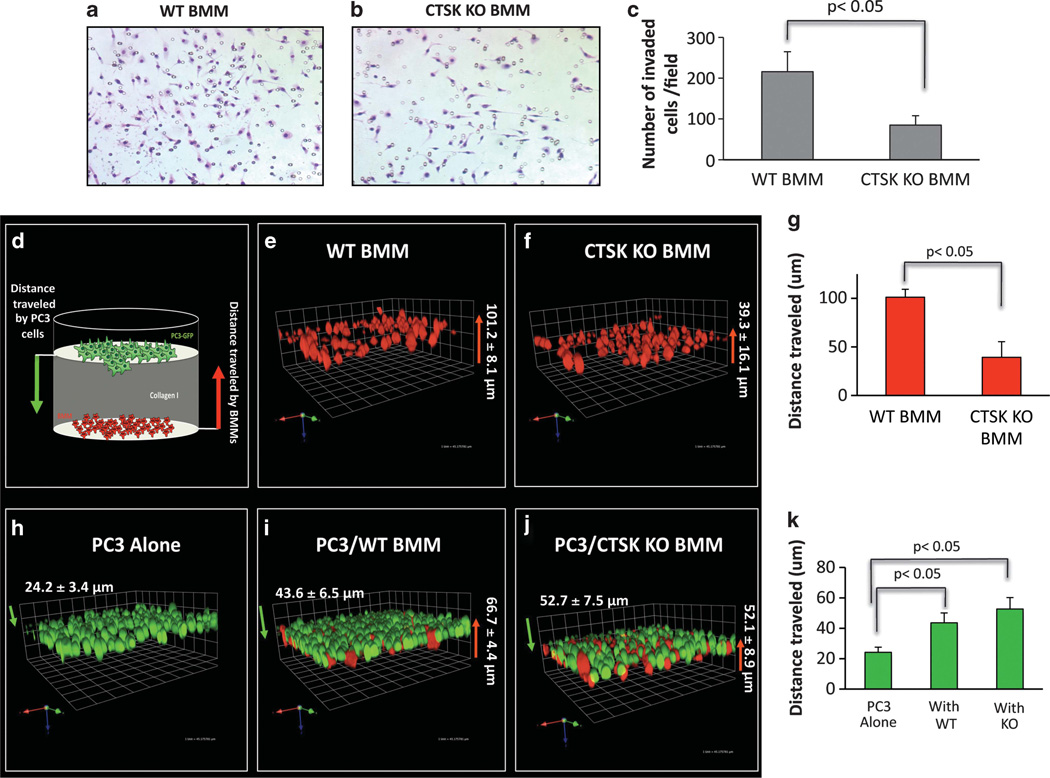
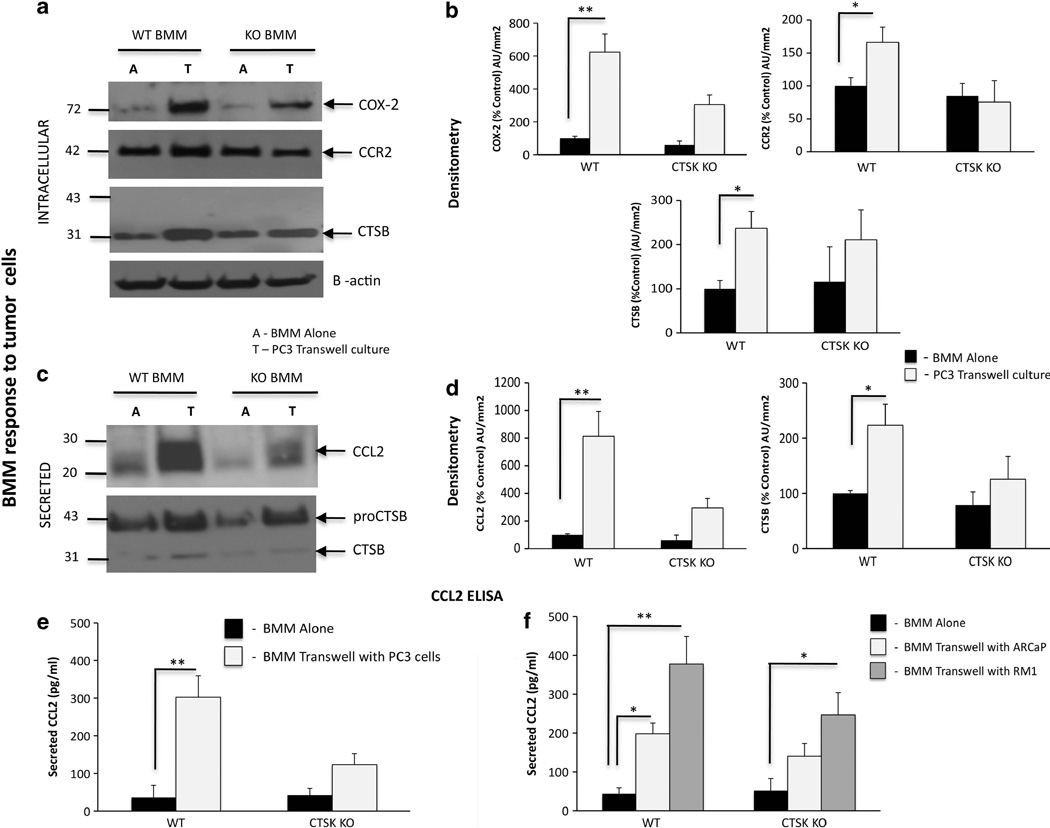
Bone marrow macrophages (BMMs) share common progenitors with osteoclasts and are critical components of bone-tumor microenvironment; however, their function in prostate tumor growth in the skeleton has not been explored. BMMs are the major source of inflammatory factors and proteases, including cysteine protease cathepsin K (CTSK). In this study, utilizing mice deficient in CTSK, we demonstrate the critical involvement of this potent collagenase in tumor progression in bone. We present the evidence that tumor growth and progression in the bone are impaired in the absence of CTSK. Most importantly, we show for the first time that BMM-supplied CTSK may be involved in CCL2- and COX-2-driven pathways that contribute to tumor progression in bone. Together, our data unravel novel roles for CTSK in macrophage-regulated processes, and provide evidence for close interplay between inflammatory, osteolytic and tumor cell-driven events in the bone-tumor microenvironment.
骨髓巨噬细胞(BMMs)与破骨细胞具有共同的祖细胞,是骨肿瘤微环境的重要组成部分;然而,它们在前列腺肿瘤在骨骼中的生长中的功能尚未被探索。BMMs 是炎症因子和蛋白酶的主要来源,包括半胱氨酸蛋白酶组织蛋白酶 K(CTSK)。在这项研究中,我们利用缺乏 CTSK 的小鼠,证明了这种强效胶原酶在骨肿瘤进展中的关键作用。我们提供的证据表明,在缺乏 CTSK 的情况下,肿瘤在骨骼中的生长和进展受到损害。最重要的是,我们首次表明,BMM 提供的 CTSK 可能参与 CCL2 和 COX-2 驱动的途径,这些途径有助于骨骼中的肿瘤进展。总之,我们的数据揭示了 CTSK 在巨噬细胞调节过程中的新作用,并为骨肿瘤微环境中炎症、溶骨性和肿瘤细胞驱动事件之间的密切相互作用提供了证据。