Department of Chemistry, Lomonosov Moscow State University, Moscow, Russia.
Nucleic Acids Res. 2012 Sep;40(16):7885-95. doi: 10.1093/nar/gks508. Epub 2012 May 30.
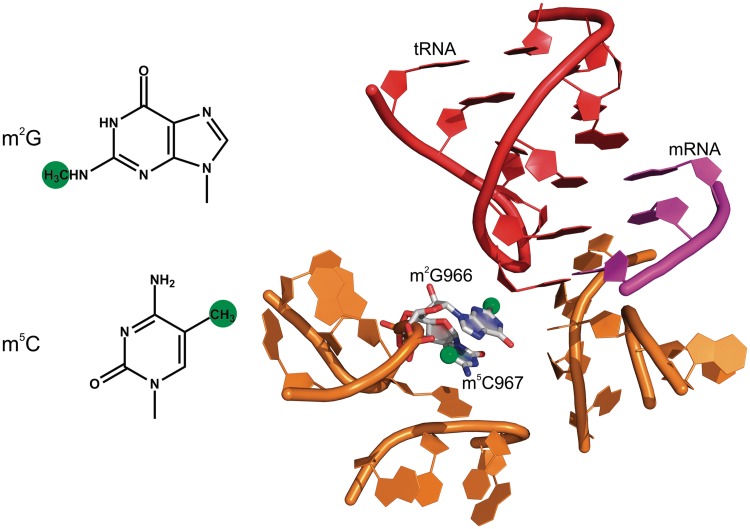
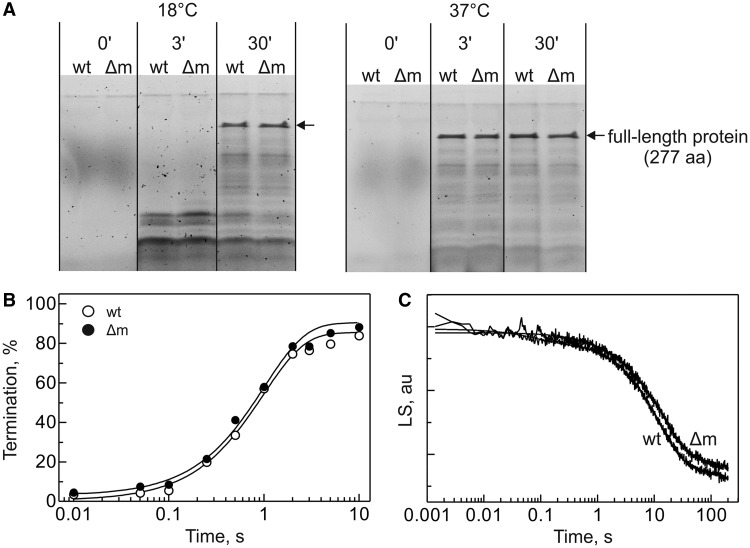
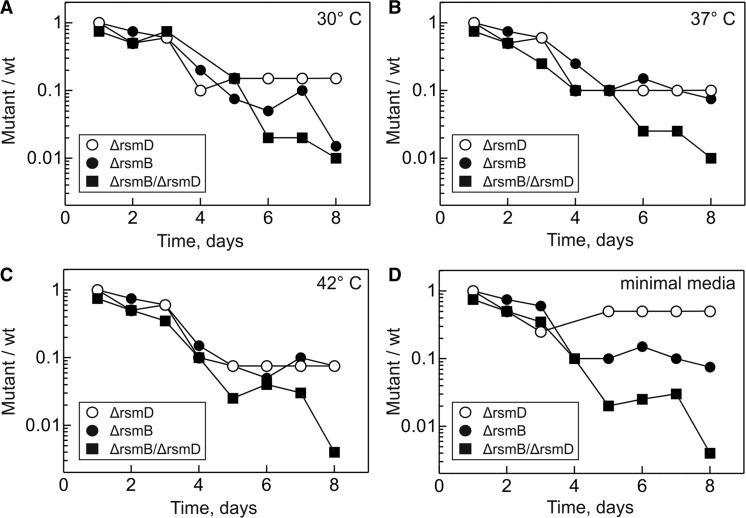
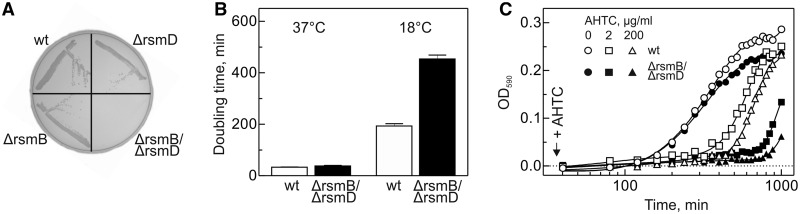
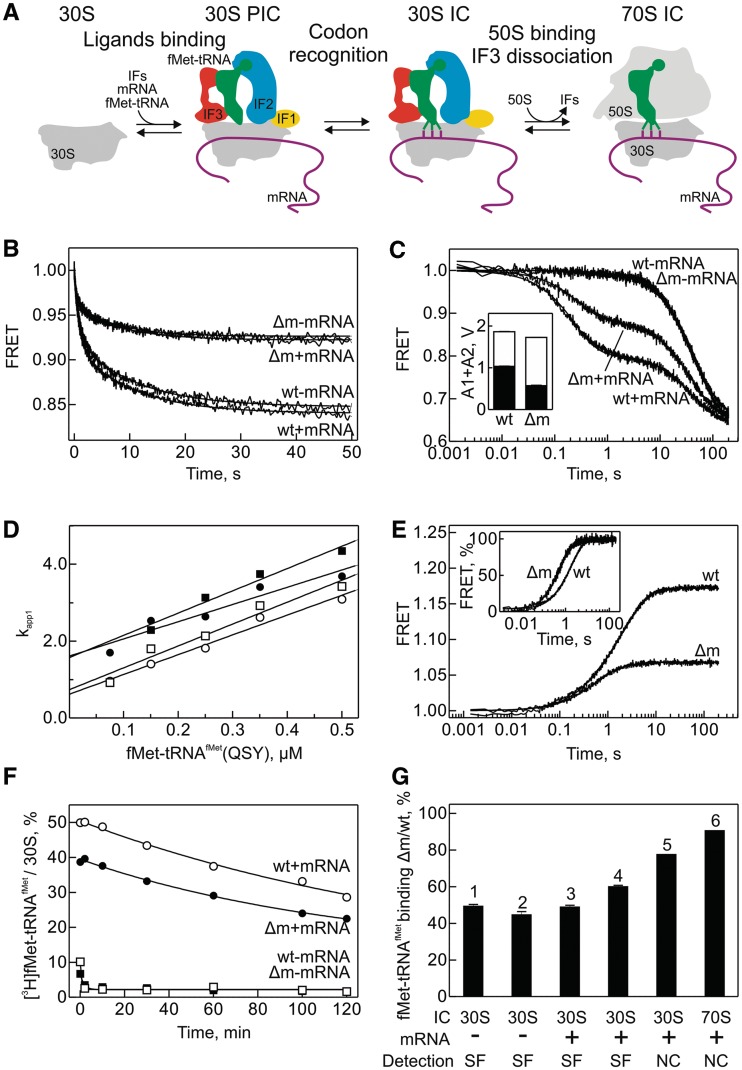
The functional centers of the ribosome in all organisms contain ribosomal RNA (rRNA) modifications, which are introduced by specialized enzymes and come at an energy cost for the cell. Surprisingly, none of the modifications tested so far was essential for growth and hence the functional role of modifications is largely unknown. Here, we show that the methyl groups of nucleosides m(2)G966 and m(5)C967 of 16S rRNA in Escherichia coli are important for bacterial fitness. In vitro analysis of all phases of translation suggests that the m(2)G966/m(5)C967 modifications are dispensable for elongation, termination and ribosome recycling. Rather, the modifications modulate the early stages of initiation by stabilizing the binding of fMet-tRNA(fMet) to the 30S pre-initiation complex prior to start-codon recognition. We propose that the m(2)G966 and m(5)C967 modifications help shaping the bacterial proteome, most likely by fine-tuning the rates that determine the fate of a given messenger RNA (mRNA) at early checkpoints of mRNA selection.
核糖体在所有生物体中的功能中心都包含核糖体 RNA(rRNA)修饰,这些修饰是由专门的酶引入的,并且会给细胞带来能量成本。令人惊讶的是,到目前为止,测试的修饰中没有一个对生长是必需的,因此修饰的功能作用在很大程度上是未知的。在这里,我们表明大肠杆菌 16S rRNA 上的核苷 m(2)G966 和 m(5)C967 的甲基基团对细菌的适应性很重要。对翻译所有阶段的体外分析表明,m(2)G966/m(5)C967 修饰对于延伸、终止和核糖体回收是可有可无的。相反,这些修饰通过稳定 fMet-tRNA(fMet)与起始密码子识别前的 30S 起始前复合物的结合来调节起始的早期阶段。我们提出,m(2)G966 和 m(5)C967 修饰有助于塑造细菌蛋白质组,很可能是通过微调决定给定信使 RNA(mRNA)在 mRNA 选择的早期检查点命运的速率。