Girish Gandikota, Finlay Karen, Morag Yoav, Brandon Catherine, Jacobson Jon, Jamadar David
Department of Radiology, University of Michigan, 1500 E. Medical Center Drive, TC-2910, Ann Arbor, MI 48109-0326, USA.
ScientificWorldJournal. 2012;2012:290930. doi: 10.1100/2012/290930. Epub 2012 May 15.
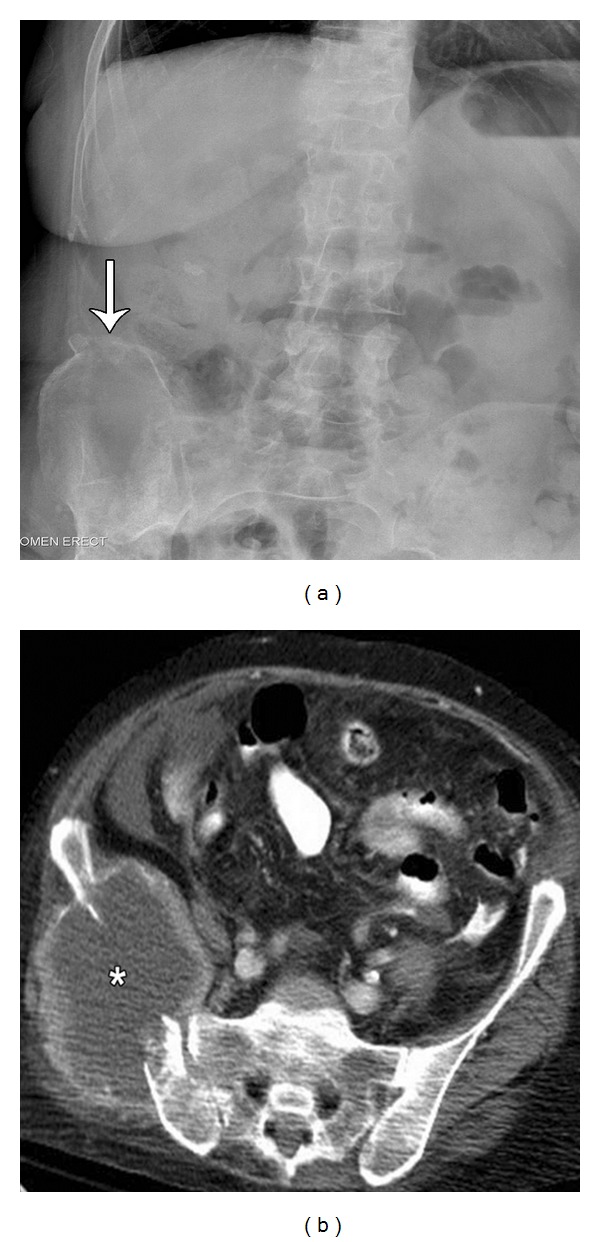
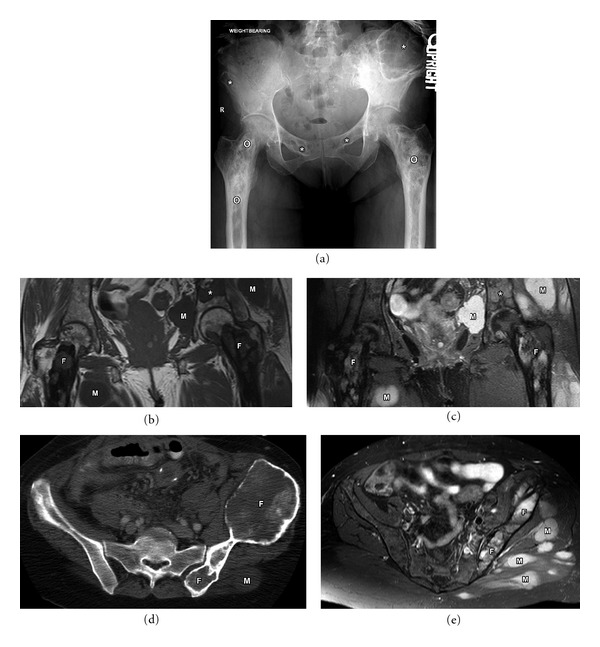
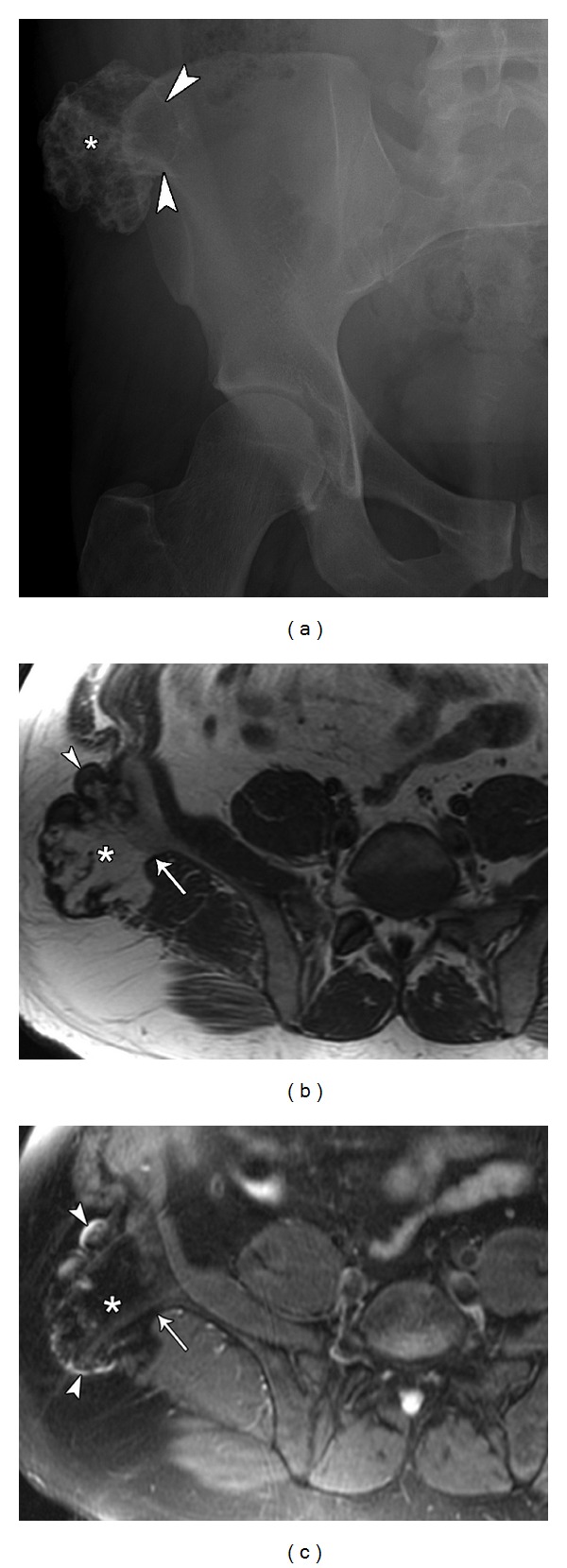
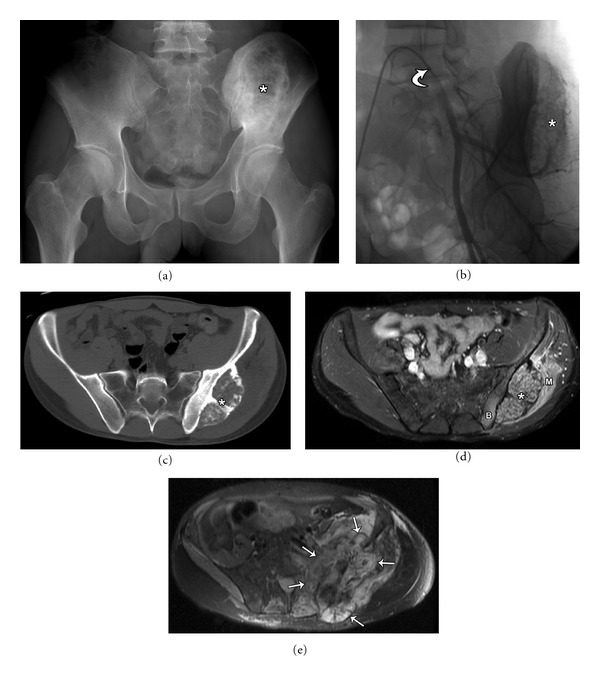
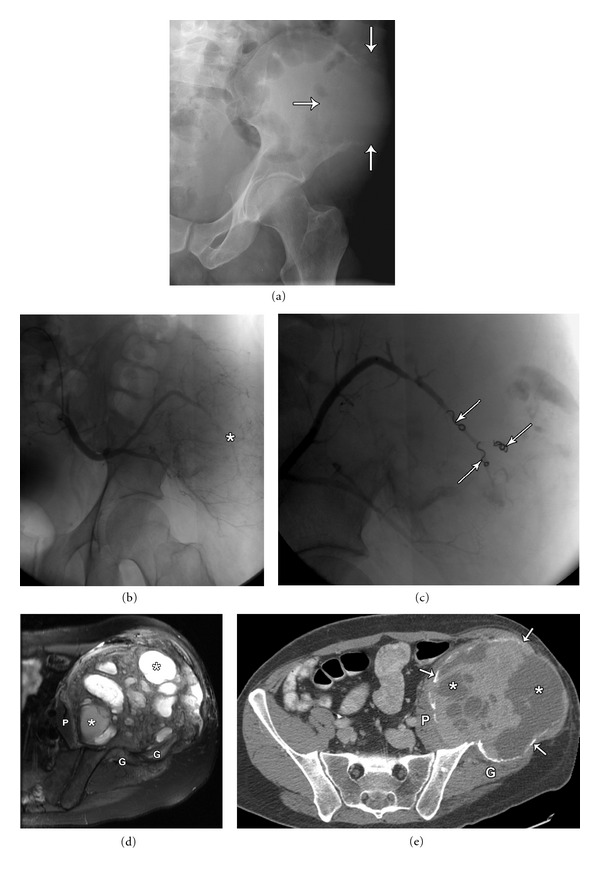
The osseous pelvis is a well-recognized site of origin of numerous primary and secondary musculoskeletal tumors. The radiologic evaluation of a pelvic lesion often begins with the plain film and proceeds to computed tomography (CT), or magnetic resonance imaging (MRI) and possibly biopsy. Each of these modalities, with inherent advantages and disadvantages, has a role in the workup of pelvic osseous masses. Clinical history and imaging characteristics can significantly narrow the broad differential diagnosis for osseous pelvic lesions. The purpose of this review is to familiarize the radiologist with the presentation and appearance of some of the common benign neoplasms of the osseous pelvis and share our experience and approach in diagnosing these lesions.
骨盆是众多原发性和继发性肌肉骨骼肿瘤公认的起源部位。对骨盆病变的放射学评估通常从平片开始,然后进行计算机断层扫描(CT)、磁共振成像(MRI),可能还包括活检。这些检查方法各有其固有的优缺点,在骨盆骨质肿块的检查中都发挥着作用。临床病史和影像学特征能够显著缩小骨盆骨质病变广泛的鉴别诊断范围。本综述的目的是让放射科医生熟悉骨盆常见良性肿瘤的表现及影像学特征,并分享我们在诊断这些病变方面的经验和方法。