Department of Ophthalmology, China-Japan Friendship Hospital, Beijing University of Chinese Medicine, Beijing, China.
J Transl Med. 2012 Jun 7;10:118. doi: 10.1186/1479-5876-10-118.
Choroidal neovascularization (CNV) remains the leading cause of newly acquired blindness in the developed world. Currently anti-vascular endothelial growth factor (VEGF) therapies are broadly used to treat neovascular ocular disorders. Here we demonstrate the effect of a traditional Chinese medicine formula, HB01, on CNV.
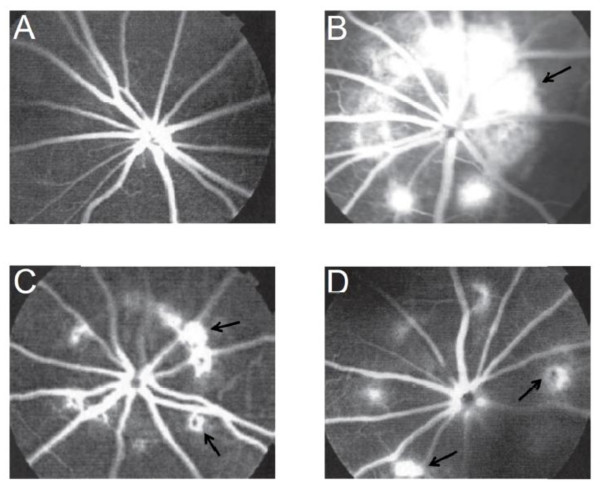
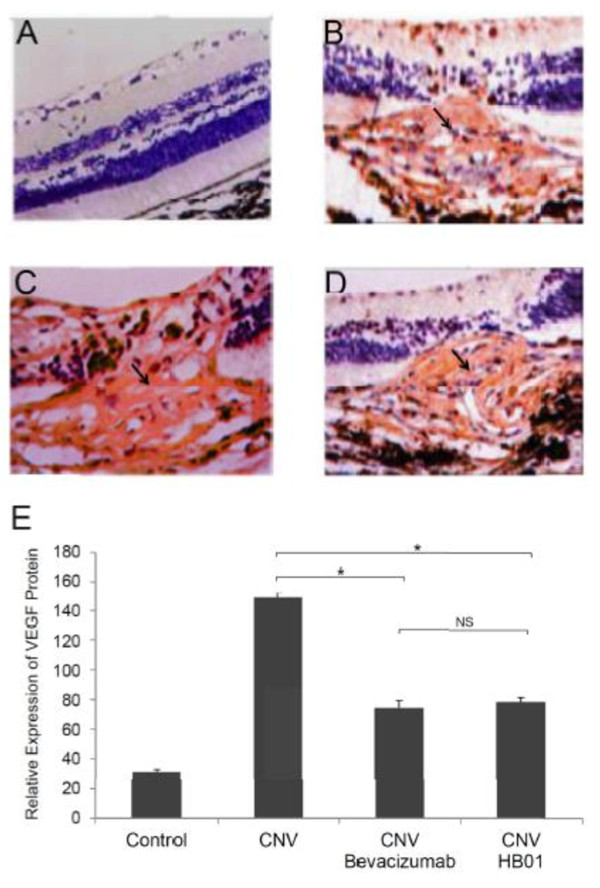
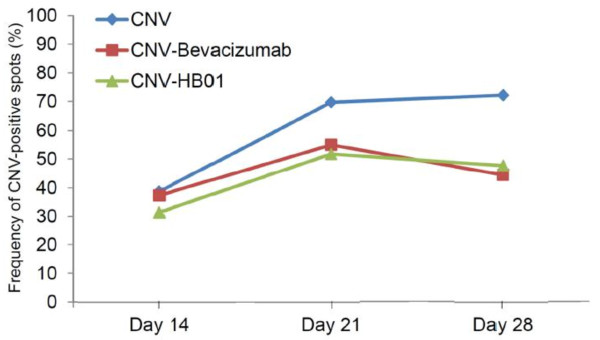
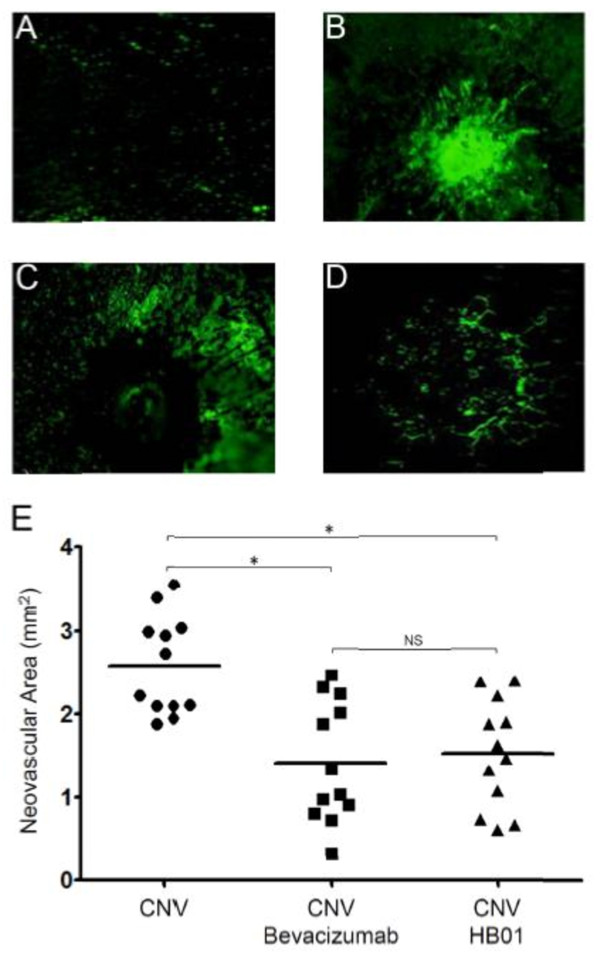
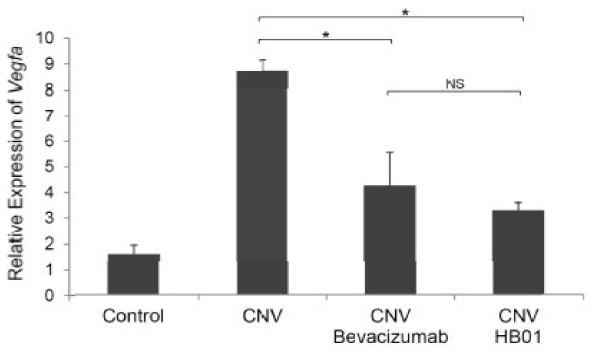
A rat model of laser-induced CNV was used to investigate the effect of HB01 in vivo. The CNV lesions in the eye were evaluated using fundus fluorescein angiography and visualized/quantified using confocal microscopy. Expression of VEGF in the choroidal and retinal tissues was measured using quantitative real-time PCR and immunohistochemistry.
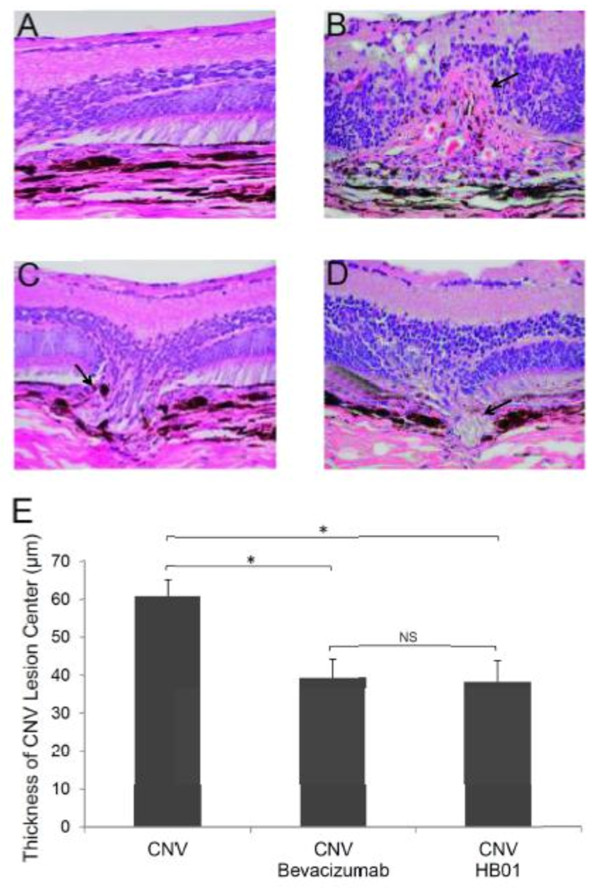
We demonstrated that a traditional Chinese Medicine formula, named HB01, significantly reduced neovascularization in a rat CNV model. The effect of HB01 on CNV was comparable to the intravitreal injection of bevacizumab (Avastin). Our results also suggested that HB01 may reduce CNV partially through inhibiting the expression of VEGF.
These data support HB01 as an alternative therapy for ocular neovascular disorders.
脉络膜新生血管(CNV)仍然是发达国家新发生失明的主要原因。目前,抗血管内皮生长因子(VEGF)治疗广泛用于治疗新生血管性眼病。在这里,我们展示了一种中药配方 HB01 对 CNV 的作用。
使用激光诱导的大鼠 CNV 模型研究 HB01 在体内的作用。通过眼底荧光血管造影评估眼内 CNV 病变,并通过共聚焦显微镜进行可视化/定量。使用定量实时 PCR 和免疫组织化学测量脉络膜和视网膜组织中 VEGF 的表达。
我们证明,一种名为 HB01 的中药配方可显著减少大鼠 CNV 模型中的新生血管形成。HB01 对 CNV 的作用可与玻璃体内注射贝伐单抗(阿瓦斯汀)相媲美。我们的结果还表明,HB01 可能通过抑制 VEGF 的表达部分减少 CNV。
这些数据支持 HB01 作为治疗眼部新生血管疾病的替代疗法。