Erwin Terry L, White William H
Hyper-diversity Group, Department of Entomology, MRC-187, National Museum of Natural History, Smithsonian Institution, Washington, P.O. Box 37012, DC 20013-7012, USA.
Zookeys. 2012(194):17-32. doi: 10.3897/zookeys.194.3308. Epub 2012 May 17.
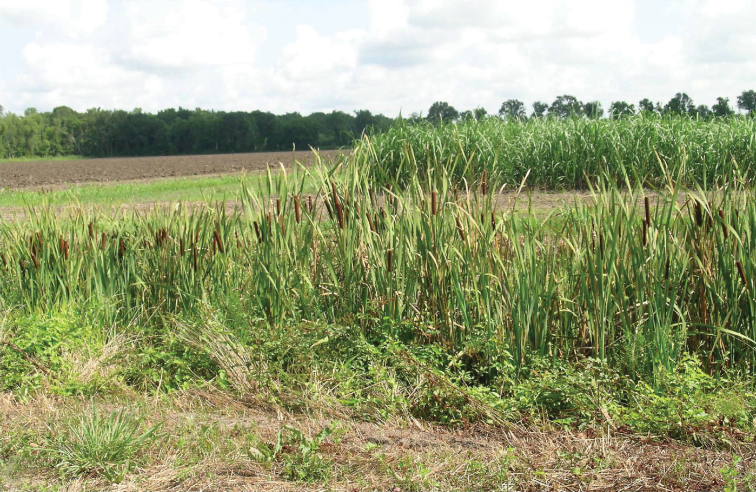
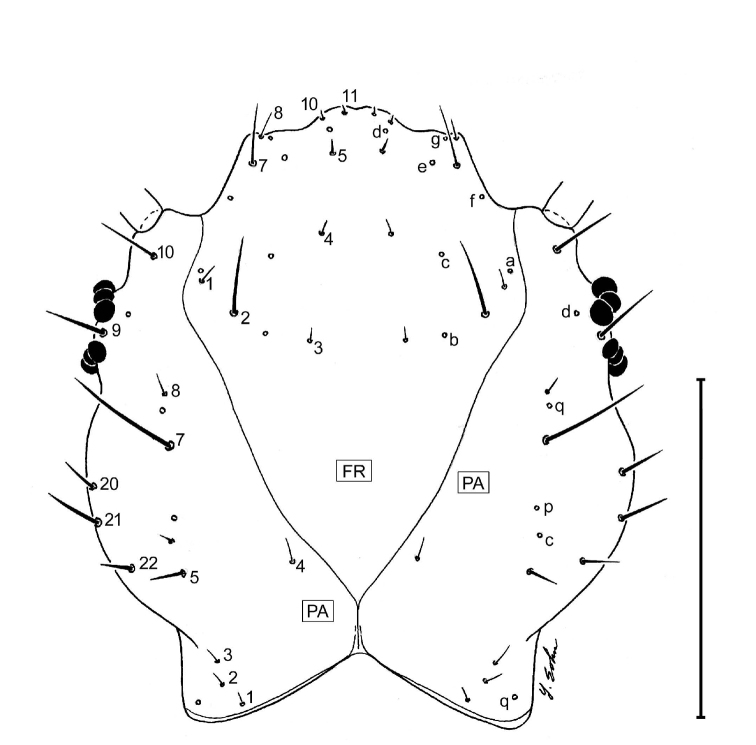
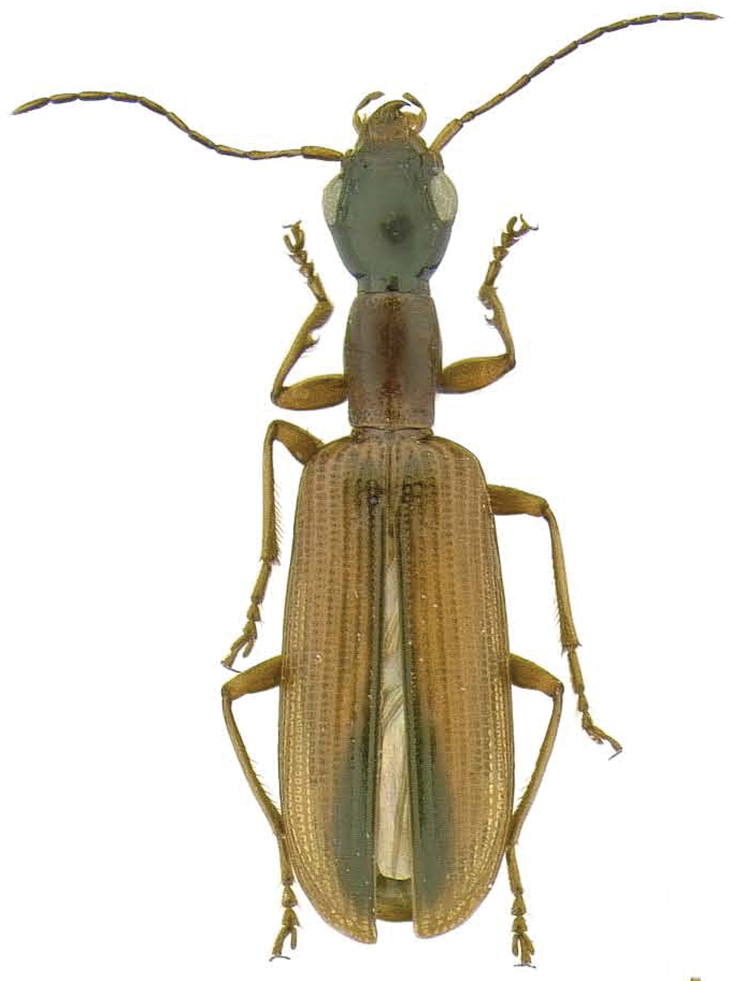
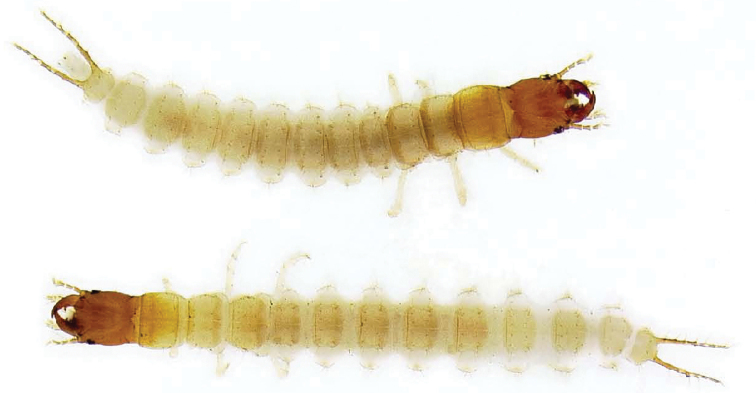
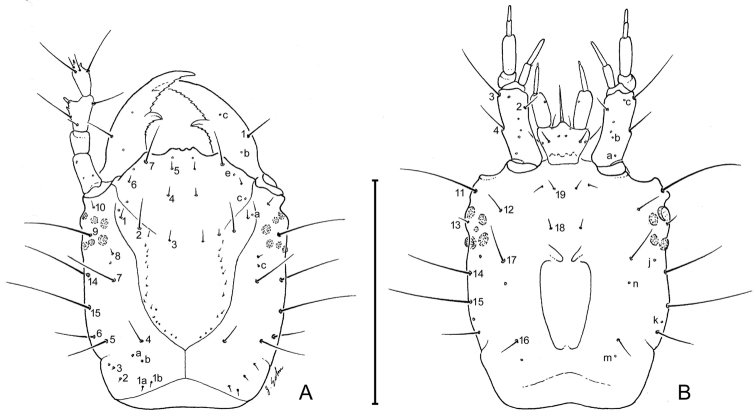
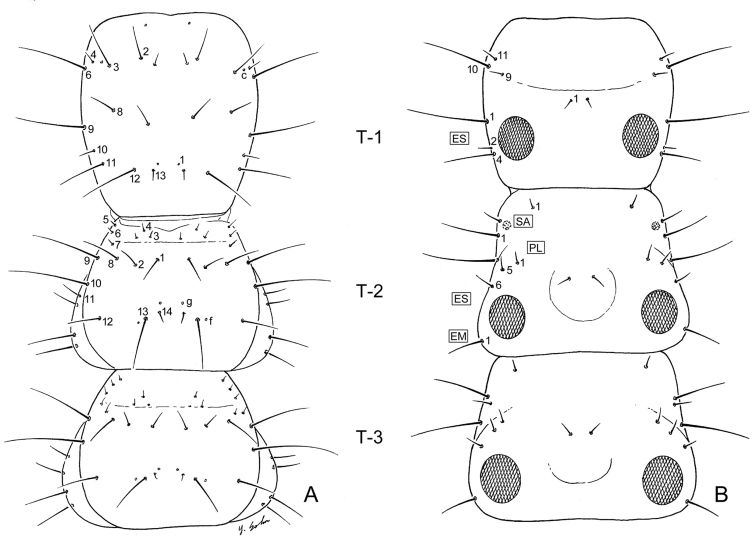
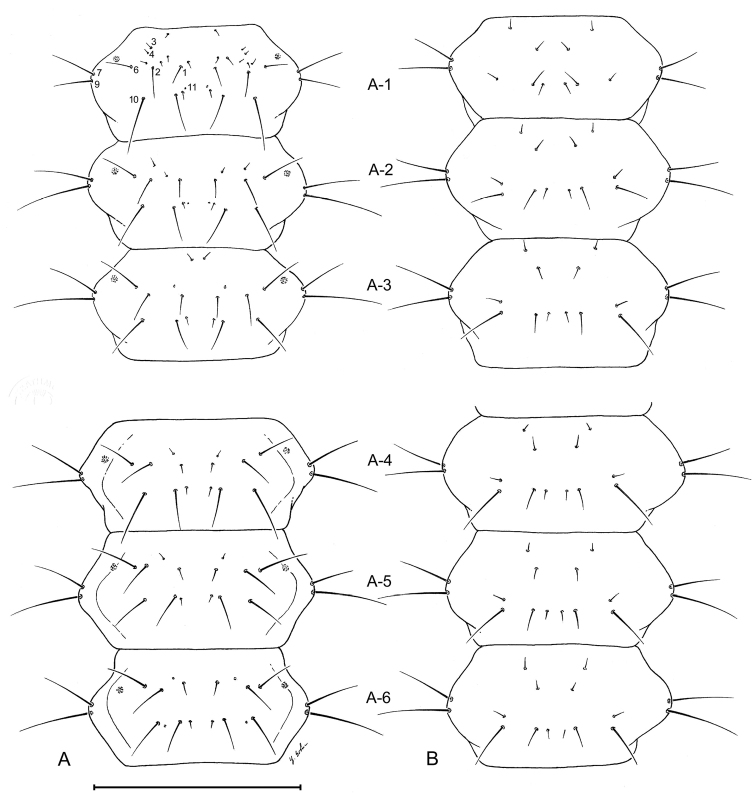
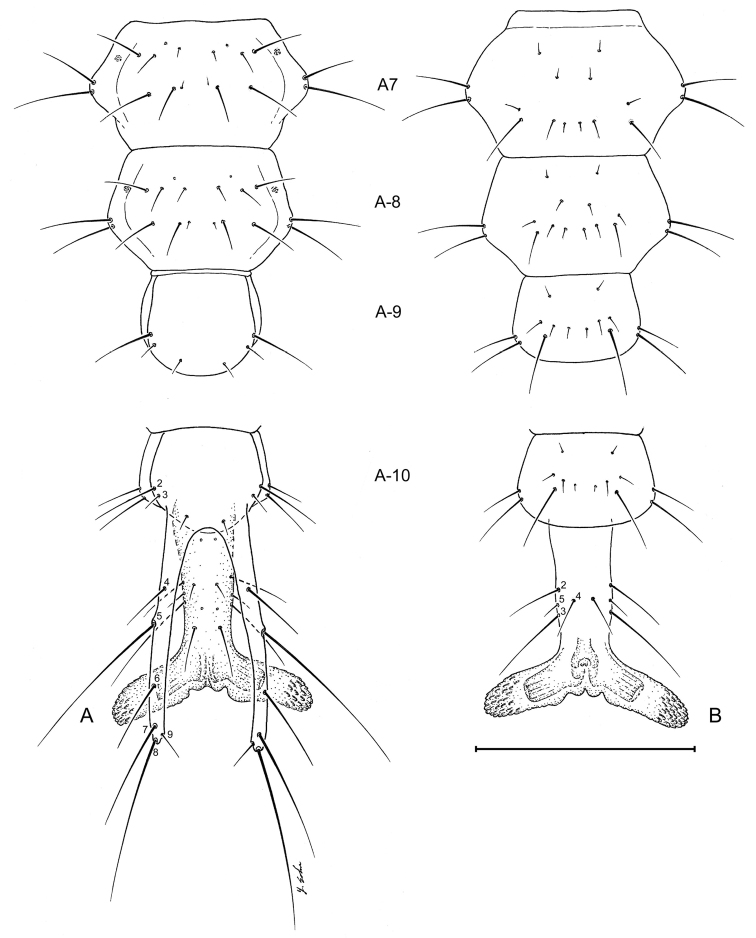
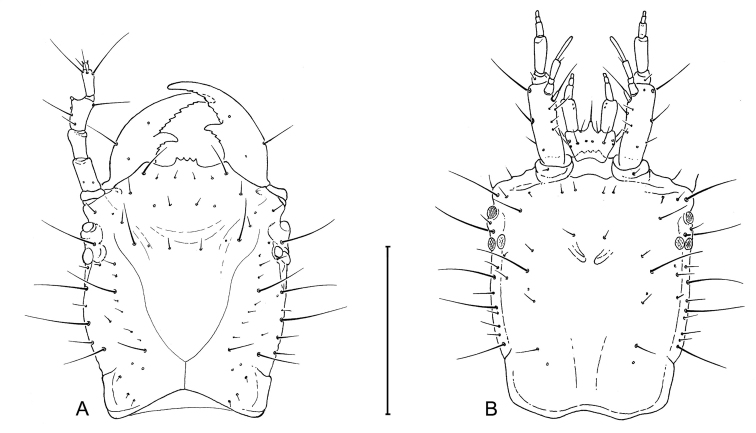
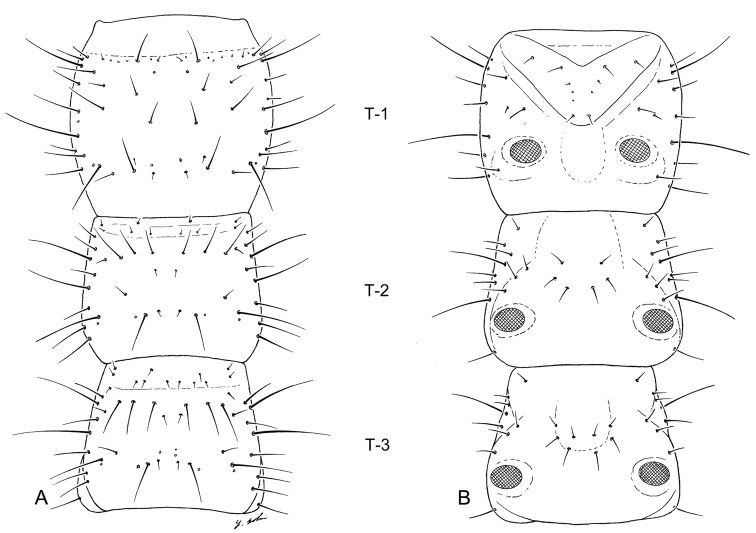
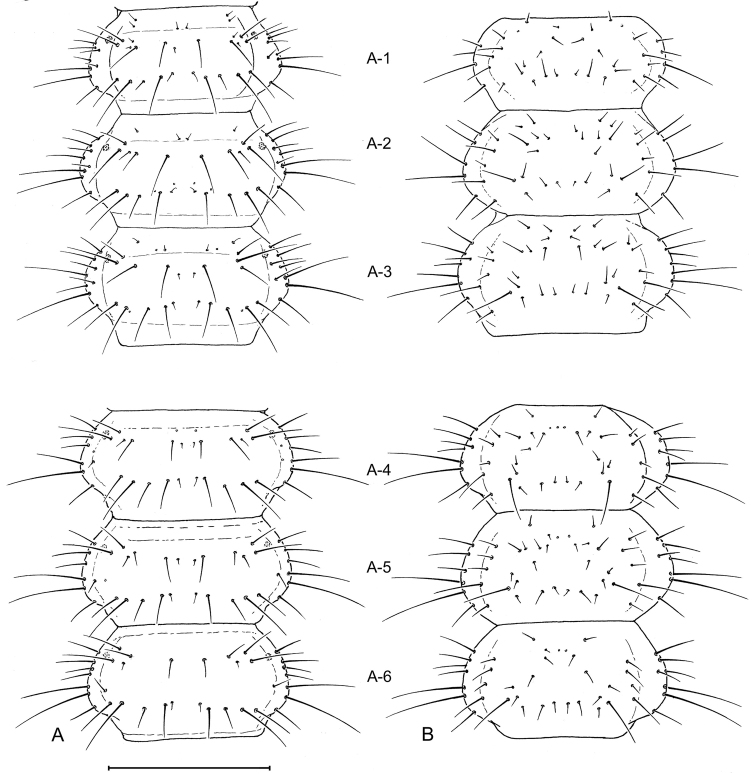
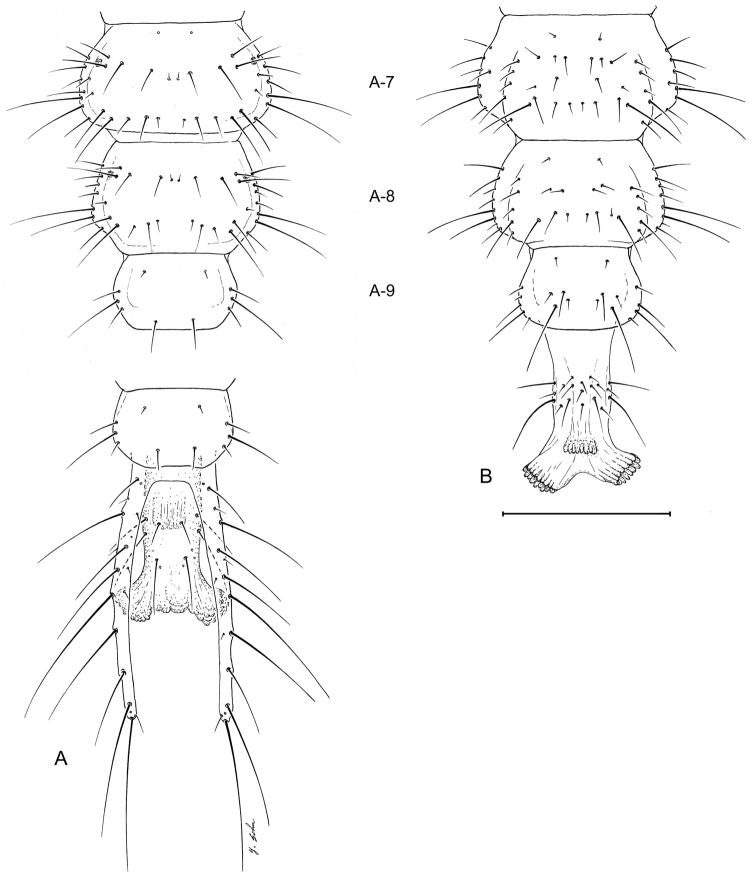
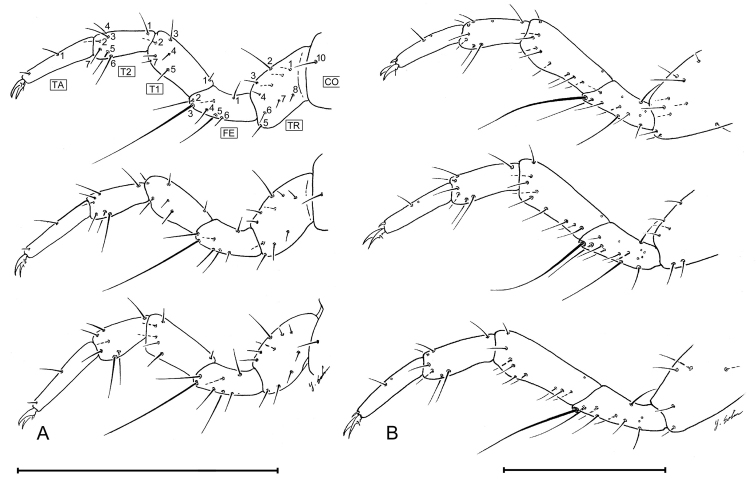
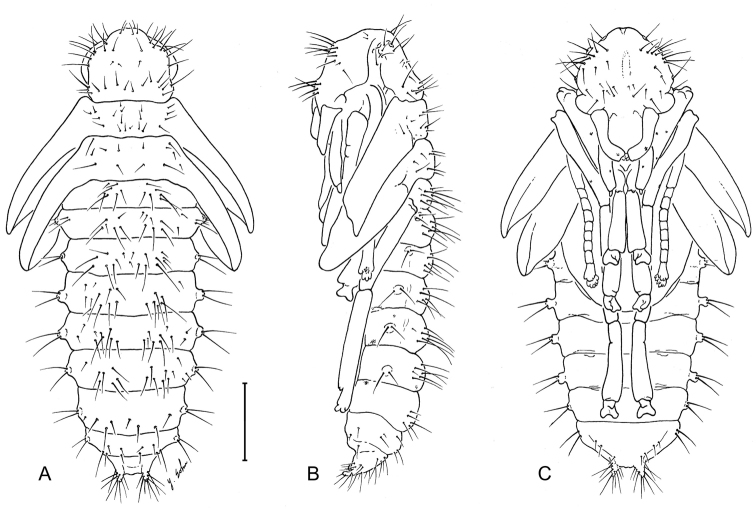
Adults and larvae of Leptotrachelus dorsalis (Fabricius), the Sugarcane Savior Beetle, live in association with grasses, the larvae in the appressed leaf axils. Both adult and larval Leptotrachelus dorsalis eat larvae of the Sugarcane Borer, Diatraea saccharalis (Fabricius), and perhaps other insects living in the confines of the leaf sheaths of that and other grass-like species. The geographic range of Leptotrachelus dorsalis extends from Kansas in the west to the Atlantic seaboard, north as far as Ontario, Canada and south to Cuba; it is an eastern species of North America and the Caribbean. Larval character attributes that are shared with a related ctenodactyline, Askalaphium depressum (Bates), provide a preliminary basis for characterization of the immatures of tribe Ctenodactylini.
甘蔗救星甲虫(Leptotrachelus dorsalis (Fabricius))的成虫和幼虫与草共生,幼虫生活在紧贴的叶腋处。甘蔗救星甲虫的成虫和幼虫都以甘蔗螟虫(Diatraea saccharalis (Fabricius))的幼虫为食,可能还捕食生活在该种及其他类似草类叶鞘内的其他昆虫。甘蔗救星甲虫的地理分布范围从西部的堪萨斯州延伸至大西洋沿岸,北至加拿大安大略省,南至古巴;它是北美东部和加勒比地区的一种昆虫。与相关的栉指突甲科(Askalaphium depressum (Bates))共有的幼虫特征属性,为栉指突甲族未成熟个体的特征描述提供了初步依据。