Abd-Alla Adly M M, Adun Henry, Parker Andrew G, Vreysen Marc J B, Bergoin Max
Insect Pest Control Laboratory, Joint FAO/IAEA Division of Nuclear Techniques in Food and Agriculture, Vienna, Austria.
PLoS One. 2012;7(6):e38417. doi: 10.1371/journal.pone.0038417. Epub 2012 Jun 5.
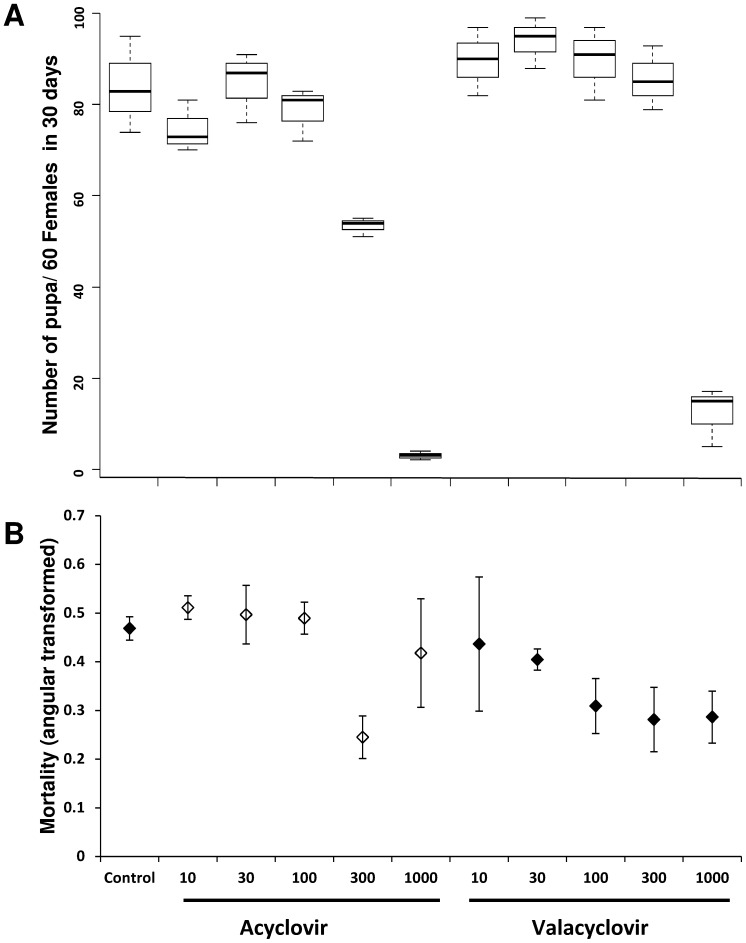
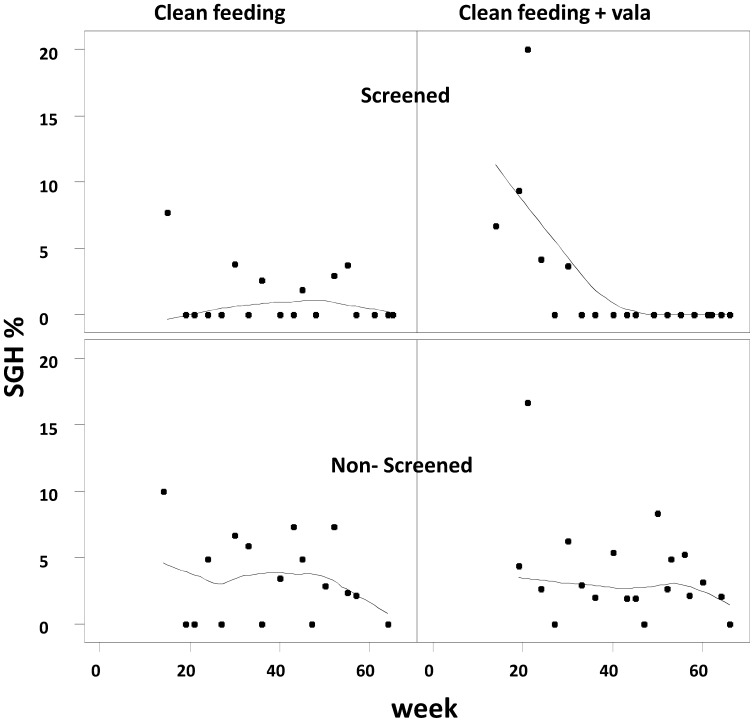
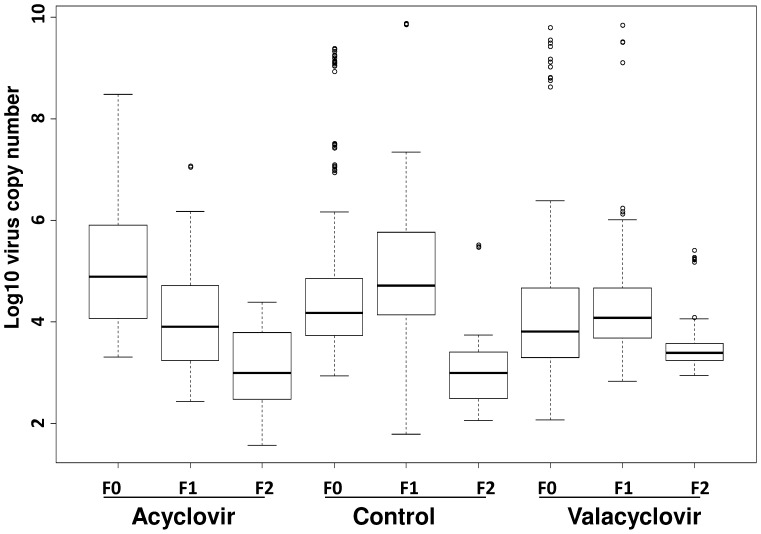
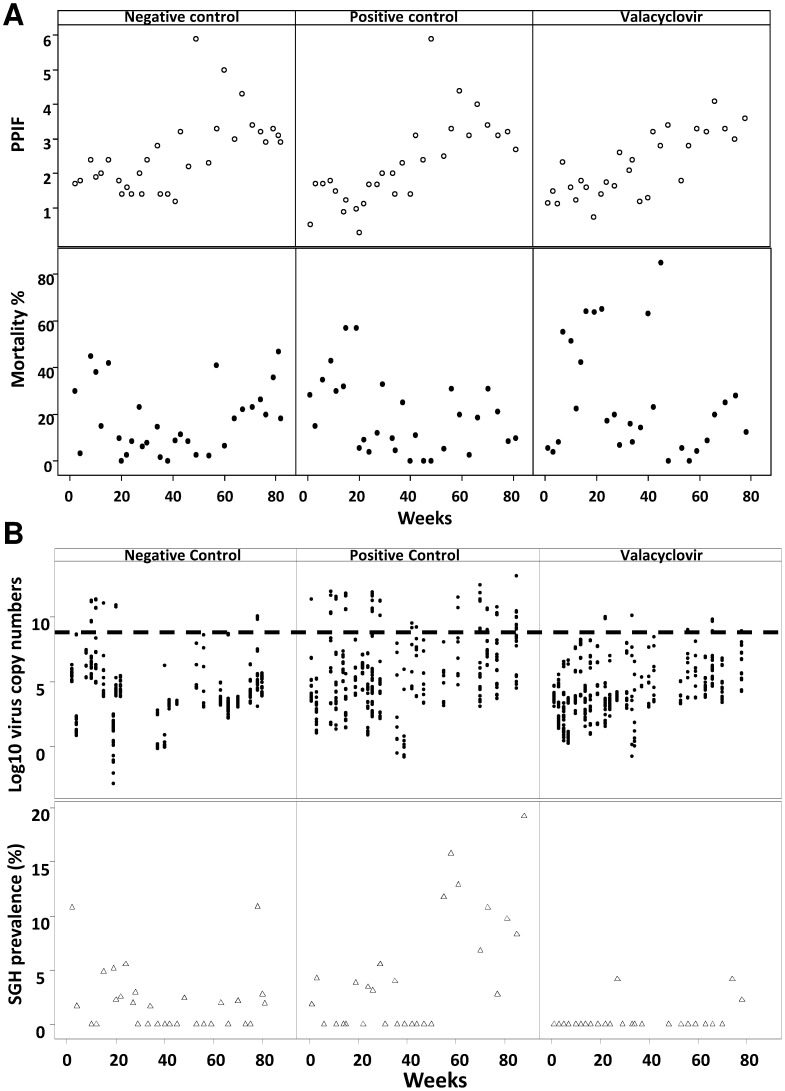
Many species of tsetse flies are infected with a virus that causes salivary gland hypertrophy (SGH) symptoms associated with a reduced fecundity and fertility. A high prevalence of SGH has been correlated with the collapse of two laboratory colonies of Glossina pallidipes and colony maintenance problems in a mass rearing facility in Ethiopia. Mass-production of G. pallidipes is crucial for programs of tsetse control including the sterile insect technique (SIT), and therefore requires a management strategy for this virus. Based on the homology of DNA polymerase between salivary gland hypertrophy virus and herpes viruses at the amino acid level, two antiviral drugs, valacyclovir and acyclovir, classically used against herpes viruses were selected and tested for their toxicity on tsetse flies and their impact on virus replication. While long term per os administration of acyclovir resulted in a significant reduction of productivity of the colonies, no negative effect was observed in colonies fed with valacyclovir-treated blood. Furthermore, treatment of a tsetse colony with valacyclovir for 83 weeks resulted in a significant reduction of viral loads and consequently suppression of SGH symptoms. The combination of initial selection of SGHV-negative flies by non-destructive PCR, a clean feeding system, and valacyclovir treatment resulted in a colony that was free of SGH syndromes in 33 weeks. This is the first report of the use of a drug to control a viral infection in an insect and of the demonstration that valacyclovir can be used to suppress SGH in colonies of G. pallidipes.
许多采采蝇物种感染了一种病毒,这种病毒会导致唾液腺肥大(SGH)症状,与繁殖力和生育力下降有关。SGH的高流行率与两个淡足舌蝇实验室种群的崩溃以及埃塞俄比亚一个大规模饲养设施中的种群维持问题相关。淡足舌蝇的大规模生产对于包括不育昆虫技术(SIT)在内的采采蝇控制计划至关重要,因此需要针对这种病毒的管理策略。基于唾液腺肥大病毒和疱疹病毒之间DNA聚合酶在氨基酸水平上的同源性,选择了两种经典用于对抗疱疹病毒的抗病毒药物伐昔洛韦和阿昔洛韦,并测试了它们对采采蝇的毒性及其对病毒复制的影响。虽然长期口服阿昔洛韦导致种群生产力显著降低,但在喂食伐昔洛韦处理血液的种群中未观察到负面影响。此外,用伐昔洛韦处理采采蝇种群83周导致病毒载量显著降低,从而抑制了SGH症状。通过无损PCR初步筛选SGHV阴性苍蝇、清洁的饲养系统和伐昔洛韦处理相结合,在33周内产生了一个没有SGH综合征的种群。这是首次报道使用药物控制昆虫病毒感染以及证明伐昔洛韦可用于抑制淡足舌蝇种群中的SGH。