CNR-IENI, Via R. Cozzi 53, 20125 Milano, Italy.
Sci Rep. 2012;2:441. doi: 10.1038/srep00441. Epub 2012 Jun 7.
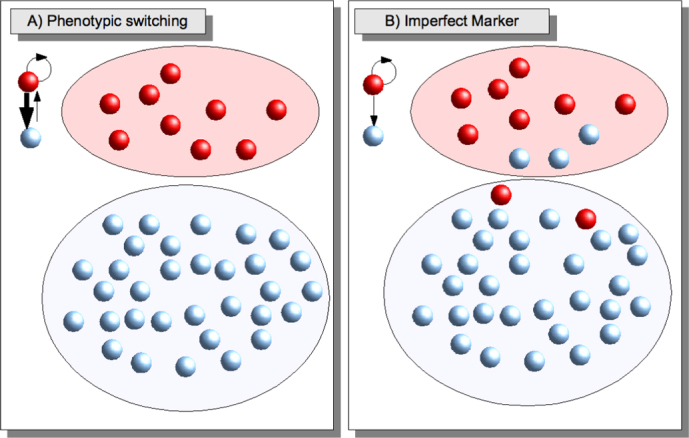
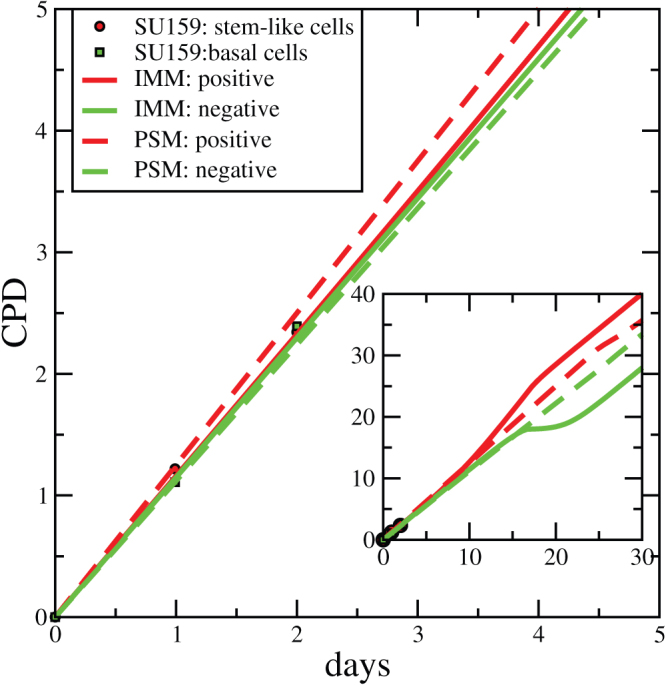
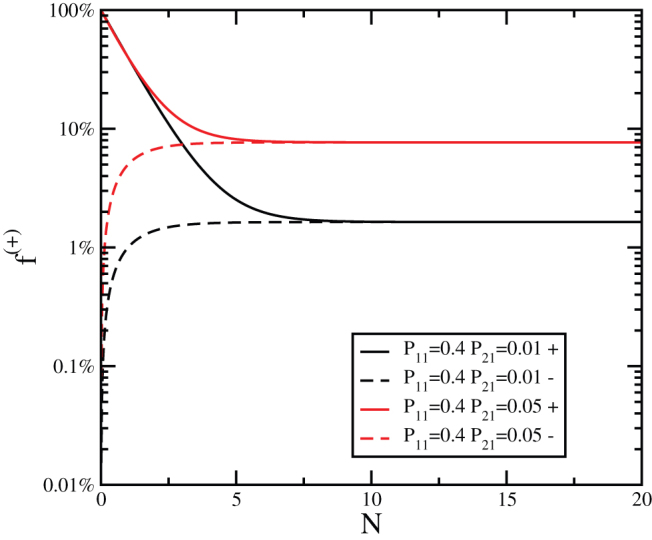
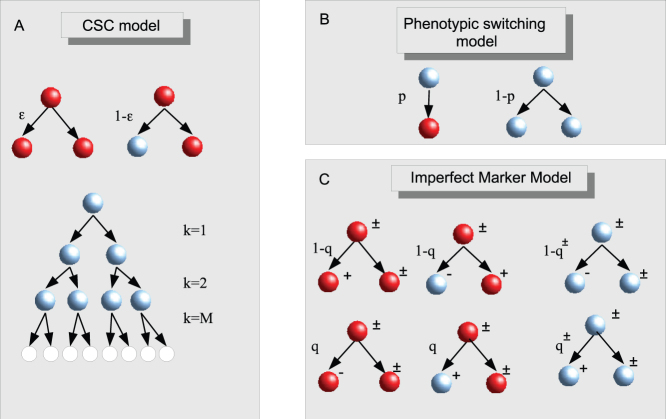
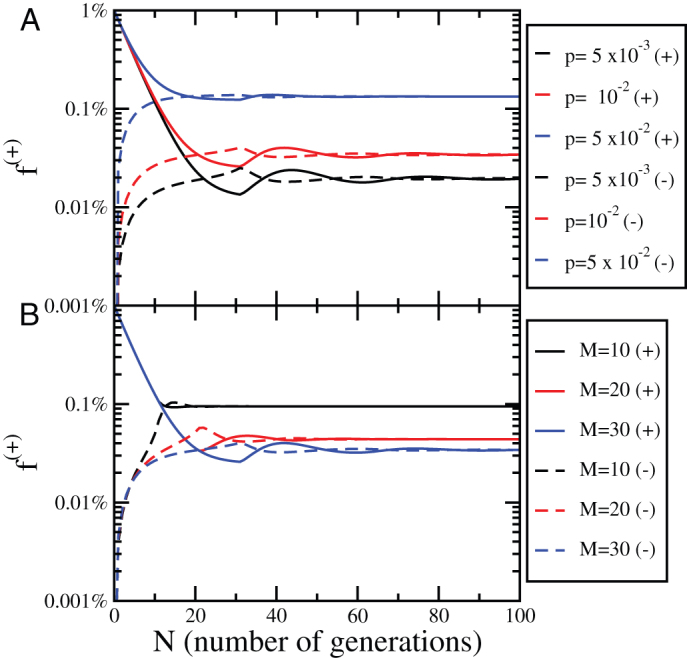
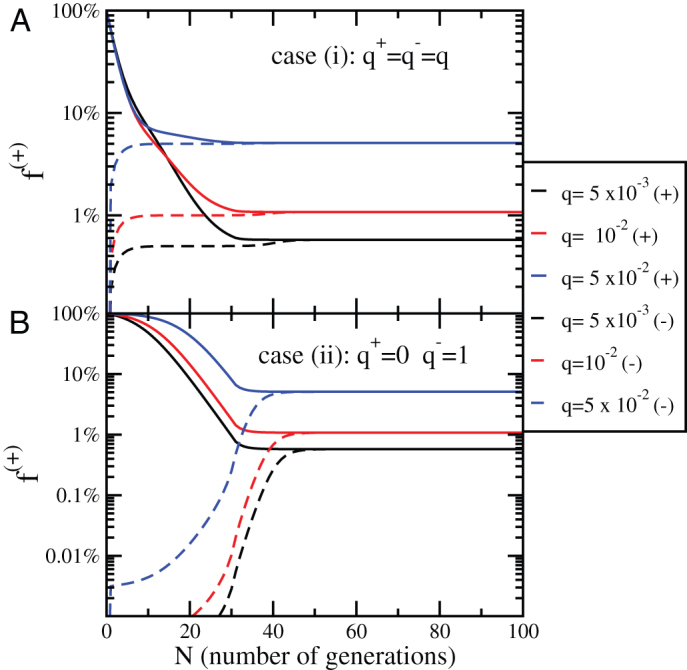
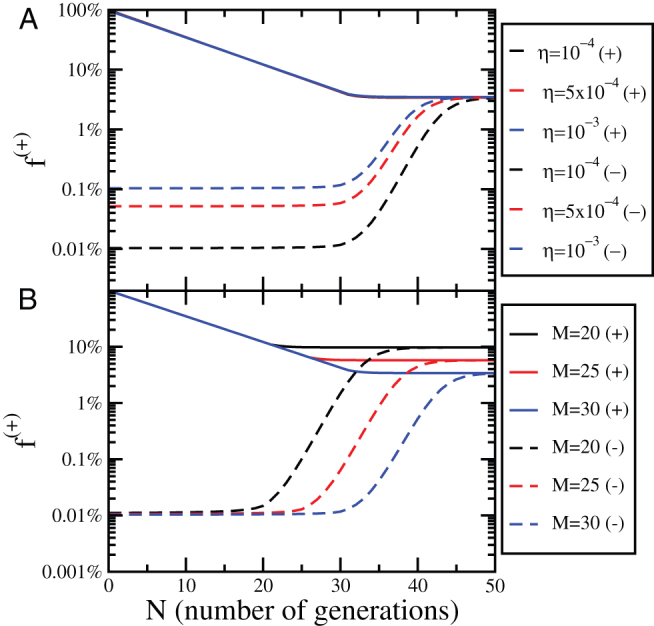
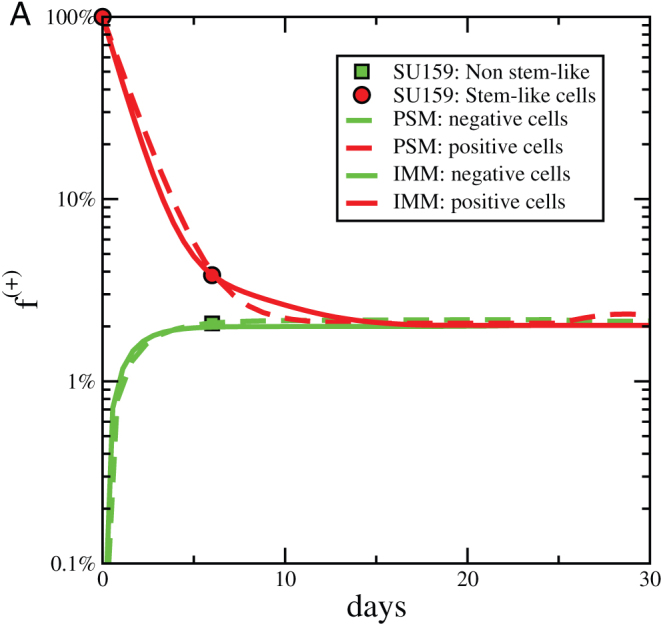
The identification of cancer stem cells in vivo and in vitro relies on specific surface markers that should allow to sort cancer cells in phenotypically distinct subpopulations. Experiments report that sorted cancer cell populations after some time tend to express again all the original markers, leading to the hypothesis of phenotypic switching, according to which cancer cells can transform stochastically into cancer stem cells. Here we explore an alternative explanation based on the hypothesis that markers are not perfect and are thus unable to identify all cancer stem cells. Our analysis is based on a mathematical model for cancer cell proliferation that takes into account phenotypic switching, imperfect markers and error in the sorting process. Our conclusion is that the observation of reversible expression of surface markers after sorting does not provide sufficient evidence in support of phenotypic switching.
在体内和体外鉴定癌症干细胞依赖于特定的表面标志物,这些标志物应该能够将癌症细胞分为表型不同的亚群。实验报告表明,经过一段时间的分选后,癌细胞群体往往会再次表达所有原始标志物,从而导致表型转换的假说,根据该假说,癌细胞可以随机转化为癌症干细胞。在这里,我们根据标记物不完美的假设,探索了一种替代解释,因此无法识别所有癌症干细胞。我们的分析基于一个考虑表型转换、不完美标记物和分选过程中错误的癌细胞增殖数学模型。我们的结论是,在分选后观察到表面标志物的可逆表达并不能为表型转换提供充分的证据支持。