Department of Physiological Sciences, Oklahoma State University, Stillwater, OK 74078, USA.
Microvasc Res. 2012 Sep;84(2):155-60. doi: 10.1016/j.mvr.2012.05.009. Epub 2012 Jun 5.
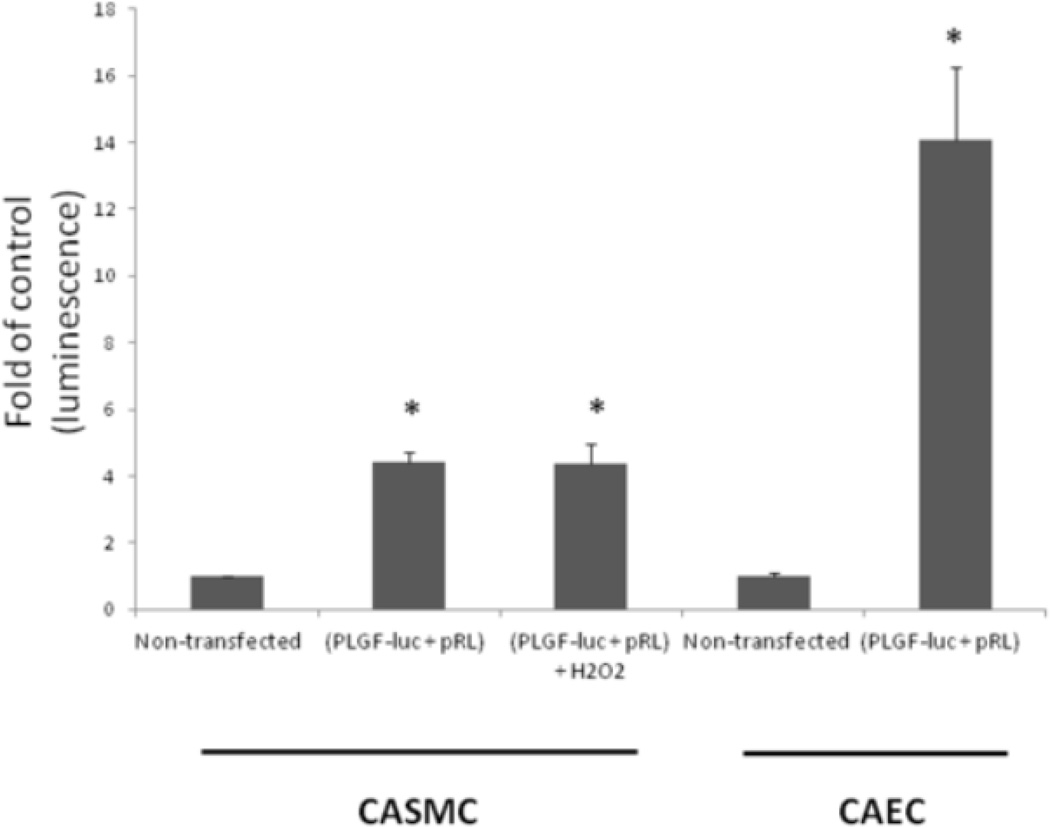
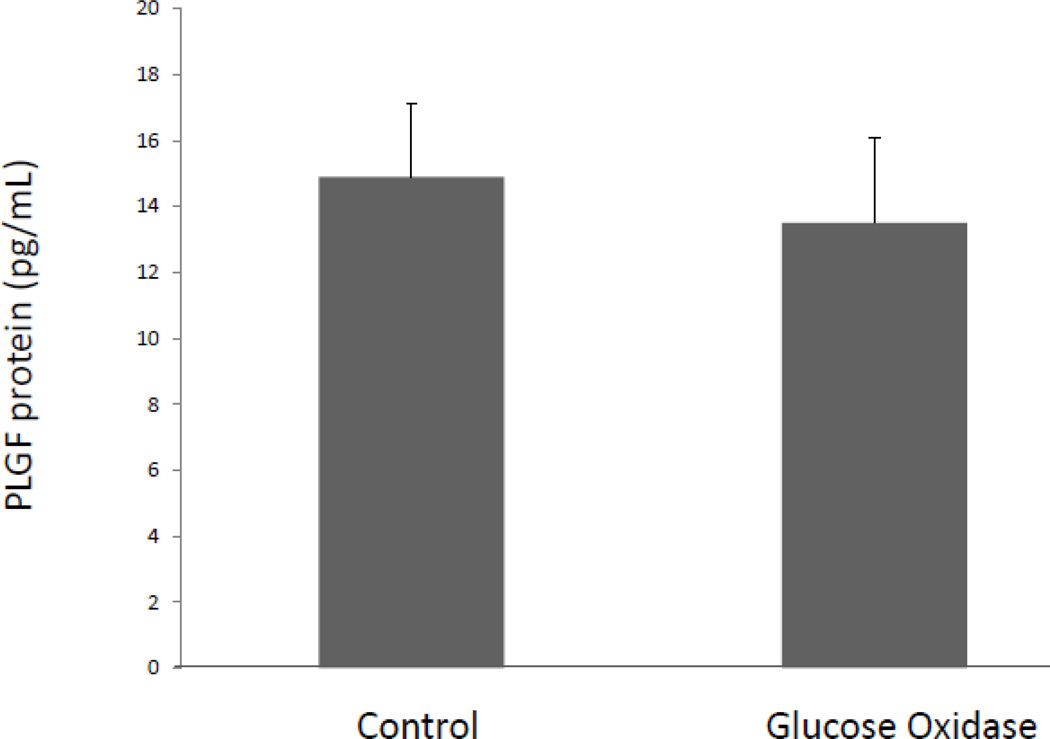
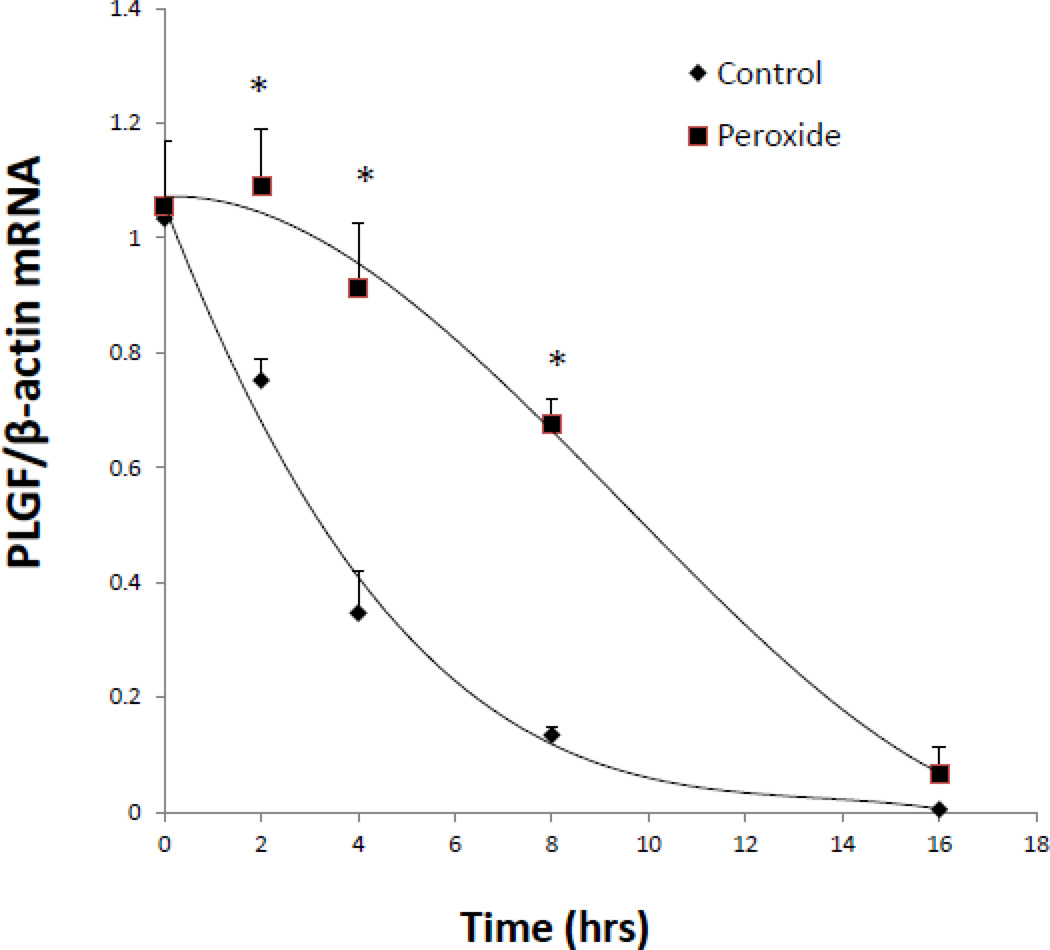
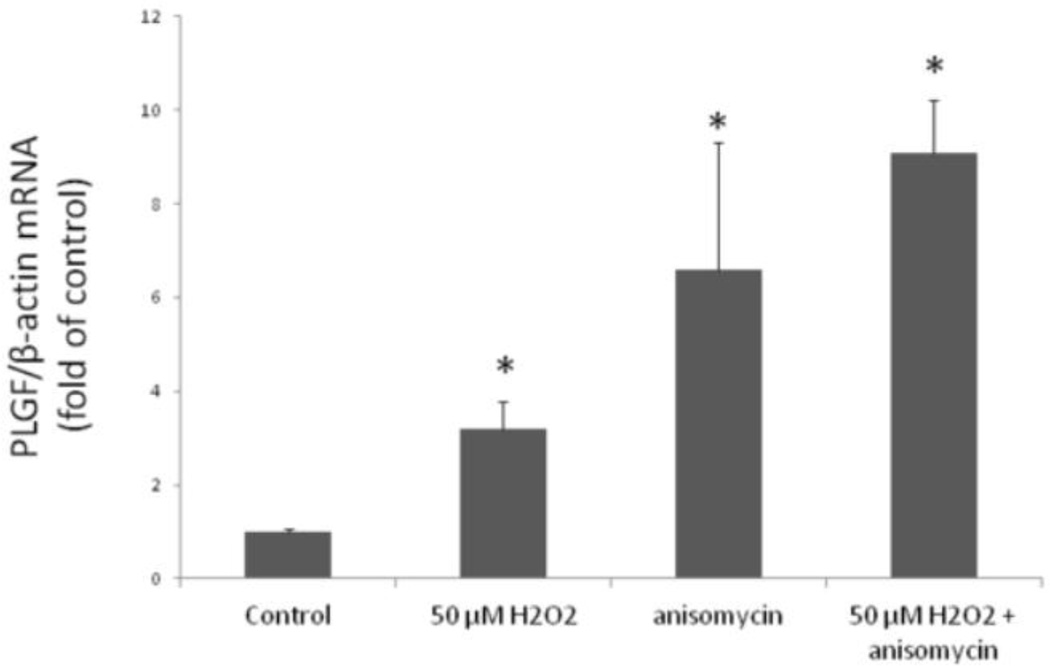
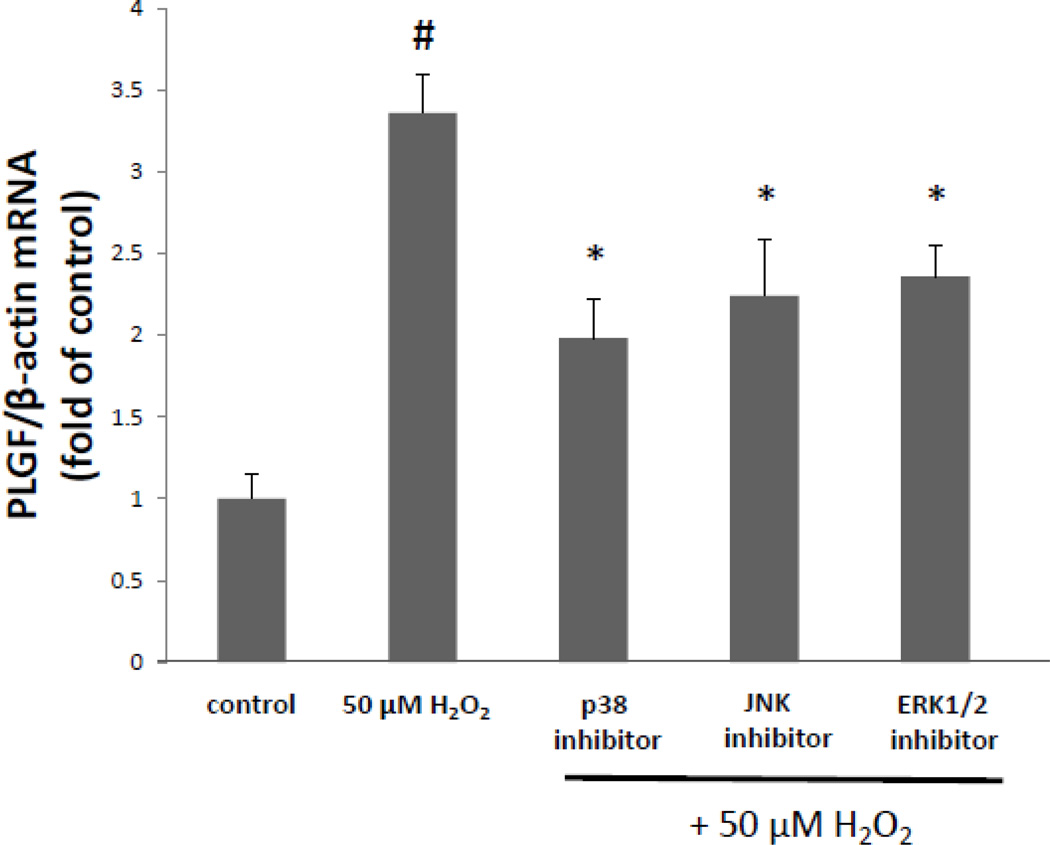
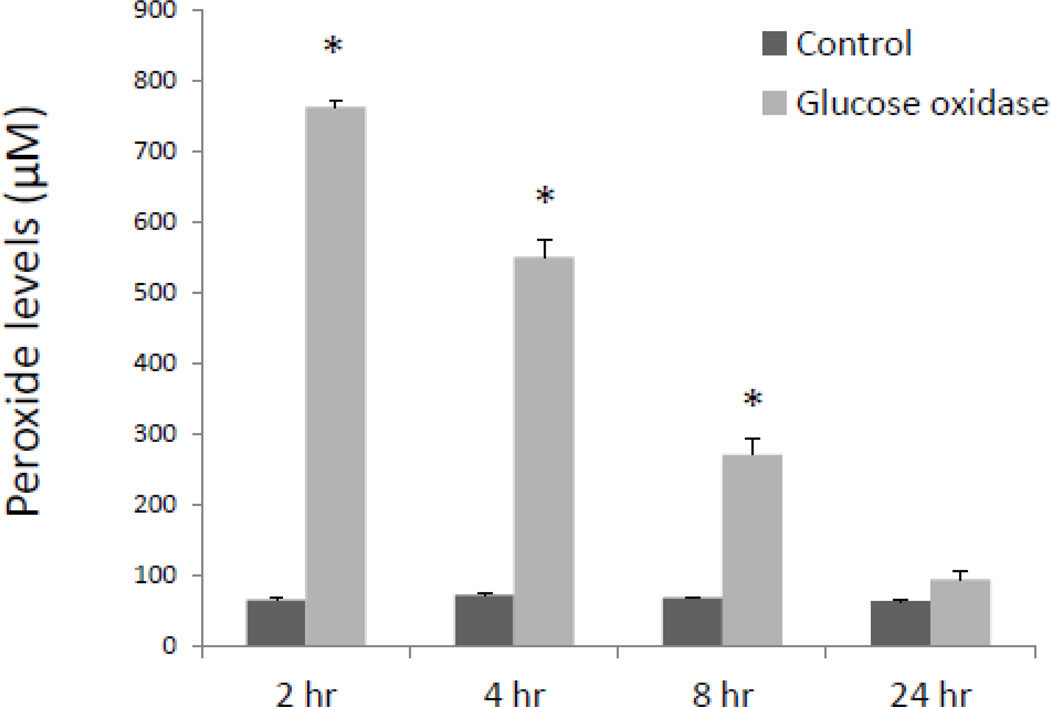
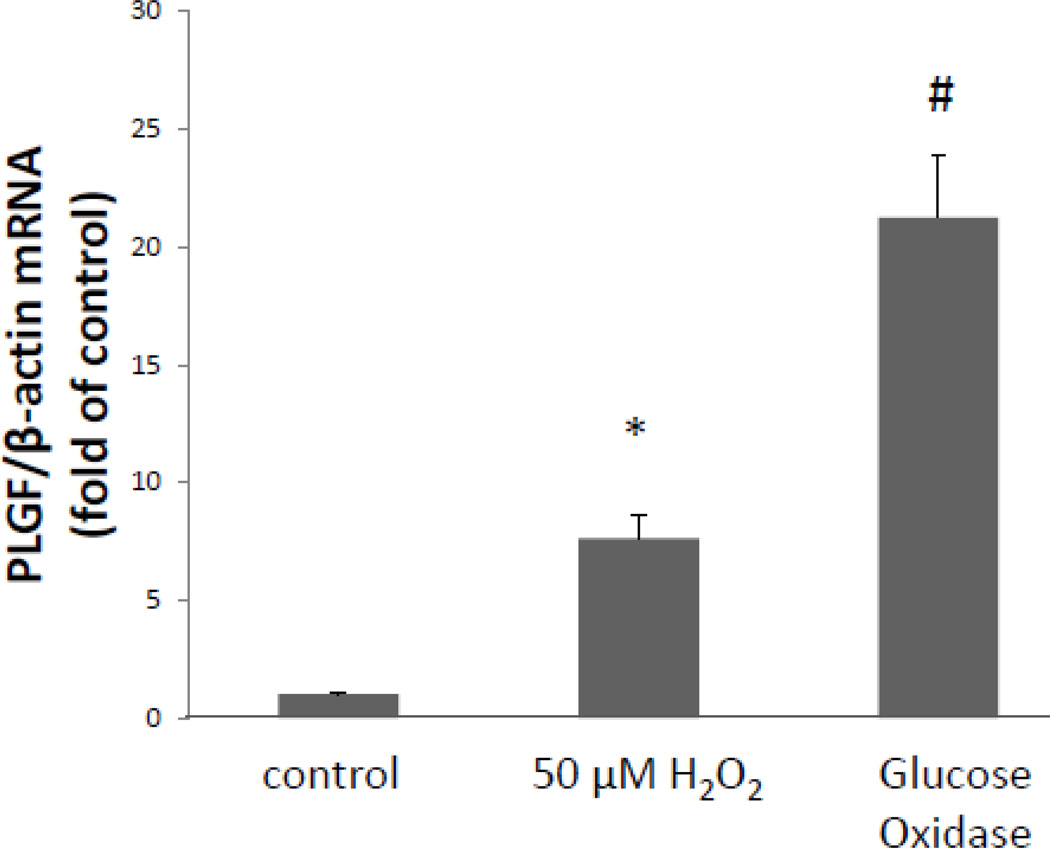
In tissues containing pre-existing collateral vessels, occlusion of an upstream supply artery results in diversion of blood flow through these vessels, protecting the distal tissue from ischemia. The sudden rise in blood flow through collateral vessels exerts shear stress upon the vessel wall, thereby providing the initial stimulus for arteriogenesis. Arteriogenesis, the structural expansion of collateral circulation, involves smooth muscle cell (SMC) proliferation which leads to increased vessel diameter and wall thickness. Since shear is sensed at the level of endothelial cells (EC), communication from EC to the underlying SMC must occur as part of this process. We previously reported that endothelial cells (EC) exposed to shear stress release hydrogen peroxide (H(2)O(2)), and that H(2)O(2) can signal vascular SMC to increase gene and protein expression of placenta growth factor (PLGF), a known mediator of arteriogenesis. The purpose of the current study was to further elucidate the mechanism whereby PLGF is regulated by H(2)O(2). We found that a single, physiological dose of H(2)O(2) increases PLGF mRNA half-life, but has no effect on PLGF promoter activity, in human coronary artery SMC (CASMC). We further demonstrated that the H(2)O(2)-induced increase in PLGF mRNA levels partially relies on p38 MAPK, JNK and ERK1/2 pathways. Finally, we showed that chronic exposure to pathological levels of H(2)O(2) further increases PLGF mRNA levels, but does not result in a corresponding increase in PLGF secreted protein. These data suggest that PLGF regulation has an important translational component. To our knowledge, this is the first study to characterize post-transcriptional regulation of PLGF mRNA by H(2)O(2) in vascular SMC. These findings provide new insights into the regulation of this important growth factor and increase our understanding of PLGF-driven arteriogenesis.
在含有预先存在的侧支血管的组织中,上游供应动脉的闭塞会导致血流通过这些血管分流,从而保护远端组织免受缺血。侧支血管中的血流突然增加会对血管壁施加剪切力,从而为血管生成提供最初的刺激。血管生成,即侧支循环的结构扩张,涉及平滑肌细胞 (SMC) 的增殖,这导致血管直径和壁厚度增加。由于剪切力是在内皮细胞 (EC) 水平上感觉到的,因此 EC 与下面的 SMC 之间的通信必须作为这个过程的一部分发生。我们之前报道过,暴露于剪切力下的内皮细胞 (EC) 会释放过氧化氢 (H2O2),而 H2O2 可以信号转导血管平滑肌细胞增加胎盘生长因子 (PLGF) 的基因和蛋白表达,PLGF 是血管生成的已知介质。本研究的目的是进一步阐明 H2O2 调节 PLGF 的机制。我们发现,生理剂量的 H2O2 可增加人冠状动脉平滑肌细胞 (CASMC) 中 PLGF mRNA 的半衰期,但对 PLGF 启动子活性没有影响。我们进一步证明,H2O2 诱导的 PLGF mRNA 水平增加部分依赖于 p38 MAPK、JNK 和 ERK1/2 途径。最后,我们表明,慢性暴露于病理水平的 H2O2 进一步增加 PLGF mRNA 水平,但不会导致 PLGF 分泌蛋白相应增加。这些数据表明 PLGF 调节具有重要的翻译成分。据我们所知,这是第一项研究 H2O2 在血管平滑肌细胞中对 PLGF mRNA 进行转录后调节的研究。这些发现为这种重要生长因子的调节提供了新的见解,并增加了我们对 PLGF 驱动的血管生成的理解。