Department of Pharmaceutical Sciences, University of Connecticut, Storrs, CT, USA.
J Pharm Pharmacol. 2012 Jul;64(7):986-96. doi: 10.1111/j.2042-7158.2012.01482.x. Epub 2012 Mar 8.
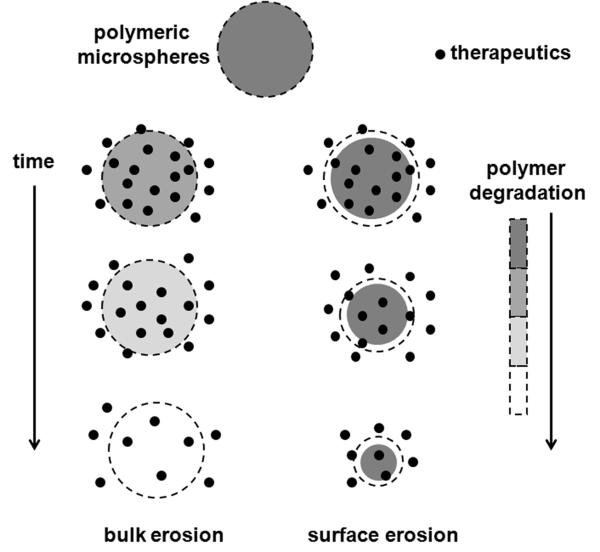
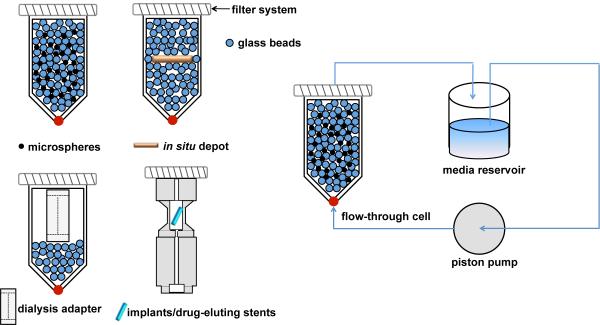
This review highlights current methods and strategies for accelerated in-vitro drug release testing of extended-release parenteral dosage forms such as polymeric microparticulate systems, lipid microparticulate systems, in-situ depot-forming systems and implants.
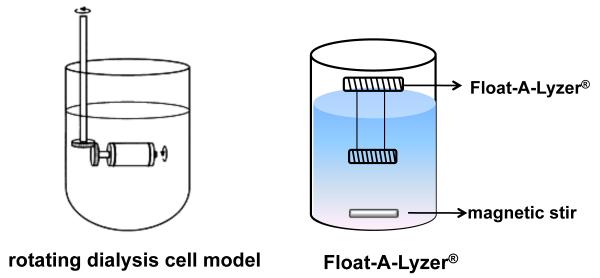
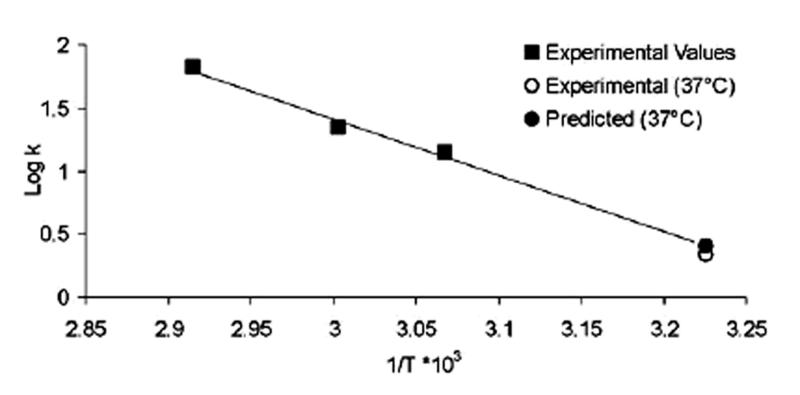
Extended-release parenteral dosage forms are typically designed to maintain the effective drug concentration over periods of weeks, months or even years. Consequently, 'real-time' in-vitro release tests for these dosage forms are often run over a long time period. Accelerated in-vitro release methods can provide rapid evaluation and therefore are desirable for quality control purposes. To this end, different accelerated in-vitro release methods using United States Pharmacopeia (USP) apparatus have been developed. Different mechanisms of accelerating drug release from extended-release parenteral dosage forms, along with the accelerated in-vitro release testing methods currently employed are discussed.
Accelerated in-vitro release testing methods with good discriminatory ability are critical for quality control of extended-release parenteral products. Methods that can be used in the development of in-vitro-in-vivo correlation (IVIVC) are desirable; however, for complex parenteral products this may not always be achievable.
本综述重点介绍了加速控释型注射剂(如聚合物微球系统、脂质微球系统、原位形成储库系统和植入剂)体外药物释放试验的现行方法和策略。
控释型注射剂通常旨在使有效药物浓度在数周、数月甚至数年的时间内保持稳定。因此,这些剂型的“实时”体外释放试验通常需要进行很长一段时间。加速的体外释放方法可以提供快速评估,因此是质量控制的理想选择。为此,已经开发了使用美国药典(USP)仪器的不同加速体外释放方法。讨论了加速控释型注射剂药物释放的不同机制,以及目前使用的加速体外释放试验方法。
具有良好区分能力的加速体外释放试验方法对于控释型注射产品的质量控制至关重要。对于复杂的注射剂产品,理想的方法是可以用于建立体外-体内相关性(IVIVC)的方法;然而,这在实际中并不总是可行的。