Microcirculation Laboratory and Joslin-Beth Israel Deaconess Foot Center, Beth Israel Deaconess Medical Center, Harvard Medical School, Boston, MA, USA.
Diabetes. 2012 Nov;61(11):2937-47. doi: 10.2337/db12-0227. Epub 2012 Jun 11.
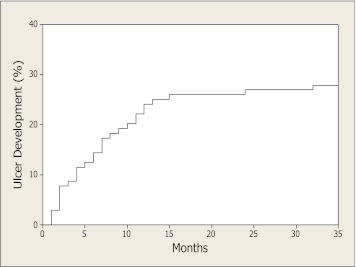
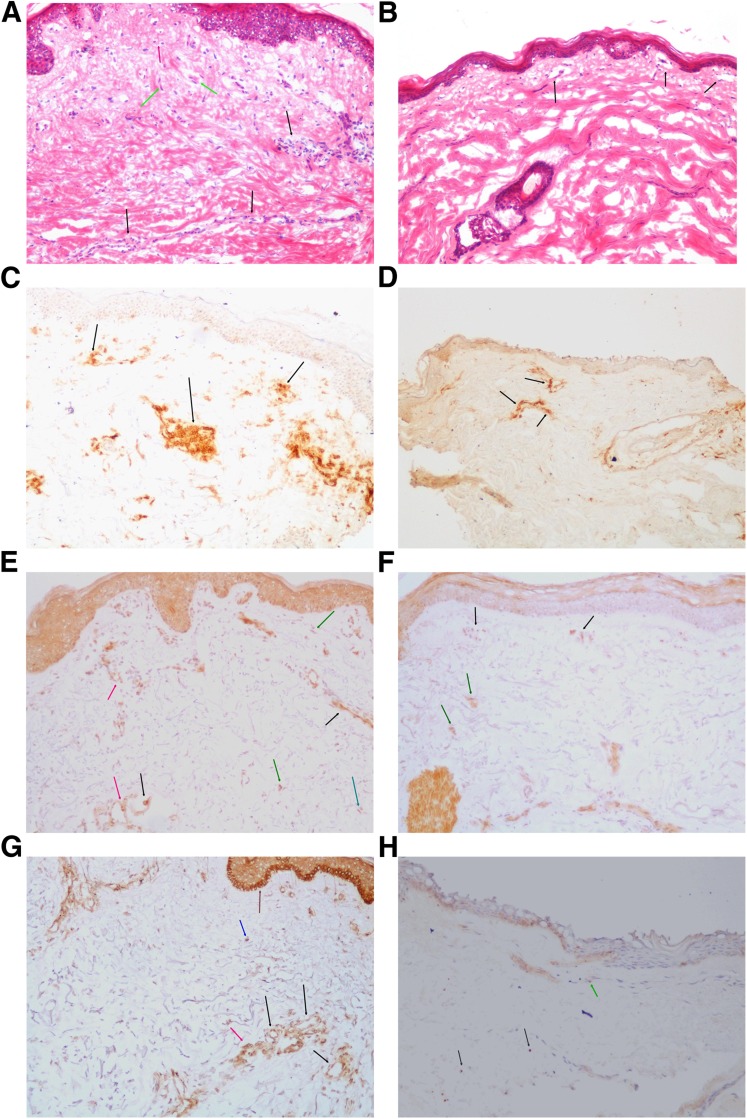
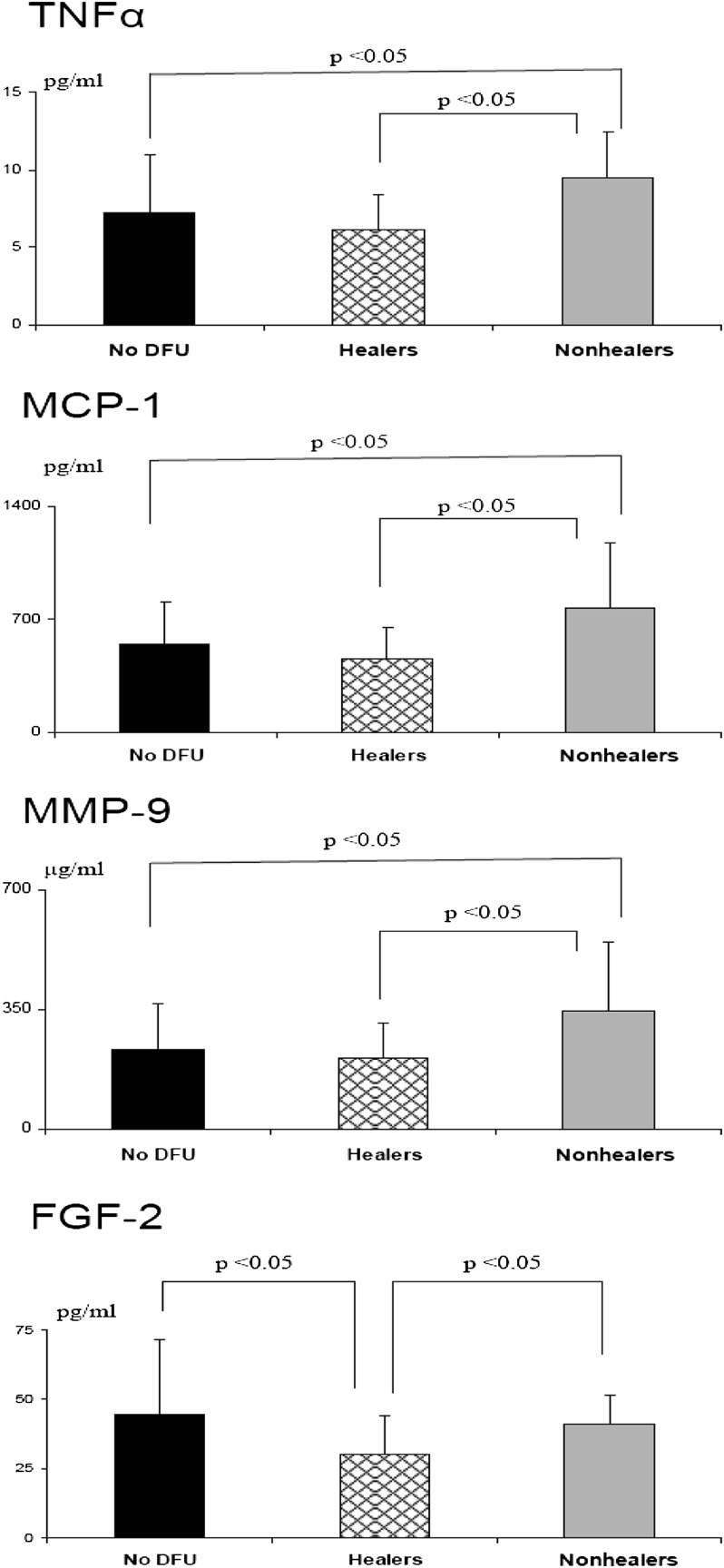
We examined the role of vascular function and inflammation in the development and failure to heal diabetic foot ulcers (DFUs). We followed 104 diabetic patients for a period of 18.4 ± 10.8 months. At the beginning of the study, we evaluated vascular reactivity and serum inflammatory cytokines and growth factors. DFUs developed in 30 (29%) patients. DFU patients had more severe neuropathy, higher white blood cell count, and lower endothelium-dependent and -independent vasodilation in the macrocirculation. Complete ulcer healing was achieved in 16 (53%) patients, whereas 13 (47%) patients did not heal. There were no differences in the above parameters between the two groups, but patients whose ulcers failed to heal had higher tumor necrosis factor-α, monocyte chemoattractant protein-1, matrix metallopeptidase 9 (MMP-9), and fibroblast growth factor 2 serum levels when compared with those who healed. Skin biopsy analysis showed that compared with control subjects, diabetic patients had increased immune cell infiltration, expression of MMP-9, and protein tyrosine phosphatase-1B (PTP1B), which negatively regulates the signaling of insulin, leptin, and growth factors. We conclude that increased inflammation, expression of MMP-9, PTP1B, and aberrant growth factor levels are the main factors associated with failure to heal DFUs. Targeting these factors may prove helpful in the management of DFUs.
我们研究了血管功能和炎症在糖尿病足溃疡(DFU)的发生和愈合失败中的作用。我们对 104 例糖尿病患者进行了为期 18.4±10.8 个月的随访。在研究开始时,我们评估了血管反应性和血清炎症细胞因子和生长因子。30 例(29%)患者发生了 DFU。DFU 患者的神经病变更严重,白细胞计数更高,且大循环中的内皮依赖性和非依赖性血管扩张功能更低。16 例(53%)患者的溃疡完全愈合,而 13 例(47%)患者的溃疡未愈合。两组之间上述参数没有差异,但溃疡未愈合的患者血清肿瘤坏死因子-α、单核细胞趋化蛋白-1、基质金属蛋白酶 9(MMP-9)和纤维母细胞生长因子 2 水平高于愈合的患者。皮肤活检分析显示,与对照组相比,糖尿病患者的免疫细胞浸润增加,MMP-9 和蛋白酪氨酸磷酸酶 1B(PTP1B)的表达增加,后者负调节胰岛素、瘦素和生长因子的信号转导。我们得出结论,炎症增加、MMP-9、PTP1B 和异常生长因子水平是与 DFU 愈合失败相关的主要因素。针对这些因素可能有助于 DFU 的管理。