Department of Biology, Randolph Macon College, Ashland, VA 23005, USA.
Neural Plast. 2012;2012:351752. doi: 10.1155/2012/351752. Epub 2012 May 28.
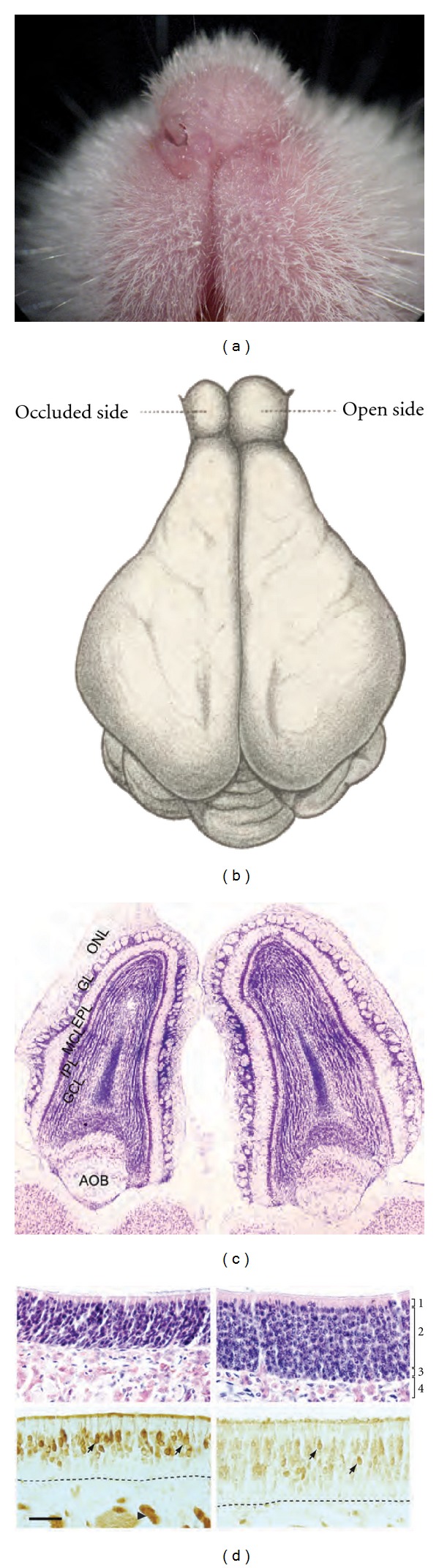
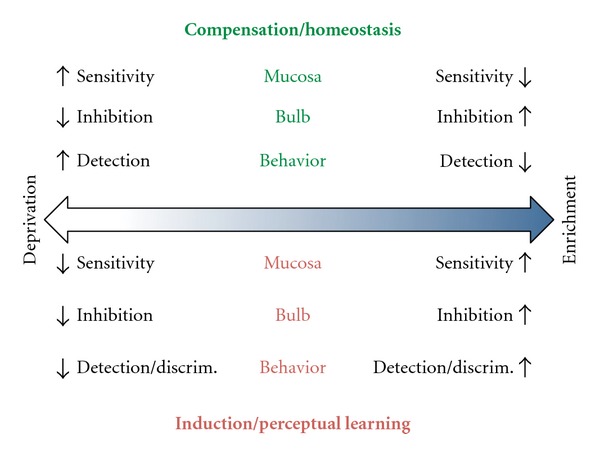
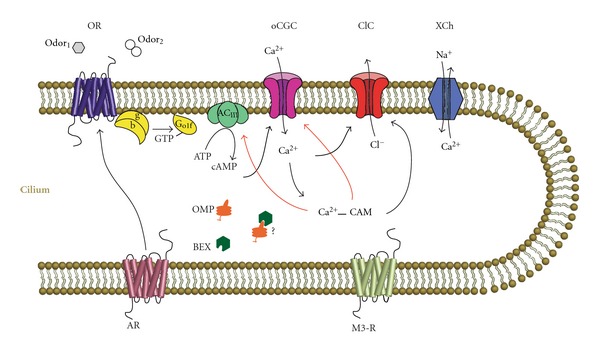
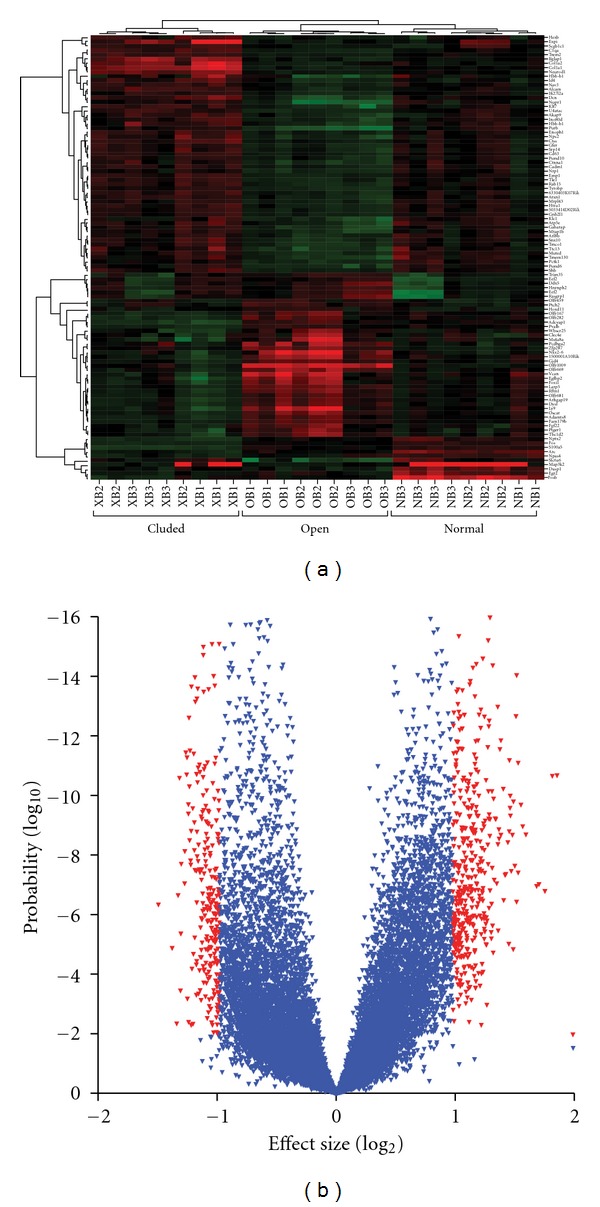
Unilateral naris occlusion has long been the method of choice for effecting stimulus deprivation in studies of olfactory plasticity. A significant body of literature speaks to the myriad consequences of this manipulation on the ipsilateral olfactory pathway. Early experiments emphasized naris occlusion's deleterious and age-critical effects. More recent studies have focused on life-long vulnerability, particularly on neurogenesis, and compensatory responses to deprivation. Despite the abundance of empirical data, a theoretical framework in which to understand the many sequelae of naris occlusion on olfaction has been elusive. This paper focuses on recent data, new theories, and underappreciated caveats related to the use of this technique in studies of olfactory plasticity.
单侧鼻腔阻塞长期以来一直是嗅觉可塑性研究中实现刺激剥夺的首选方法。大量文献讨论了这种操作对同侧嗅觉通路的多种影响。早期实验强调了鼻腔阻塞的有害和年龄关键作用。最近的研究集中在终身脆弱性上,特别是在神经发生和对剥夺的补偿反应上。尽管有大量的经验数据,但对于理解鼻腔阻塞对嗅觉的许多后果的理论框架一直难以捉摸。本文重点介绍了与嗅觉可塑性研究中使用这种技术相关的最新数据、新理论和被低估的注意事项。