Benoit Stéphane L, McMurry Jonathan L, Hill Stephanie A, Maier Robert J
Department of Microbiology, University of Georgia, 805 Biological Sciences Bldg., Athens, GA, USA.
Biochim Biophys Acta. 2012 Oct;1820(10):1519-25. doi: 10.1016/j.bbagen.2012.06.002. Epub 2012 Jun 12.
The gastric pathogen Helicobacter pylori relies on nickel-containing urease and hydrogenase enzymes in order to colonize the host. Incorporation of Ni(2+) into urease is essential for the function of the enzyme and requires the action of several accessory proteins, including the hydrogenase accessory proteins HypA and HypB and the urease accessory proteins UreE, UreF, UreG and UreH.
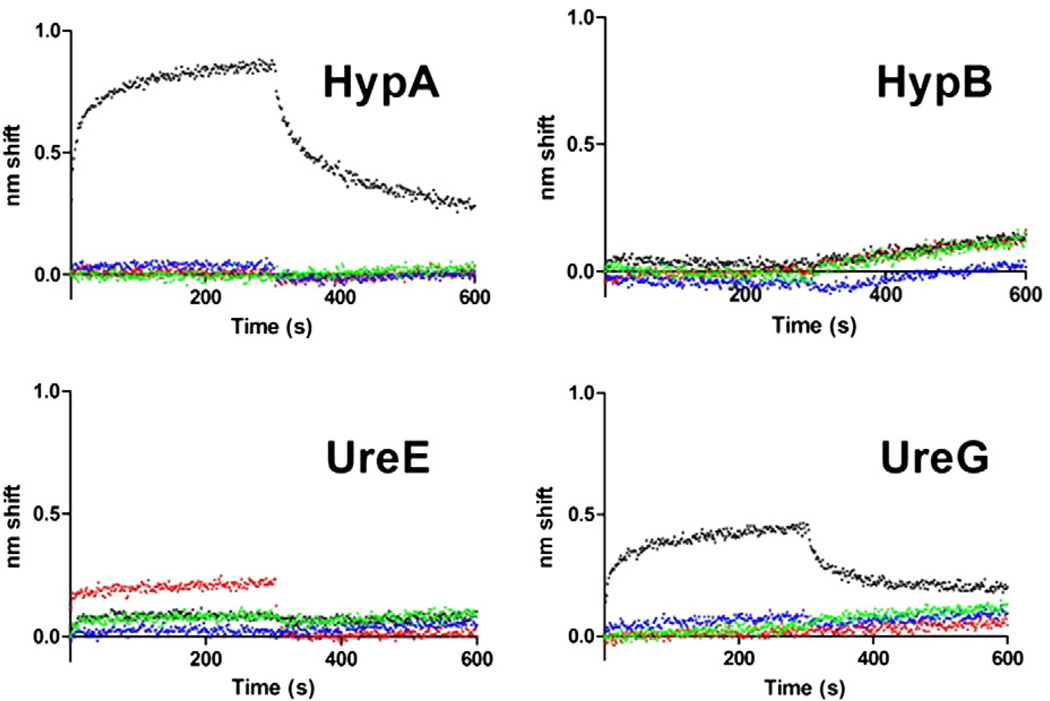
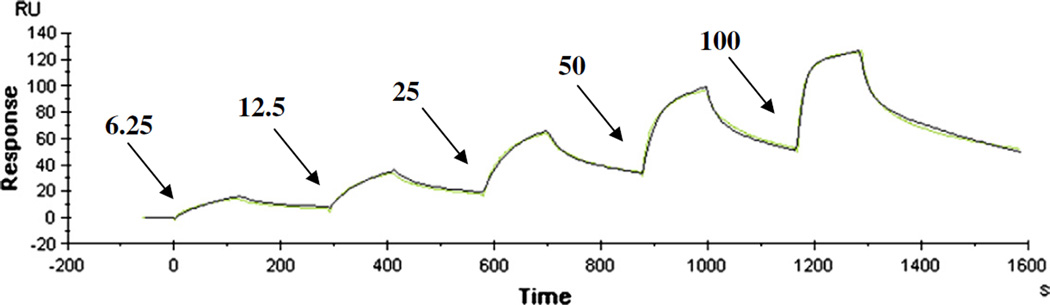
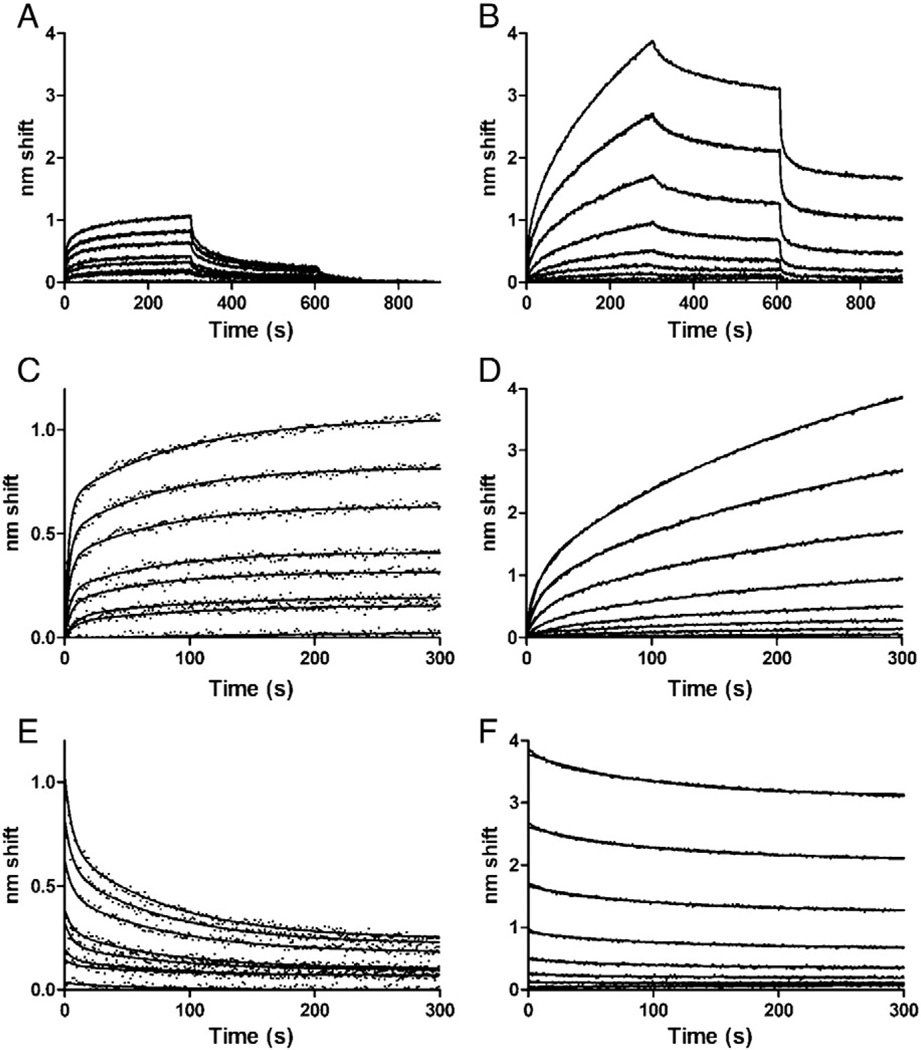
Optical biosensing methods (biolayer interferometry and plasmon surface resonance) were used to screen for interactions between HypA, HypB, UreE and UreG.
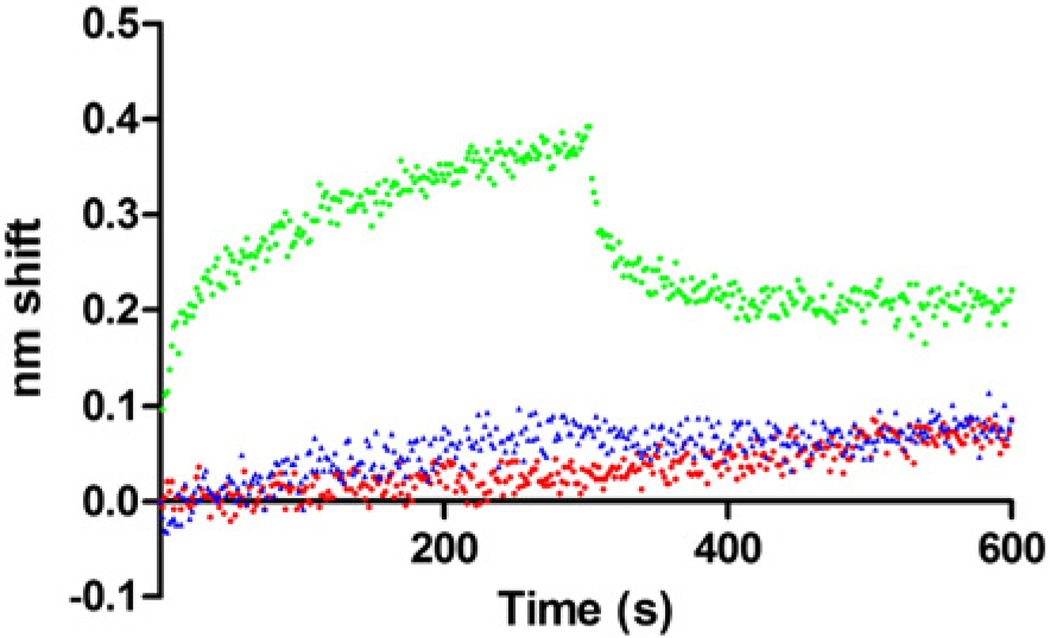
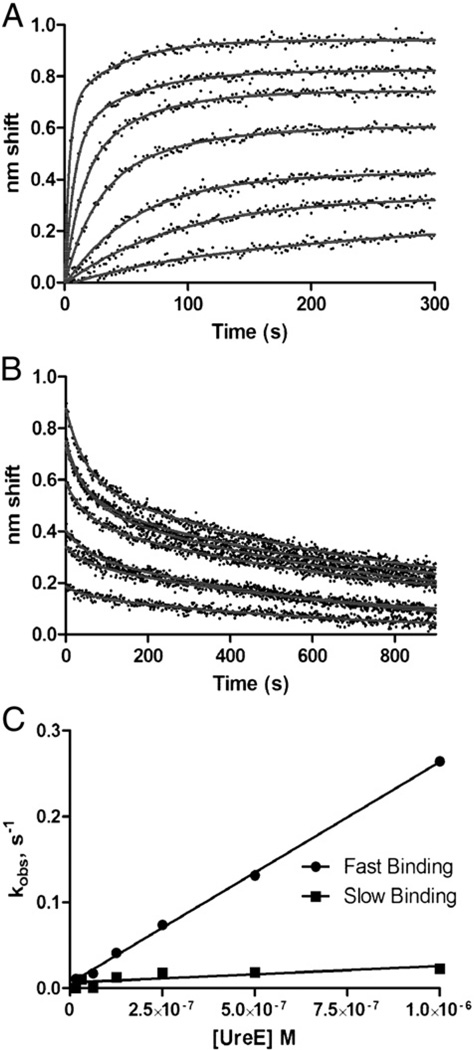
Using both methods, affinity constants were found to be 5nM and 13nM for HypA-UreE and 8μM and 14μM for UreG-UreE. Neither Zn(2+) nor Ni(2+) had an effect on the kinetics or stability of the HypA-UreE complex. By contrast, addition of Zn(2+), but not Ni(2+), altered the kinetics and greatly increased the stability of the UreE-UreG complex, likely due in part to Zn(2+)-mediated oligomerization of UreE. Finally our results unambiguously show that HypA, UreE and UreG cannot form a heterotrimeric protein complex in vitro; instead, HypA and UreG compete with each other for UreE recognition.
Factors influencing the pathogen's nickel budget are important to understand pathogenesis and for future drug design.
胃病原体幽门螺杆菌依靠含镍的脲酶和氢化酶来定殖于宿主。将Ni(2+)掺入脲酶对于该酶的功能至关重要,并且需要几种辅助蛋白的作用,包括氢化酶辅助蛋白HypA和HypB以及脲酶辅助蛋白UreE、UreF、UreG和UreH。
使用光学生物传感方法(生物层干涉术和表面等离子体共振)筛选HypA、HypB、UreE和UreG之间的相互作用。
使用这两种方法,发现HypA-UreE的亲和常数分别为5nM和13nM,UreG-UreE的亲和常数分别为8μM和14μM。Zn(2+)和Ni(2+)均对HypA-UreE复合物的动力学或稳定性没有影响。相比之下,添加Zn(2+)而非Ni(2+)会改变动力学并大大增加UreE-UreG复合物的稳定性,这可能部分归因于Zn(2+)介导的UreE寡聚化。最后,我们的结果明确表明,HypA、UreE和UreG在体外不能形成异源三聚体蛋白复合物;相反,HypA和UreG相互竞争以识别UreE。
影响病原体镍平衡的因素对于理解发病机制和未来药物设计很重要。