Department of Anesthesiology, University of Rochester School of Medicine and Dentistry, Rochester, New York, USA.
Diabetes. 2012 Aug;61(8):2093-104. doi: 10.2337/db11-1640. Epub 2012 Jun 14.
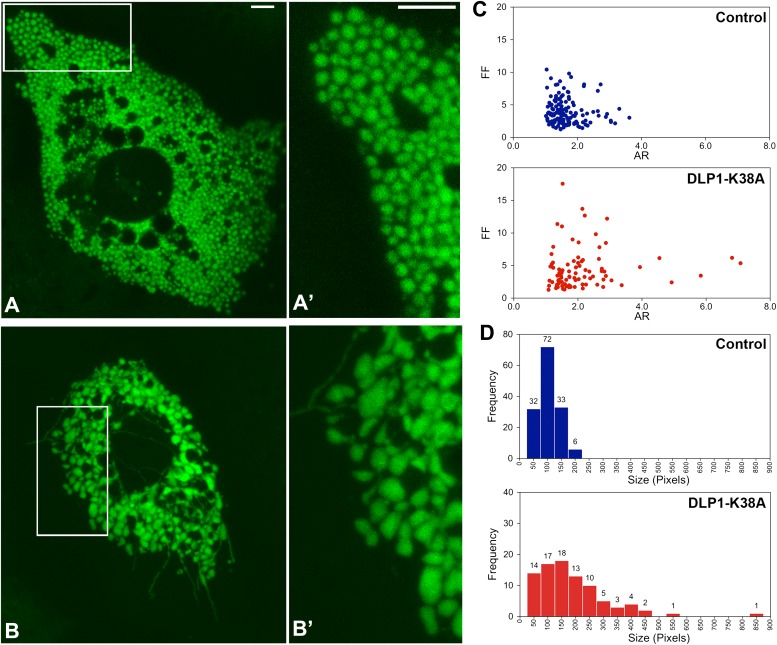
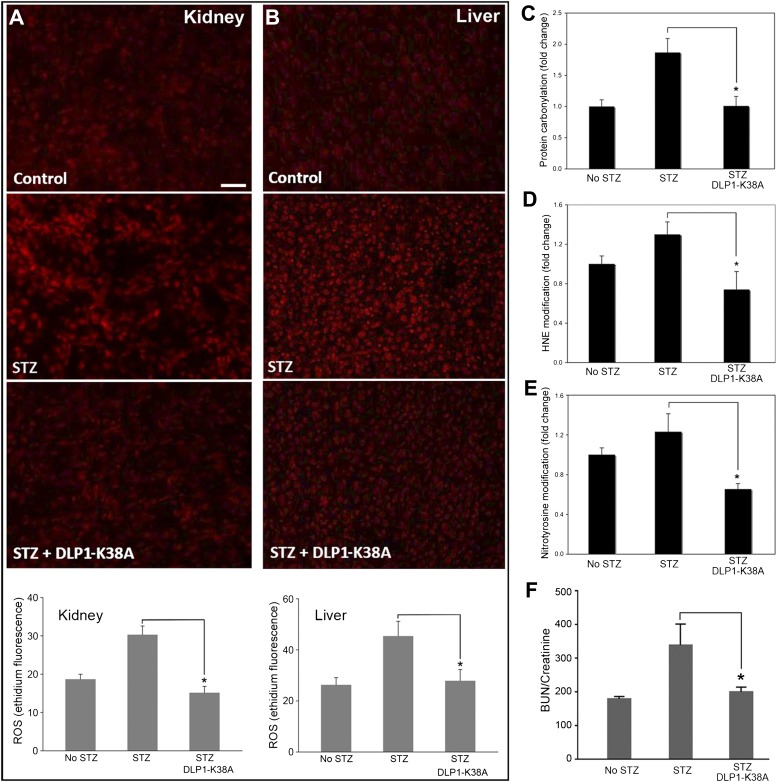
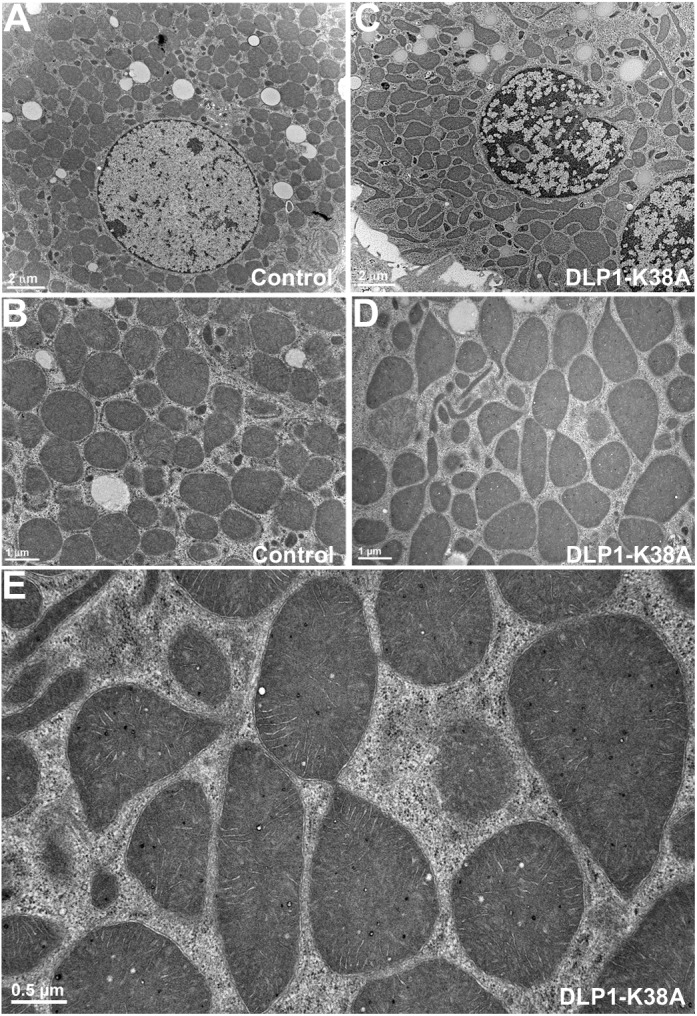
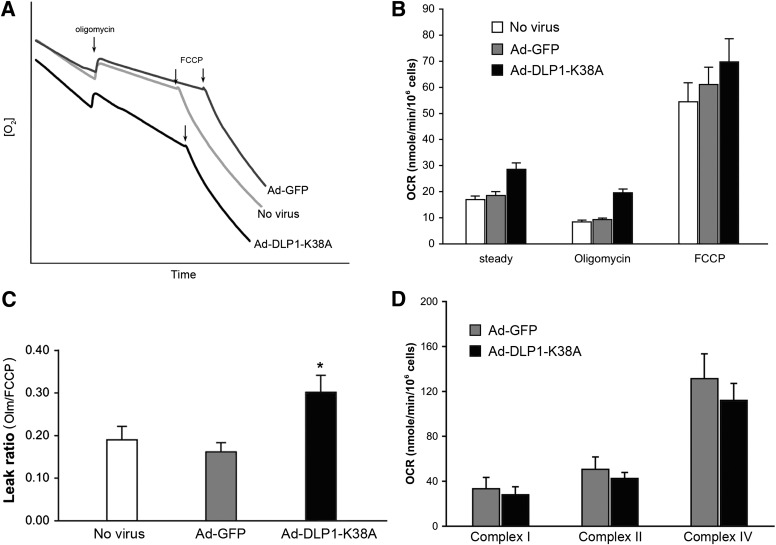
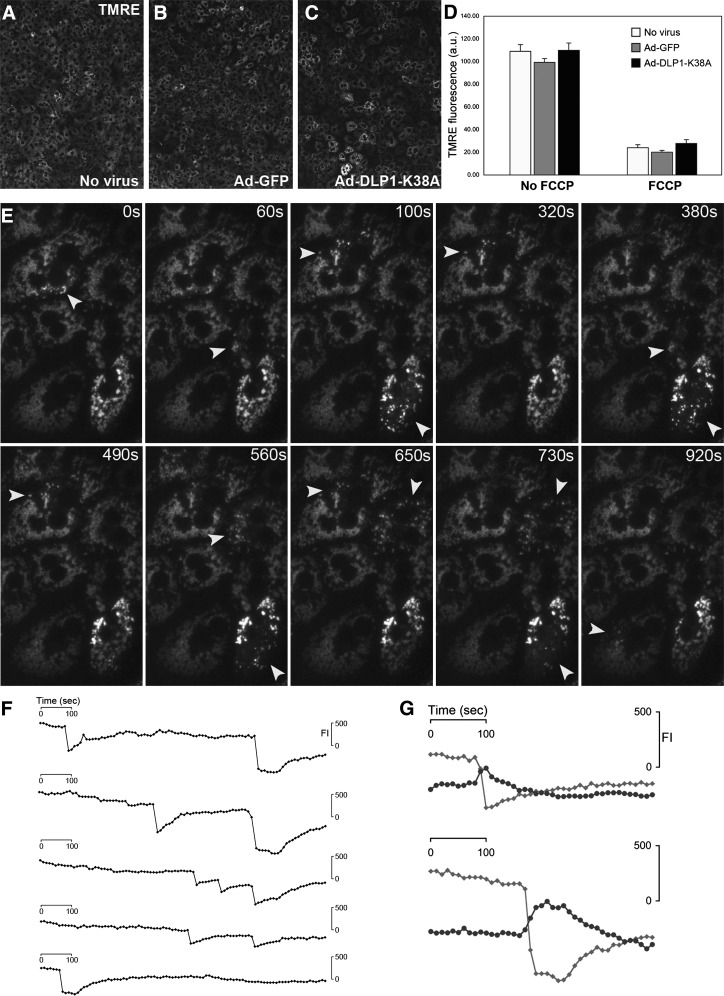
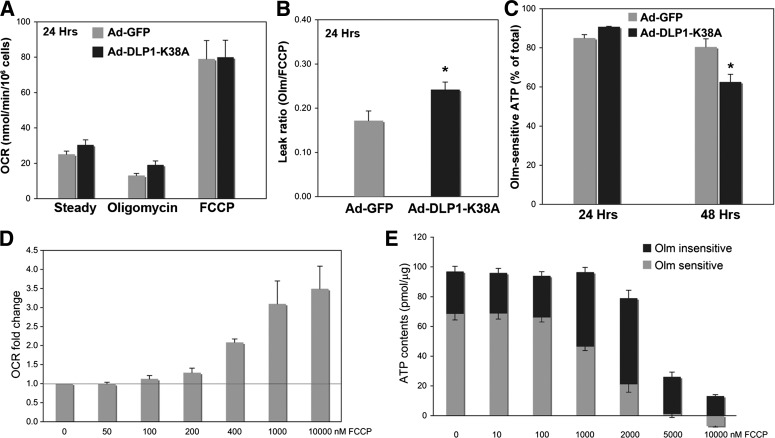
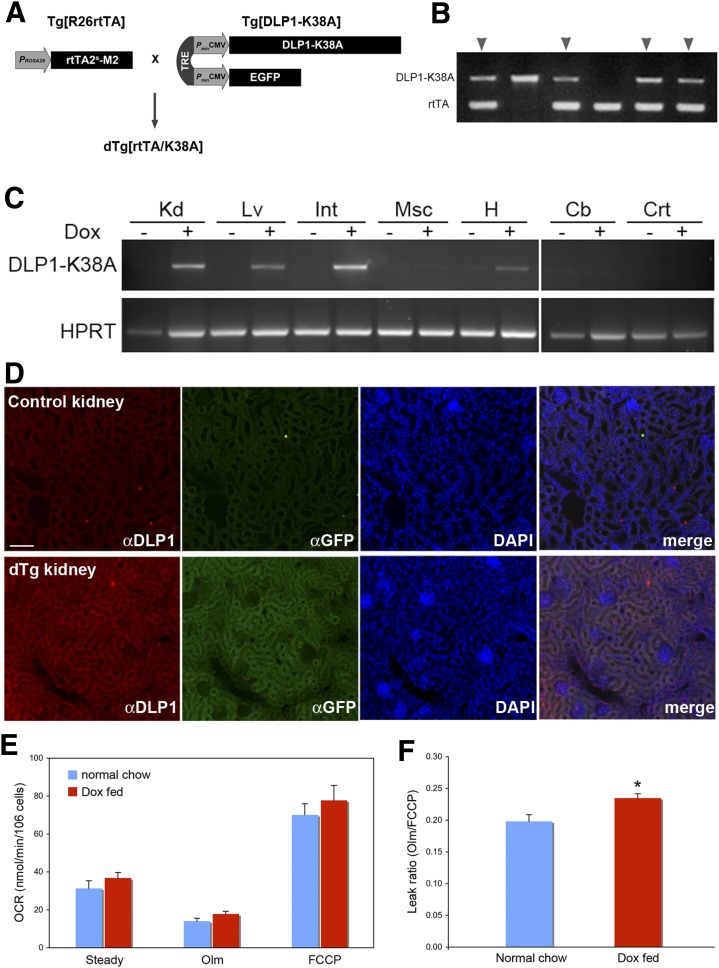
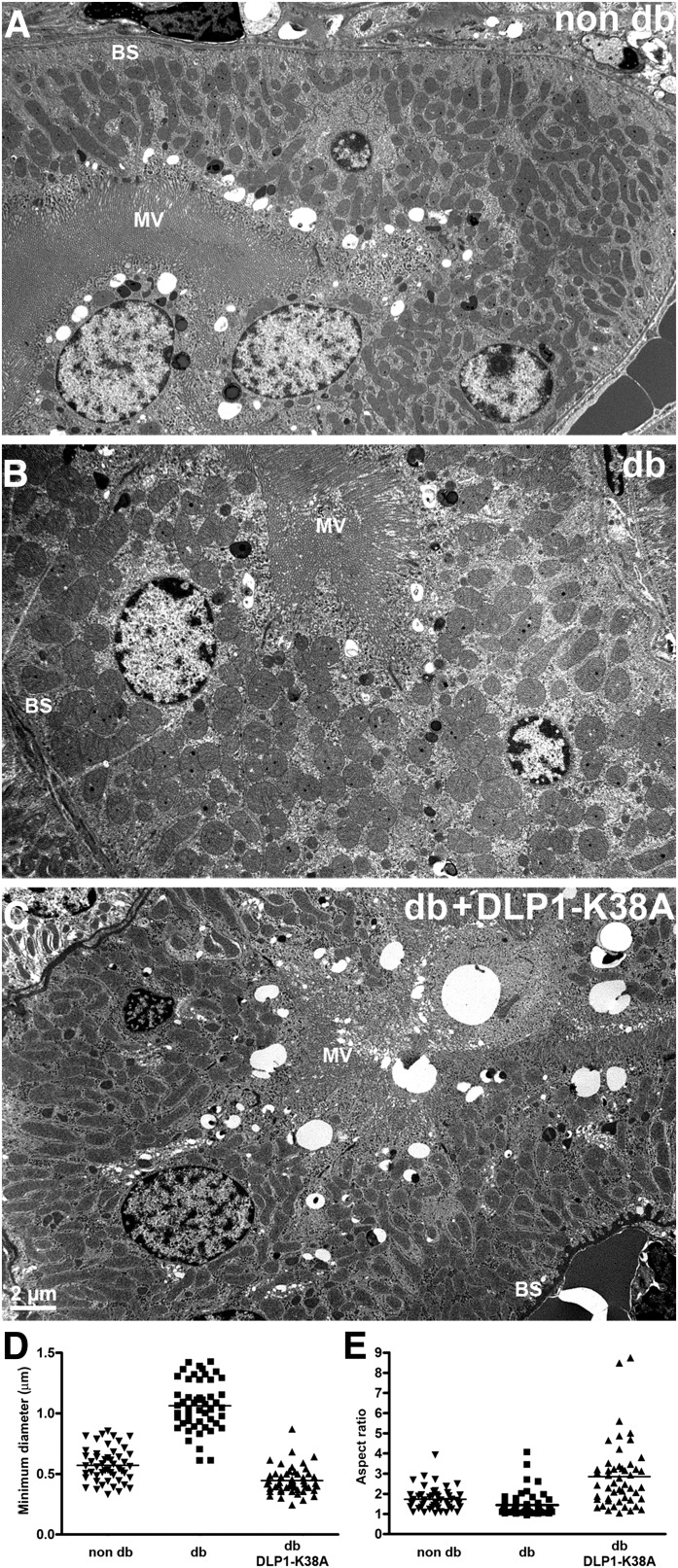
Mitochondria are the essential eukaryotic organelles that produce most cellular energy. The energy production and supply by mitochondria appear closely associated with the continuous shape change of mitochondria mediated by fission and fusion, as evidenced not only by the hereditary diseases caused by mutations in fission/fusion genes but also by aberrant mitochondrial morphologies associated with numerous pathologic insults. However, how morphological change of mitochondria is linked to their energy-producing activity is poorly understood. In this study, we found that perturbation of mitochondrial fission induces a unique mitochondrial uncoupling phenomenon through a large-scale fluctuation of a mitochondrial inner membrane potential. Furthermore, by genetically controlling mitochondrial fission and thereby inducing mild proton leak in mice, we were able to relieve these mice from oxidative stress in a hyperglycemic model. These findings provide mechanistic insight into how mitochondrial fission participates in regulating mitochondrial activity. In addition, these results suggest a potential application of mitochondrial fission to control mitochondrial reactive oxygen species production and oxidative stress in many human diseases.
线粒体是产生大多数细胞能量的必需真核细胞器。线粒体的能量产生和供应似乎与线粒体分裂和融合介导的连续形态变化密切相关,这不仅可以从分裂/融合基因突变引起的遗传性疾病中得到证明,还可以从与许多病理损伤相关的异常线粒体形态中得到证明。然而,线粒体形态的变化如何与它们的产能量联系起来,目前还知之甚少。在这项研究中,我们发现线粒体分裂的扰动通过线粒体内膜电位的大规模波动诱导了一种独特的线粒体解偶联现象。此外,通过遗传控制线粒体分裂,从而在小鼠中诱导轻微的质子泄漏,我们能够在高血糖模型中缓解这些小鼠的氧化应激。这些发现为线粒体分裂如何参与调节线粒体活性提供了机制上的见解。此外,这些结果表明,线粒体分裂有可能控制许多人类疾病中线粒体活性氧的产生和氧化应激。