Children's Health Research Institute, Department of Obstetrics, The University of Western Ontario, London, Ontario, Canada.
PLoS One. 2012;7(6):e38082. doi: 10.1371/journal.pone.0038082. Epub 2012 Jun 11.
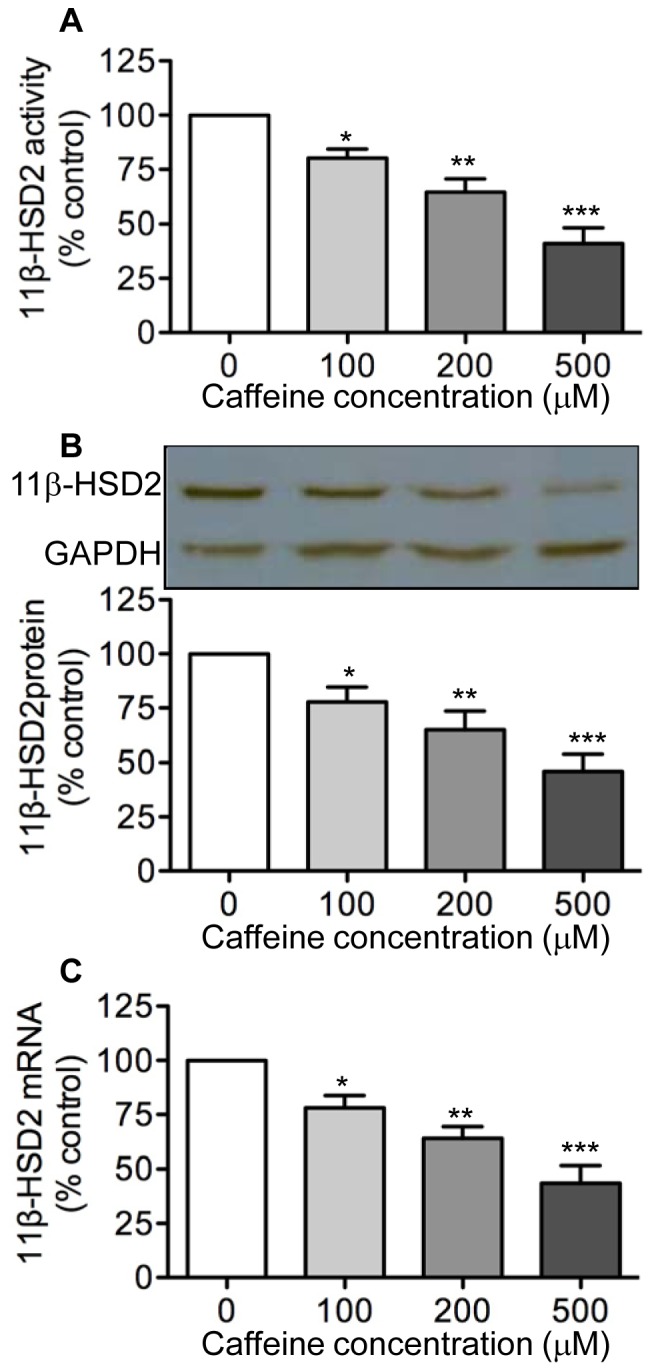
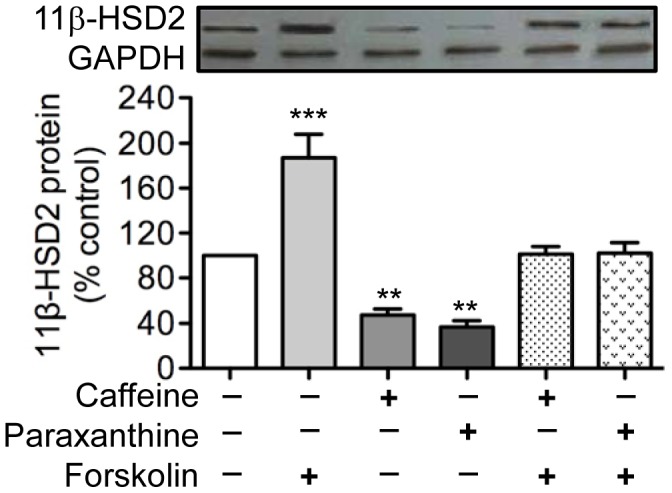
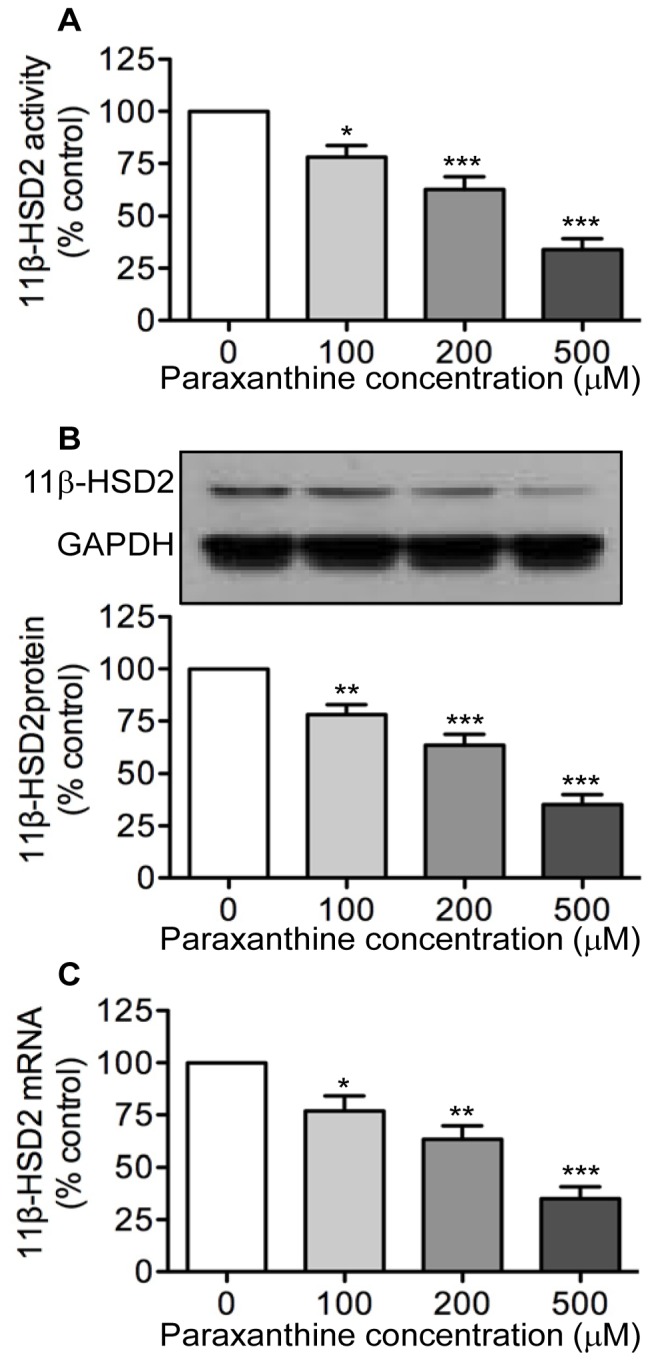
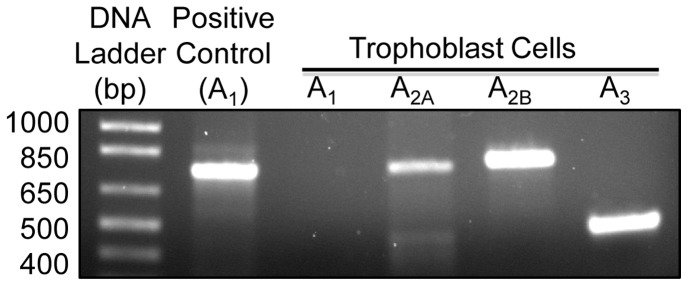
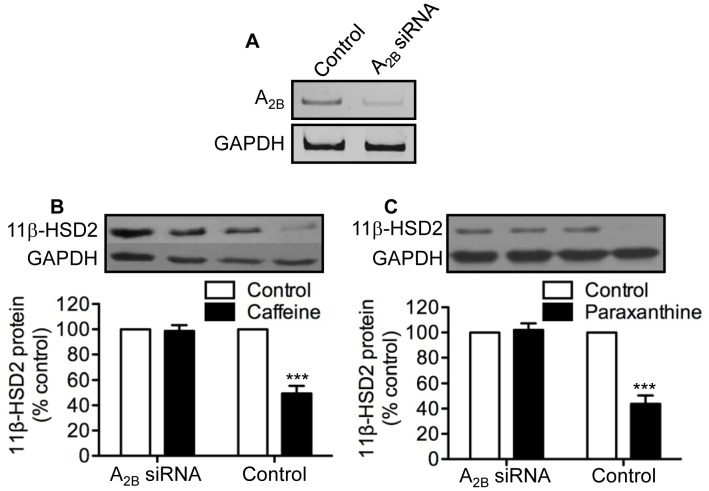
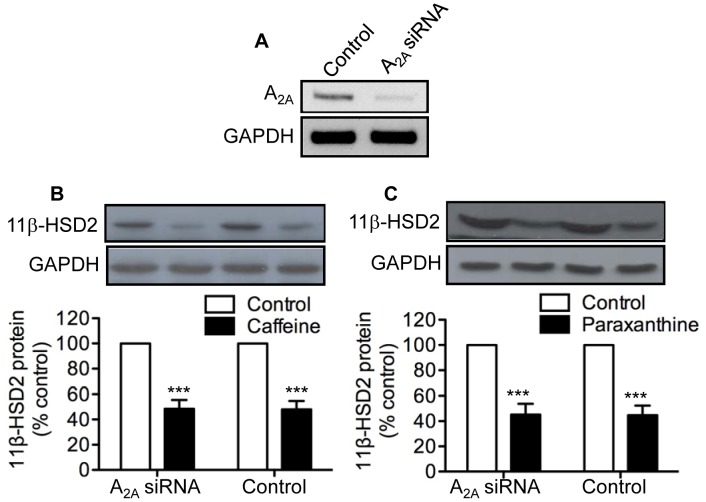
Maternal caffeine consumption is associated with reduced fetal growth, but the underlying molecular mechanisms are unknown. Since there is evidence that decreased placental 11β-hydroxysteroid dehydrogenase type 2 (11β-HSD2) is linked to fetal growth restriction, we hypothesized that caffeine may inhibit fetal growth partly through down regulating placental 11β-HSD2. As a first step in examining this hypothesis, we studied the effects of caffeine on placental 11β-HSD2 activity and expression using our established primary human trophoblast cells as an in vitro model system. Given that maternal serum concentrations of paraxanthine (the primary metabolite of caffeine) were greater in women who gave birth to small-for-gestational age infants than to appropriately grown infants, we also studied the effects of paraxanthine. Our main findings were: (1) both caffeine and paraxanthine decreased placental 11β-HSD2 activity, protein and mRNA in a concentration-dependent manner; (2) this inhibitory effect was mediated by the adenosine A(2B) receptor, since siRNA-mediated knockdown of this receptor prevented caffeine- and paraxanthine-induced inhibition of placental 11β-HSD2; and (3) forskolin (an activator of adenyl cyclase and a known stimulator of 11β-HSD2) abrogated the inhibitory effects of both caffeine and paraxanthine, which provides evidence for a functional link between exposure to caffeine and paraxanthine, decreased intracellular levels of cAMP and reduced placental 11β-HSD2. Taken together, these findings reveal that placental 11β-HSD2 is a novel molecular target through which caffeine may adversely affect fetal growth. They also uncover a previously unappreciated role for the adenosine A(2B) receptor signaling in regulating placental 11β-HSD2, and consequently fetal development.
母体咖啡因摄入与胎儿生长受限有关,但潜在的分子机制尚不清楚。由于有证据表明,胎盘 11β-羟类固醇脱氢酶 2 型(11β-HSD2)减少与胎儿生长受限有关,因此我们假设咖啡因可能通过下调胎盘 11β-HSD2 部分抑制胎儿生长。为了检验这一假设,我们首先使用已建立的原代人滋养细胞作为体外模型系统,研究了咖啡因对胎盘 11β-HSD2 活性和表达的影响。鉴于母体血清中叶碱(咖啡因的主要代谢物)浓度在出生时胎儿小于胎龄儿的女性中高于适当生长的婴儿,我们也研究了叶碱的影响。我们的主要发现如下:(1)咖啡因和叶碱均以浓度依赖的方式降低胎盘 11β-HSD2 活性、蛋白和 mRNA;(2)这种抑制作用是通过腺苷 A2B 受体介导的,因为 siRNA 介导的该受体敲低可防止咖啡因和叶碱诱导的胎盘 11β-HSD2 抑制;(3)forskolin(腺苷酸环化酶的激活剂和 11β-HSD2 的已知刺激物)消除了咖啡因和叶碱的抑制作用,这为暴露于咖啡因和叶碱、细胞内 cAMP 水平降低和胎盘 11β-HSD2 减少之间的功能联系提供了证据。总之,这些发现表明胎盘 11β-HSD2 是咖啡因可能对胎儿生长产生不利影响的新的分子靶标。它们还揭示了腺苷 A2B 受体信号在调节胎盘 11β-HSD2 以及胎儿发育中的以前未被认识到的作用。