Laboratory of Diagnostics for Reproductive Medicine, Institute of Biotechnology AS CR, v.v.i., Videnska 1083, Prague 142 20, Czech Republic.
BMC Musculoskelet Disord. 2012 Jun 21;13:110. doi: 10.1186/1471-2474-13-110.
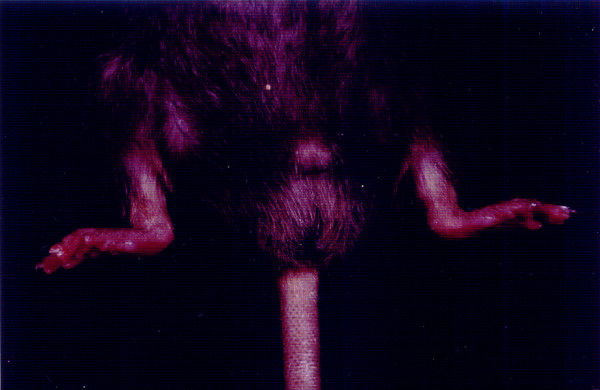
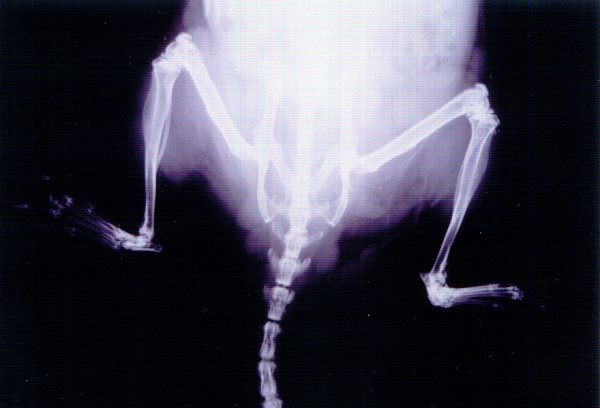
Ankylosing enthesopathy (ANKENT) is an animal model of human ankylosing spondylitis. ANKENT is an inflammatory disease affecting the ankle and tarsal joints of the hind limbs in susceptible mouse strains. In the disease, the participation of intestinal microbiota components was suggested. Therefore, we attempted to increase the incidence of ANKENT by systemic administration of lipopolysaccharide (LPS), which is a component of bacterial cellular walls and stimulates inflammatory processes.
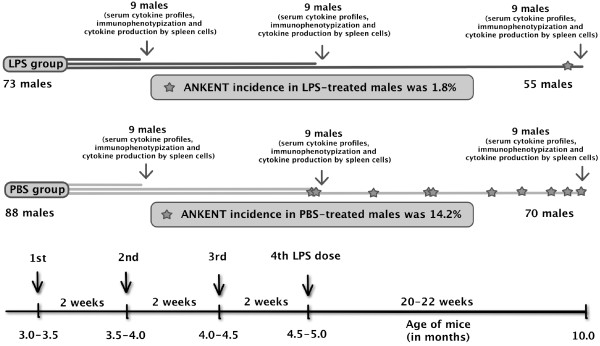
ANKENT occurrence, serum cytokine profiles, spleen cellular composition and in vitro cytokine response to LPS were analysed in LPS-treated and control LPS-untreated B10.BR male mice.
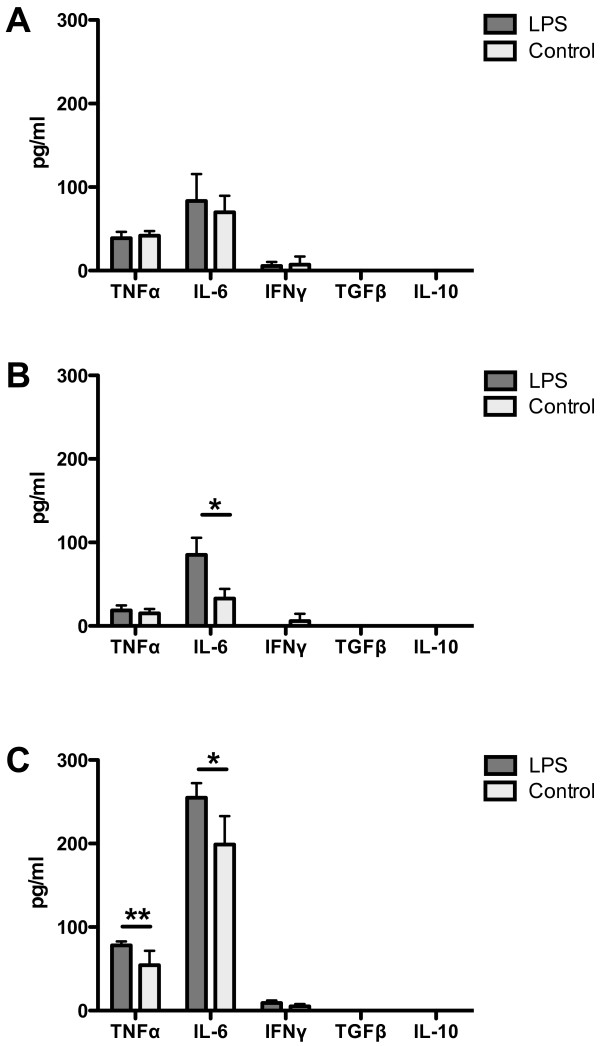
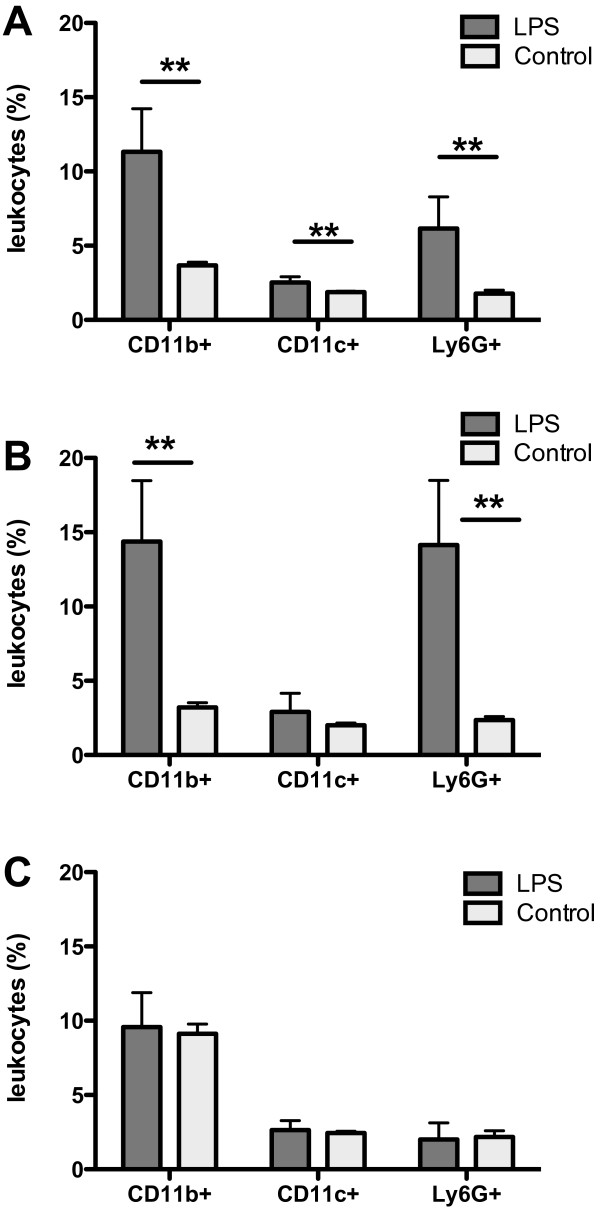
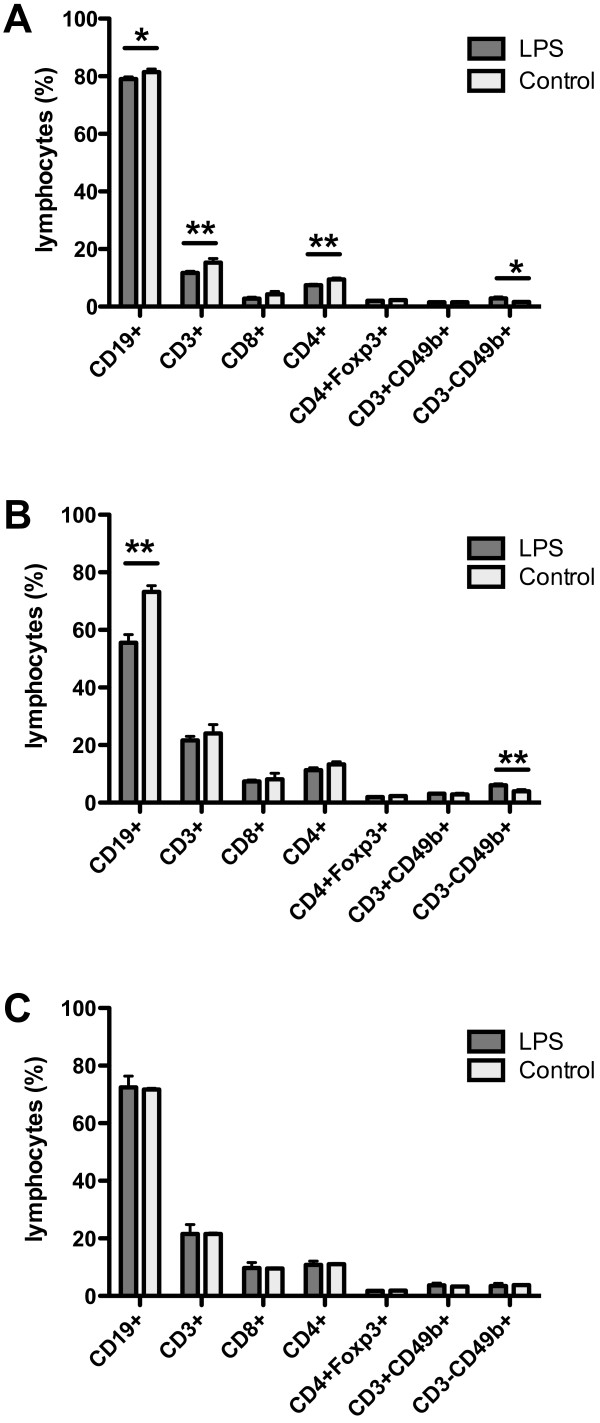
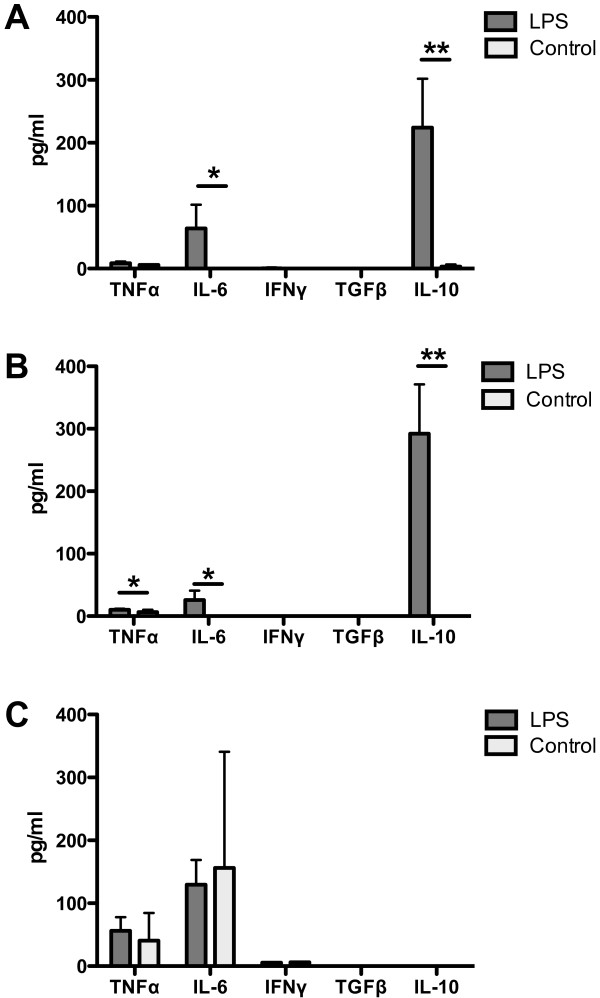
Contrary to expectations, LPS treatment decreased the incidence of ANKENT in LPS-treated group compared to control LPS-untreated group. Flow cytometry analysis of splenocytes showed an increased percentage of macrophages, dendritic cells and neutrophils and a decreased percentage of B cells, T cells and T helper cells in LPS-treated males following LPS administration. In addition, LPS-treated males had significantly elevated IL-6 and IL-10 serum levels. At 20-22 weeks after the final LPS application, splenocytes from LPS-treated mice were more susceptible to in vitro LPS stimulation than those of the controls and produced significantly higher levels of TNFα and IL-6.
Repeated systemic stimulation with microbial component lipopolysaccharide in early adulthood significantly reduced the incidence of ANKENT in B10.BR mice and this finding can support the "hygiene hypothesis". In LPS-treated mice, the innate immunity parameters and the level of anti-inflammatory IL-10 cytokine were significantly increased. Nevertheless, the immunological mechanism of the LPS protective effect remains unclear.
附着点病(ANKENT)是人类强直性脊柱炎的动物模型。ANKENT 是一种炎症性疾病,影响易感小鼠品系后肢的踝关节和跗关节。在该疾病中,提示肠道微生物群成分的参与。因此,我们试图通过全身性给予脂多糖(LPS)来增加 ANKENT 的发病率,LPS 是细菌细胞壁的组成部分,可刺激炎症过程。
分析了 LPS 处理和对照 LPS 未处理的 B10.BR 雄性小鼠中的 ANKENT 发生、血清细胞因子谱、脾脏细胞组成和 LPS 体外细胞因子反应。
出乎意料的是,与对照 LPS 未处理组相比,LPS 处理组 LPS 处理组的 ANKENT 发病率降低。LPS 处理后雄性小鼠的脾细胞流式细胞术分析显示,巨噬细胞、树突状细胞和中性粒细胞的百分比增加,B 细胞、T 细胞和 T 辅助细胞的百分比减少。此外,LPS 处理组雄性小鼠的血清 IL-6 和 IL-10 水平显著升高。在最后一次 LPS 应用后 20-22 周,LPS 处理组的脾细胞比对照组更易受体外 LPS 刺激,产生的 TNFα 和 IL-6 水平明显更高。
在成年早期反复用微生物成分脂多糖进行全身性刺激,可显著降低 B10.BR 小鼠的 ANKENT 发病率,这一发现可支持“卫生假说”。在 LPS 处理的小鼠中,先天免疫参数和抗炎细胞因子 IL-10 的水平显著增加。然而,LPS 保护作用的免疫机制仍不清楚。