1. Pharmacy and Pharmaceutical Technology Department, School of Pharmacy, University of Navarra, Pamplona, Spain;
Theranostics. 2012;2(6):541-52. doi: 10.7150/thno.3682. Epub 2012 Jun 4.
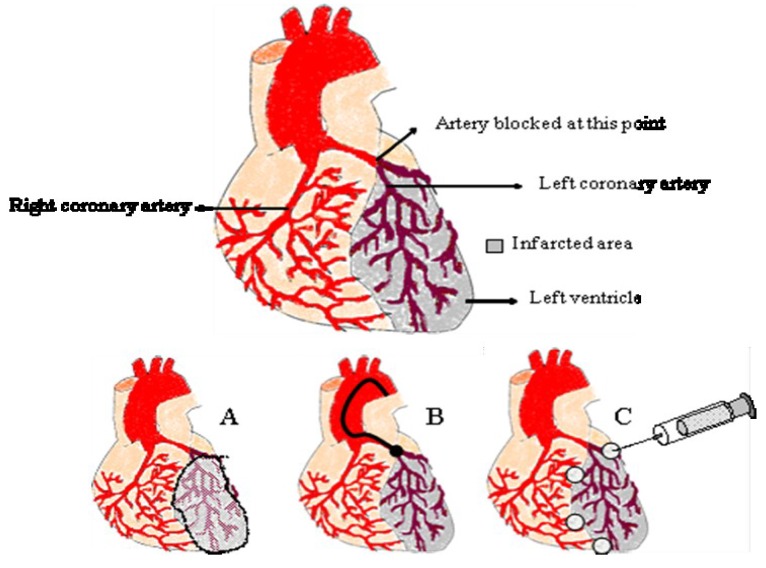
Since the discovery of the Vascular Endothelial Growth Factor (VEGF) and its leading role in the angiogenic process, this has been seen as a promising molecule for promoting neovascularization in the infarcted heart. However, even though several clinical trials were initiated, no therapeutic effects were observed, due in part to the short half life of this factor when administered directly to the tissue. In this context, drug delivery systems appear to offer a promising strategy to overcome limitations in clinical trials of VEGF.The aim of this paper is to review the principal drug delivery systems that have been developed to administer VEGF in cardiovascular disease. Studies published in the last 5 years are reviewed and the main features of these systems are explained. The tissue engineering concept is introduced as a therapeutic alternative that holds promise for the near future.
自血管内皮生长因子 (VEGF) 的发现及其在血管生成过程中的主导作用以来,人们一直认为它是一种很有前途的分子,可以促进梗死心脏中的新血管生成。然而,尽管启动了几项临床试验,但没有观察到治疗效果,部分原因是直接向组织给药时该因子的半衰期较短。在这种情况下,药物输送系统似乎提供了一种很有前途的策略来克服 VEGF 临床试验中的局限性。本文旨在综述为了在心血管疾病中给予 VEGF 而开发的主要药物输送系统。综述了过去 5 年发表的研究,并解释了这些系统的主要特征。还介绍了组织工程学概念作为一种有前途的治疗选择。