Andrzej Frycz Modrzewski Cracow University, Cracow, Poland.
Med Sci Monit. 2012 Jul;18(7):CR432-42. doi: 10.12659/msm.883211.
The aim of the research was to evaluate the effectiveness of the phased rehabilitation program in patients after traumatic brain injury, one developed by the authors and controlled by the strategic plan, pertaining to their quality of life compared to patients treated according to a standard, phased rehabilitation program.
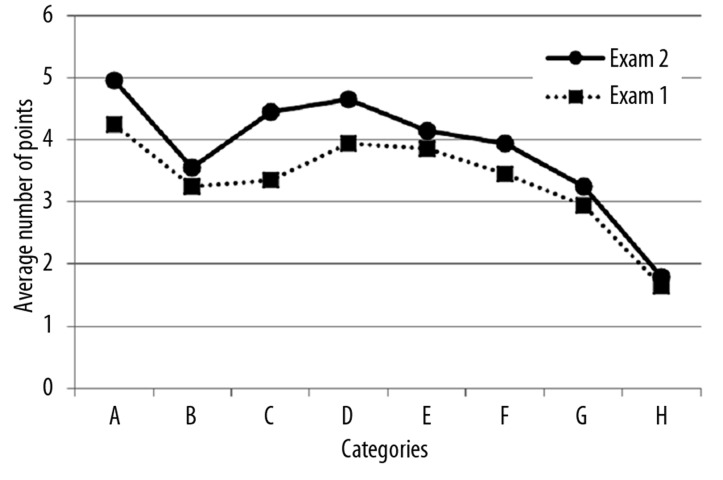
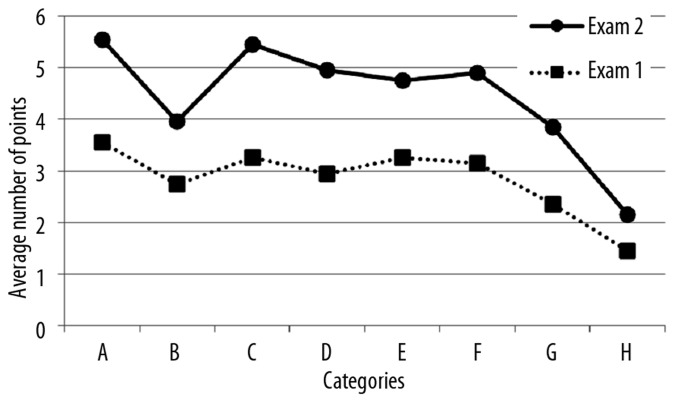
MATERIAL/METHODS: The study included 40 patients of post traumatic brain injury treated at the Rehabilitation Clinic of the L. Rydygier Academy of Medical Sciences in Bydgoszcz and the Department of Medical Rehabilitation of the Cracow Rehabilitation Centre. An experimental group included 20 patients rehabilitated by a strategic approach and a control group consisted of 20 patients treated before the introduction of this approach. In assessing the effectiveness of rehabilitation, a structured interview was used with clinical observation and the Battery of Quality of Life Assessment. The study was conducted twice: before and after eight weeks of rehabilitation.
The quality of life of people after brain injury is affected by self-service difficulties, difficulties in meeting the physiological needs and loss of psychophysical comfort, decreased mobility, impaired cognitive functions and executive and social functions. There is no consistency between the stated (subjective) level of quality of life of the patient, and the depth of objectively measured disability resulting from the injury sustained.
A rehabilitation program controlled by a strategic plan, in collaboration with the patient treated subjectively is more effective in improving the quality of life, since the cooperating patient is more motivated to carry out individually designed goals. A rehabilitation program based on a strategic plan is worthy of recommendation for the treatment and improvement of patients after cranio-cerebral trauma.
本研究旨在评估作者制定的阶段性康复方案对创伤性脑损伤患者的有效性,并通过与标准阶段性康复方案进行对照,评估该方案对患者生活质量的影响。
材料/方法:本研究纳入了在比得哥什 L. Rydygier 医学科学院康复诊所和克拉科夫康复中心医学康复科接受治疗的 40 例创伤性脑损伤后患者。实验组包括 20 例采用策略方法进行康复治疗的患者,对照组包括 20 例在采用该方法前接受治疗的患者。在评估康复效果时,我们采用了结构化访谈、临床观察和生活质量评估量表进行评估。本研究进行了两次评估:康复前和康复 8 周后。
脑损伤后患者的生活质量受到自理困难、生理需求和心理舒适丧失、活动受限、认知功能和执行及社会功能受损的影响。患者自我报告的生活质量水平与损伤导致的客观残疾程度之间没有一致性。
与接受主观治疗的患者合作的、受策略方案控制的康复方案在改善生活质量方面更有效,因为合作患者更有动力去实现个性化设计的目标。基于策略方案的康复方案值得推荐用于颅脑创伤患者的治疗和改善。