Department of Psychology, Texas A&M University, College Station, Texas, United States of America.
PLoS One. 2012;7(6):e39751. doi: 10.1371/journal.pone.0039751. Epub 2012 Jun 20.
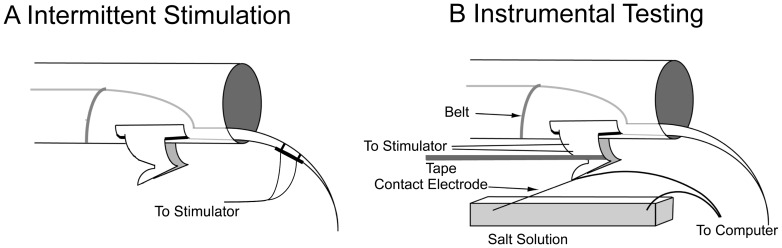
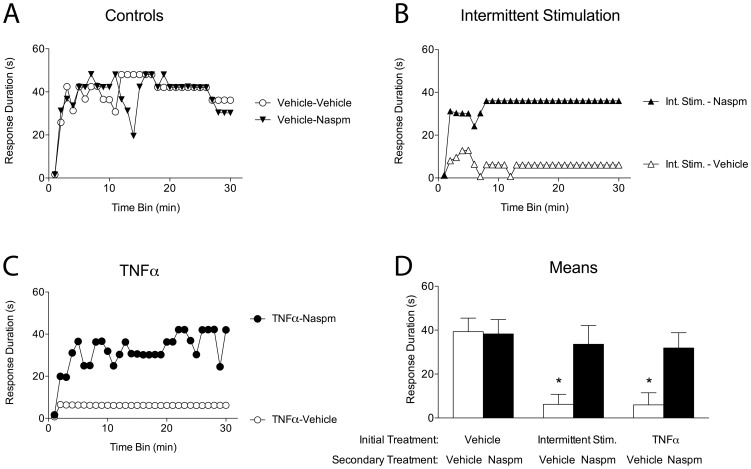
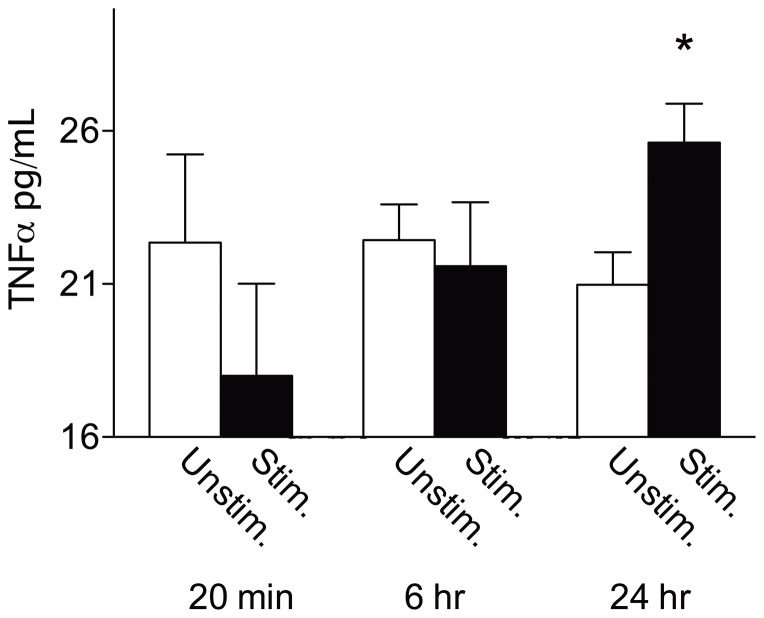
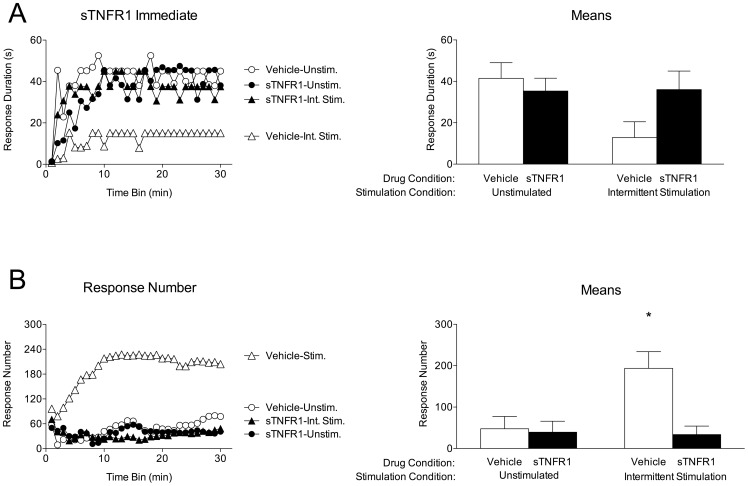
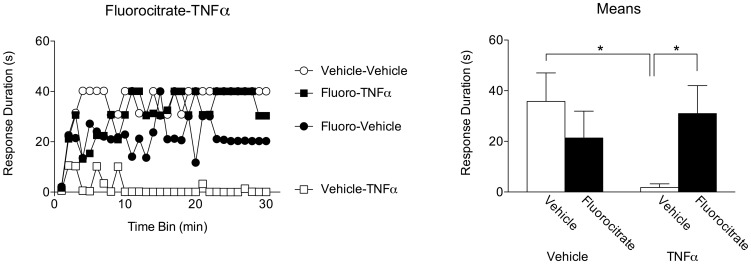
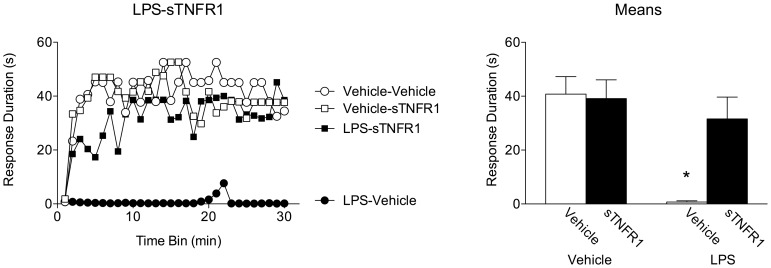
Injury-induced overexpression of tumor necrosis factor alpha (TNFα) in the spinal cord can induce chronic neuroinflammation and excitotoxicity that ultimately undermines functional recovery. Here we investigate how TNFα might also act to upset spinal function by modulating spinal plasticity. Using a model of instrumental learning in the injured spinal cord, we have previously shown that peripheral intermittent stimulation can produce a plastic change in spinal plasticity (metaplasticity), resulting in the prolonged inhibition of spinal learning. We hypothesized that spinal metaplasticity may be mediated by TNFα. We found that intermittent stimulation increased protein levels in the spinal cord. Using intrathecal pharmacological manipulations, we showed TNFα to be both necessary and sufficient for the long-term inhibition of a spinal instrumental learning task. These effects were found to be dependent on glial production of TNFα and involved downstream alterations in calcium-permeable AMPA receptors. These findings suggest a crucial role for glial TNFα in undermining spinal learning, and demonstrate the therapeutic potential of inhibiting TNFα activity to rescue and restore adaptive spinal plasticity to the injured spinal cord. TNFα modulation represents a novel therapeutic target for improving rehabilitation after spinal cord injury.
脊髓中肿瘤坏死因子 α(TNFα)的损伤诱导过度表达会引发慢性神经炎症和兴奋毒性,最终破坏功能恢复。在这里,我们研究了 TNFα 如何通过调节脊髓可塑性来扰乱脊髓功能。在受伤脊髓的仪器学习模型中,我们之前已经表明,外周间歇性刺激可以产生脊髓可塑性(超可塑性)的塑性变化,从而导致脊髓学习的长时间抑制。我们假设脊髓超可塑性可能由 TNFα 介导。我们发现间歇性刺激会增加脊髓中的蛋白水平。通过鞘内药理学操作,我们发现 TNFα 对于长期抑制脊髓仪器学习任务既必要又充分。这些作用依赖于 TNFα 的胶质细胞产生,并涉及钙通透性 AMPA 受体的下游改变。这些发现表明,胶质细胞 TNFα 在破坏脊髓学习中起着至关重要的作用,并证明了抑制 TNFα 活性以挽救和恢复受伤脊髓的适应性脊髓可塑性的治疗潜力。TNFα 调节代表了改善脊髓损伤后康复的新的治疗靶点。