Diabetes Research Program, Division of Endocrinology, Department of Medicine, New York University School of Medicine, New York, NY 10016, United States.
Vascul Pharmacol. 2012 Nov-Dec;57(5-6):160-7. doi: 10.1016/j.vph.2012.06.004. Epub 2012 Jun 29.
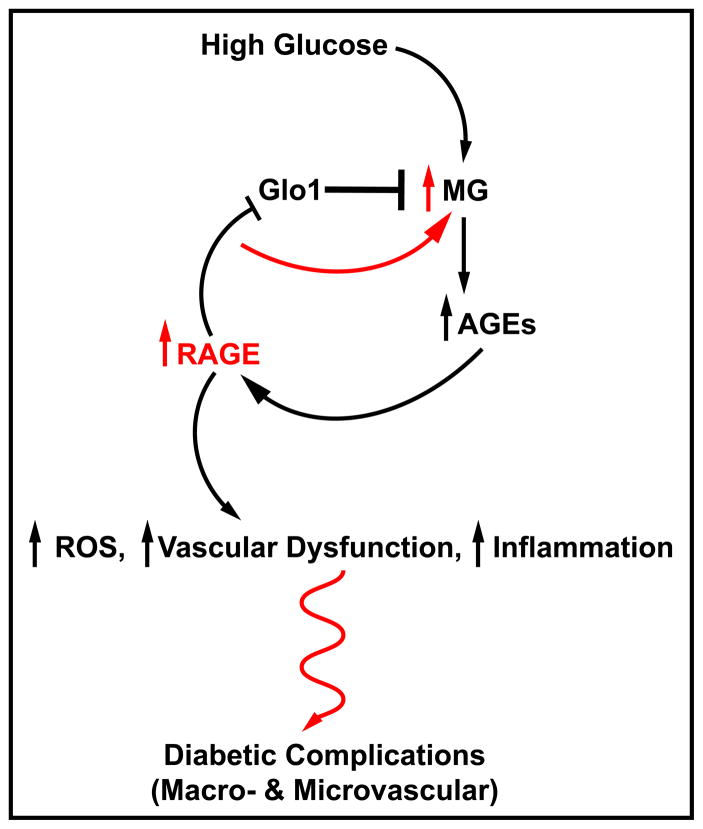
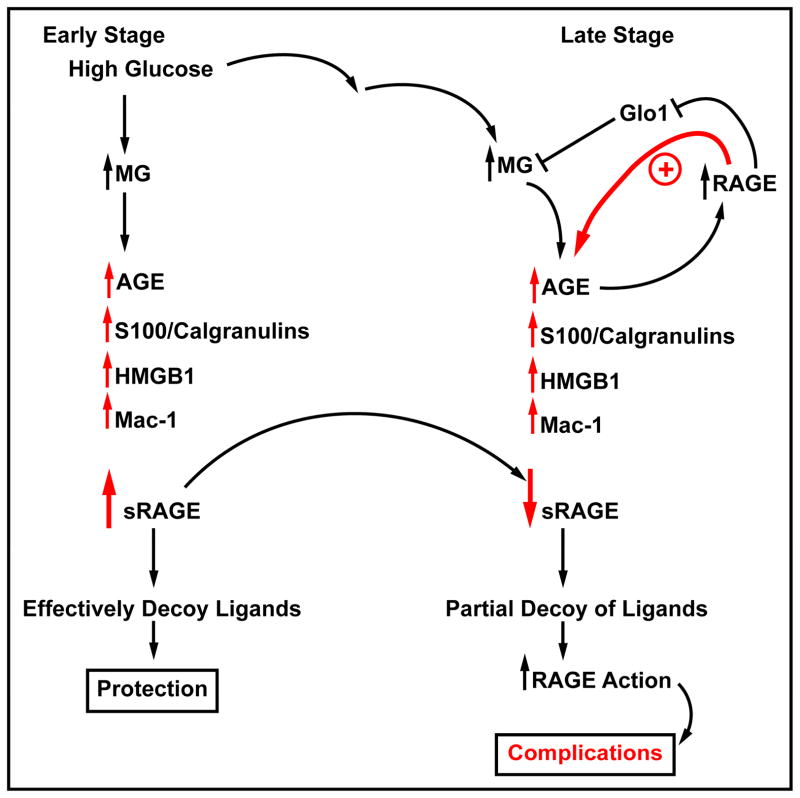
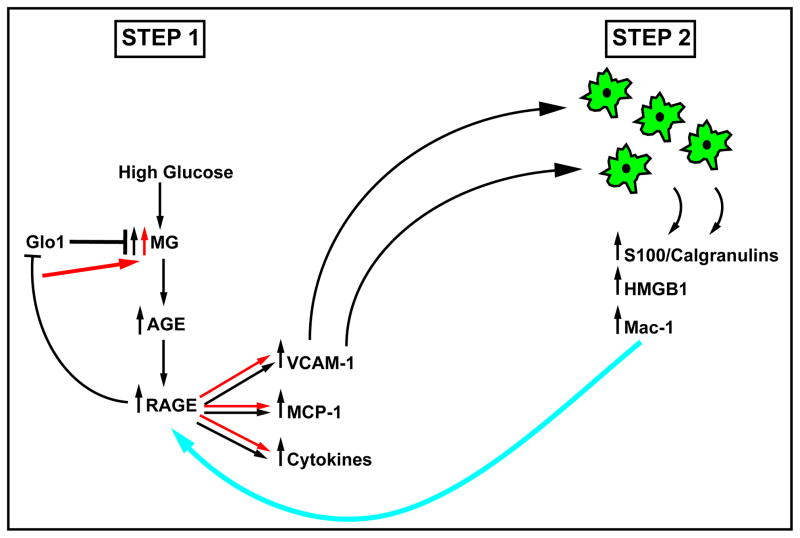
The multi-ligand receptor RAGE was discovered on account of its ability to bind and transduce the cell stress-provoking signals of advanced glycation endproducts (AGEs). The finding that RAGE also bound pro-inflammatory molecules set the stage for linking RAGE and inflammation to the pathogenesis of diabetic macro- and microvascular complications. In this review, we focus on the roles of RAGE and its ligands in diabetes complications. We recount the findings from mice, rats, swine and human subjects suggesting that RAGE action potently contributes to vascular, inflammatory and end-organ stress and damage in types 1 and 2 diabetes. We detail the efforts to track ligands and RAGE in human subjects with diabetes to address if this axis may be a biomarker reflective of the state of the diabetic complications. Lastly, we suggest specific strategies to tackle AGE-ligand-RAGE interactions as potential therapeutic targets for diabetes and its complications.
多配体受体 RAGE 之所以被发现,是因为它能够结合并转导细胞应激诱导的晚期糖基化终产物 (AGEs) 的信号。研究发现 RAGE 还结合了促炎分子,为将 RAGE 及其配体与糖尿病大血管和微血管并发症的发病机制联系起来奠定了基础。在这篇综述中,我们重点关注 RAGE 及其配体在糖尿病并发症中的作用。我们回顾了来自小鼠、大鼠、猪和人类的研究结果,这些结果表明 RAGE 作用强烈促进了 1 型和 2 型糖尿病中的血管、炎症和终末器官应激和损伤。我们详细介绍了在糖尿病患者中追踪配体和 RAGE 的努力,以确定该轴是否可以作为反映糖尿病并发症状态的生物标志物。最后,我们提出了针对 AGE-配体-RAGE 相互作用的具体策略,作为糖尿病及其并发症的潜在治疗靶点。