Khanna Rohit, Tikku Tripti, Wadhwa Jitesh
Department of Orthodontics and Dentofacial Orthopaedics, Babu Banarsi Das College of Dental Sciences, Lucknow, Uttar Pradesh, India.
Indian J Plast Surg. 2012 Jan;45(1):68-75. doi: 10.4103/0970-0358.96590.
This cross-sectional retrospective cephalometric study was designed to clarify whether the maxillary deficiency seen in surgically treated individuals with non-syndromic complete unilateral cleft lip and palate (UCLP) is due to inherent growth potential or iatrogenicity.
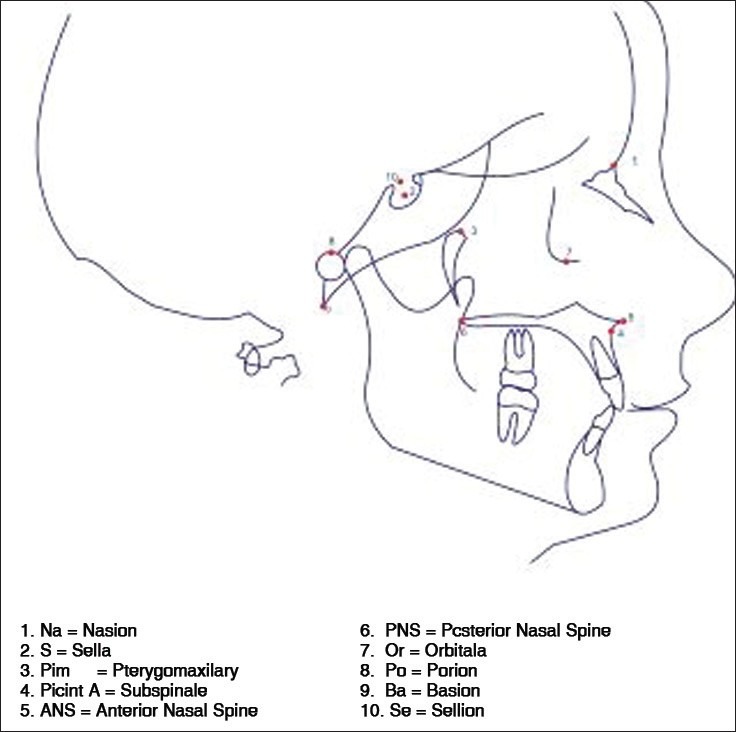
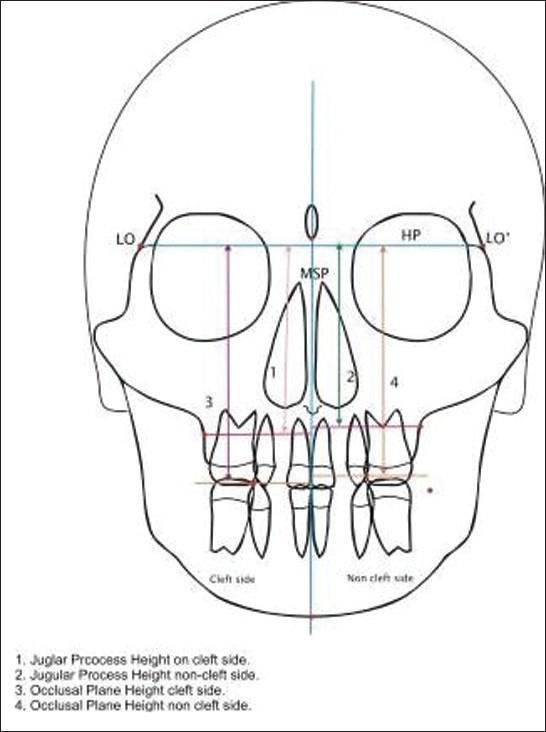
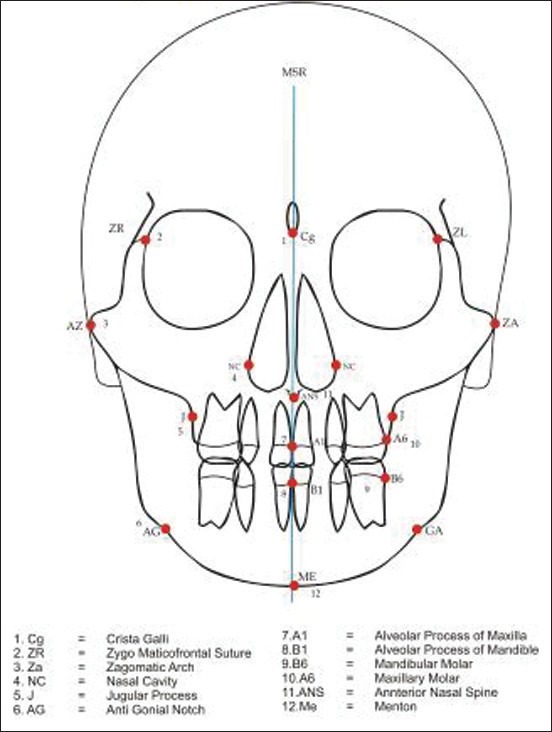
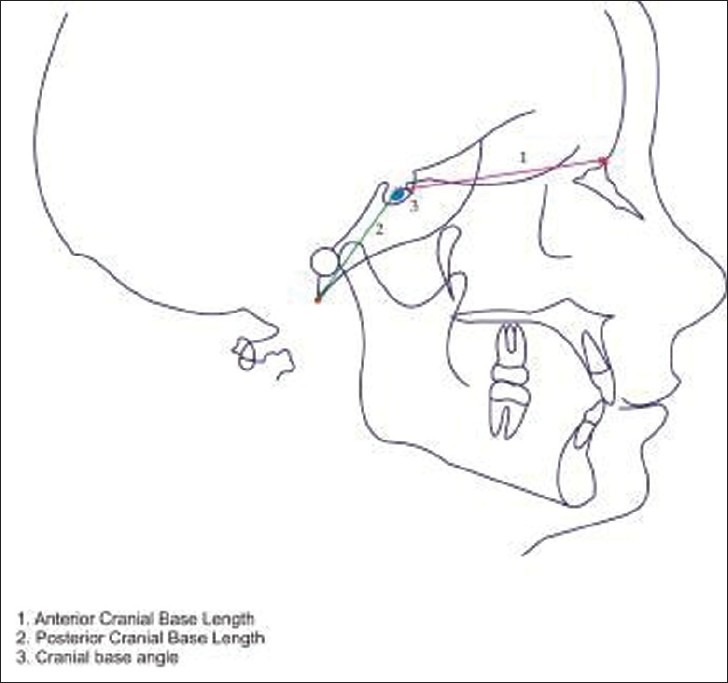
72 adult individuals were randomly selected in the age range of 12-20 years, and were divided into two groups. Group I had 47 untreated individuals. Group II consisted of 25 surgically treated individuals. Lateral and frontal cephalograms of the selected individuals were taken and analysed using Nemoceph software.
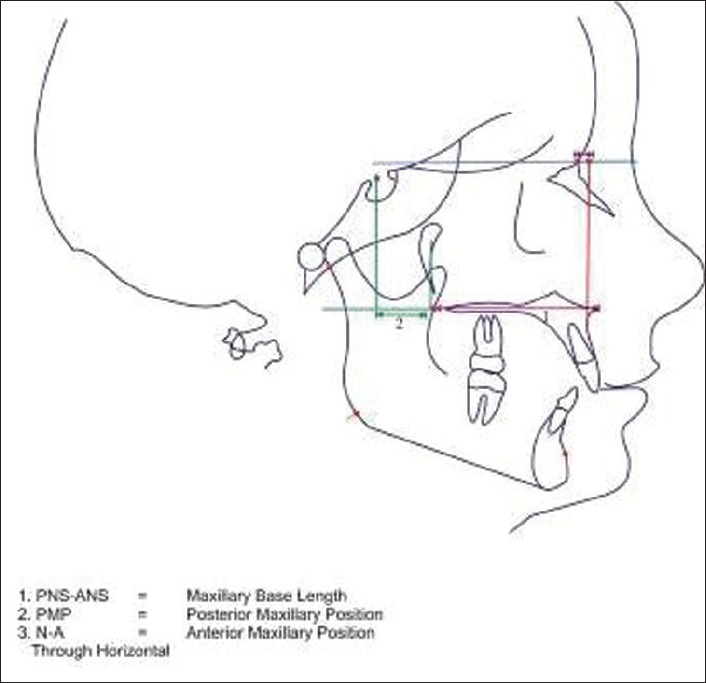
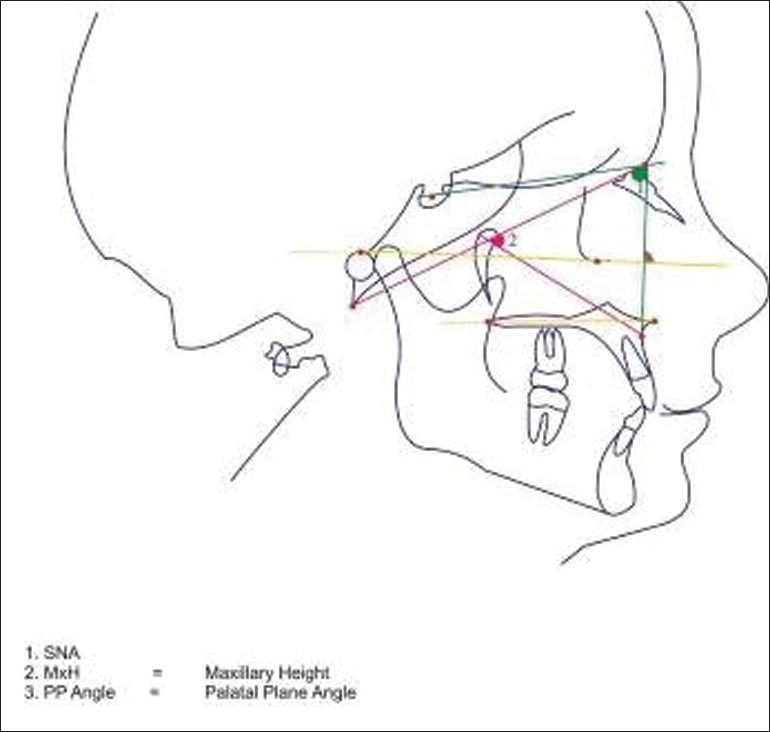
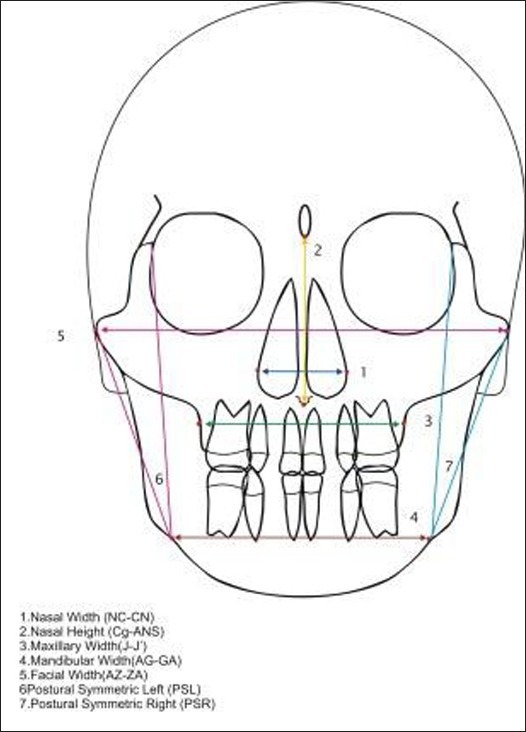
Group II showed a marked reduction in the cranial base angle, maxillary base length, anterior and posterior maxillary positions, palatal plane angle, maxillary width, maxillary height, occlusal plane height, nasal width and nasal height.
Surgical intervention does interfere with growth in the facial region. This could be attributed to the scar tissue in lip and palate region, which has a restraining effect on growth in the facial region. These altered functional matrices play a significant role in determining the growth of facial structures.
本横断面回顾性头影测量研究旨在阐明,在接受手术治疗的非综合征性完全性单侧唇腭裂(UCLP)患者中观察到的上颌骨发育不足是由于内在生长潜力还是医源性因素所致。
随机选取72名年龄在12至20岁之间的成年人,分为两组。第一组有47名未经治疗的个体。第二组由25名接受手术治疗的个体组成。对所选个体拍摄侧位和正位头影测量片,并使用Nemoceph软件进行分析。
第二组在颅底角、上颌骨基底部长度、上颌骨前后位置、腭平面角、上颌骨宽度、上颌骨高度、咬合平面高度、鼻宽度和鼻高度方面均有明显减小。
手术干预确实会干扰面部区域的生长。这可能归因于唇腭裂区域的瘢痕组织,其对面部区域的生长具有抑制作用。这些改变的功能基质在决定面部结构的生长方面起着重要作用。