Yaser Al-Madhagi, Huang Yan, Zhou Rong-Rong, Hu Guan-Sheng, Xiao Mei-Fang, Huang Zhe-Bing, Duan Chao-Jun, Tian Wei, Tang Dao-Lin, Fan Xue-Gong
Department of Infectious Diseases, Xiangya Hospital, Central South University, Changsha 410008, China.
Medical Science Institute, Xiangya Hospital, Central South University, Changsha 410008, China.
Int J Mol Sci. 2012;13(5):5982-5997. doi: 10.3390/ijms13055982. Epub 2012 May 18.
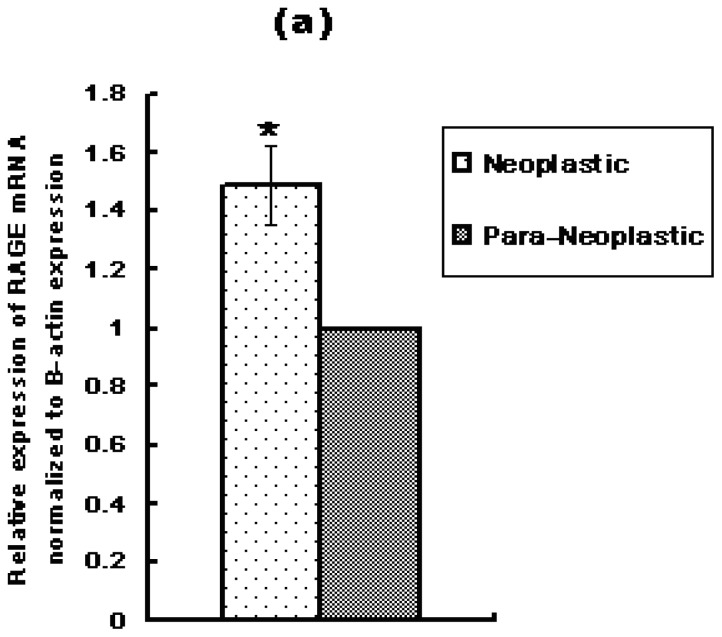
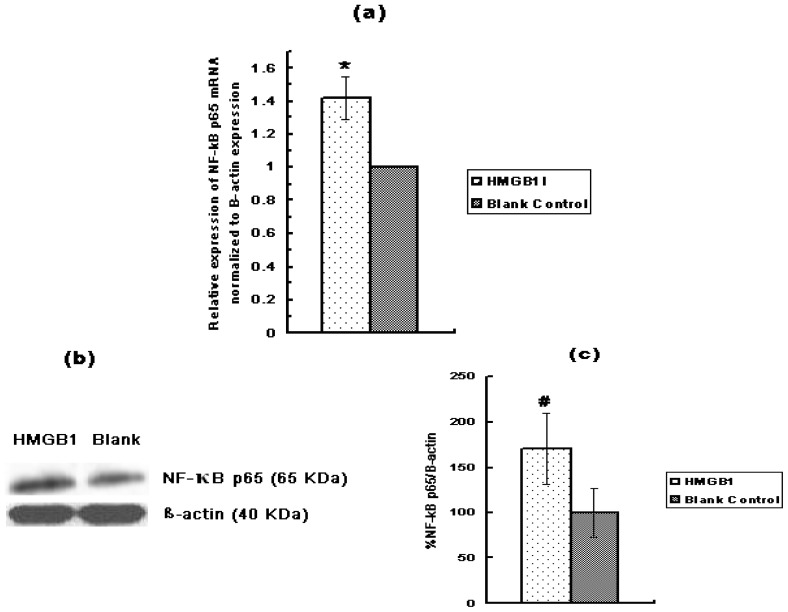
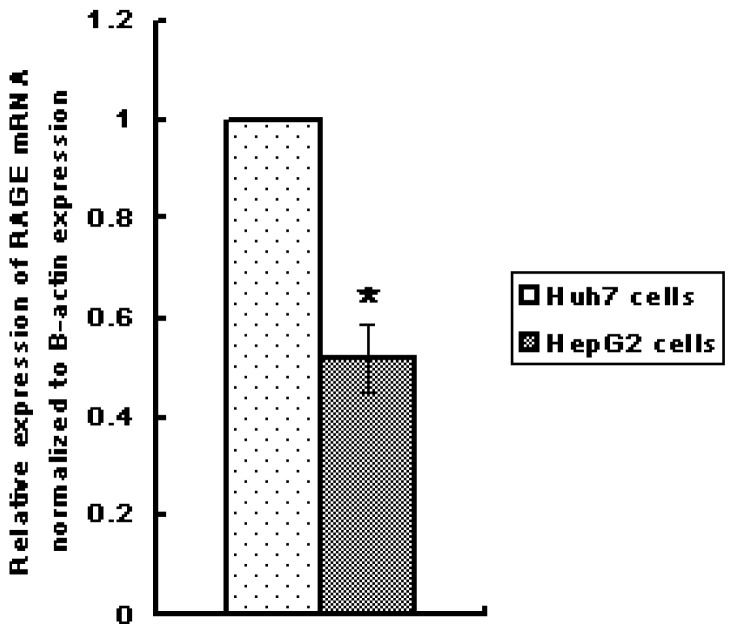
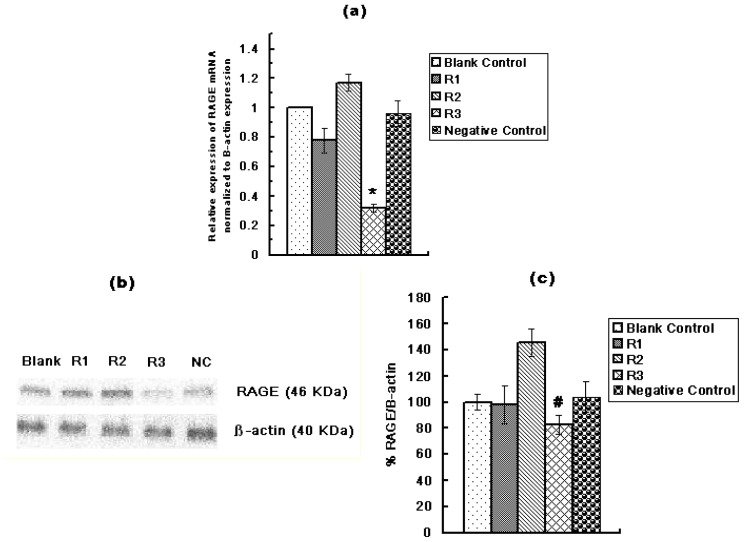
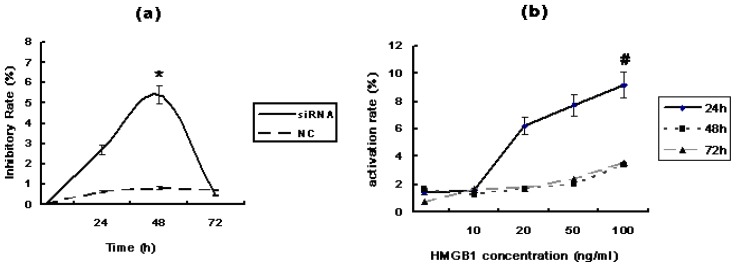
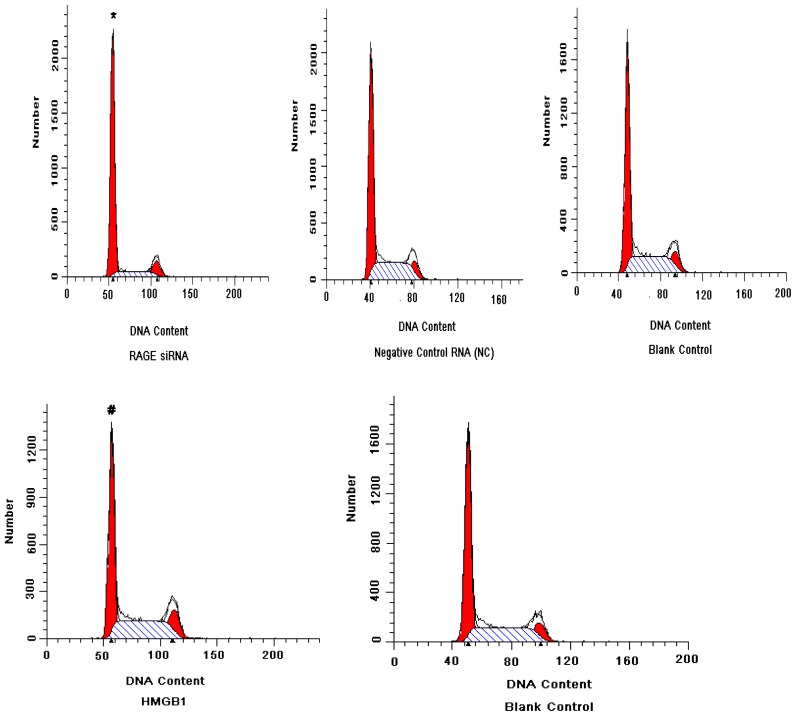
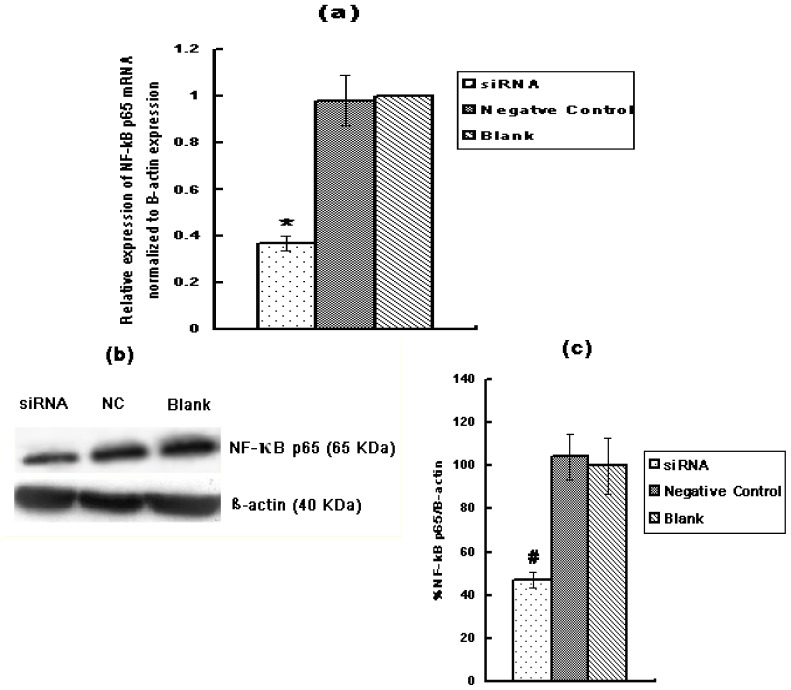
The receptor for advanced glycation end products (RAGE) is oncogenic and overexpressed in human cancers, but its role in hepatocellular carcinoma remains unclear. Here we demonstrated that RAGE is overexpressed in primary hepatocellular carcinoma (PHC) compared to adjacent para-neoplastic liver samples. Serum endogenous secretory RAGE levels were also increased in PHC patients (p < 0.01). Moreover, we demonstrated that RAGE regulates cellular proliferation in Hepatocellular carcinoma (HCC). Knockdown of RAGE by specific siRNA inhibited cellular growth in the hepatocellular carcinoma cell line, Huh7, whereas the RAGE ligand, high mobility group box 1 protein (HMGB1) increased cellular proliferation. In addition, knockdown of RAGE by siRNA arrested cells in the G1 phase and inhibited DNA synthesis (p < 0.01), while HMGB1 protein decreased the number of cells in the G1 phase and increased the number in the S phase (p < 0.05). Furthermore, quantitative real time RT-PCR (qRT-PCR) and Western Blot results demonstrated that RAGE and HMGB1 positively regulate NF-κB p65 expression in Huh7 cells. These studies suggest that RAGE and RAGE ligands are important targets for therapeutic intervention in hepatocellular carcinoma.
晚期糖基化终末产物受体(RAGE)具有致癌性,在人类癌症中过表达,但其在肝细胞癌中的作用仍不清楚。在此我们证明,与相邻的癌旁肝组织样本相比,RAGE在原发性肝细胞癌(PHC)中过表达。PHC患者血清内源性分泌型RAGE水平也升高(p<0.01)。此外,我们证明RAGE调节肝细胞癌(HCC)中的细胞增殖。用特异性小干扰RNA(siRNA)敲低RAGE可抑制肝癌细胞系Huh7中的细胞生长,而RAGE配体高迁移率族蛋白B1(HMGB1)则增加细胞增殖。此外,用siRNA敲低RAGE可使细胞停滞于G1期并抑制DNA合成(p<0.01),而HMGB1蛋白则减少G1期细胞数量并增加S期细胞数量(p<0.05)。此外,定量实时逆转录聚合酶链反应(qRT-PCR)和蛋白质印迹结果表明,RAGE和HMGB1在Huh7细胞中正向调节核因子κB p65表达。这些研究提示,RAGE及其配体是肝细胞癌治疗干预的重要靶点。