Aguirre José, Del Moral Alicia, Cobo Irina, Borgeat Alain, Blumenthal Stephan
Division of Anesthesiology, Balgrist University Hospital, 8008 Zurich, Switzerland.
Anesthesiol Res Pract. 2012;2012:560879. doi: 10.1155/2012/560879. Epub 2012 Jun 18.
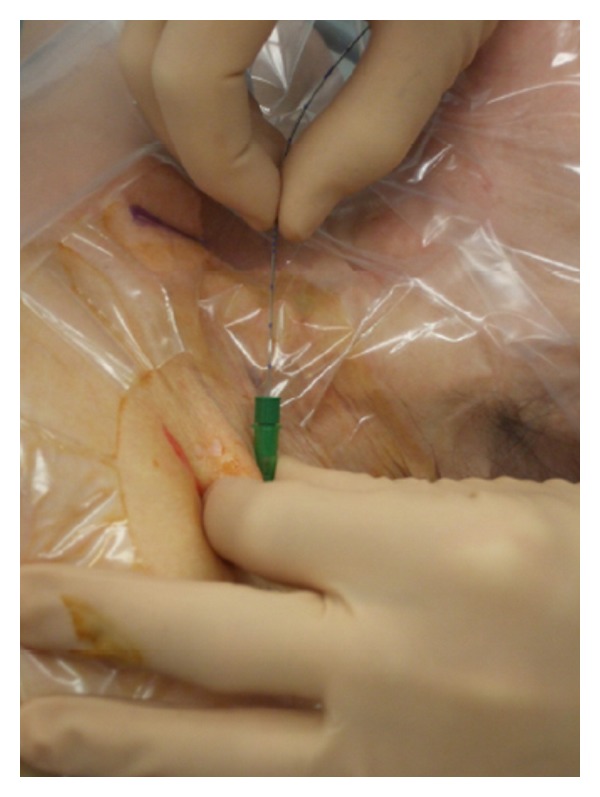
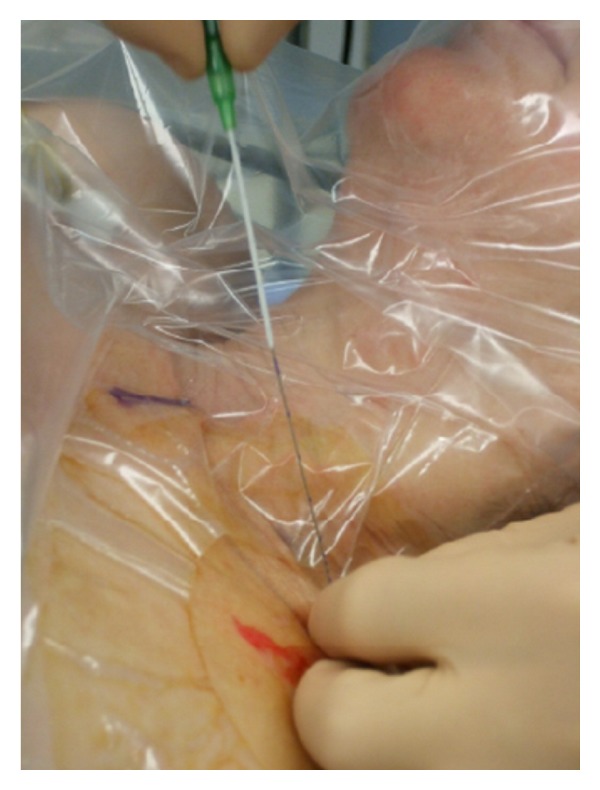
A continuous peripheral nerve block (cPNB) is provided in the hospital and ambulatory setting. The most common use of CPNBs is in the peri- and postoperative period but different indications have been described like the treatment of chronic pain such as cancer-induced pain, complex regional pain syndrome or phantom limb pain. The documented benefits strongly depend on the analgesia quality and include decreasing baseline/dynamic pain, reducing additional analgesic requirements, decrease of postoperative joint inflammation and inflammatory markers, sleep disturbances and opioid-related side effects, increase of patient satisfaction and ambulation/functioning improvement, an accelerated resumption of passive joint range-of-motion, reducing time until discharge readiness, decrease in blood loss/blood transfusions, potential reduction of the incidence of postsurgical chronic pain and reduction of costs. Evidence deriving from randomized controlled trials suggests that in some situations there are also prolonged benefits of regional anesthesia after catheter removal in addition to the immediate postoperative effects. Unfortunately, there are only few data demonstrating benefits after catheter removal and the evidence of medium- or long-term improvements in health-related quality of life measures is still lacking. This review will give an overview of the advantages and adverse effects of cPNBs.
连续外周神经阻滞(cPNB)可在医院及门诊环境中实施。cPNB最常见的用途是在围手术期和术后,但也有不同的适应证,如治疗慢性疼痛,如癌症引起的疼痛、复杂性区域疼痛综合征或幻肢痛。已记录的益处很大程度上取决于镇痛质量,包括降低基线/动态疼痛、减少额外的镇痛需求、减轻术后关节炎症和炎症标志物、改善睡眠障碍和阿片类药物相关副作用、提高患者满意度以及改善活动能力/功能、加速被动关节活动范围的恢复、缩短准备出院时间、减少失血/输血、可能降低术后慢性疼痛的发生率以及降低成本。来自随机对照试验的证据表明,在某些情况下,除了术后即时效果外,拔除导管后区域麻醉还有长期益处。不幸的是,仅有少量数据表明拔除导管后有好处,且仍缺乏关于健康相关生活质量指标中长期改善的证据。本综述将概述cPNB的优点和不良反应。