Department of Chemistry and Molecular Biology, University of Gothenburg, Gothenburg, Sweden.
PLoS One. 2012;7(6):e39034. doi: 10.1371/journal.pone.0039034. Epub 2012 Jun 27.
Primordial ovarian follicles, which are often present in the ovaries of premature ovarian failure (POF) patients or are cryopreserved from the ovaries of young cancer patients who are undergoing gonadotoxic anticancer therapies, cannot be used to generate mature oocytes for in vitro fertilization (IVF). There has been very little success in triggering growth of primordial follicles to obtain fertilizable oocytes due to the poor understanding of the biology of primordial follicle activation.
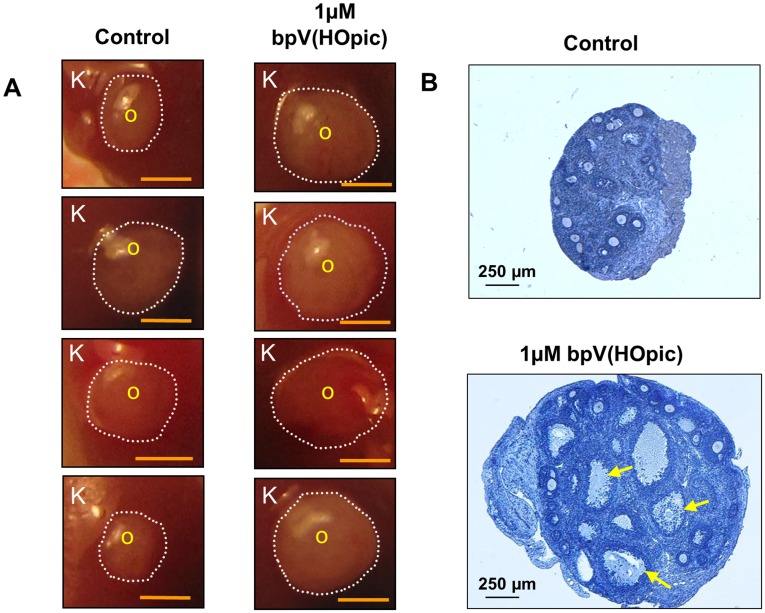
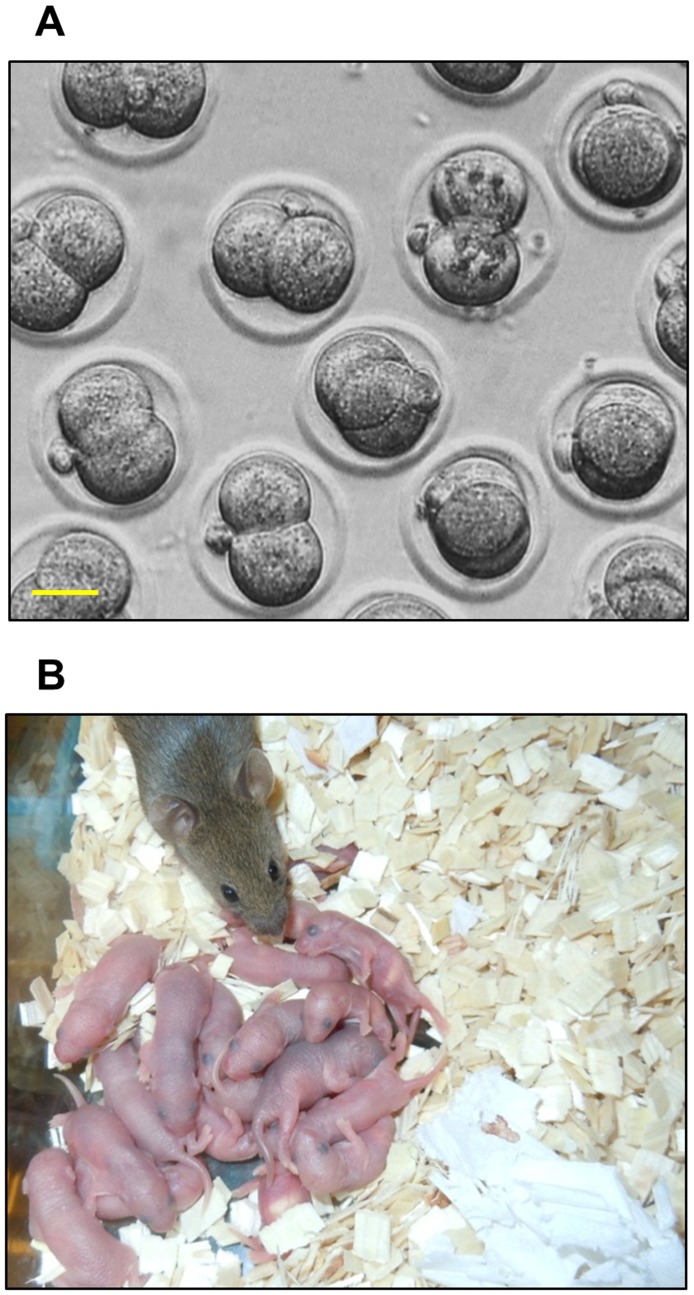
METHODOLOGY/PRINCIPAL FINDINGS: We have recently reported that PTEN (phosphatase and tensin homolog deleted on chromosome ten) prevents primordial follicle activation in mice, and deletion of Pten from the oocytes of primordial follicles leads to follicular activation. Consequently, the PTEN inhibitor has been successfully used in vitro to activate primordial follicles in both mouse and human ovaries. These results suggest that PTEN inhibitors could be used in ovarian culture medium to trigger the activation of primordial follicle. To study the safety and efficacy of the use of such inhibitors, we activated primordial follicles from neonatal mouse ovaries by transient treatment with a PTEN inhibitor bpV(HOpic). These ovaries were then transplanted under the kidney capsules of recipient mice to generate mature oocytes. The mature oocytes were fertilized in vitro and progeny mice were obtained after embryo transfer.
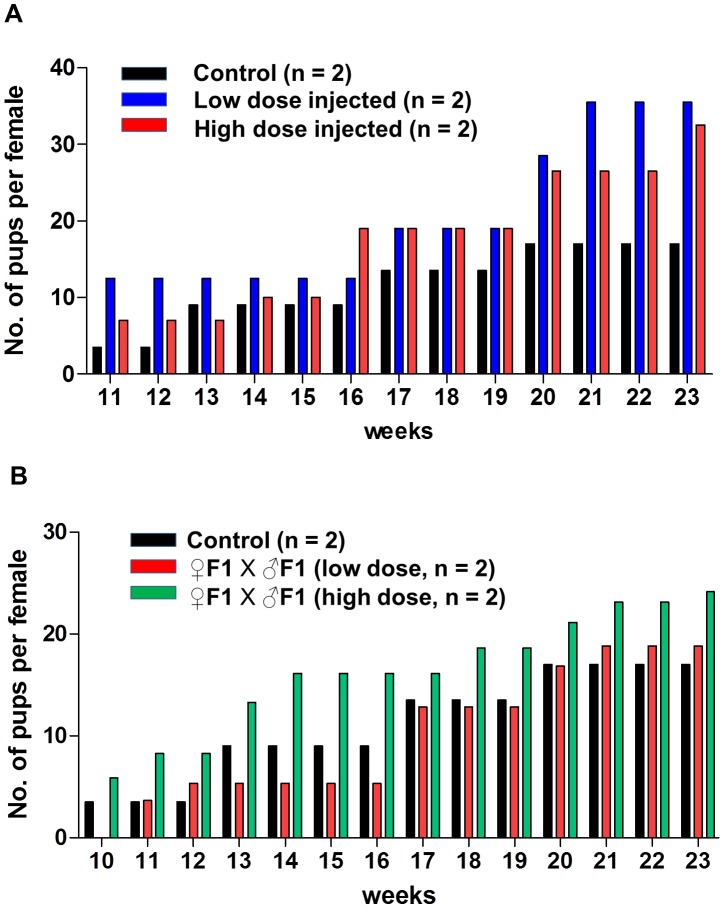
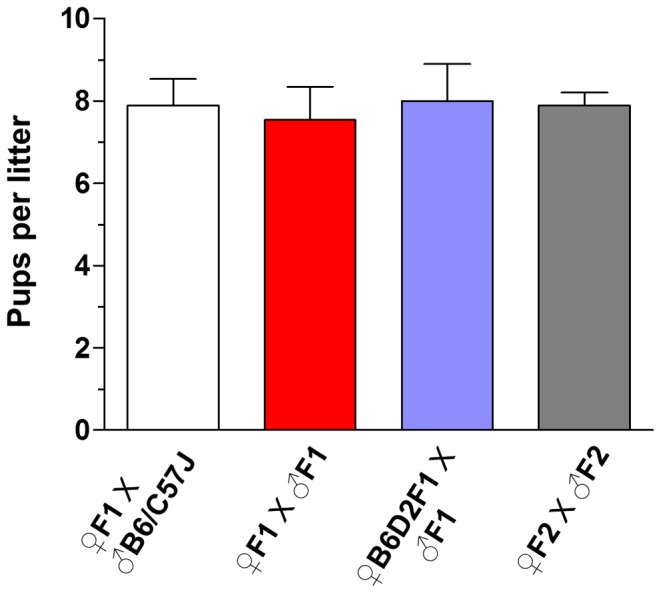
Long-term monitoring up to the second generation of progeny mice showed that the mice were reproductively active and were free from any overt signs or symptoms of chronic illnesses. Our results indicate that the use of PTEN inhibitors could be a safe and effective way of generating mature human oocytes for use in novel IVF techniques.
原始卵泡通常存在于卵巢早衰 (POF) 患者的卵巢中,或者从接受性腺毒性抗癌治疗的年轻癌症患者的卵巢中冷冻保存,不能用于体外受精 (IVF) 生成成熟卵子。由于对原始卵泡激活的生物学了解甚少,因此触发原始卵泡生长以获得可受精卵子的成功率非常低。
方法/主要发现:我们最近报道称,PTEN(第 10 号染色体缺失的磷酸酶和张力蛋白同源物)可防止小鼠原始卵泡激活,并且从原始卵泡卵母细胞中删除 Pten 会导致卵泡激活。因此,PTEN 抑制剂已成功用于体外激活小鼠和人类卵巢中的原始卵泡。这些结果表明,PTEN 抑制剂可用于卵巢培养基中触发原始卵泡的激活。为了研究使用此类抑制剂的安全性和有效性,我们通过短暂处理 PTEN 抑制剂 bpV(HOpic)来激活新生小鼠卵巢中的原始卵泡。然后将这些卵巢移植到受体小鼠的肾包膜下,以生成成熟卵子。成熟卵子在体外受精,并通过胚胎移植获得后代小鼠。
对第二代后代小鼠的长期监测表明,这些小鼠具有生殖活性,并且没有任何明显的慢性疾病迹象或症状。我们的结果表明,使用 PTEN 抑制剂可能是一种安全有效的方法,可以生成用于新型 IVF 技术的成熟人类卵子。