Central Laboratory, Department of Pathobiology, University of Veterinary Medicine Vienna, Vienna, Austria.
PLoS One. 2012;7(6):e40078. doi: 10.1371/journal.pone.0040078. Epub 2012 Jun 28.
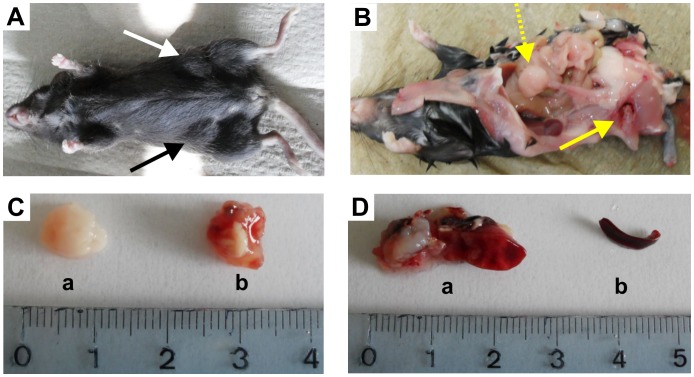
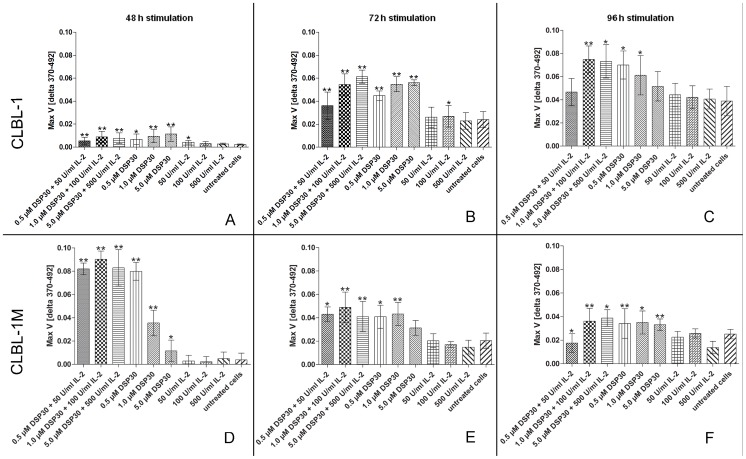
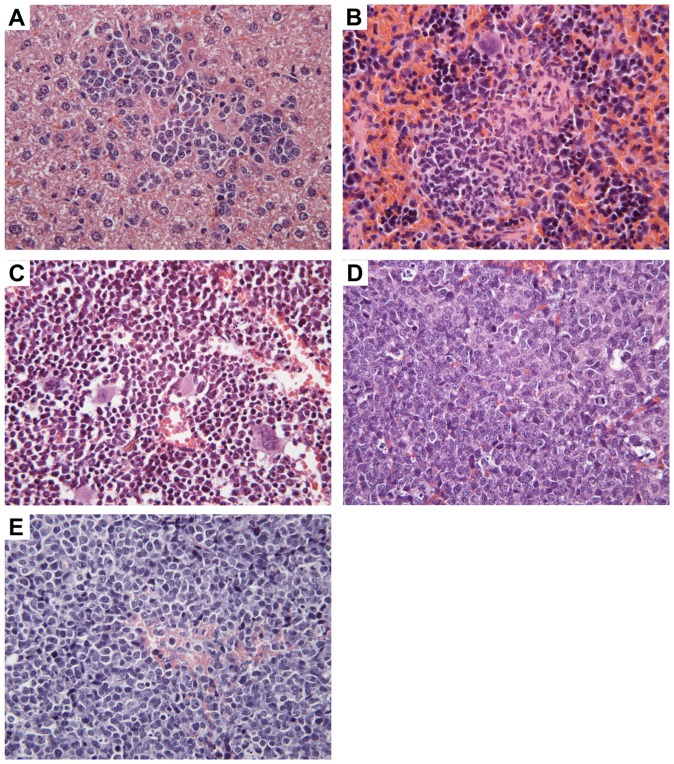
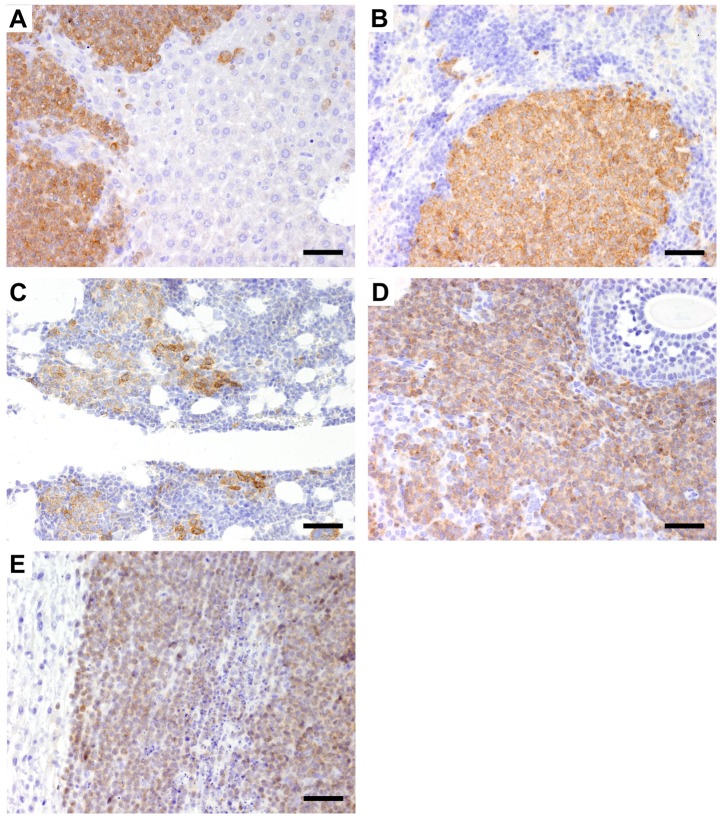
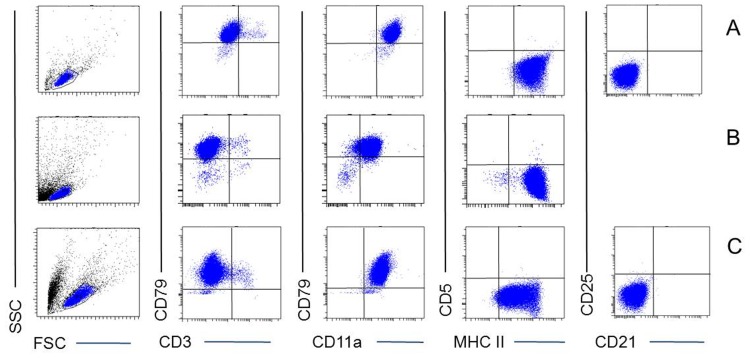
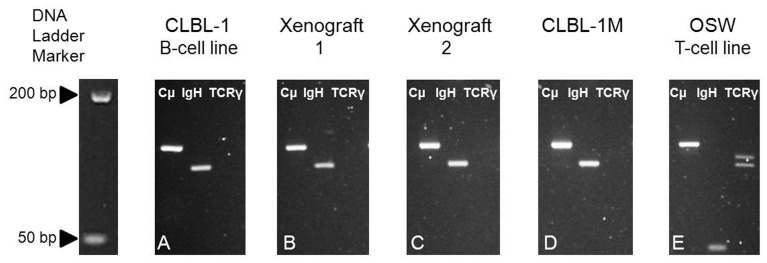
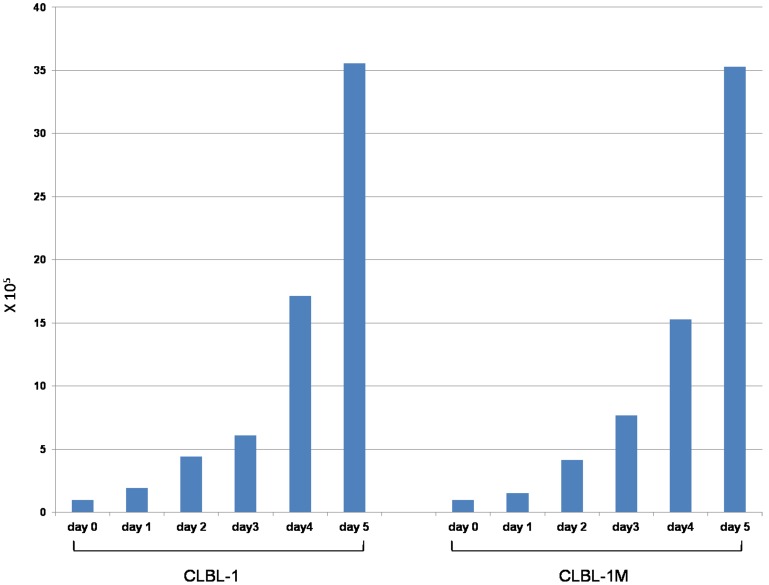
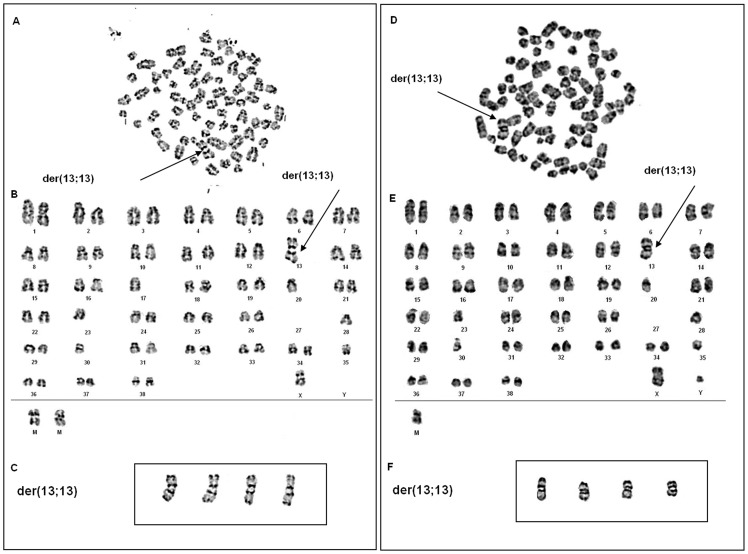
Cell lines are key tools in cancer research allowing the generation of neoplasias in animal models resembling the initial tumours able to mimic the original neoplasias closely in vivo. Canine lymphoma is the major hematopoietic malignancy in dogs and considered as a valuable spontaneous large animal model for human Non-Hodgkin's Lymphoma (NHL). Herein we describe the establishment and characterisation of an in vivo model using the canine B-cell lymphoma cell line CLBL-1 analysing the stability of the induced tumours and the ability to resemble the original material. CLBL-1 was injected into Rag2(-/-)γ(c) (-/-) mice. The generated tumor material was analysed by immunophenotyping and histopathology and used to establish the cell line CLBL-1M. Both cell lines were karyotyped for detection of chromosomal aberrations. Additionally, CLBL-1 was stimulated with IL-2 and DSP30 as described for primary canine B-cell lymphomas and NHL to examine the stimulatory effect on cell proliferation. CLBL-1 in vivo application resulted in lymphoma-like disease and tumor formation. Immunophenotypic analysis of tumorous material showed expression of CD45(+), MHCII(+), CD11a(+) and CD79αcy(+). PARR analysis showed positivity for IgH indicating a monoclonal character. These cytogenetic, molecular, immunophenotypical and histological characterisations of the in vivo model reveal that the induced tumours and thereof generated cell line resemble closely the original material. After DSP30 and IL-2 stimulation, CLBL-1 showed to respond in the same way as primary material. The herein described CLBL-1 in vivo model provides a highly stable tool for B-cell lymphoma research in veterinary and human medicine allowing various further in vivo studies.
细胞系是癌症研究的重要工具,可在动物模型中生成类似于初始肿瘤的肿瘤,从而在体内紧密模拟原始肿瘤。犬淋巴瘤是犬中主要的造血恶性肿瘤,被认为是人类非霍奇金淋巴瘤(NHL)的有价值的自发大型动物模型。在此,我们描述了使用犬 B 细胞淋巴瘤细胞系 CLBL-1 建立和表征体内模型的过程,分析了诱导肿瘤的稳定性和模拟原始材料的能力。将 CLBL-1 注射到 Rag2(-/-)γ(c) (-/-) 小鼠中。通过免疫表型分析和组织病理学分析对生成的肿瘤材料进行分析,并用于建立细胞系 CLBL-1M。对两种细胞系进行染色体核型分析以检测染色体异常。此外,如描述原发性犬 B 细胞淋巴瘤和 NHL 一样,用 IL-2 和 DSP30 刺激 CLBL-1,以检查对细胞增殖的刺激作用。CLBL-1 的体内应用导致淋巴瘤样疾病和肿瘤形成。肿瘤材料的免疫表型分析显示 CD45(+)、MHCII(+)、CD11a(+) 和 CD79αcy(+) 的表达。PARR 分析显示 IgH 呈阳性,表明具有单克隆特征。该体内模型的细胞遗传学、分子学、免疫表型和组织学特征表明,诱导的肿瘤及其生成的细胞系与原始材料非常相似。经过 DSP30 和 IL-2 刺激后,CLBL-1 的反应方式与原发性材料相同。本文描述的 CLBL-1 体内模型为兽医和人类医学中的 B 细胞淋巴瘤研究提供了一种高度稳定的工具,允许进行各种进一步的体内研究。