Program in Physical Biology, Eunice Kennedy Shriver National Institute of Child Health and Human Development, National Institutes of Health, Bethesda, Maryland, United States of America.
PLoS One. 2012;7(6):e39421. doi: 10.1371/journal.pone.0039421. Epub 2012 Jun 29.
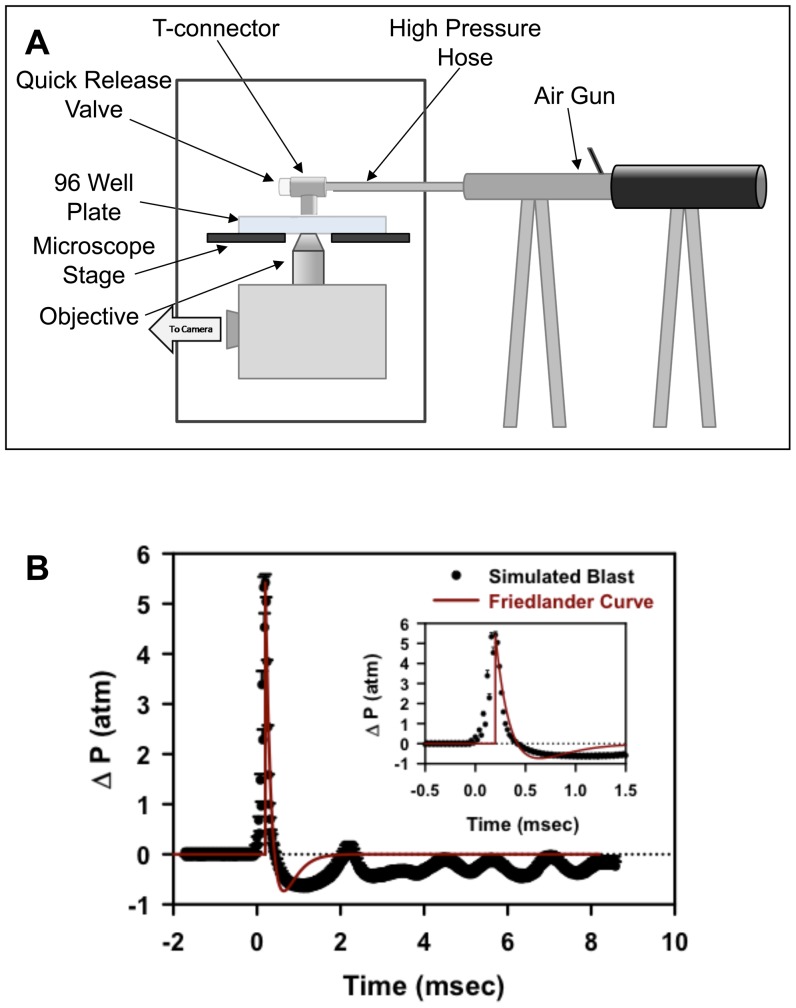
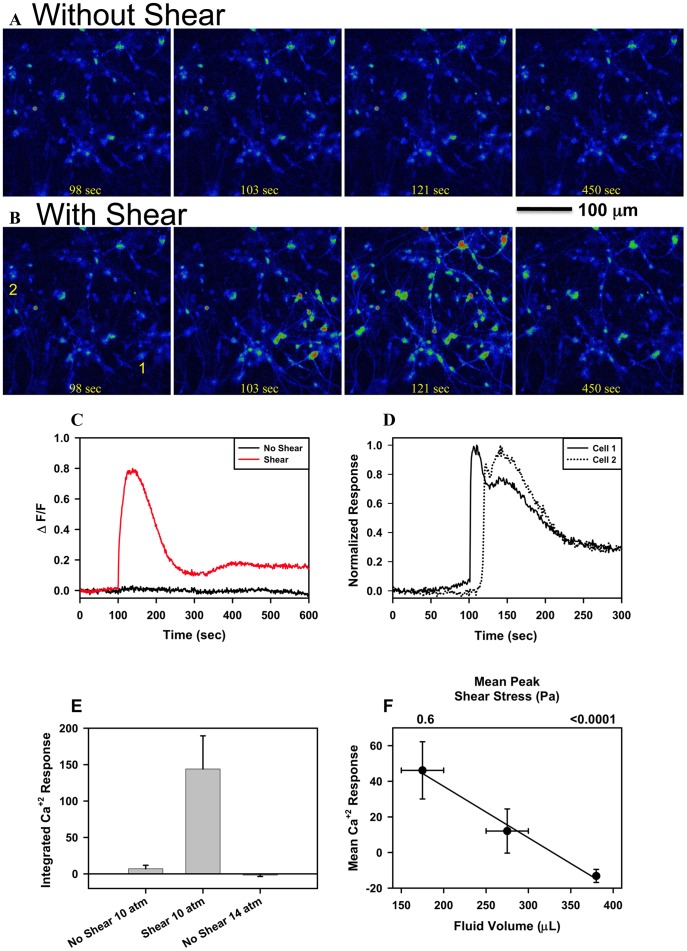
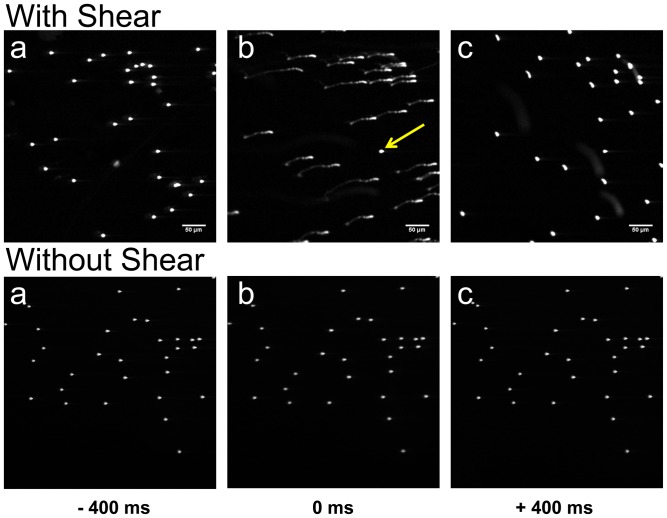
Blast-Induced Traumatic Brain Injury (bTBI) describes a spectrum of injuries caused by an explosive force that results in changes in brain function. The mechanism responsible for primary bTBI following a blast shockwave remains unknown. We have developed a pneumatic device that delivers shockwaves, similar to those known to induce bTBI, within a chamber optimal for fluorescence microscopy. Abrupt changes in pressure can be created with and without the presence of shear forces at the surface of cells. In primary cultures of human central nervous system cells, the cellular calcium response to shockwaves alone was negligible. Even when the applied pressure reached 15 atm, there was no damage or excitation, unless concomitant shear forces, peaking between 0.3 to 0.7 Pa, were present at the cell surface. The probability of cellular injury in response to a shockwave was low and cell survival was unaffected 20 hours after shockwave exposure.
爆炸导致的创伤性脑损伤 (bTBI) 描述了一系列由爆炸力引起的损伤,导致大脑功能发生变化。目前仍不清楚导致爆炸冲击波后原发性 bTBI 的机制。我们开发了一种气动装置,可在一个非常适合荧光显微镜的腔室内产生类似于已知可导致 bTBI 的冲击波。在细胞表面存在和不存在切变力的情况下,都可以产生压力的急剧变化。在原代培养的人类中枢神经系统细胞中,单独的冲击波引起的细胞钙反应可以忽略不计。即使施加的压力达到 15 个大气压,也不会造成损伤或兴奋,除非在细胞表面同时存在峰值在 0.3 到 0.7 Pa 之间的切变力。细胞对冲击波产生损伤的概率较低,冲击波暴露 20 小时后细胞存活率不受影响。