Seene Teet, Kaasik Priit
Institute of Exercise Biology and Physiotherapy, University of Tartu, Ravila 14a, 50411 Tartu, Estonia.
J Aging Res. 2012;2012:172492. doi: 10.1155/2012/172492. Epub 2012 Jun 17.
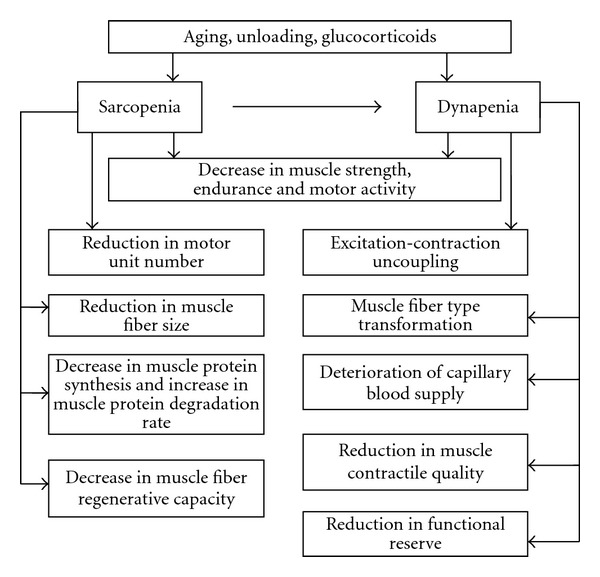
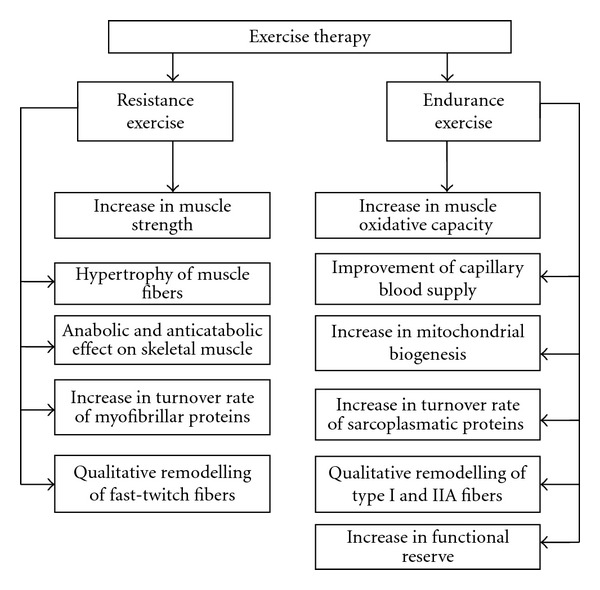
Changes in skeletal muscle quantity and quality lead to disability in the aging population. Physiological changes in aging skeletal muscle are associated with a decline in mass, strength, and inability to maintain balance. Glucocorticoids, which are in wide exploitation in various clinical scenarios, lead to the loss of the myofibrillar apparatus, changes in the extracellular matrix, and a decrease in muscle strength and motor activity, particularly in the elderly. Exercise therapy has shown to be a useful tool for the prevention of different diseases, including glucocorticoid myopathy and muscle unloading in the elderly. The purpose of the paper is to discuss the possibilities of using exercise therapy in the prevention of glucocorticoid caused myopathy and unloading in the elderly and to describe relationships between the muscle contractile apparatus and the extracellular matrix in different types of aging muscles.
骨骼肌数量和质量的变化会导致老年人群体出现残疾。衰老骨骼肌的生理变化与肌肉质量下降、力量减弱以及无法维持平衡有关。糖皮质激素在各种临床场景中广泛应用,会导致肌原纤维装置丧失、细胞外基质变化以及肌肉力量和运动活性降低,在老年人中尤为明显。运动疗法已被证明是预防包括糖皮质激素性肌病和老年人肌肉失用在内的不同疾病的有效手段。本文旨在探讨运动疗法在预防老年人糖皮质激素引起的肌病和肌肉失用方面的可能性,并描述不同类型衰老肌肉中肌肉收缩装置与细胞外基质之间的关系。