Stellenbosch Institute of Advanced Study, Wallenberg Research Center at Stellenbosch University, Stellenbosch, South Africa.
Front Immunol. 2012 Jul 9;3:194. doi: 10.3389/fimmu.2012.00194. eCollection 2012.
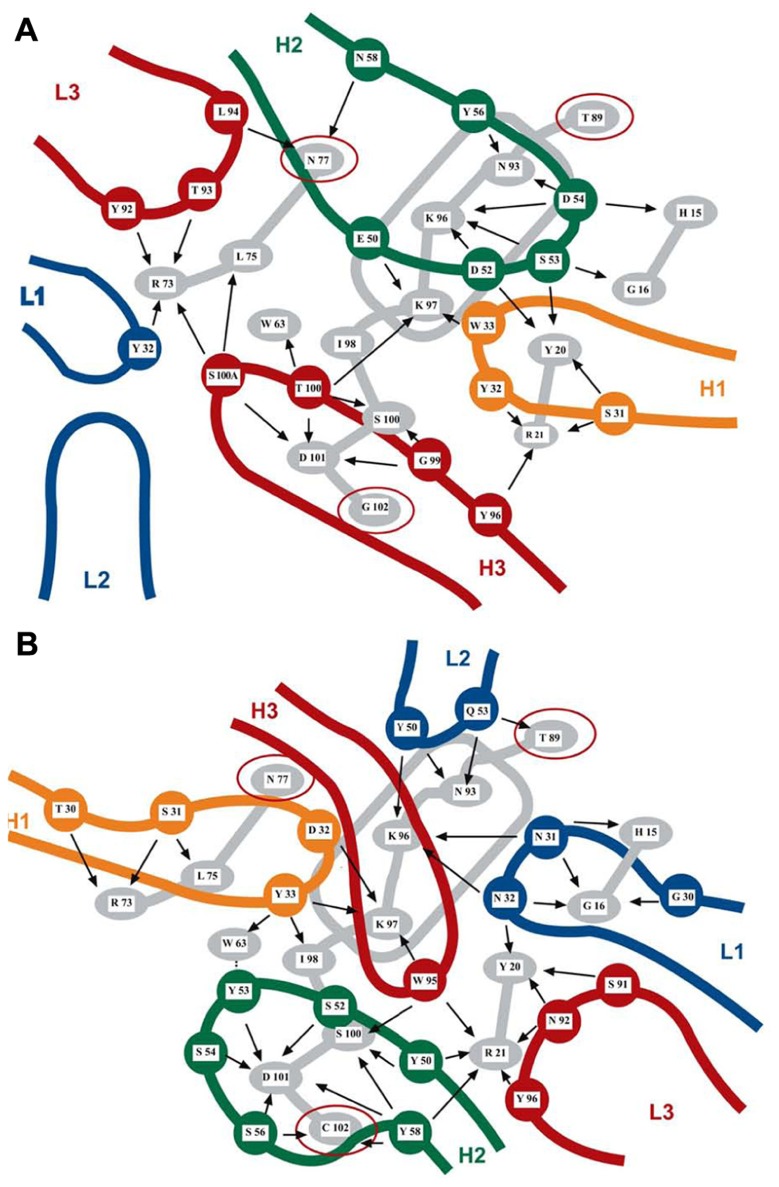
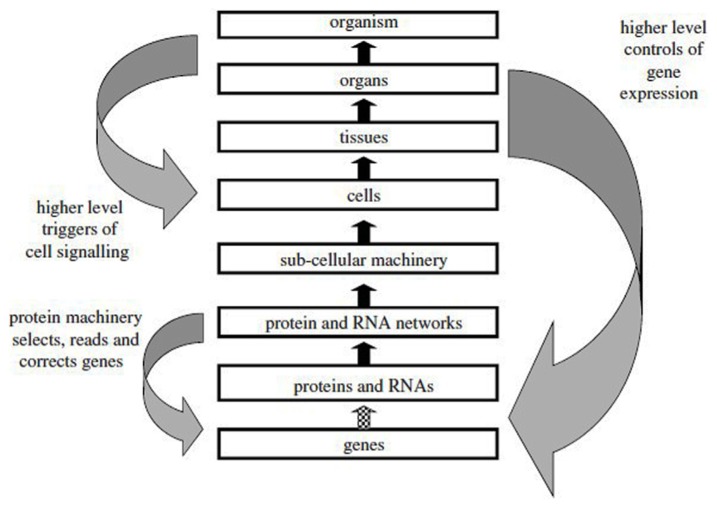
This review describes the structure-based reverse vaccinology approach aimed at developing vaccine immunogens capable of inducing antibodies that broadly neutralize HIV-1. Some basic principles of protein immunochemistry are reviewed and the implications of the extensive polyspecificity of antibodies for vaccine development are underlined. Although it is natural for investigators to want to know the cause of an effective immunological intervention, the classic notion of causality is shown to have little explanatory value for a system as complex as the immune system, where any observed effect always results from many interactions between a large number of components. Causal explanations are reductive because a single factor is singled out for attention and given undue explanatory weight on its own. Other examples of the negative impact of reductionist thinking on HIV vaccine development are discussed. These include (1) the failure to distinguish between the chemical nature of antigenicity and the biological nature of immunogenicity, (2) the belief that when an HIV-1 epitope is reconstructed by rational design to better fit a neutralizing monoclonal antibody (nMab), this will produce an immunogen able to elicit Abs with the same neutralizing capacity as the Ab used as template for designing the antigen, and (3) the belief that protection against infection can be analyzed at the level of individual molecular interactions although it has meaning only at the level of an entire organism. The numerous unsuccessful strategies that have been used to design HIV-1 vaccine immunogens are described and it is suggested that the convergence of so many negative experimental results justifies the conclusion that reverse vaccinology is unlikely to lead to the development of a preventive HIV-1 vaccine. Immune correlates of protection in vaccines have not yet been identified because this will become feasible only retrospectively once an effective vaccine exists. The finding that extensive antibody affinity maturation is needed to obtain mature anti-HIV-1 Abs endowed with a broad neutralizing capacity explains why antigens designed to fit matured Mabs are not effective vaccine immunogens since these are administered to naive recipients who possess only B-cell receptors corresponding to the germline version of the matured Abs.
这篇综述描述了基于结构的反向疫苗学方法,旨在开发能够诱导广泛中和 HIV-1 抗体的疫苗免疫原。本文回顾了一些蛋白质免疫化学的基本原理,并强调了抗体的广泛多特异性对疫苗开发的影响。尽管研究人员自然希望了解免疫干预的原因,但经典的因果关系概念对于免疫系统这样复杂的系统几乎没有解释价值,因为任何观察到的效果总是来自于大量成分之间的许多相互作用。因果解释是简化的,因为单个因素被挑出来单独注意,并赋予其不应有的解释权重。还讨论了还原论思维对 HIV 疫苗开发的其他负面影响的例子。这些例子包括:(1)未能区分抗原性的化学性质和免疫原性的生物学性质;(2)认为当通过合理设计重建 HIV-1 表位以更好地适应中和单克隆抗体 (nMab) 时,这将产生一种免疫原,能够诱导具有与用于设计抗原的 Ab 相同中和能力的 Ab;(3)认为尽管只有在整个生物体水平上才有意义,但可以在单个分子相互作用水平上分析感染保护。描述了用于设计 HIV-1 疫苗免疫原的许多不成功的策略,并提出如此多的负面实验结果的收敛性证明了反向疫苗学不太可能导致预防性 HIV-1 疫苗的开发。疫苗中的保护性免疫相关物尚未被鉴定,因为只有在存在有效疫苗的情况下,才能从回顾性角度确定这一点。广泛的抗体亲和力成熟是获得具有广泛中和能力的成熟抗 HIV-1 Abs 所必需的这一发现,解释了为什么设计为适应成熟 Mab 的抗原不是有效的疫苗免疫原,因为这些抗原被施用于仅具有对应于成熟 Abs 的种系版本的幼稚 B 细胞受体的受体的受体。