China-UK HUST-RRes Genetic Engineering and Genomics Joint Laboratory, International Science and Technology Cooperation Base (Genetic Engineering) of Chinese Ministry of Science and Technology, The key laboratory of Molecular Biophysics of Chinese Ministry of Education, College of Life Science and Technology, Huazhong University of Science and Technology (HUST), Luoyu Road 1037, Wuhan 430074, China.
Evol Bioinform Online. 2012;8:321-55. doi: 10.4137/EBO.S9369. Epub 2012 Jun 21.
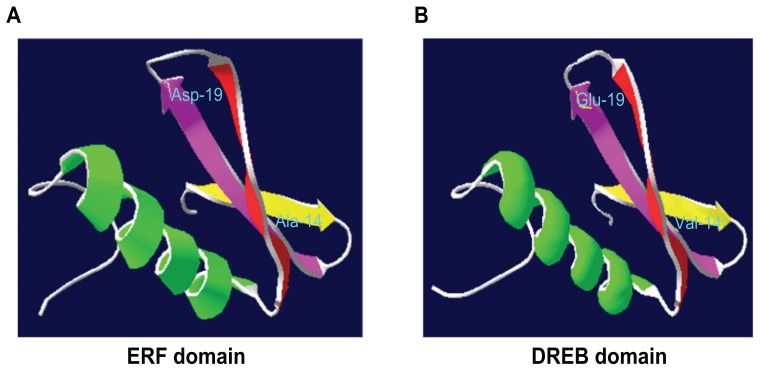
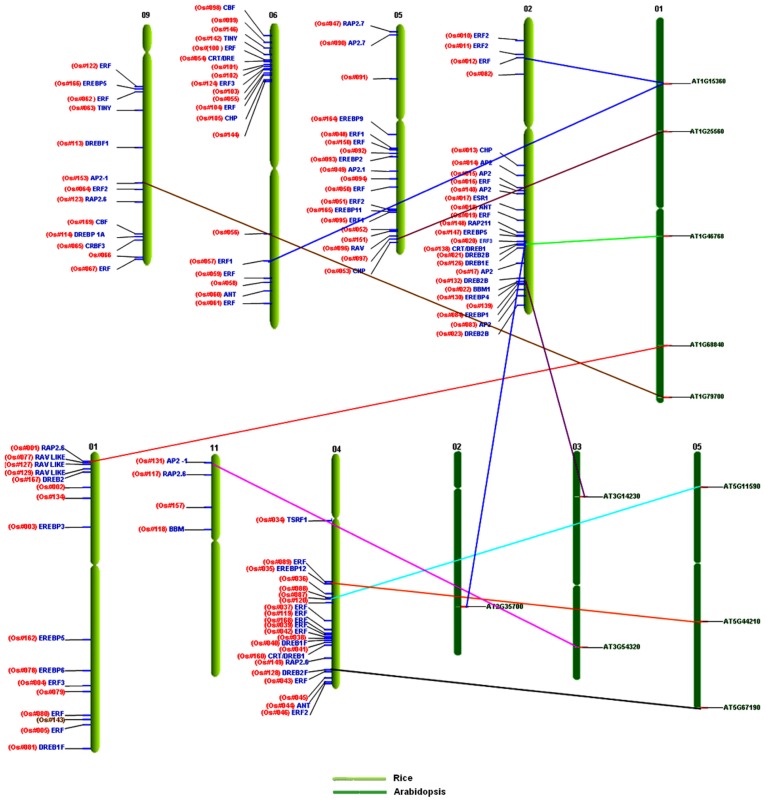
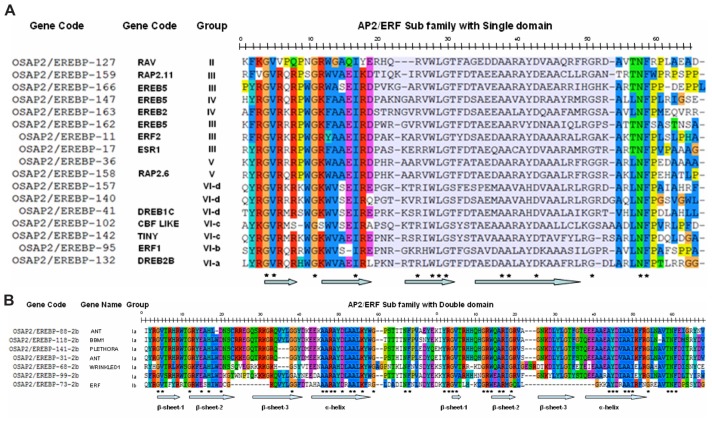
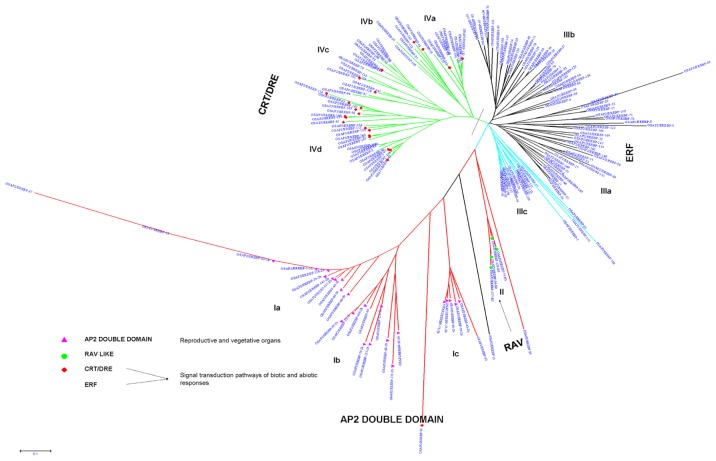
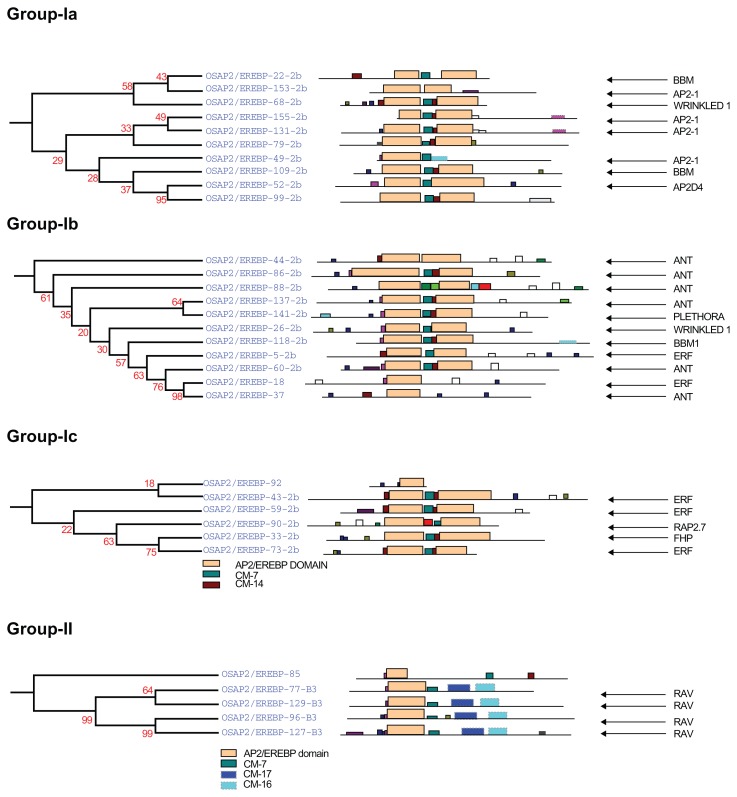
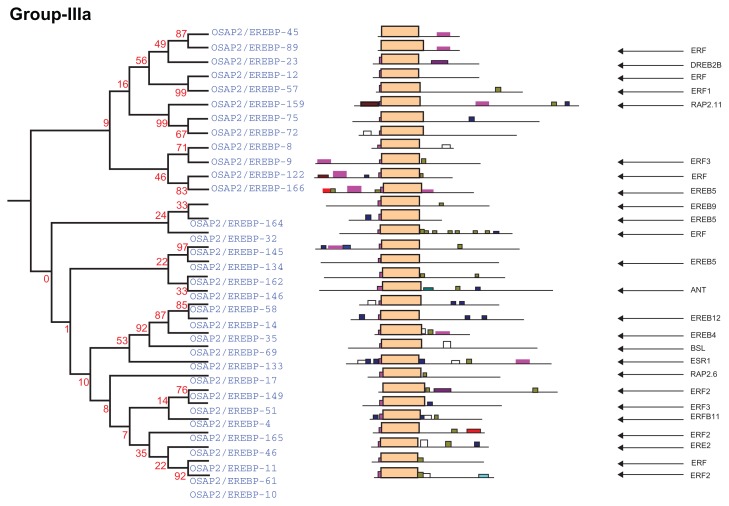
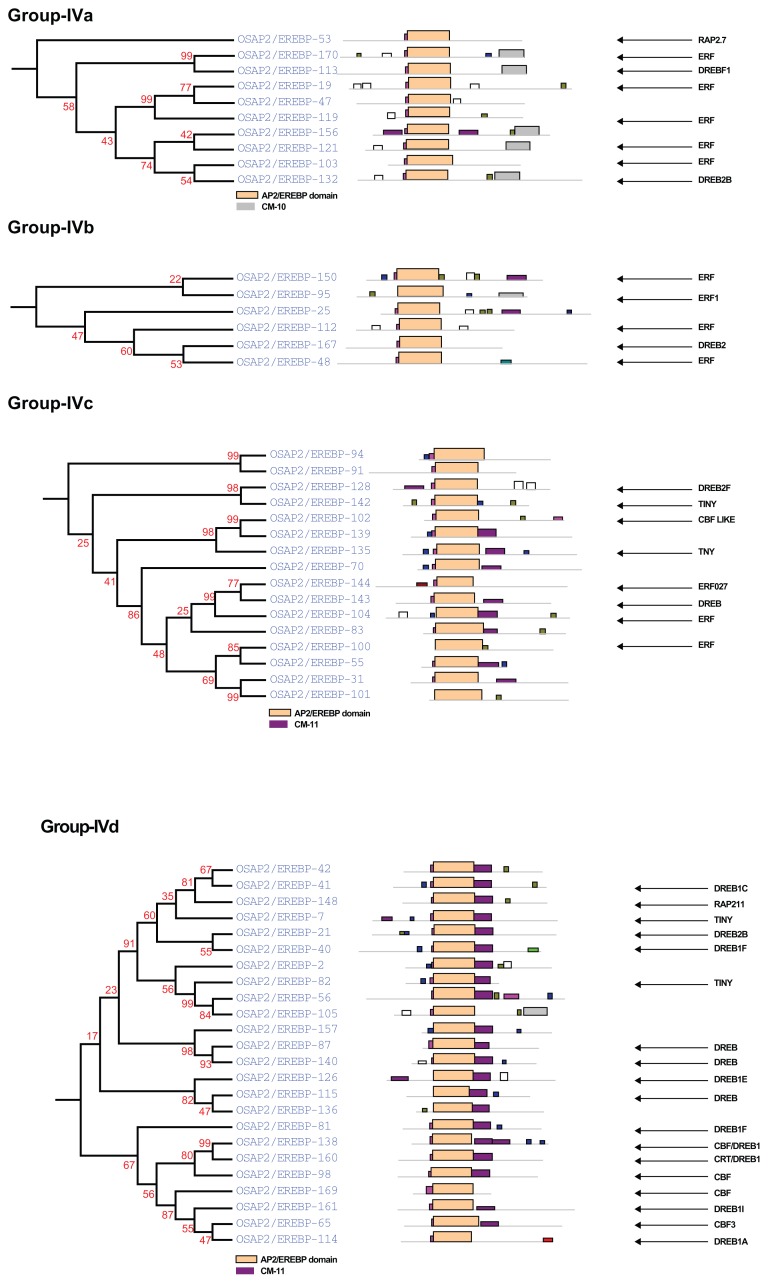
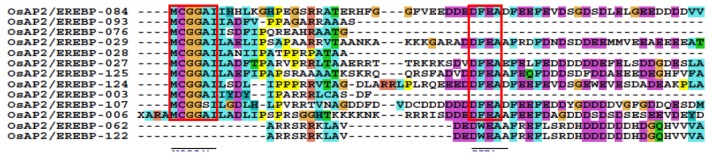
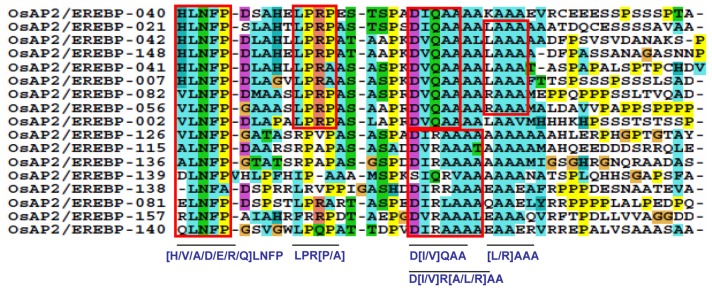
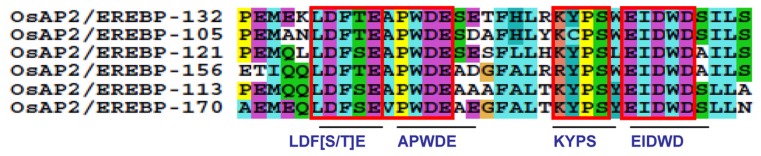
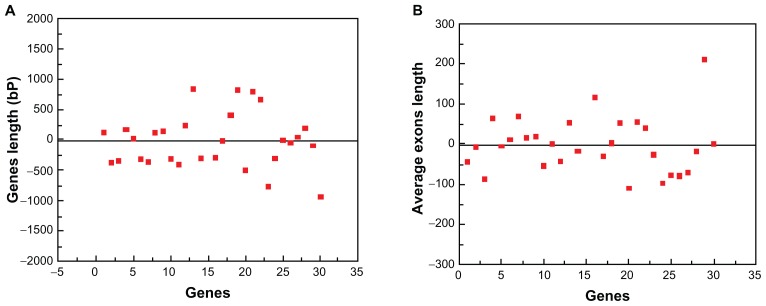
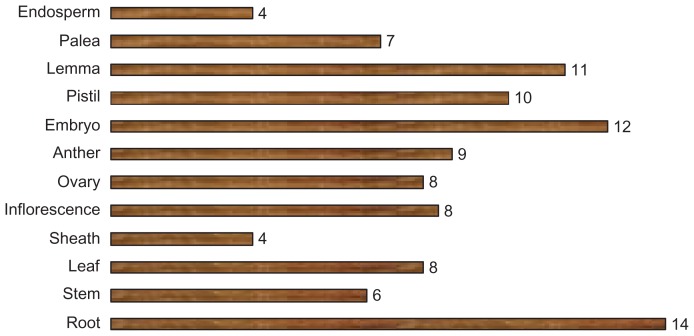
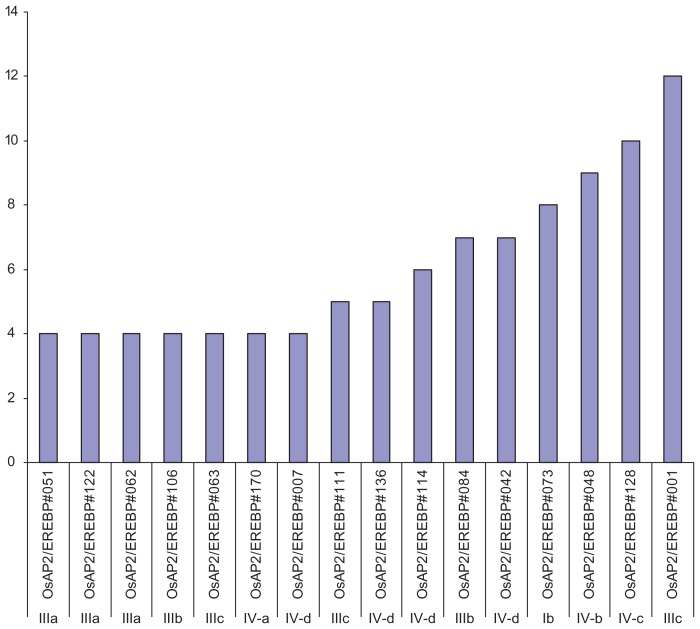
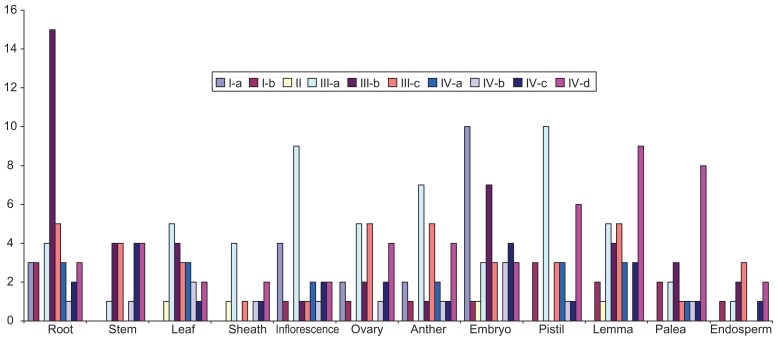
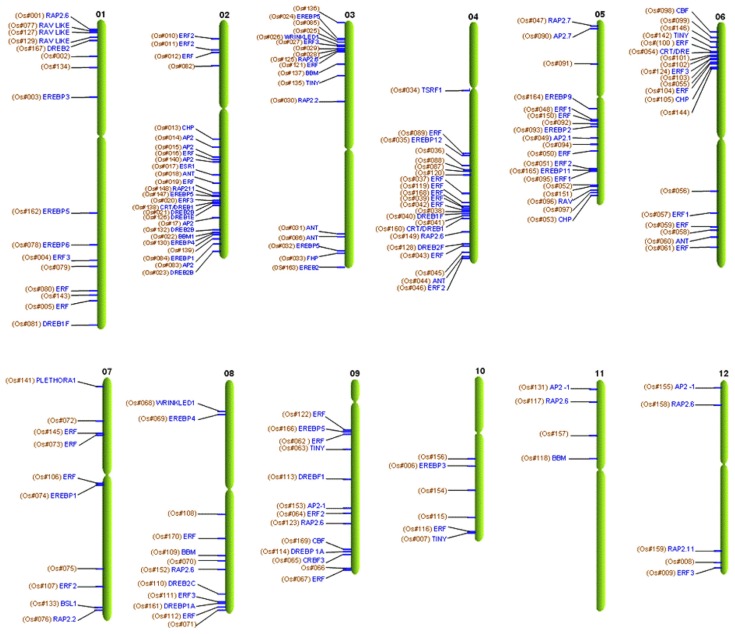
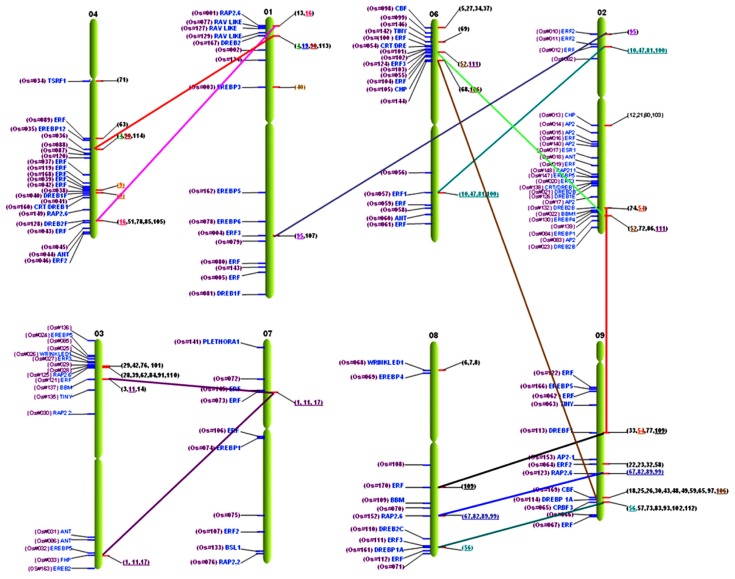
The transcription factor family intimately regulates gene expression in response to hormones, biotic and abiotic factors, symbiotic interactions, cell differentiation, and stress signalling pathways in plants. In this study, 170 AP2/ERF family genes are identified by phylogenetic analysis of the rice genome (Oryza sativa l. japonica) and they are divided into a total of 11 groups, including four major groups (AP2, ERF, DREB, and RAV), 10 subgroups, and two soloists. Gene structure analysis revealed that, at position-6, the amino acid threonine (Thr-6) is conserved in the double domain AP2 proteins compared to the amino acid arginine (Arg-6), which is preserved in the single domain of ERF proteins. In addition, the histidine (His) amino acid is found in both domains of the double domain AP2 protein, which is missing in single domain ERF proteins. Motif analysis indicates that most of the conserved motifs, apart from the AP2/ERF domain, are exclusively distributed among the specific clades in the phylogenetic tree and regulate plausible functions. Expression analysis reveals a widespread distribution of the rice AP2/ERF family genes within plant tissues. In the vegetative organs, the transcripts of these genes are found most abundant in the roots followed by the leaf and stem; whereas, in reproductive tissues, the gene expression of this family is observed high in the embryo and lemma. From chromosomal localization, it appears that repetition and tandem-duplication may contribute to the evolution of new genes in the rice genome. In this study, interspecies comparisons between rice and wheat reveal 34 rice loci and unveil the extent of collinearity between the two genomes. It was subsequently ascertained that chromosome-9 has more orthologous loci for CRT/DRE genes whereas chromosome-2 exhibits orthologs for ERF subfamily members. Maximum conserved synteny is found in chromosome-3 for AP2 double domain subfamily genes. Macrosynteny between rice and Arabidopsis, a distant, related genome, uncovered 11 homologs/orthologs loci in both genomes. The distribution of AP2/ERF family gene paralogs in Arabidopsis was most frequent in chromosome-1 followed by chromosome-5. In Arabidopsis, ERF subfamily gene orthologs are found on chromosome-1, chromosome-3, and chromosome-5, whereas DRE subfamily genes are found on chromosome-2 and chromosome-5. Orthologs for RAV and AP2 with double domains in Arabidopsis are located on chromosome-1 and chromosome-3, respectively. In conclusion, the data generated in this survey will be useful for conducting genomic research to determine the precise role of the AP2/ERF gene during stress responses with the ultimate goal of improving crops.
转录因子家族通过激素、生物和非生物因素、共生相互作用、细胞分化和应激信号通路,密切调节基因表达。在这项研究中,通过对水稻基因组(Oryza sativa l. japonica)的系统发育分析,鉴定了 170 个 AP2/ERF 家族基因,它们总共分为 11 组,包括四个主要组(AP2、ERF、DREB 和 RAV)、10 个亚组和两个独奏者。基因结构分析表明,与单域 ERF 蛋白中保守的精氨酸(Arg-6)相比,双域 AP2 蛋白中第 6 位的氨基酸苏氨酸(Thr-6)是保守的。此外,双域 AP2 蛋白的两个结构域中都存在组氨酸(His)氨基酸,而单域 ERF 蛋白中则没有。基序分析表明,除了 AP2/ERF 结构域外,大多数保守基序仅在系统发育树的特定分支中分布,并调节可能的功能。表达分析表明,水稻 AP2/ERF 家族基因在植物组织中广泛分布。在营养器官中,这些基因的转录物在根中最丰富,其次是叶和茎;而在生殖组织中,该家族的基因表达在胚胎和外稃中较高。从染色体定位来看,重复和串联复制可能有助于水稻基因组中新基因的进化。在这项研究中,水稻和小麦之间的种间比较揭示了 34 个水稻基因座,并揭示了两个基因组之间的共线性程度。随后确定,9 号染色体上有更多 CRT/DRE 基因的直系同源物,而 2 号染色体上则有 ERF 亚家族成员的直系同源物。AP2 双域亚家族基因的最大保守同线性位于 3 号染色体上。水稻和远缘相关基因组拟南芥之间的宏同线性揭示了两个基因组中的 11 个同源/直系同源基因座。在拟南芥中,AP2/ERF 家族基因的旁系同源物最常见于 1 号染色体,其次是 5 号染色体。在拟南芥中,ERF 亚家族基因的直系同源物位于 1 号染色体、3 号染色体和 5 号染色体上,而 DRE 亚家族基因位于 2 号染色体和 5 号染色体上。拟南芥中的 RAV 和 AP2 与双域的直系同源物分别位于 1 号染色体和 3 号染色体上。总之,本研究中获得的数据将有助于进行基因组研究,以确定 AP2/ERF 基因在应激反应中的精确作用,最终目标是改善作物。