Division of Human Biology, Fred Hutchinson Cancer Research Center, Seattle, Washington, United States of America.
PLoS Pathog. 2012;8(7):e1002807. doi: 10.1371/journal.ppat.1002807. Epub 2012 Jul 12.
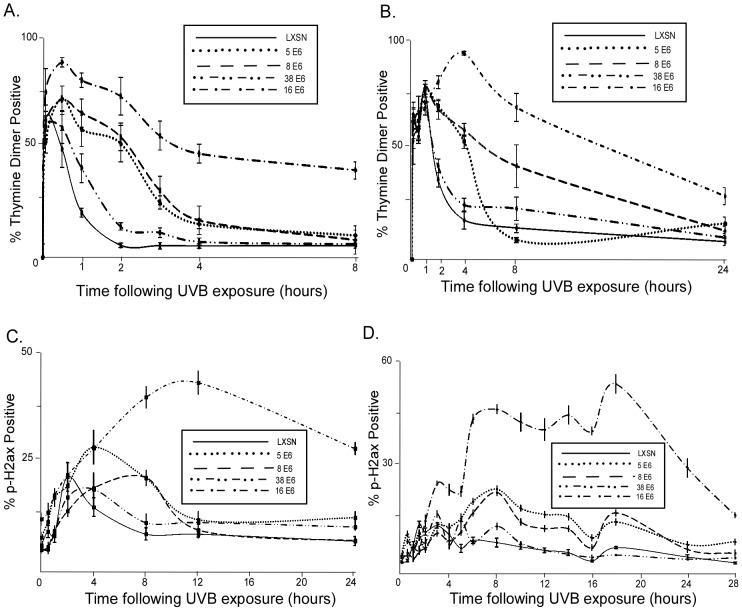
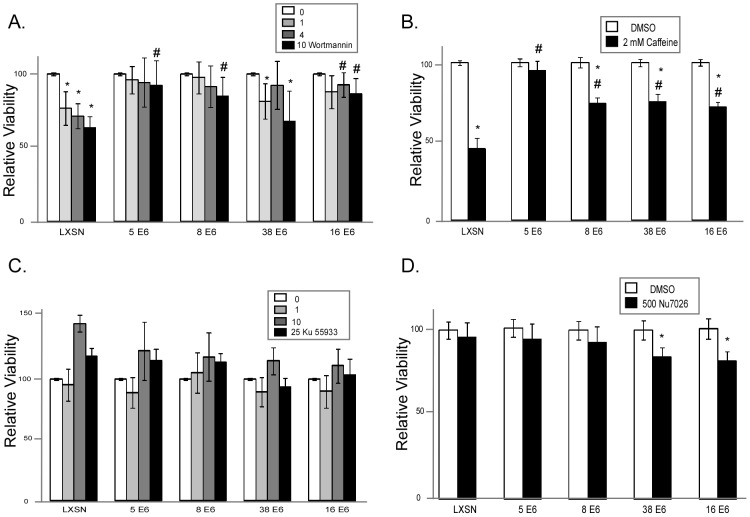
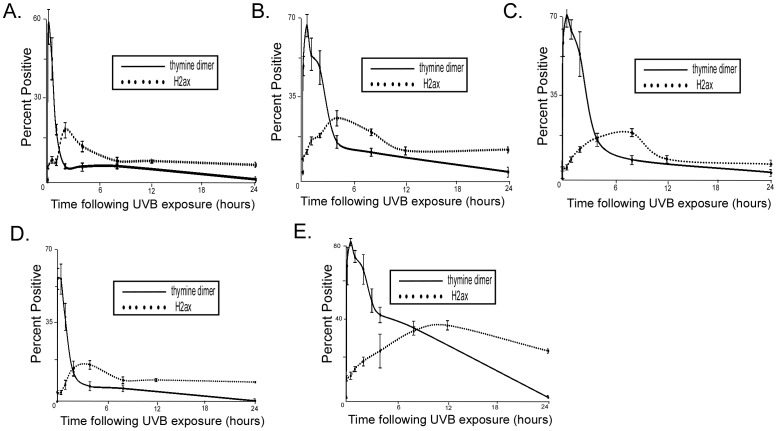
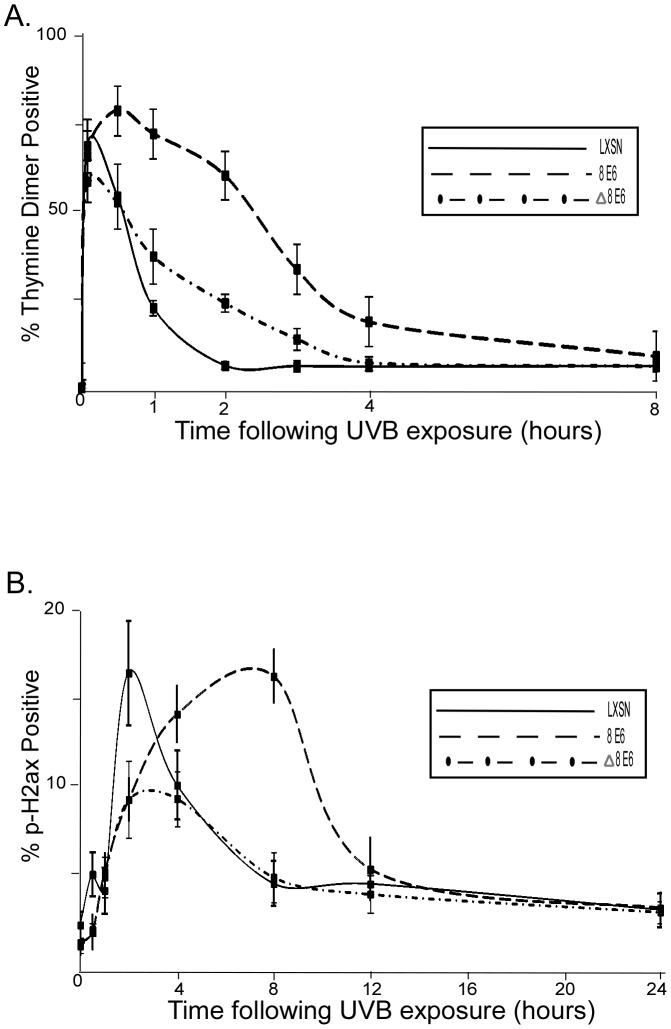
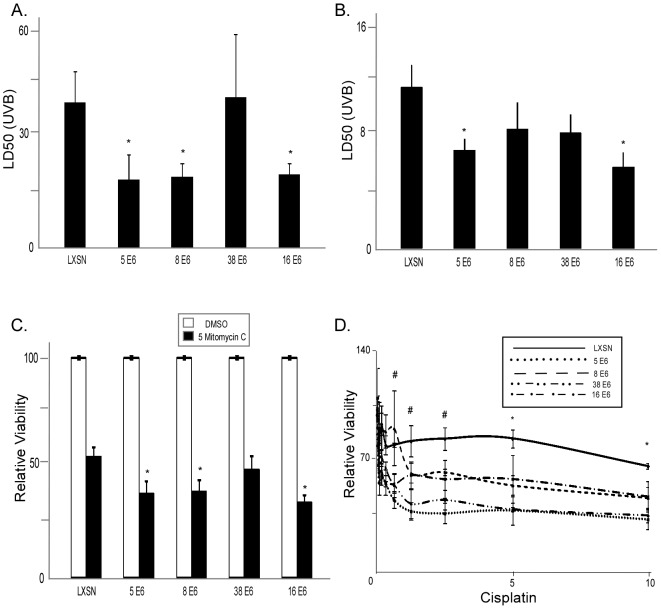
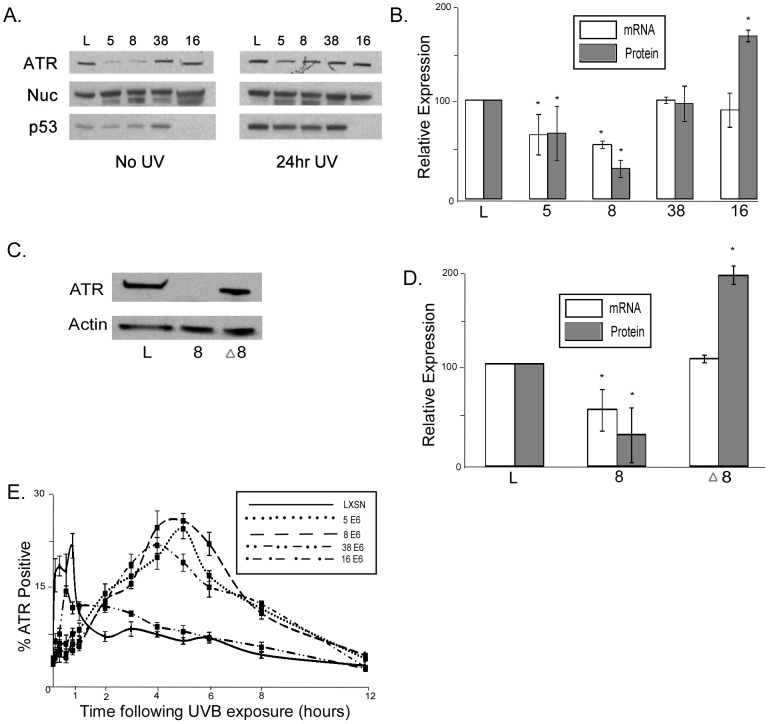
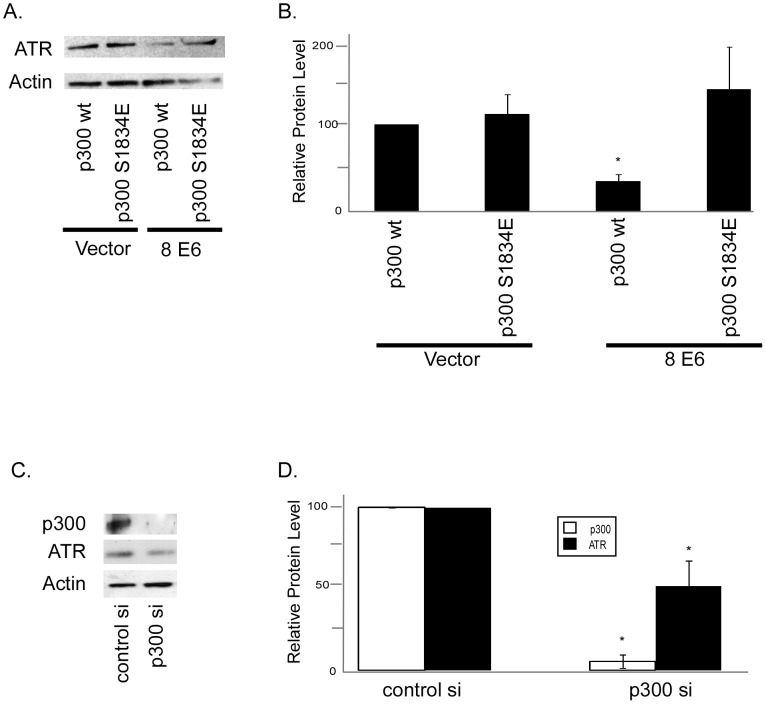
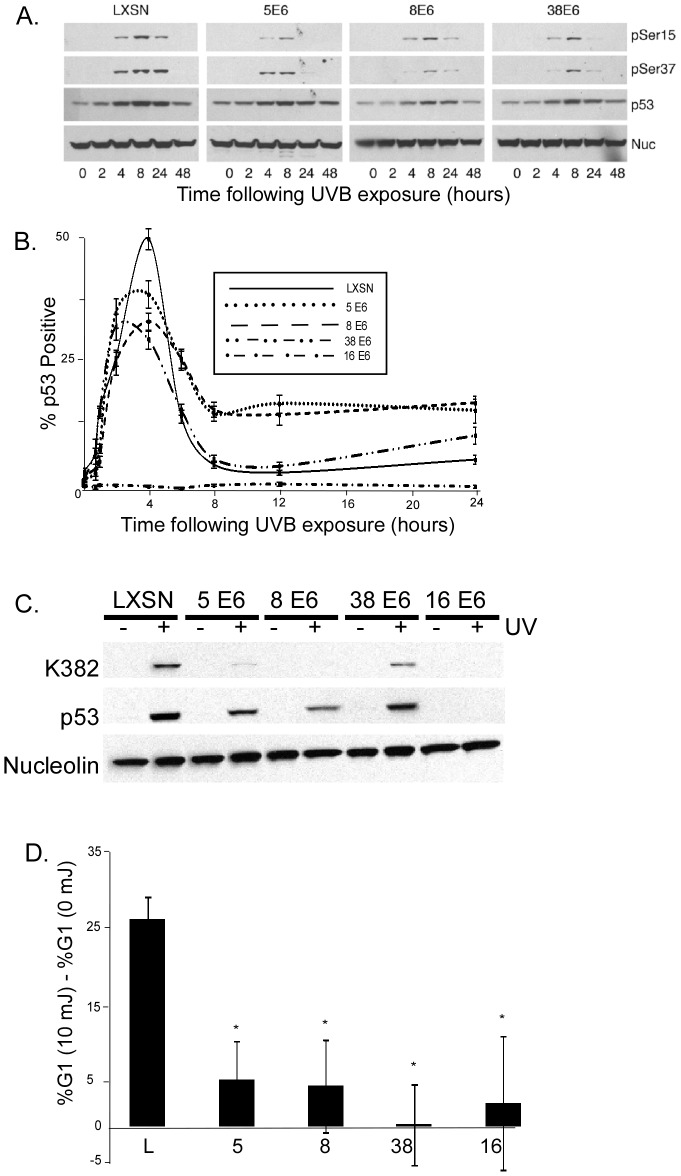
The role of the E6 oncoprotein from high-risk members of the α human papillomavirus genus in anogenital cancer has been well established. However, far less is known about the E6 protein from the β human papillomavirus genus (β-HPVs). Some β-HPVs potentially play a role in non-melanoma skin cancer development, although they are not required for tumor maintenance. Instead, they may act as a co-factor that enhances the carcinogenic potential of UV damage. Indeed, the E6 protein from certain β-HPVs (HPV 5 and 8) promotes the degradation of p300, a histone acetyl transferase involved in UV damage repair. Here, we show that the expression of HPV 5 and 8 E6 increases thymine dimer persistence as well as the likelihood of a UVB induced double strand break (DSB). Importantly, we provide a mechanism for the increased DNA damage by showing that both extended thymine dimer persistence as well as elevated DSB levels are dependent on the ability of HPV 8 E6 to promote p300 degradation. We further demonstrate that HPV 5 and 8 E6 expression reduces the mRNA and protein levels of ATR, a PI3 kinase family member that plays a key role in UV damage signaling, but that these levels remain unperturbed in cells expressing a mutated HPV 8 E6 incapable of promoting p300 degradation. We confirm that the degradation of p300 leads to a reduction in ATR protein levels, by showing that ATR levels rebound when a p300 mutant resistant to HPV 8 mediated degradation and HPV 8 E6 are co-transfected. Conversely, we show that ATR protein levels are reduced when p300 is targeted for degradation by siRNA. Moreover, we show the reduced ATR levels in HPV 5 and 8 E6 expressing cells results in delayed ATR activation and an attenuated ability of cells to phosphorylate, and as a result accumulate, p53 in response to UVB exposure, leading to significantly reduced cell cycle arrest. In conclusion, these data demonstrate that β-HPV E6 expression can enhance the carcinogenic potential of UVB exposure by promoting p300 degradation, resulting in a reduction in ATR levels, which leads to increased thymine dimer persistence and increased UVB induced DSBs.
高危型人乳头瘤病毒(α-HPV)的 E6 癌蛋白在肛门生殖器癌中的作用已得到充分证实。然而,人们对β-HPV(β-HPVs)的 E6 蛋白知之甚少。一些β-HPV 可能在非黑色素瘤皮肤癌的发展中起作用,尽管它们不是肿瘤维持所必需的。相反,它们可能作为一种辅助因子,增强紫外线损伤的致癌潜能。事实上,某些β-HPV(HPV 5 和 8)的 E6 蛋白促进组蛋白乙酰转移酶 p300 的降解,该酶参与紫外线损伤修复。在这里,我们表明 HPV 5 和 8 E6 的表达增加了胸腺嘧啶二聚体的持续存在,并增加了 UVB 诱导的双链断裂(DSB)的可能性。重要的是,我们提供了一种机制来解释增加的 DNA 损伤,表明 HPV 8 E6 促进 p300 降解既延长了胸腺嘧啶二聚体的持续存在,又提高了 DSB 水平。我们进一步证明,HPV 5 和 8 E6 的表达降低了 ATR 的 mRNA 和蛋白水平,ATR 是一种在 UV 损伤信号转导中起关键作用的 PI3 激酶家族成员,但在表达不能促进 p300 降解的突变型 HPV 8 E6 的细胞中,这些水平没有受到干扰。我们通过表明当共转染对 HPV 8 介导的降解和 HPV 8 E6 具有抗性的 p300 突变体时,ATR 水平会反弹,证实了 p300 的降解导致 ATR 蛋白水平降低。相反,我们表明当 p300 被 siRNA 靶向降解时,ATR 蛋白水平会降低。此外,我们表明 HPV 5 和 8 E6 表达细胞中的 ATR 水平降低会导致 ATR 激活延迟,并减弱细胞对 UVB 暴露的磷酸化和积累 p53 的能力,从而导致细胞周期阻滞显著减少。总之,这些数据表明,β-HPV E6 的表达可以通过促进 p300 降解来增强 UVB 暴露的致癌潜能,导致 ATR 水平降低,从而导致胸腺嘧啶二聚体持续存在增加和 UVB 诱导的 DSBs 增加。