Instituto de Investigaciones Biomédicas, Department of Human Biochemistry, School of Medicine, University of Buenos Aires, Buenos Aires, Argentina.
PLoS One. 2012;7(7):e40794. doi: 10.1371/journal.pone.0040794. Epub 2012 Jul 13.
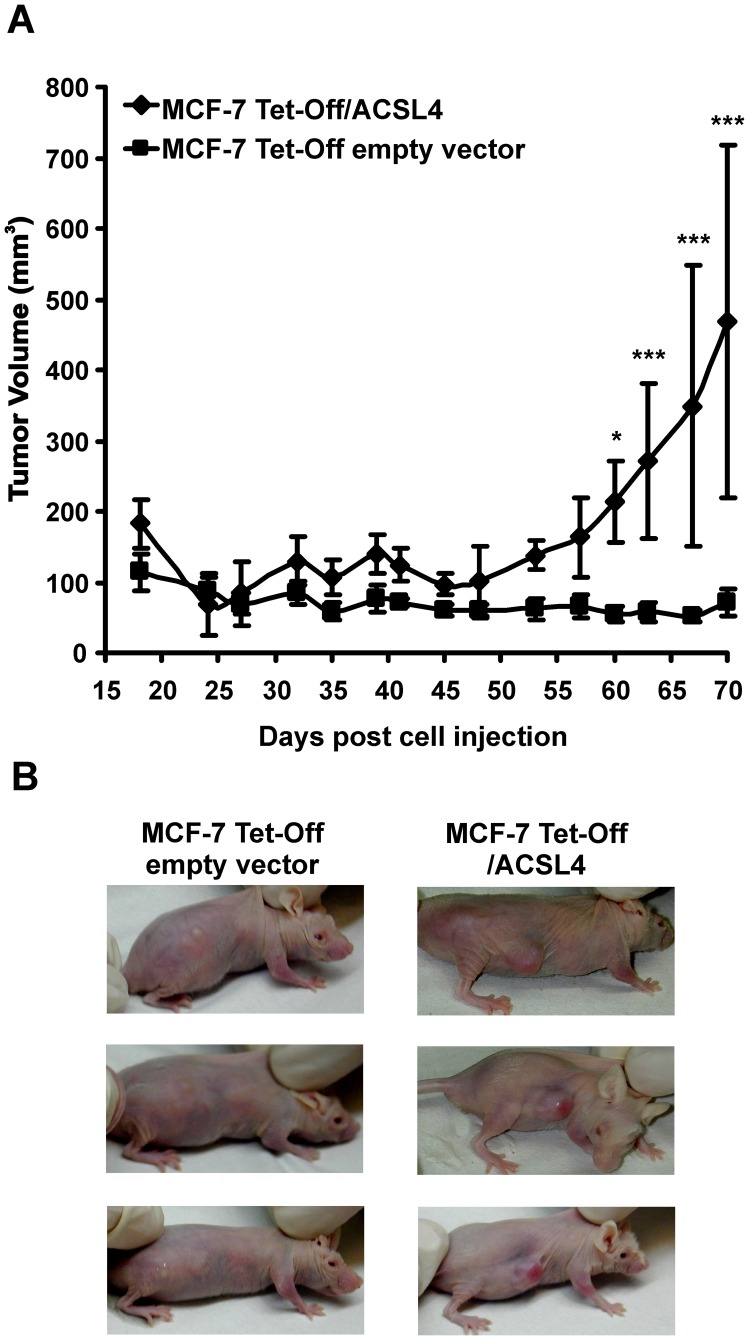
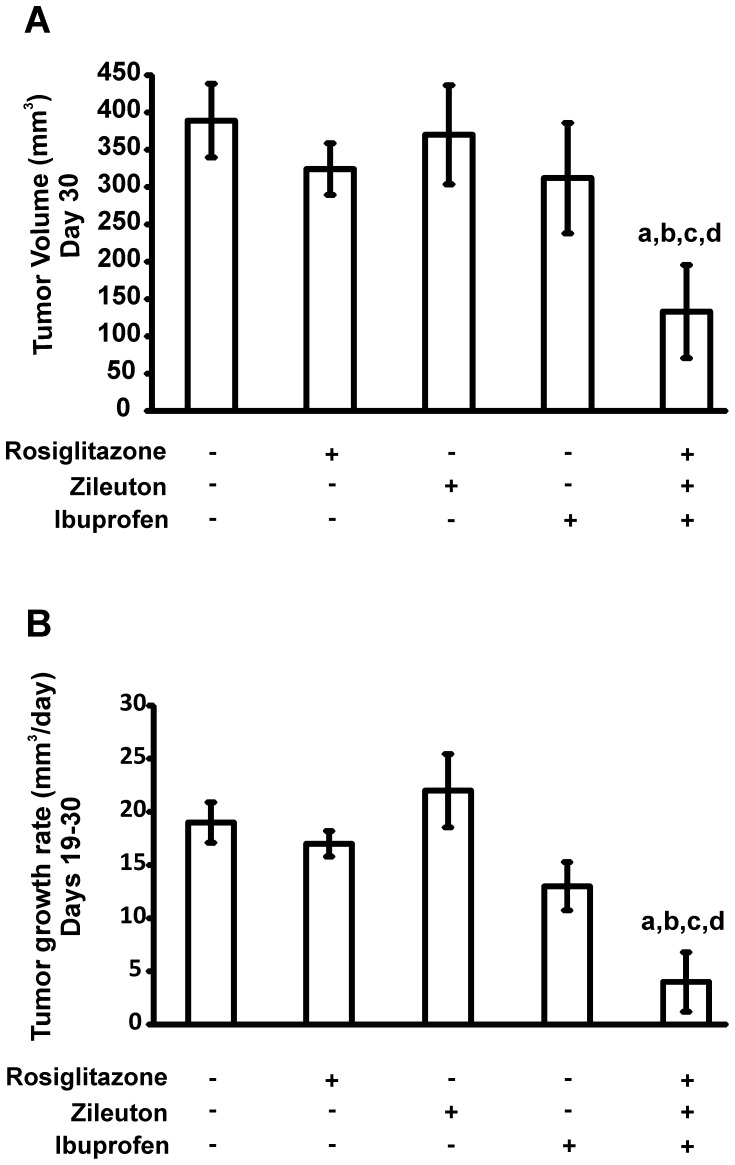
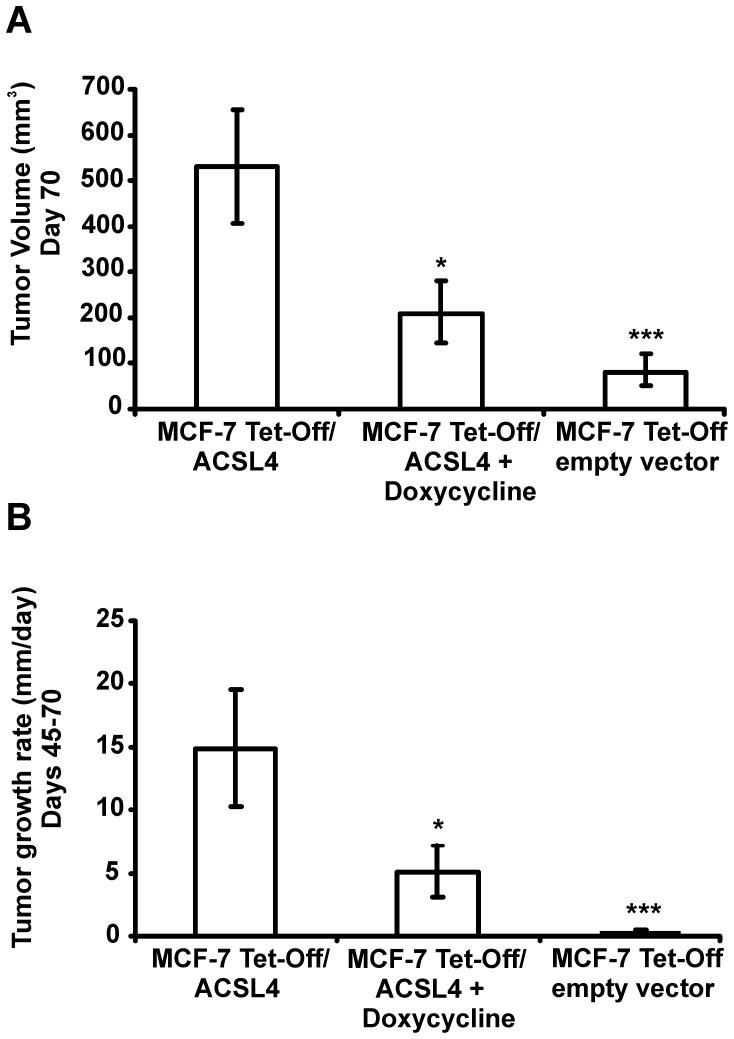
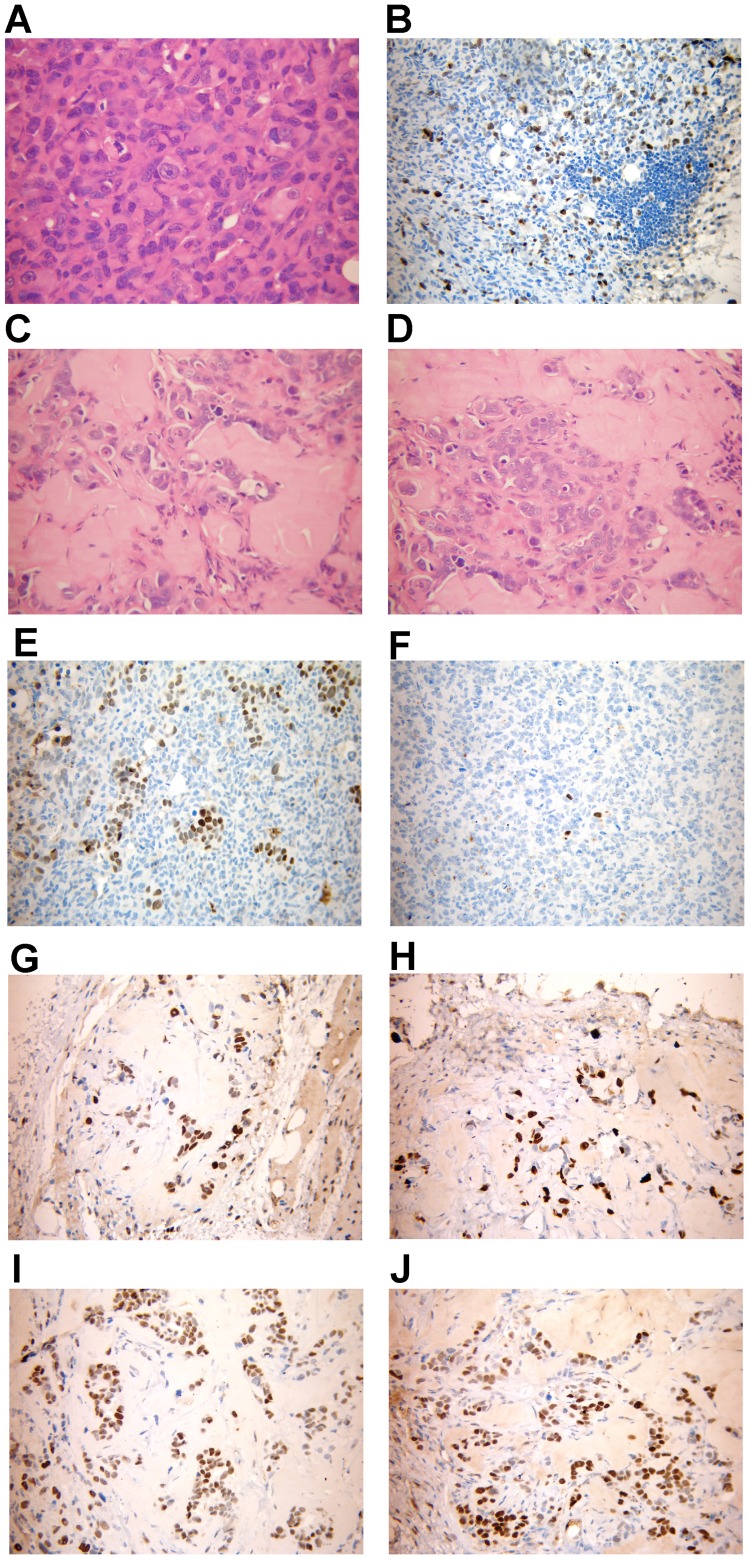
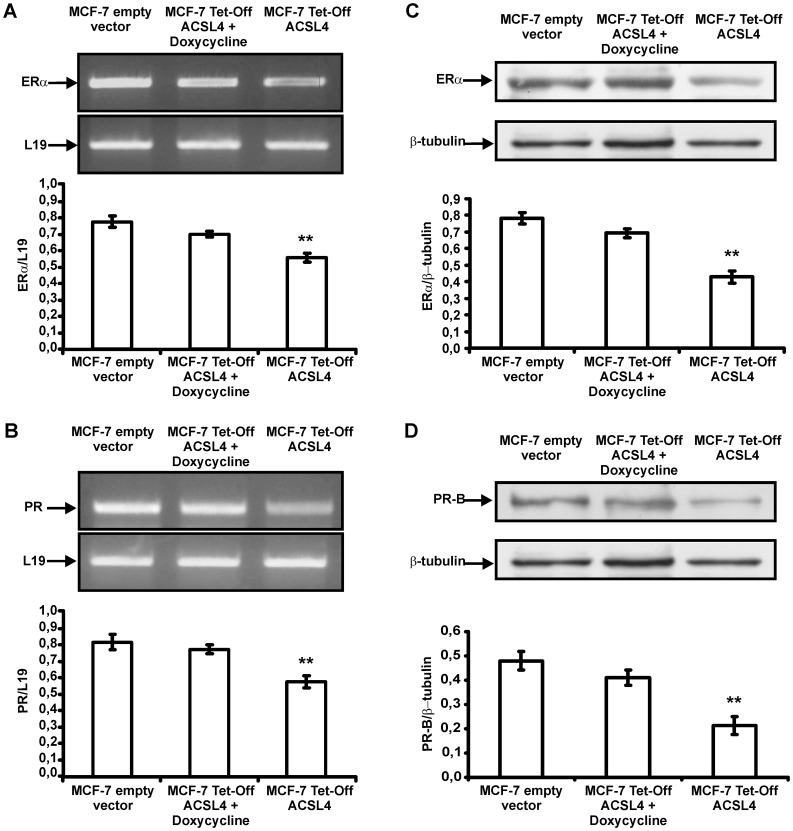
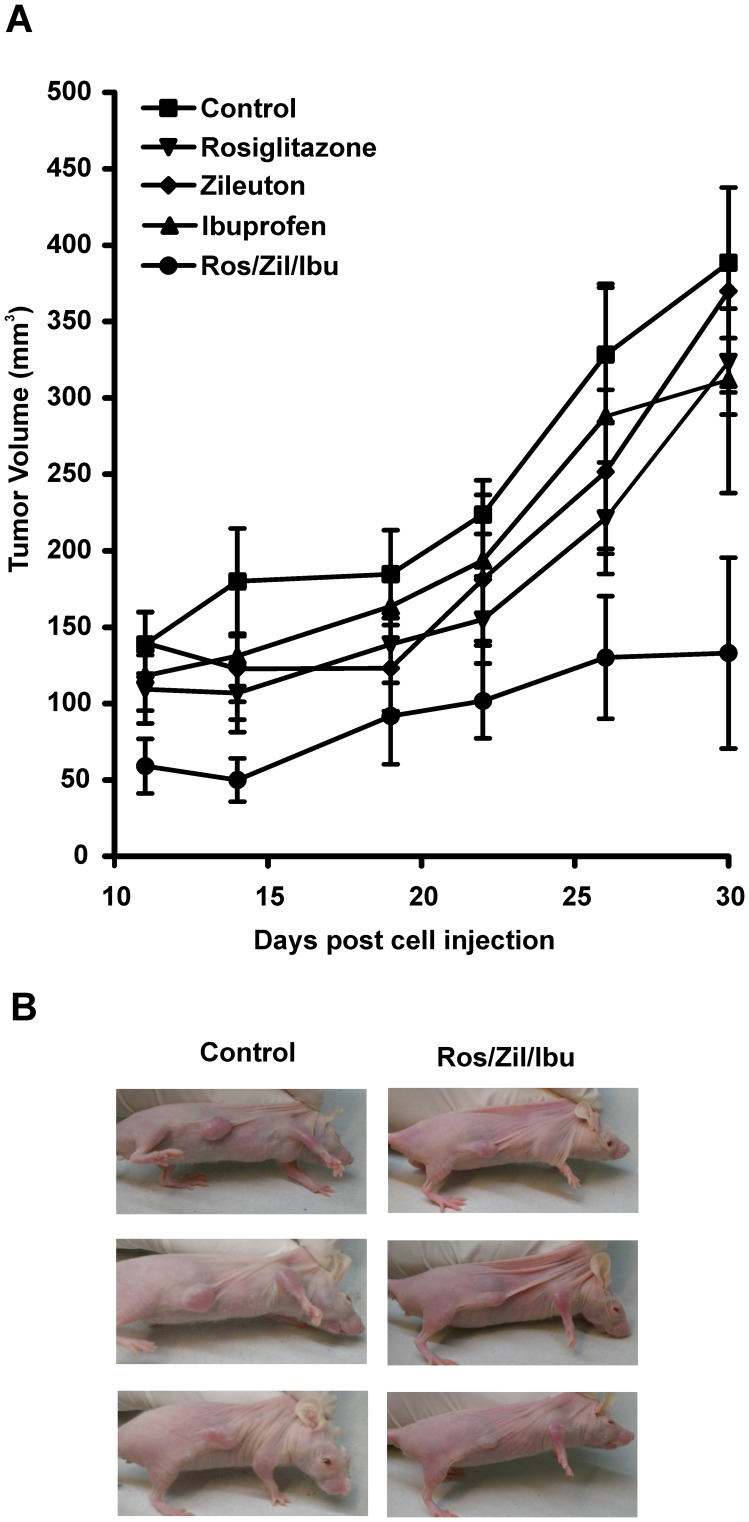
The acyl-CoA synthetase 4 (ACSL4), which esterify mainly arachidonic acid (AA) into acyl-CoA, is increased in breast, colon and hepatocellular carcinoma. The transfection of MCF-7 cells with ACSL4 cDNA transforms the cells into a highly aggressive phenotype and controls both lipooxygenase-5 (LOX-5) and cyclooxygenase-2 (COX-2) metabolism of AA, suggesting a causal role of ACSL4 in tumorigenesis. We hypothesized that ACSL4, LOX-5 and COX-2 may constitute potential therapeutic targets for the control of tumor growth. Therefore, the aim of this study was to use a tetracycline Tet-Off system of MCF-7 xenograft model of breast cancer to confirm the effect of ACSL4 overexpression on tumor growth in vivo. We also aim to determine whether a combinatorial inhibition of the ACSL4-LOX-COX-2 pathway affects tumor growth in vivo using a xenograft model based on MDA-MB-231 cells, a highly aggressive breast cancer cell line naturally overexpressing ACSL4. The first novel finding is that stable transfection of MCF-7 cells with ACSL4 using the tetracycline Tet-Off system of MCF-7 cells resulted in development of growing tumors when injected into nude mice. Tumor xenograft development measured in animals that received doxycycline resulted in tumor growth inhibition. The tumors presented marked nuclear polymorphism, high mitotic index and low expression of estrogen and progesterone receptor. These results demonstrate the transformational capacity of ACSL4 overexpression. We examined the effect of a combination of inhibitors of ACSL4, LOX-5 and COX-2 on MDA-MB-231 tumor xenografts. This treatment markedly reduced tumor growth in doses of these inhibitors that were otherwise ineffective when used alone, indicating a synergistic effect of the compounds. Our results suggest that these enzymes interact functionally and form an integrated system that operates in a concerted manner to regulate tumor growth and consequently may be potential therapeutic targets for the control of proliferation as well as metastatic potential of cancer cells.
酰基辅酶 A 合成酶 4(ACSL4)主要将花生四烯酸(AA)酯化形成酰基辅酶 A,在乳腺癌、结肠癌和肝癌中增加。MCF-7 细胞中 ACSL4 cDNA 的转染将细胞转化为高度侵袭性表型,并控制 AA 的脂加氧酶-5(LOX-5)和环氧化酶-2(COX-2)代谢,表明 ACSL4 在肿瘤发生中起因果作用。我们假设 ACSL4、LOX-5 和 COX-2 可能构成控制肿瘤生长的潜在治疗靶点。因此,本研究的目的是使用 MCF-7 乳腺癌异种移植模型的四环素 Tet-Off 系统来确认 ACSL4 过表达对体内肿瘤生长的影响。我们还旨在使用基于 MDA-MB-231 细胞的异种移植模型确定 ACSL4-LOX-COX-2 途径的组合抑制是否会影响体内肿瘤生长,MDA-MB-231 细胞是一种高度侵袭性的乳腺癌细胞系,天然过表达 ACSL4。第一个新发现是,使用 MCF-7 细胞的四环素 Tet-Off 系统稳定转染 MCF-7 细胞中的 ACSL4 导致注射到裸鼠中的肿瘤生长。接受强力霉素的动物中肿瘤异种移植的发展导致肿瘤生长抑制。肿瘤呈现出明显的核多态性、高有丝分裂指数和低雌激素和孕激素受体表达。这些结果证明了 ACSL4 过表达的转化能力。我们研究了 ACSL4、LOX-5 和 COX-2 抑制剂联合使用对 MDA-MB-231 肿瘤异种移植的影响。这种治疗在这些抑制剂单独使用时无效的剂量下显著减少了肿瘤生长,表明这些化合物具有协同作用。我们的结果表明,这些酶在功能上相互作用,形成一个协同作用的整合系统,以协调方式调节肿瘤生长,因此可能是控制癌细胞增殖和转移潜力的潜在治疗靶点。