Division of Pathology, Oslo University Hospital, Oslo, Norway.
PLoS One. 2012;7(7):e40673. doi: 10.1371/journal.pone.0040673. Epub 2012 Jul 16.
In addition to lowering cholesterol, statins are thought to beneficially modulate inflammation. Several chemokines including CXCL1/growth-related oncogene (GRO)-α, CXCL8/interleukin (IL)-8 and CCL2/monocyte chemoattractant protein (MCP)-1 are important in the pathogenesis of atherosclerosis and can be influenced by statin-treatment. Recently, we observed that atorvastatin-treatment alters the intracellular content and subcellular distribution of GRO-α in cultured human umbilical vein endothelial cells (HUVECs). The objective of this study was to investigate the mechanisms involved in this phenomenon.
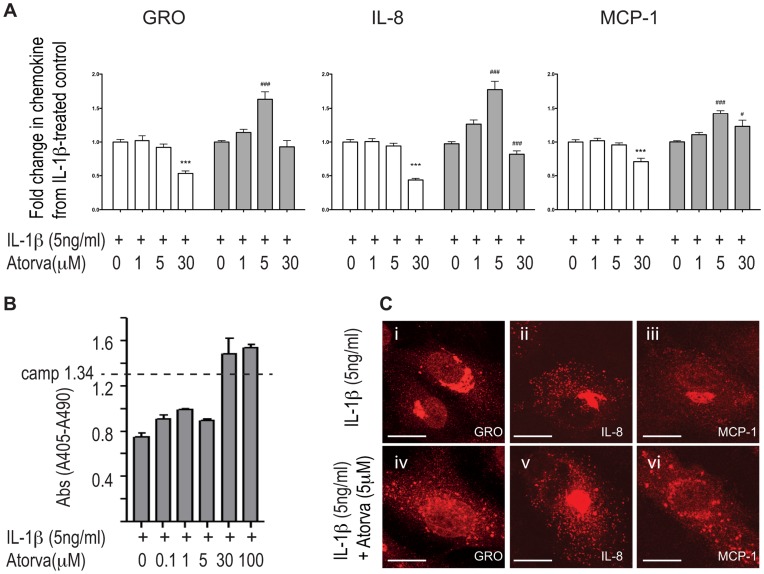
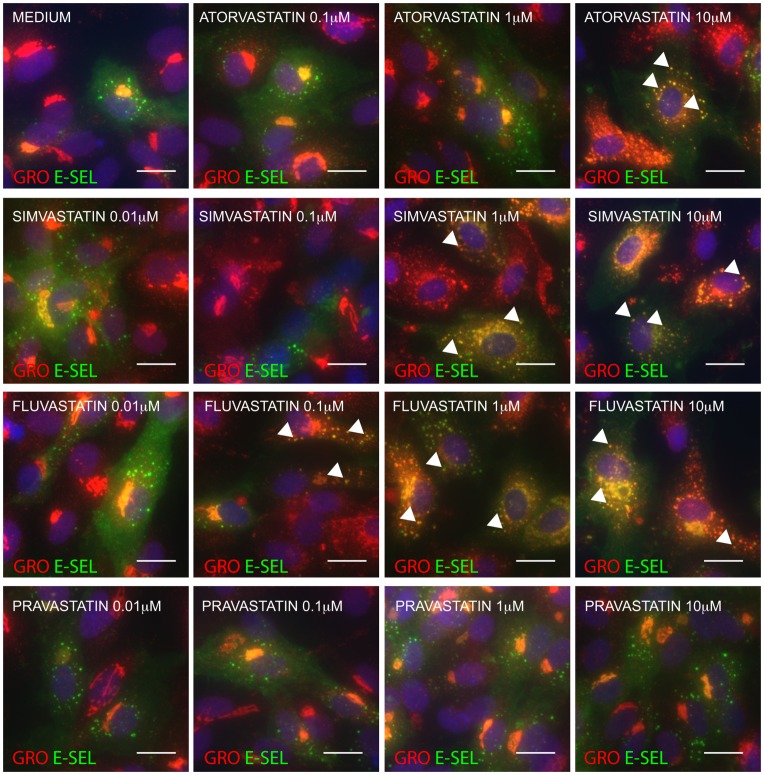
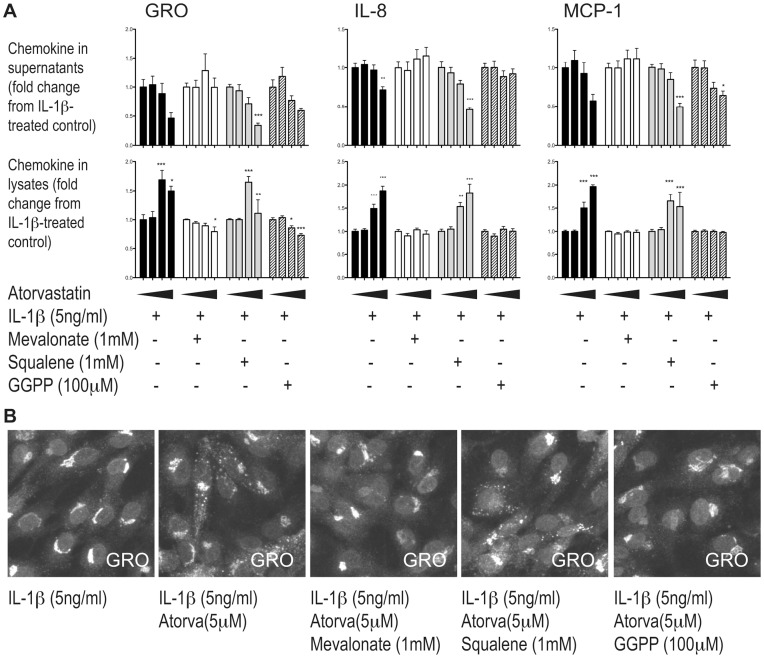
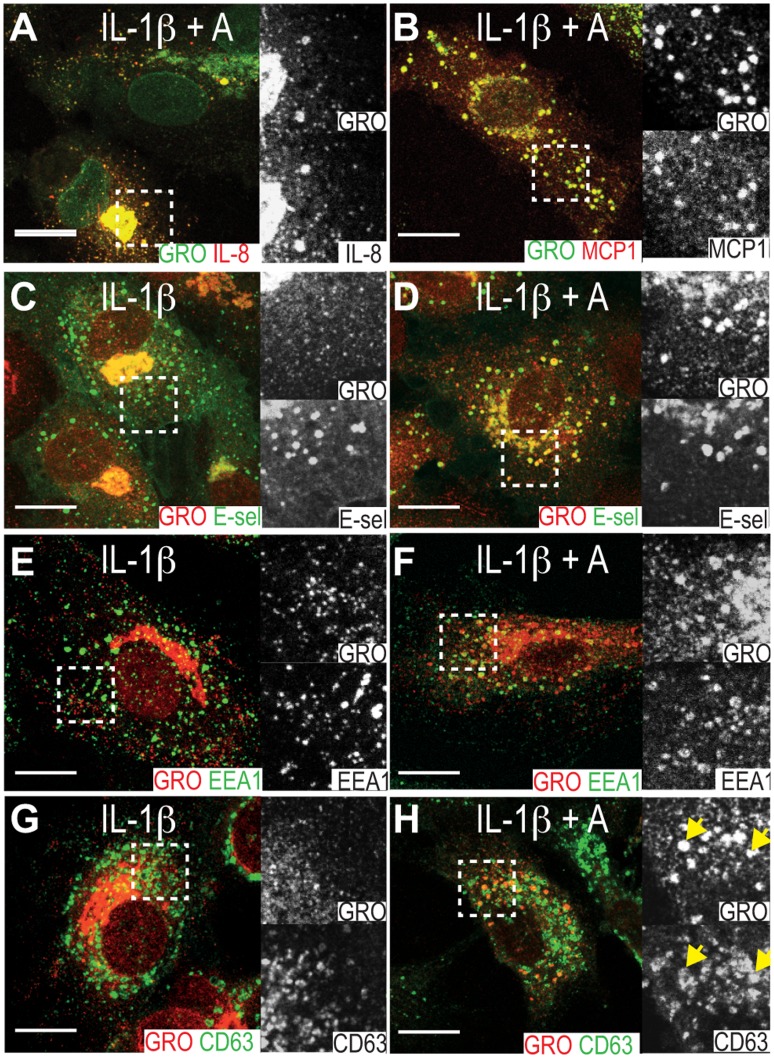
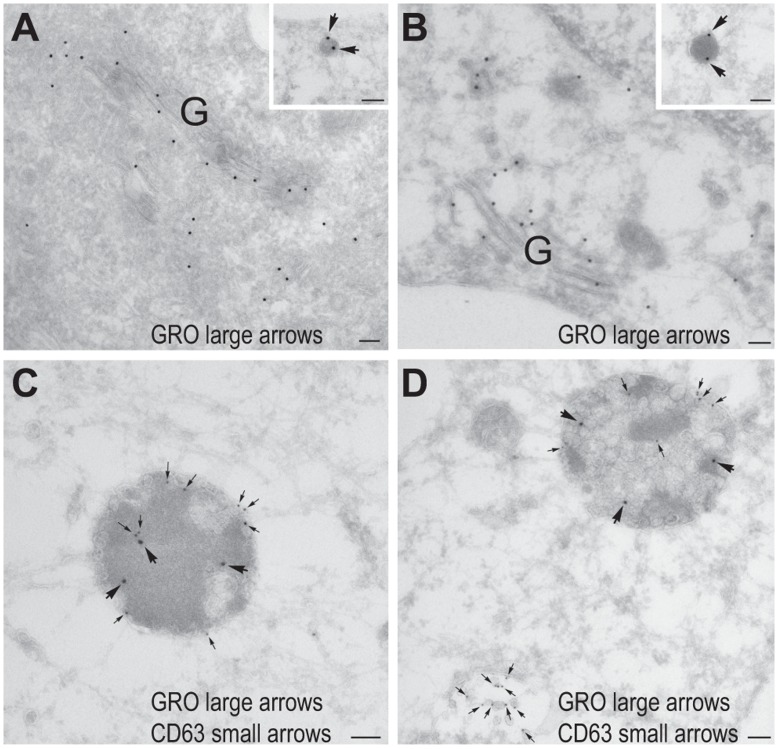
METHODOLOGY/ PRINCIPAL FINDINGS: The effect of atorvastatin on secretion levels and subcellular distribution of GRO-α, IL-8 and MCP-1 in HUVECs activated by interleukin (IL)-1β were evaluated by ELISA, confocal microscopy and immunoelectron microscopy. Atorvastatin increased the intracellular contents of GRO-α, IL-8, and MCP-1 and induced colocalization with E-selectin in multivesicular bodies. This effect was prevented by adding the isoprenylation substrate GGPP, but not the cholesterol precursor squalene, indicating that atorvastatin exerts these effects by inhibiting isoprenylation rather than depleting the cells of cholesterol.
CONCLUSIONS/ SIGNIFICANCE: Atorvastatin targets inflammatory chemokines to the endocytic pathway and multivesicular bodies and may contribute to explain the anti-inflammatory effect of statins at the level of endothelial cell function.
除了降低胆固醇外,他汀类药物还被认为可以有益地调节炎症。几种趋化因子,包括 CXCL1/生长相关癌基因(GRO)-α、CXCL8/白细胞介素(IL)-8 和 CCL2/单核细胞趋化蛋白(MCP)-1,在动脉粥样硬化的发病机制中很重要,并且可以受到他汀类药物治疗的影响。最近,我们观察到阿托伐他汀治疗改变了培养的人脐静脉内皮细胞(HUVEC)中 GRO-α的细胞内含量和亚细胞分布。本研究的目的是探讨涉及这种现象的机制。
方法/主要发现:通过 ELISA、共聚焦显微镜和免疫电镜研究了阿托伐他汀对 HUVEC 中受白细胞介素(IL)-1β激活的 GRO-α、IL-8 和 MCP-1 的分泌水平和亚细胞分布的影响。阿托伐他汀增加了 GRO-α、IL-8 和 MCP-1 的细胞内含量,并诱导其与 E-选择素在多泡体中发生共定位。该作用可通过添加异戊烯基供体 GGPP 而不是胆固醇前体鲨烯来预防,表明阿托伐他汀通过抑制异戊烯化而不是耗尽细胞内胆固醇来发挥这些作用。
结论/意义:阿托伐他汀将炎症趋化因子靶向到内吞途径和多泡体中,并可能有助于解释他汀类药物在血管内皮细胞功能水平上的抗炎作用。