Li Xiao-Shuang, Yang Hong-Lan, Zhang Dao-Yuan, Zhang Yuan-Ming, Wood Andrew J
Key Laboratory of Biogeography and Bioresource in Arid Land, Xinjiang Institute of Ecology and Geography, Chinese Academy of Sciences, Urumqi 830011, China.
Graduate University of Chinese Academy of Sciences, Beijing 100049, China.
Int J Mol Sci. 2012;13(6):6944-6963. doi: 10.3390/ijms13066944. Epub 2012 Jun 7.
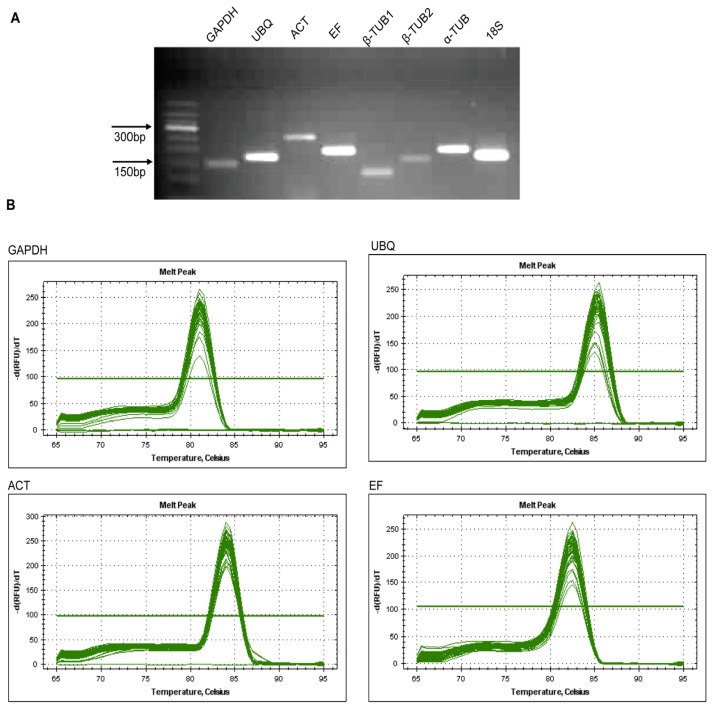
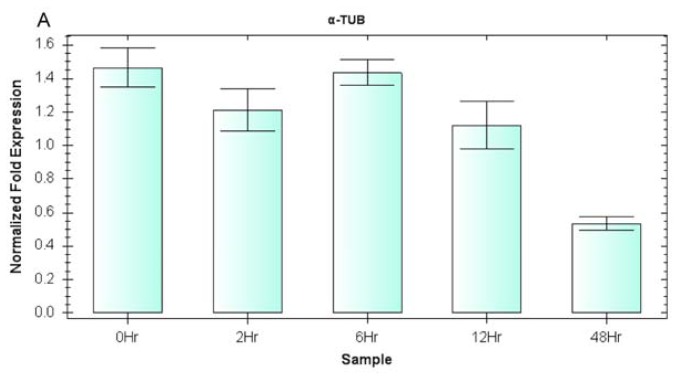
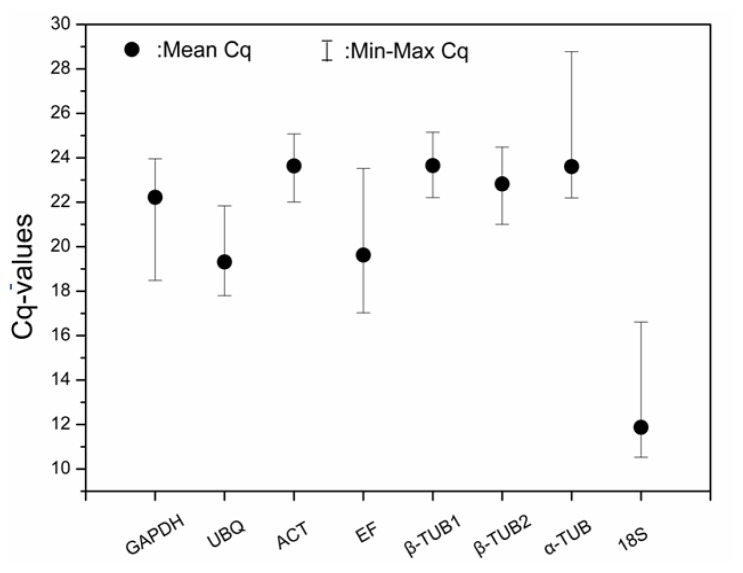
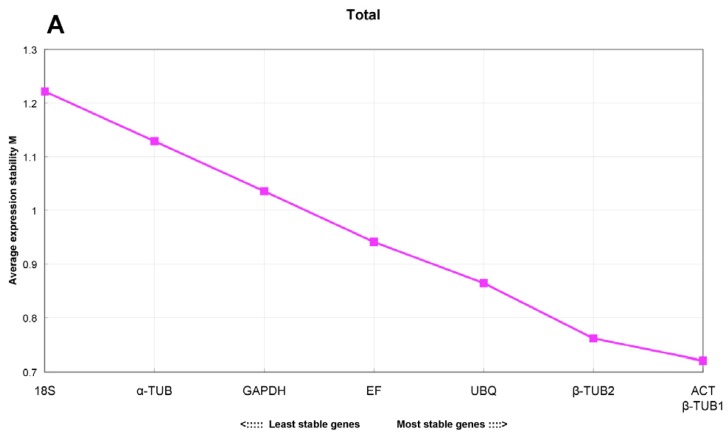
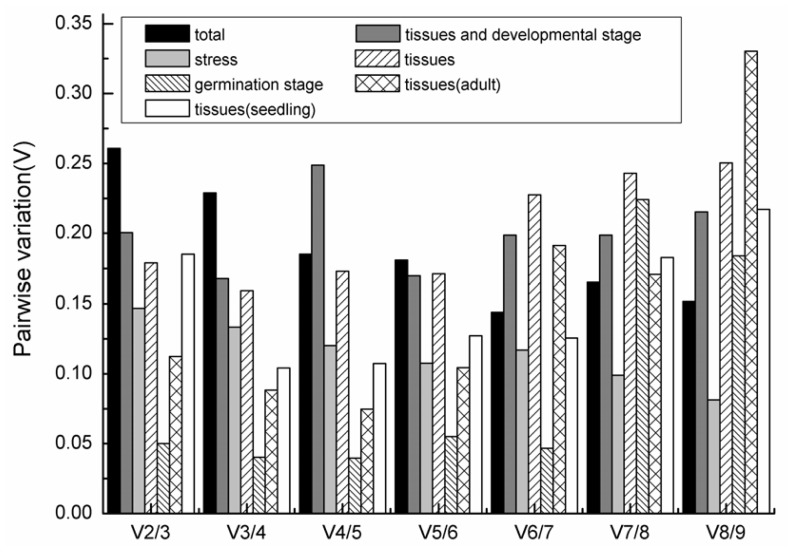
Eremosparton songoricum (Litv.) Vass. (E. songoricum) is a rare and extremely drought-tolerant desert plant that holds promise as a model organism for the identification of genes associated with water deficit stress. Here, we cloned and evaluated the expression of eight candidate reference genes using quantitative real-time reverse transcriptase polymerase chain reactions. The expression of these candidate reference genes was analyzed in a diverse set of 20 samples including various E. songoricum plant tissues exposed to multiple environmental stresses. GeNorm analysis indicated that expression stability varied between the reference genes in the different experimental conditions, but the two most stable reference genes were sufficient for normalization in most conditions. EsEF and Esα-TUB were sufficient for various stress conditions, EsEF and EsACT were suitable for samples of differing germination stages, and EsGAPDHand EsUBQ were most stable across multiple adult tissue samples. The Es18S gene was unsuitable as a reference gene in our analysis. In addition, the expression level of the drought-stress related transcription factor EsDREB2 verified the utility of E. songoricum reference genes and indicated that no single gene was adequate for normalization on its own. This is the first systematic report on the selection of reference genes in E. songoricum, and these data will facilitate future work on gene expression in this species.
准噶尔无叶豆(Eremosparton songoricum (Litv.) Vass.)是一种珍稀且极度耐旱的沙漠植物,有望成为用于鉴定与水分亏缺胁迫相关基因的模式生物。在此,我们使用定量实时逆转录聚合酶链反应克隆并评估了八个候选内参基因的表达。在包括暴露于多种环境胁迫下的各种准噶尔无叶豆植物组织在内的20个不同样本中分析了这些候选内参基因的表达。GeNorm分析表明,在不同实验条件下,内参基因之间的表达稳定性有所不同,但在大多数条件下,两个最稳定的内参基因足以用于标准化。EsEF和Esα-TUB在各种胁迫条件下均足够,EsEF和EsACT适用于不同萌发阶段的样本,而EsGAPDH和EsUBQ在多个成年组织样本中最稳定。在我们的分析中,Es18S基因不适合作为内参基因。此外,干旱胁迫相关转录因子EsDREB2的表达水平验证了准噶尔无叶豆内参基因的实用性,并表明没有单个基因足以单独用于标准化。这是关于准噶尔无叶豆内参基因选择的第一份系统报告,这些数据将有助于该物种未来的基因表达研究工作。