Department of Pharmaceutical Sciences, University of Colorado Skaggs School of Pharmacy and Pharmaceutical Sciences, Aurora, CO 80045, USA.
Toxicol Appl Pharmacol. 2012 Oct 1;264(1):23-31. doi: 10.1016/j.taap.2012.07.014. Epub 2012 Jul 24.
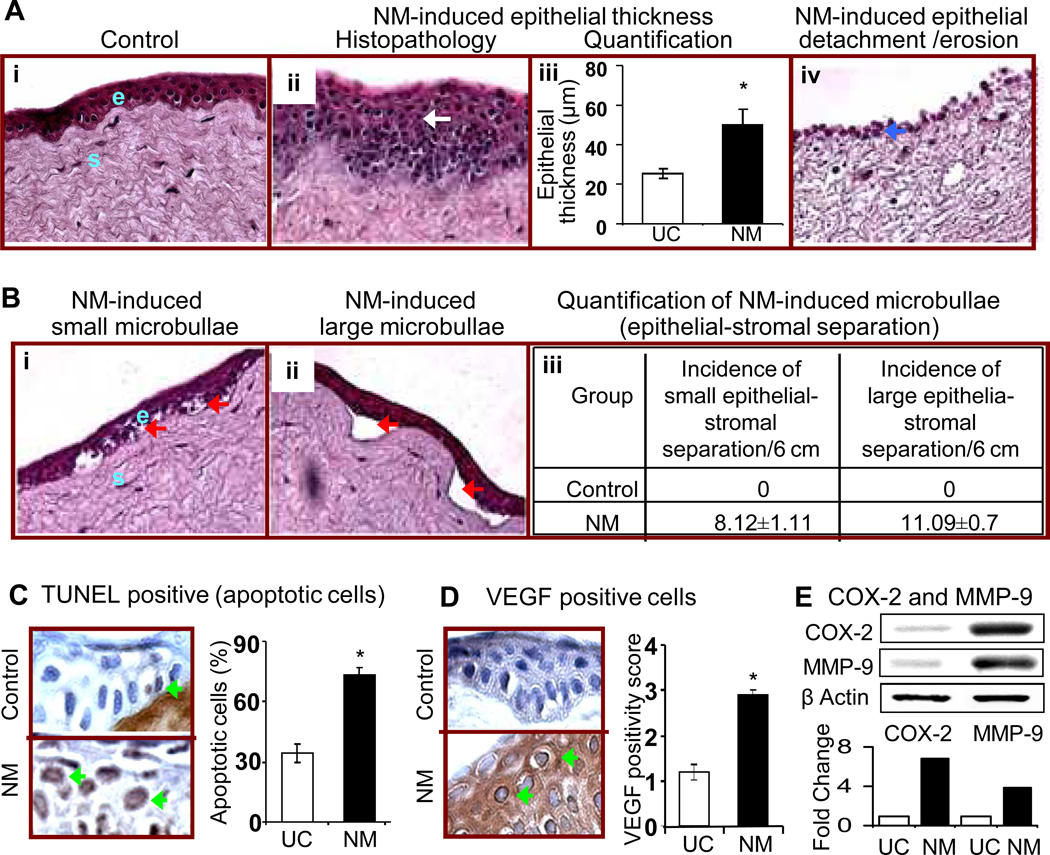
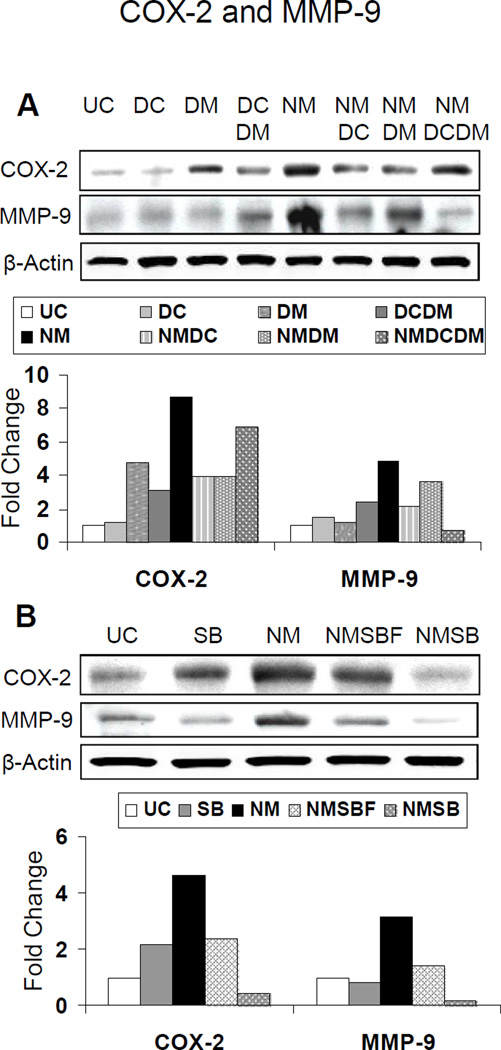
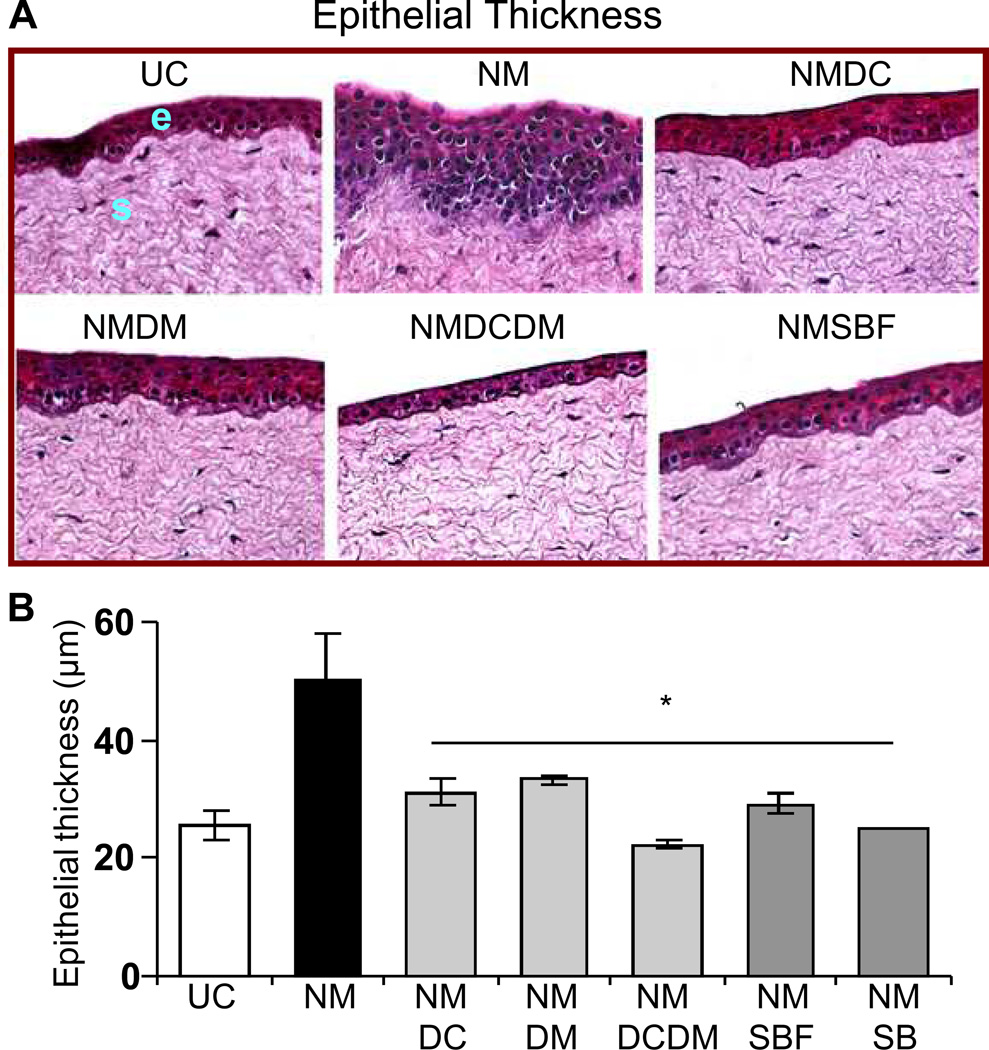
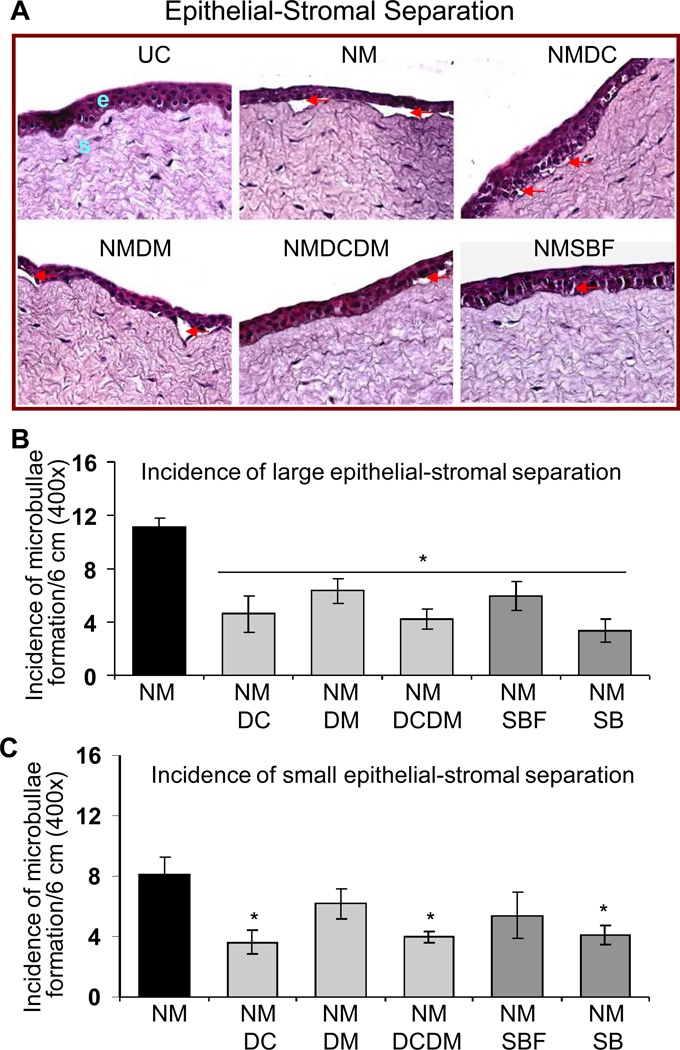
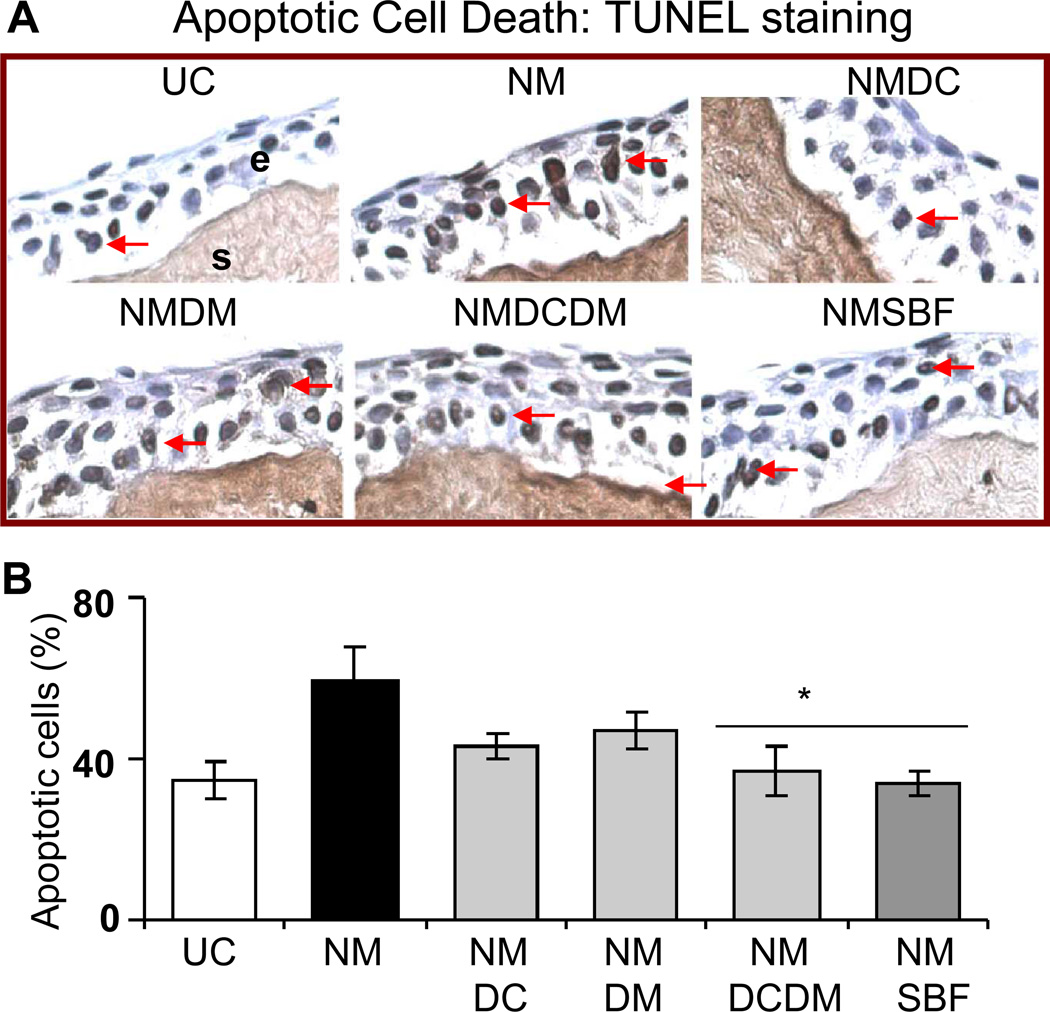
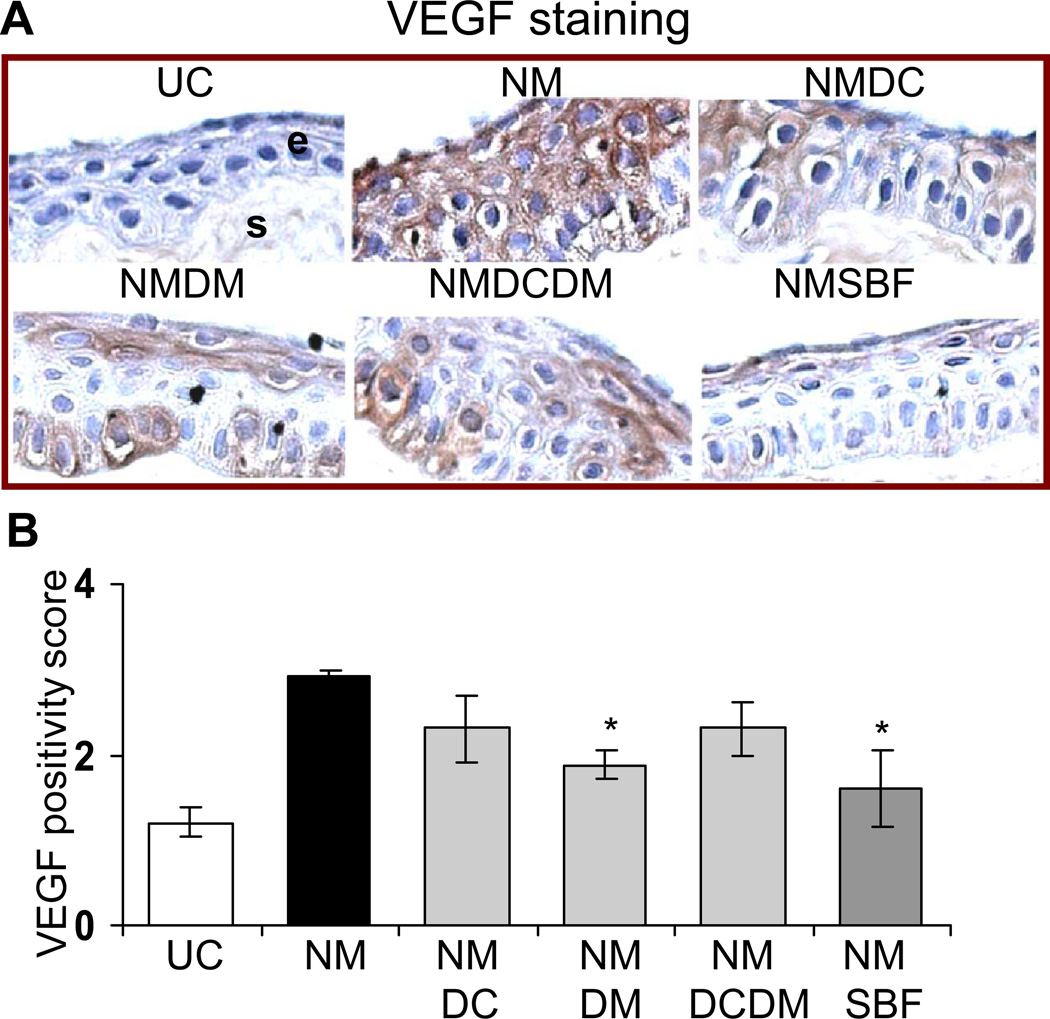
There are no effective and approved therapies against devastating ocular injuries caused by vesicating chemical agents sulfur mustard (SM) and nitrogen mustard (NM). Herein, studies were carried out in rabbit corneal cultures to establish relevant ocular injury biomarkers with NM for screening potential efficacious agents in laboratory settings. NM (100nmol) exposure of the corneas for 2h (cultured for 24h), showed increases in epithelial thickness, ulceration, apoptotic cell death, epithelial detachment microbullae formation, and the levels of VEGF, cyclooxygenase-2 (COX-2) and matrix metalloproteinase-9 (MMP-9). Employing these biomarkers, efficacy studies were performed with agent treatments 2h and every 4h thereafter, for 24h following NM exposure. Three agents were evaluated, including prescription drugs dexamethasone (0.1%; anti-inflammatory steroid) and doxycycline (100nmol; antibiotic and MMP inhibitor) that have been studied earlier for treating vesicant-induced eye injuries. We also examined silibinin (100μg), a non-toxic natural flavanone found to be effective in treating SM analog-induced skin injuries in our earlier studies. Treatments of doxycycline+dexamethasone, and silibinin were more effective than doxycycline or dexamethasone alone in reversing NM-induced epithelial thickening, microbullae formation, apoptotic cell death, and MMP-9 elevation. However, dexamethasone and silibinin alone were more effective in reversing NM-induced VEGF levels. Doxycycline, dexamethasone and silibinin were all effective in reversing NM-induced COX-2 levels. Apart from therapeutic efficacy of doxycycline and dexamethasone, these results show strong multifunctional efficacy of silibinin in reversing NM-induced ocular injuries, which could help develop effective and safe therapeutics against ocular injuries by vesicants.
目前尚无有效且被批准的疗法可用于治疗芥子气(SM)和氮芥(NM)等腐蚀性化学物质引起的严重眼部损伤。在此,我们对兔眼角膜培养物进行了相关研究,以建立 NM 诱导的眼部损伤生物标志物,用于在实验室环境中筛选潜在有效的药物。NM(100nmol)暴露于角膜 2 小时(培养 24 小时)后,会导致上皮厚度增加、溃疡、细胞凋亡、上皮脱离微泡形成,以及 VEGF、环氧化酶-2(COX-2)和基质金属蛋白酶-9(MMP-9)水平升高。利用这些生物标志物,我们在 NM 暴露后 2 小时及此后每 4 小时进行一次药物治疗,持续 24 小时,进行了疗效研究。我们评估了三种药物,包括已用于治疗刺激性眼部损伤的处方药物地塞米松(0.1%;抗炎类固醇)和多西环素(100nmol;抗生素和 MMP 抑制剂),以及 earlier 研究中发现对 SM 类似物诱导的皮肤损伤有效的水飞蓟素(100μg)。我们还研究了水飞蓟素,它是一种无毒的天然类黄酮,在 earlier 的研究中已被证明对 SM 类似物诱导的皮肤损伤有效。多西环素+地塞米松和水飞蓟素的治疗效果优于单独使用多西环素或地塞米松,可逆转 NM 诱导的上皮增厚、微泡形成、细胞凋亡和 MMP-9 升高。然而,地塞米松和水飞蓟素单独使用可更有效地逆转 NM 诱导的 VEGF 水平。多西环素、地塞米松和水飞蓟素均可有效逆转 NM 诱导的 COX-2 水平。除了多西环素和地塞米松的治疗效果外,这些结果还表明水飞蓟素在逆转 NM 诱导的眼部损伤方面具有很强的多功能功效,这有助于开发针对刺激性眼部损伤的有效且安全的治疗方法。