Division of Infectious Diseases, Department of Medicine, University of North Carolina, Chapel Hill, North Carolina, United States of America.
PLoS One. 2012;7(7):e41260. doi: 10.1371/journal.pone.0041260. Epub 2012 Jul 23.
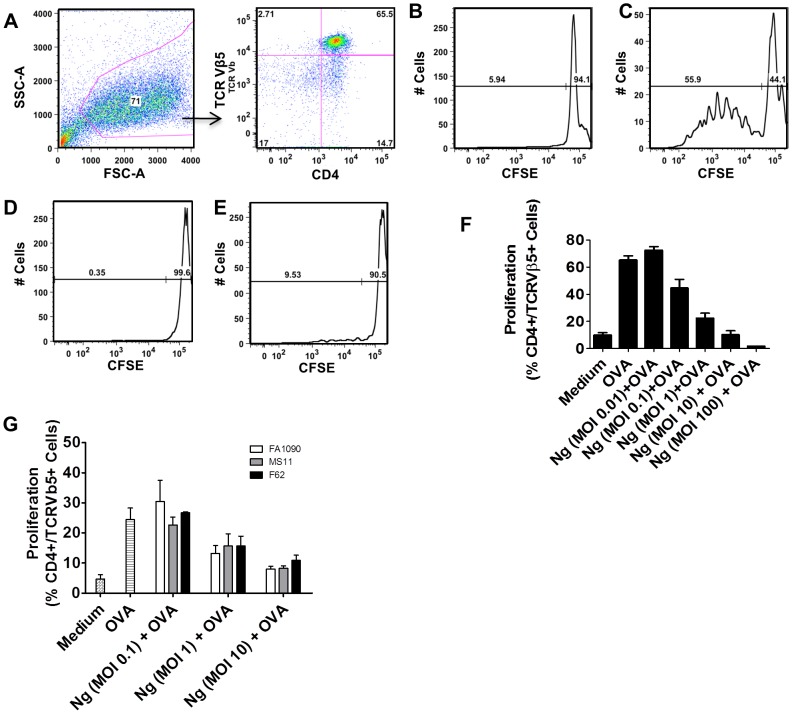
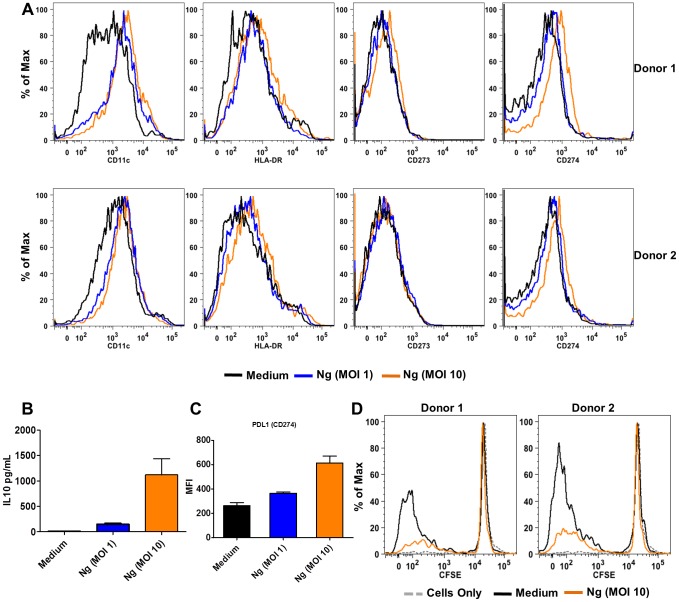
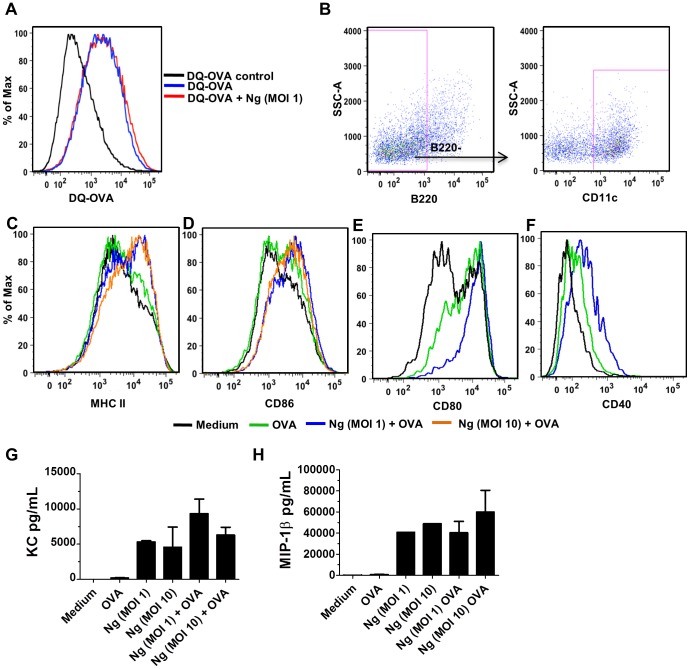
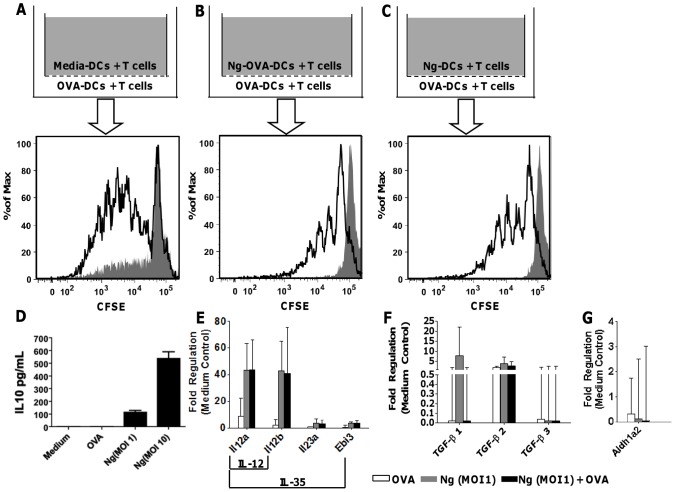
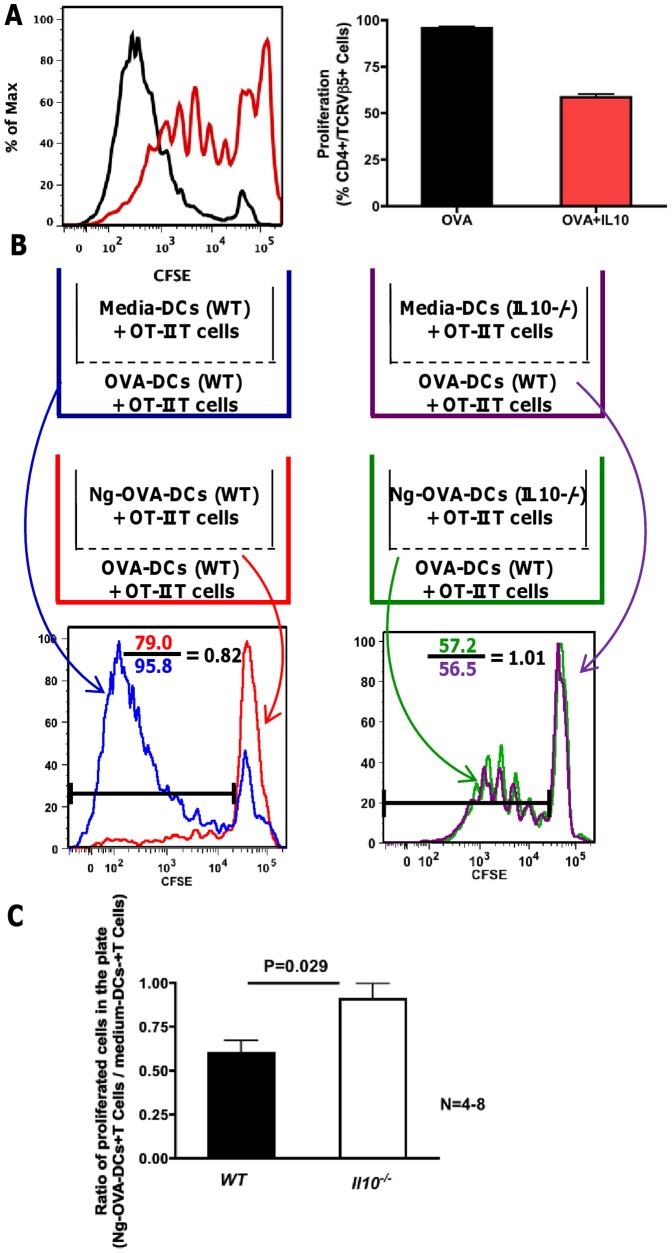
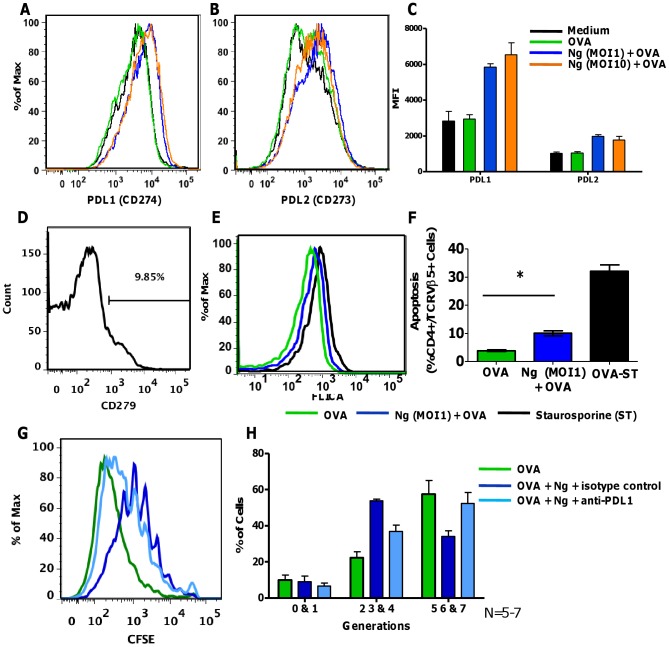
Neisseria gonorrhoeae is the second most common sexually transmitted bacterial pathogen worldwide. Diseases associated with N. gonorrhoeae cause localized inflammation of the urethra and cervix. Despite this inflammatory response, infected individuals do not develop protective adaptive immune responses to N. gonorrhoeae. N. gonorrhoeae is a highly adapted pathogen that has acquired multiple mechanisms to evade its host's immune system, including the ability to manipulate multiple immune signaling pathways. N. gonorrhoeae has previously been shown to engage immunosuppressive signaling pathways in B and T lymphocytes. We have now found that N. gonorrhoeae also suppresses adaptive immune responses through effects on antigen presenting cells. Using primary, murine bone marrow-derived dendritic cells and lymphocytes, we show that N. gonorrhoeae-exposed dendritic cells fail to elicit antigen-induced CD4+ T lymphocyte proliferation. N. gonorrhoeae exposure leads to upregulation of a number of secreted and dendritic cell surface proteins with immunosuppressive properties, particularly Interleukin 10 (IL-10) and Programmed Death Ligand 1 (PD-L1). We also show that N. gonorrhoeae is able to inhibit dendritic cell- induced proliferation of human T-cells and that human dendritic cells upregulate similar immunosuppressive molecules. Our data suggest that, in addition to being able to directly influence host lymphocytes, N. gonorrhoeae also suppresses development of adaptive immune responses through interactions with host antigen presenting cells. These findings suggest that gonococcal factors involved in host immune suppression may be useful targets in developing vaccines that induce protective adaptive immune responses to this pathogen.
淋病奈瑟菌是全球第二大常见的性传播细菌病原体。与淋病奈瑟菌相关的疾病会导致尿道和宫颈局部炎症。尽管存在这种炎症反应,但感染个体不会对淋病奈瑟菌产生保护性适应性免疫反应。淋病奈瑟菌是一种高度适应的病原体,它已经获得了多种逃避宿主免疫系统的机制,包括操纵多种免疫信号通路的能力。以前已经表明,淋病奈瑟菌会在 B 和 T 淋巴细胞中参与免疫抑制信号通路。我们现在发现,淋病奈瑟菌还通过对抗原呈递细胞的影响来抑制适应性免疫反应。使用原代、鼠骨髓来源的树突状细胞和淋巴细胞,我们表明淋病奈瑟菌暴露的树突状细胞无法引发抗原诱导的 CD4+T 淋巴细胞增殖。淋病奈瑟菌暴露会导致许多具有免疫抑制特性的分泌蛋白和树突状细胞表面蛋白上调,特别是白细胞介素 10(IL-10)和程序性死亡配体 1(PD-L1)。我们还表明,淋病奈瑟菌能够抑制树突状细胞诱导的人 T 细胞增殖,并且人树突状细胞上调类似的免疫抑制分子。我们的数据表明,除了能够直接影响宿主淋巴细胞外,淋病奈瑟菌还通过与宿主抗原呈递细胞相互作用来抑制适应性免疫反应的发展。这些发现表明,参与宿主免疫抑制的淋病奈瑟菌因子可能是开发疫苗的有用靶点,该疫苗可诱导针对这种病原体的保护性适应性免疫反应。