Department of Cell and Systems Biology, University of Toronto, Toronto, Ontario, Canada.
PLoS One. 2012;7(7):e41033. doi: 10.1371/journal.pone.0041033. Epub 2012 Jul 27.
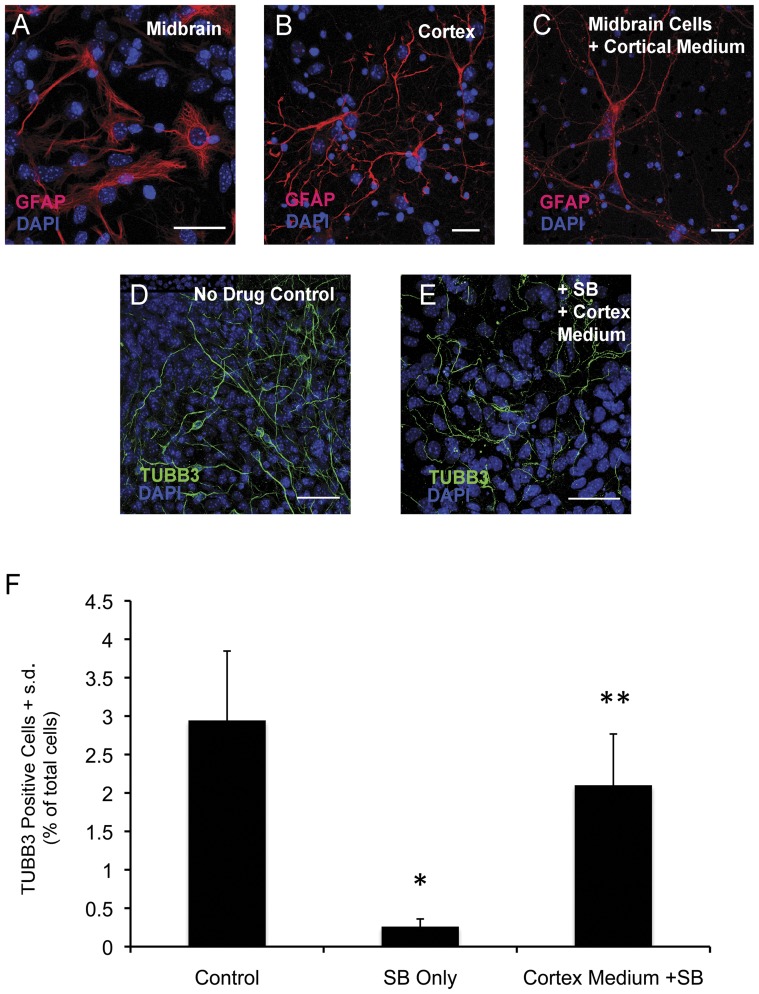
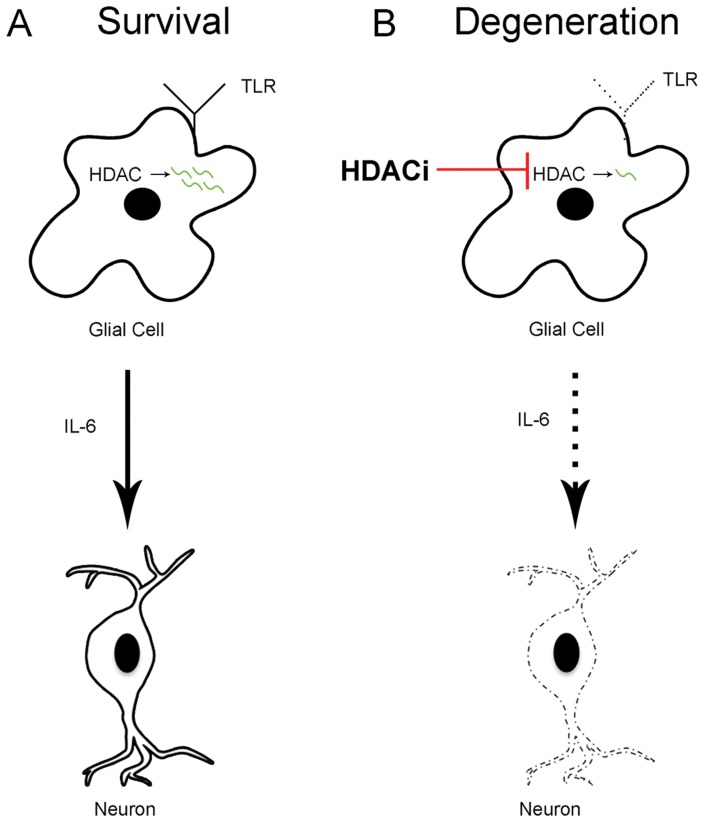
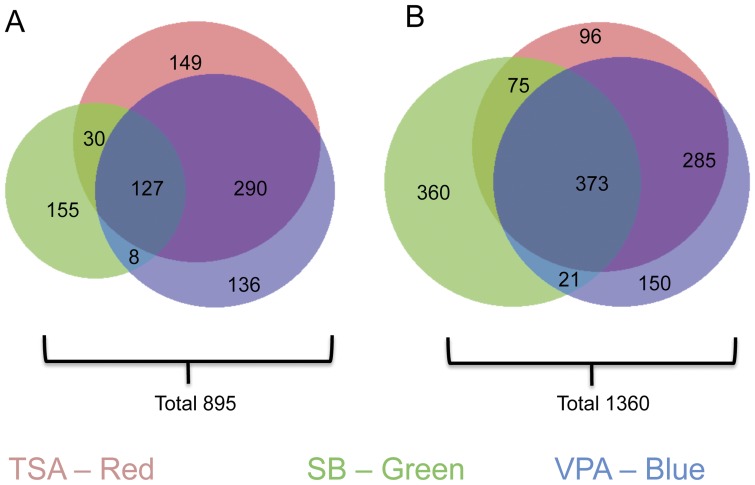
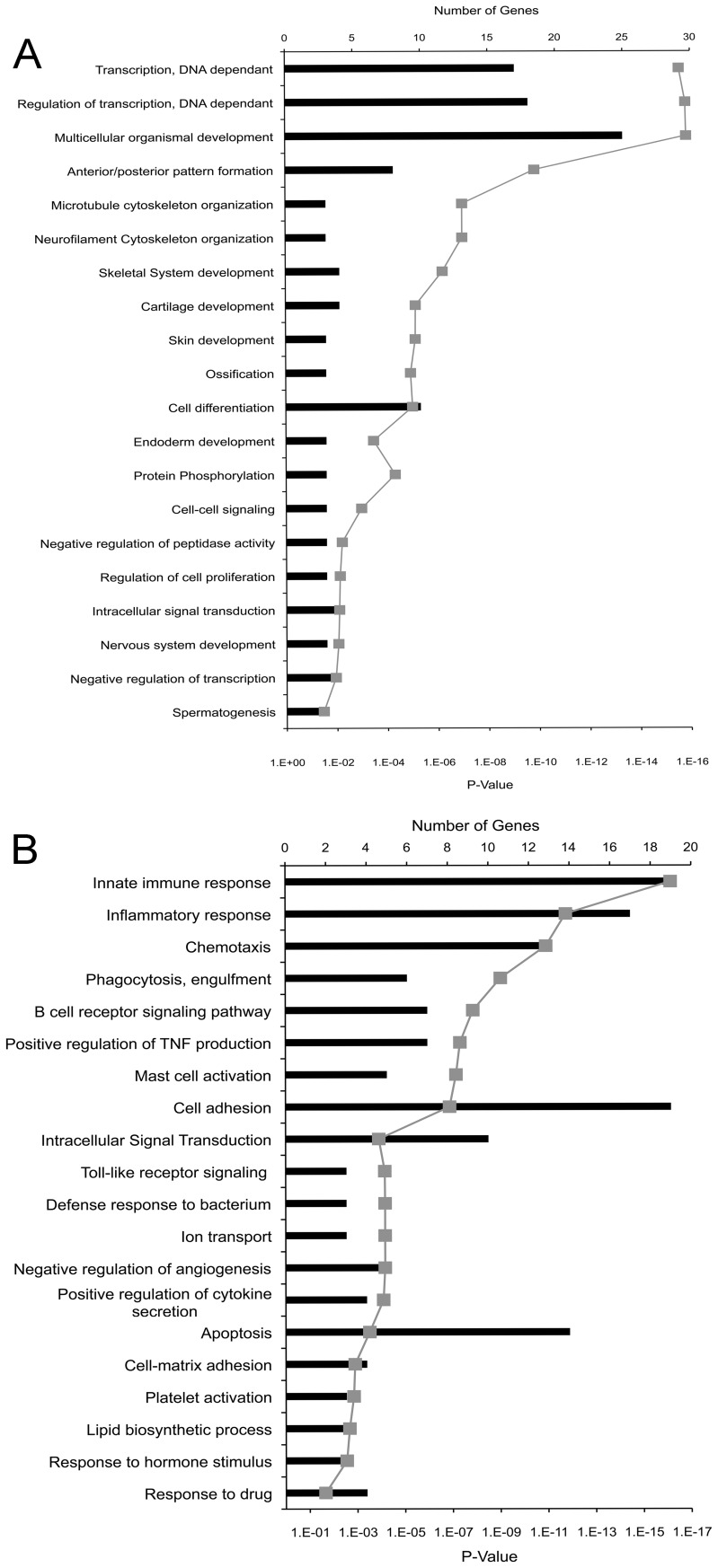
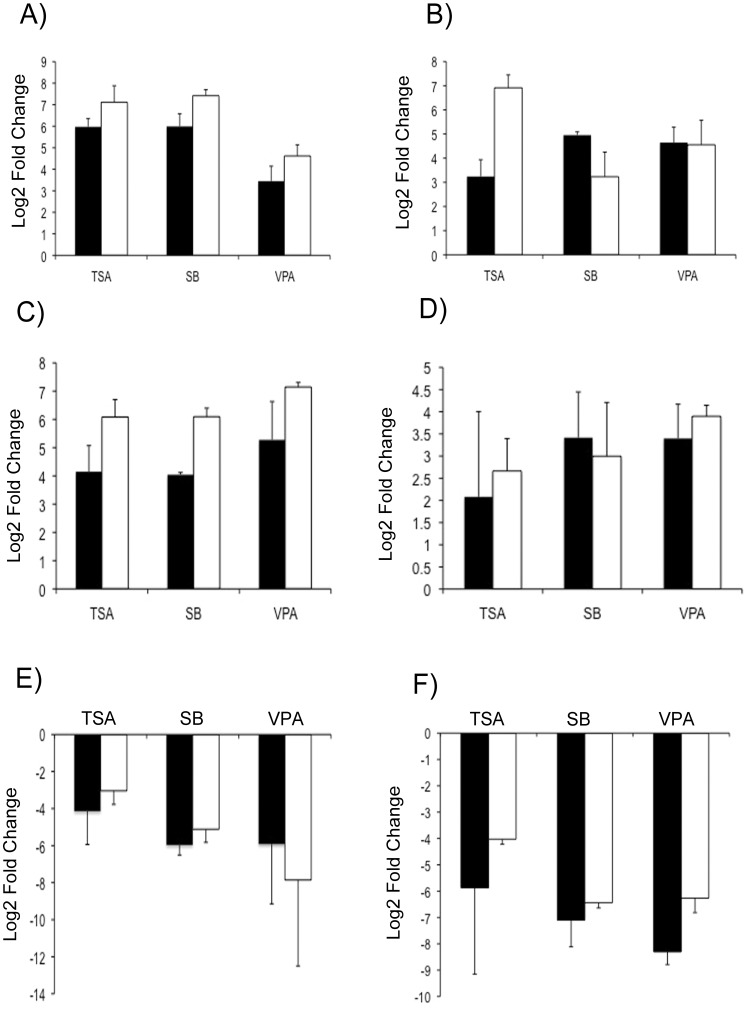
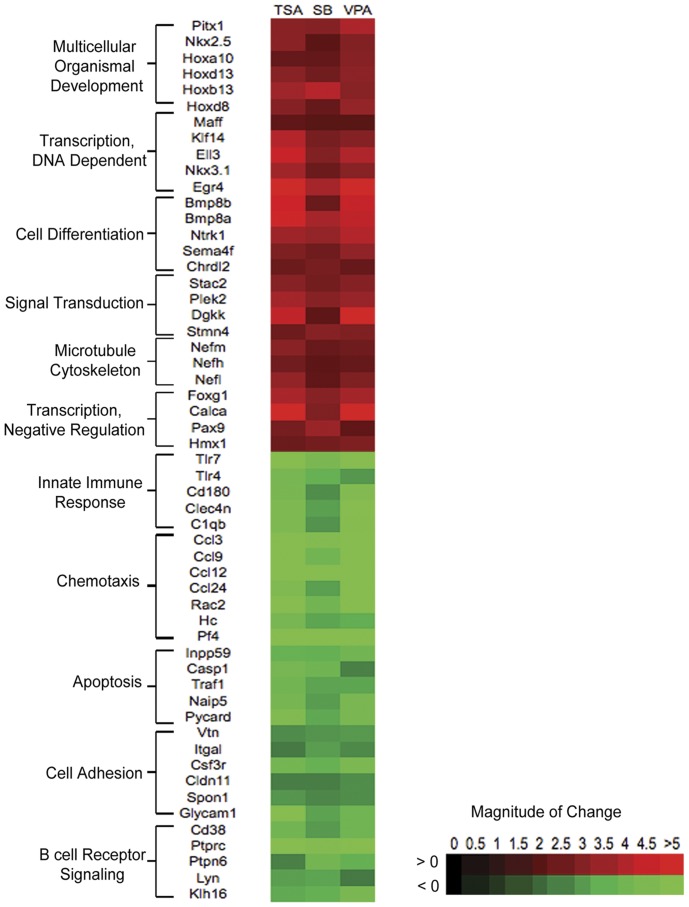
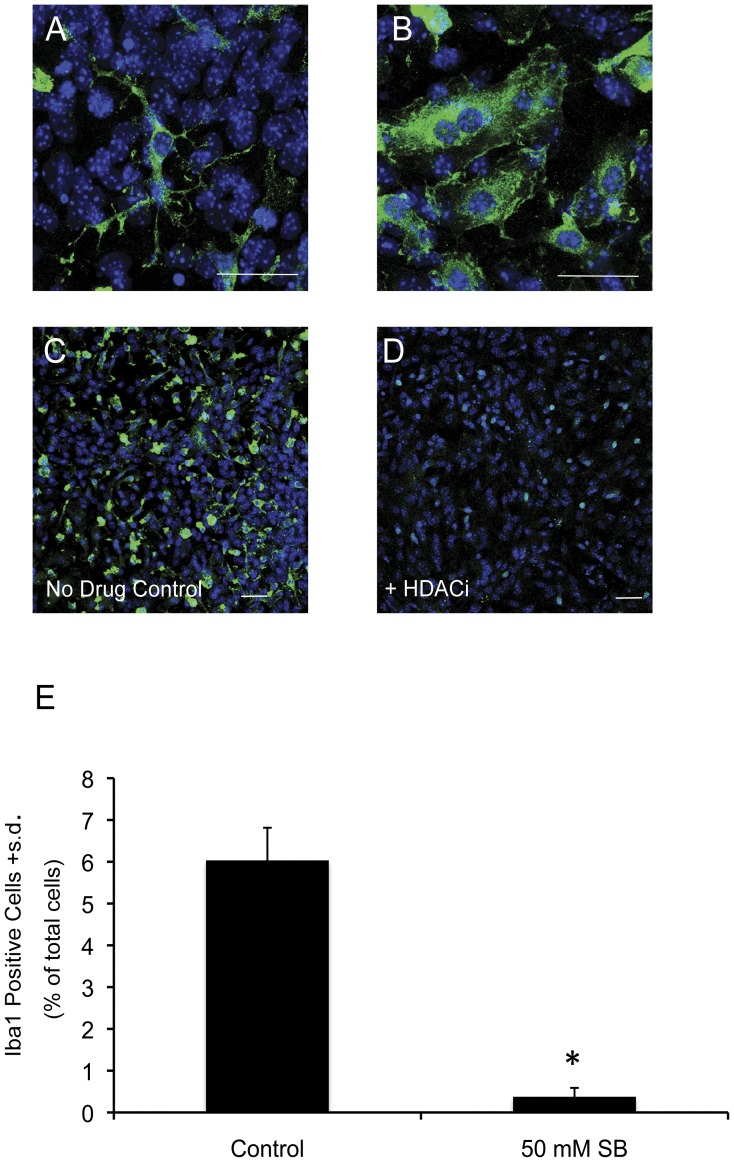
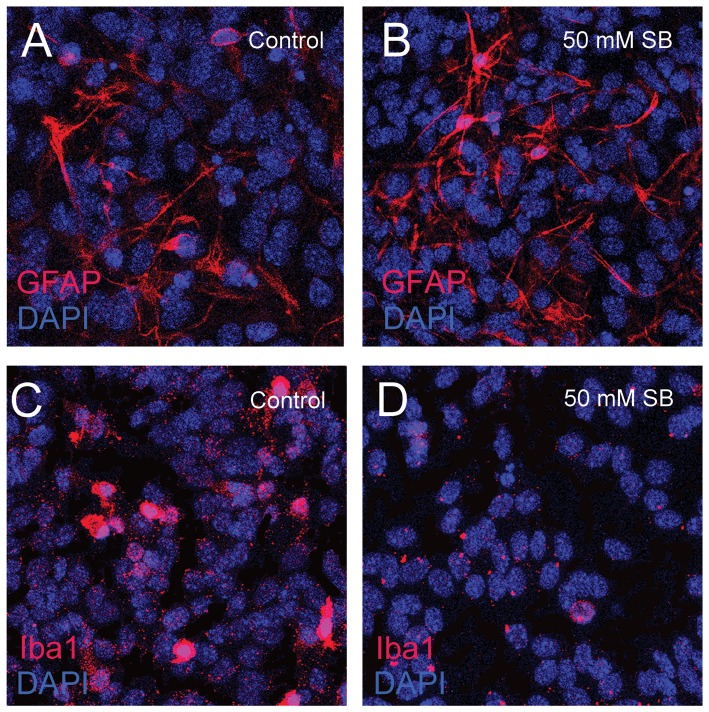
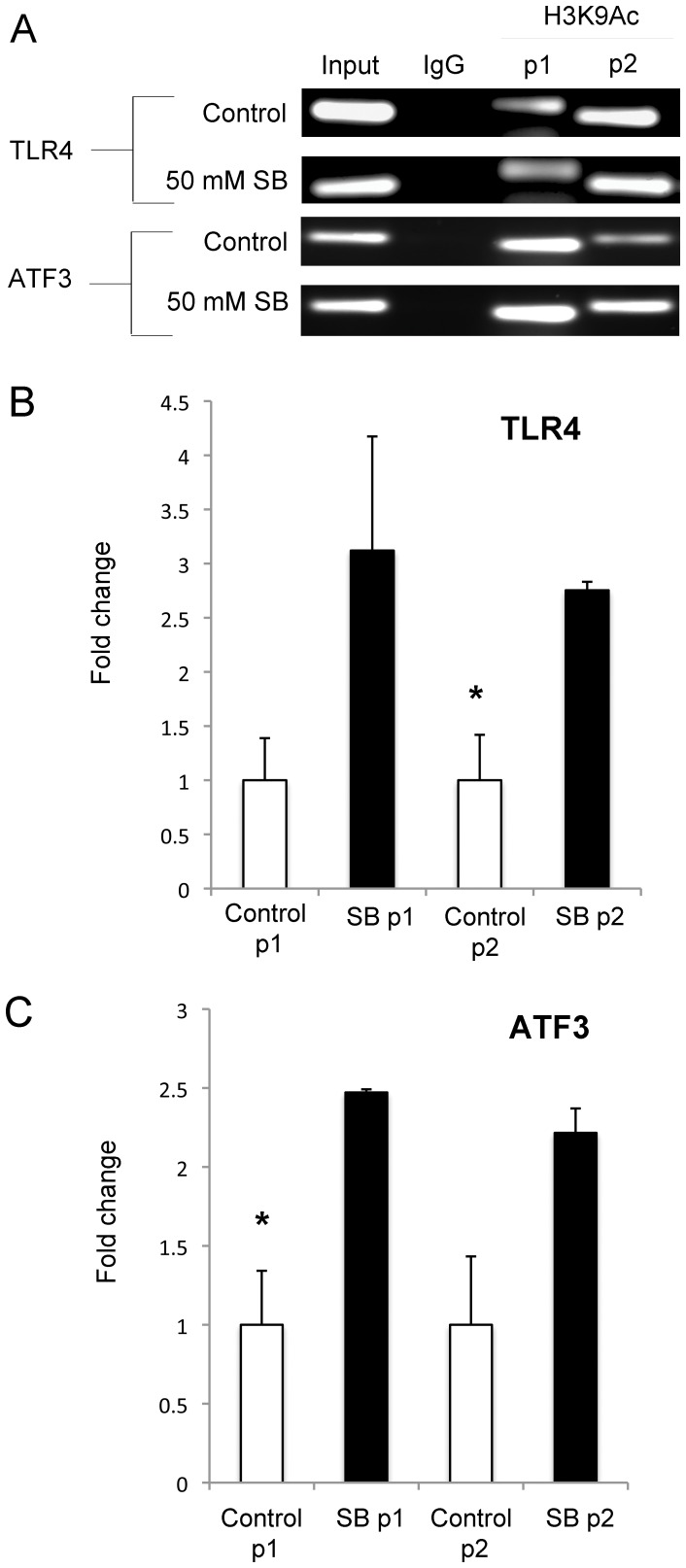
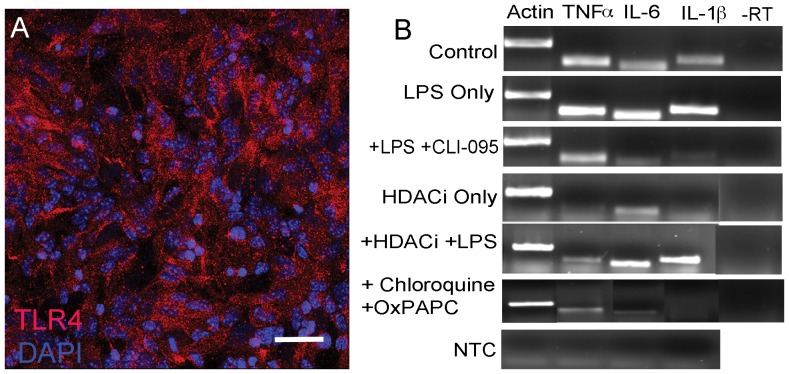
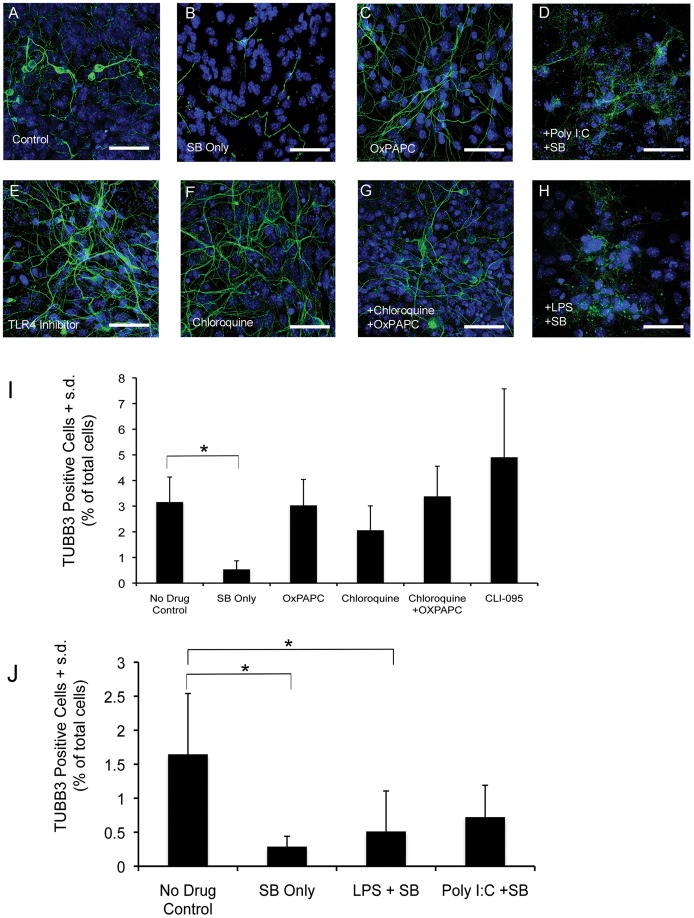
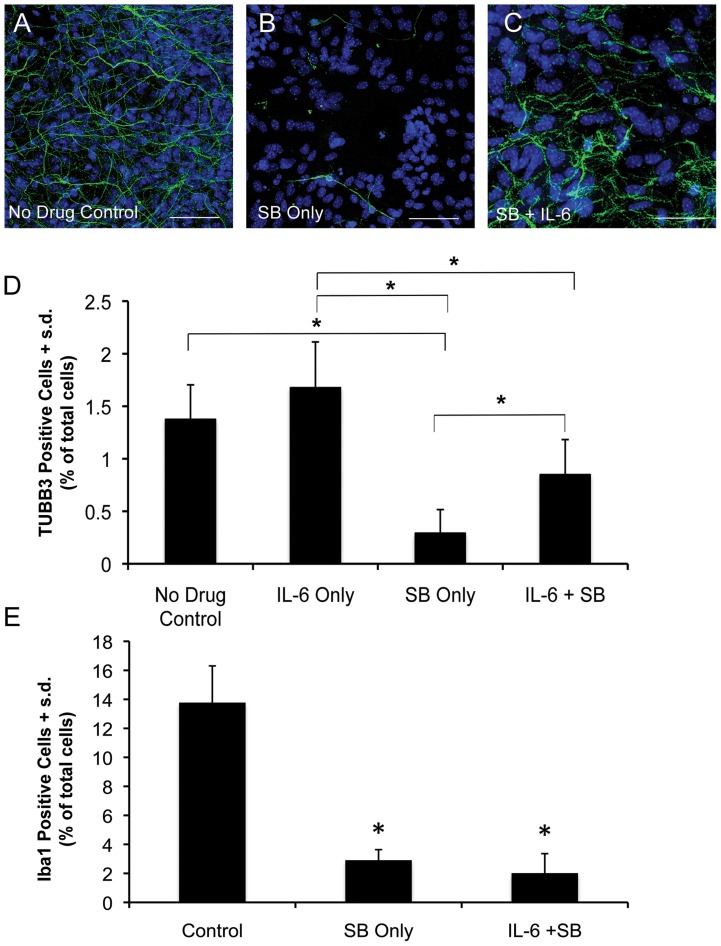
Histone deacetylase (HDAC) proteins have a role in promoting neuronal survival in vitro, but the mechanism underlying this function has not been identified. Here we provide evidence that components of the neuronal microenvironment, including non-neuronal cells and defined culture media, can mitigate midbrain neuronal cell death induced by HDAC inhibitor treatment. Using microarrays we further identified gene expression changes taking place in non-neuronal cells as a result of HDAC inhibition. This analysis demonstrated that HDAC inhibitor treatment results in the down-regulation of immunity related signaling factors, in particular the Toll-like receptors (TLR). TLR signaling is active in cultured midbrain cells, yet blocking TLR receptors is not sufficient to cause neuronal cell death. In contrast, selective activation of this pathway using TLR ligands can modestly block the effects of HDAC inhibition. Furthermore, we observed that the negative effects of HDAC inhibitor treatment on neuronal survival could be more substantially blocked by the cytokine Interleukin-6 (IL-6), which is a major downstream target of TLR signaling. These data suggest that HDACs function to promote neuronal survival by activating a TLR and IL-6 dependent pathway.
组蛋白去乙酰化酶(HDAC)蛋白在体外促进神经元存活方面发挥作用,但该功能的机制尚未确定。在这里,我们提供证据表明神经元微环境的组成部分,包括非神经元细胞和定义明确的培养基,可以减轻 HDAC 抑制剂治疗引起的中脑细胞死亡。我们进一步使用微阵列鉴定了由于 HDAC 抑制而发生的非神经元细胞中的基因表达变化。该分析表明,HDAC 抑制剂处理导致免疫相关信号因子,特别是 Toll 样受体(TLR)的下调。TLR 信号在培养的中脑细胞中活跃,但阻断 TLR 受体不足以引起神经元细胞死亡。相比之下,使用 TLR 配体选择性激活该途径可以适度阻断 HDAC 抑制的作用。此外,我们观察到 HDAC 抑制剂处理对神经元存活的负面影响可以通过细胞因子白细胞介素 6(IL-6)更有效地阻断,这是 TLR 信号的主要下游靶标。这些数据表明,HDAC 通过激活 TLR 和 IL-6 依赖的途径来促进神经元存活。