Allergy Research Group, Medical Center, University Freiburg, Freiburg, Germany.
PLoS One. 2012;7(7):e41340. doi: 10.1371/journal.pone.0041340. Epub 2012 Jul 25.
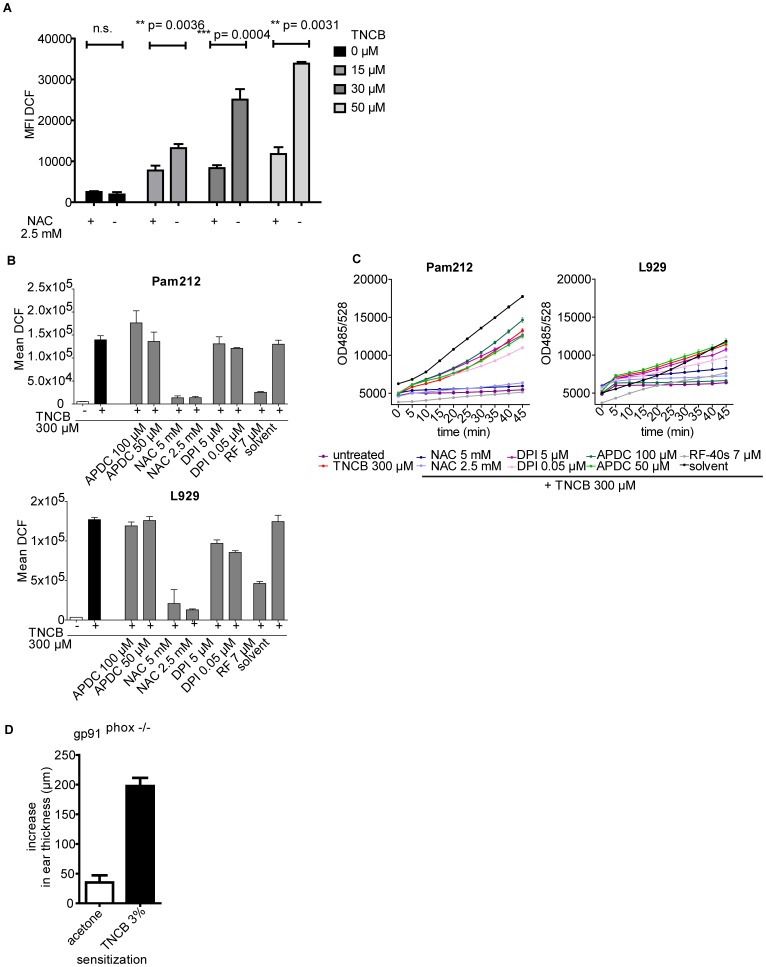
Allergic contact dermatitis (ACD) represents a severe health problem with increasing worldwide prevalence. It is a T cell-mediated skin disease induced by protein-reactive organic and inorganic chemicals. A key feature of contact allergens is their ability to trigger an innate immune response that leads to skin inflammation. Previous evidence from the mouse contact hypersensitivity (CHS) model suggests a role for endogenous activators of innate immune signaling. Here, we analyzed the role of contact sensitizer induced ROS production and concomitant changes in hyaluronic acid metabolism on CHS responses.
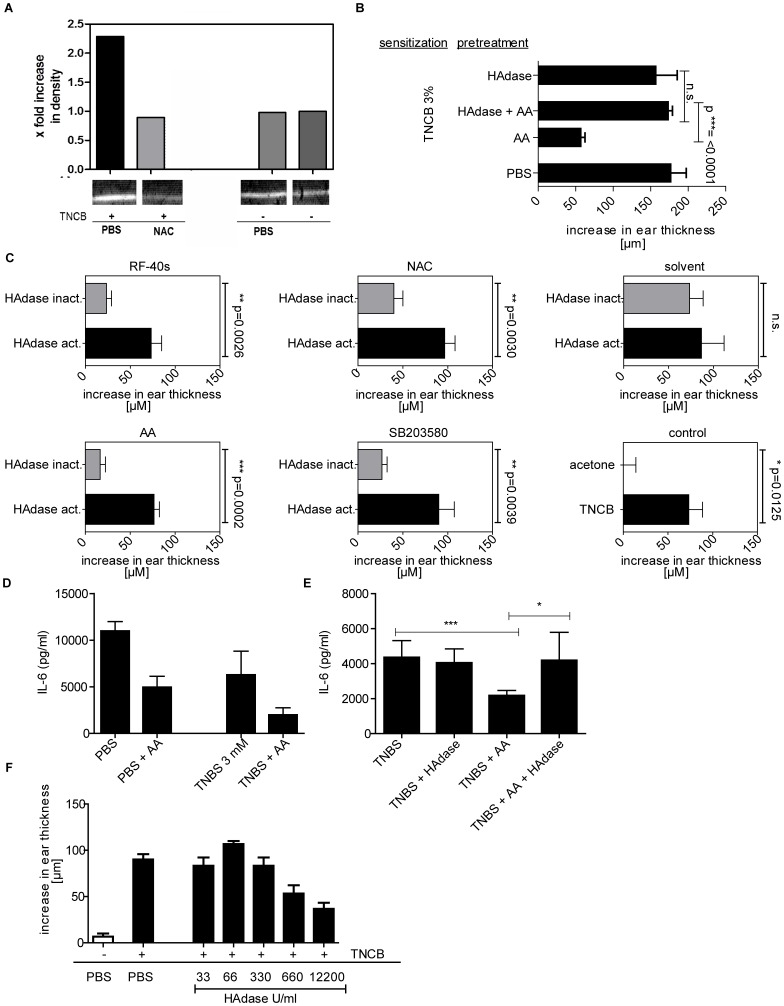
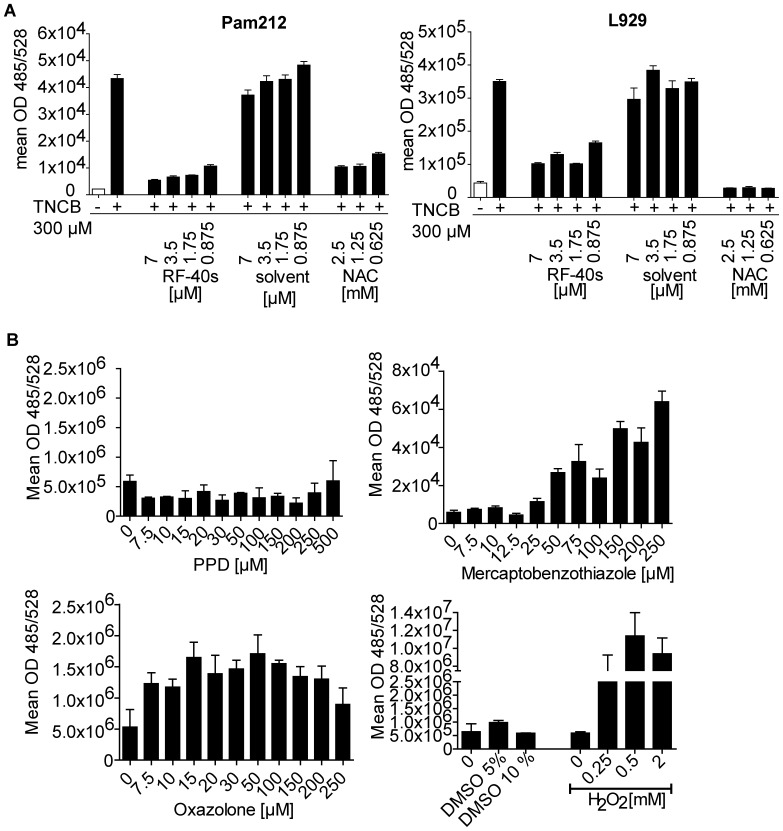
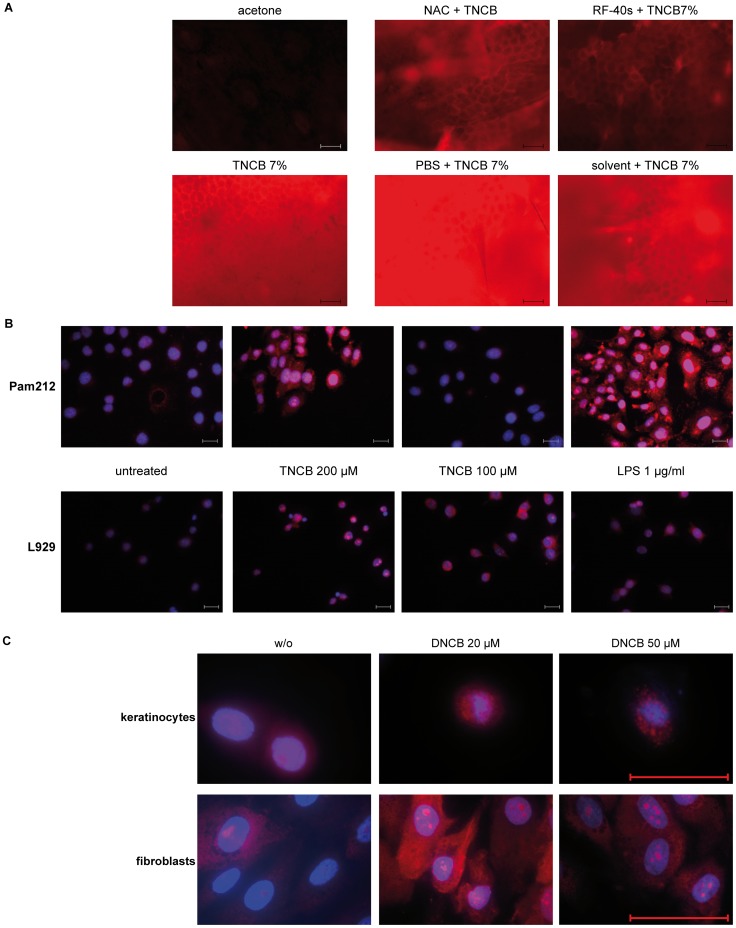
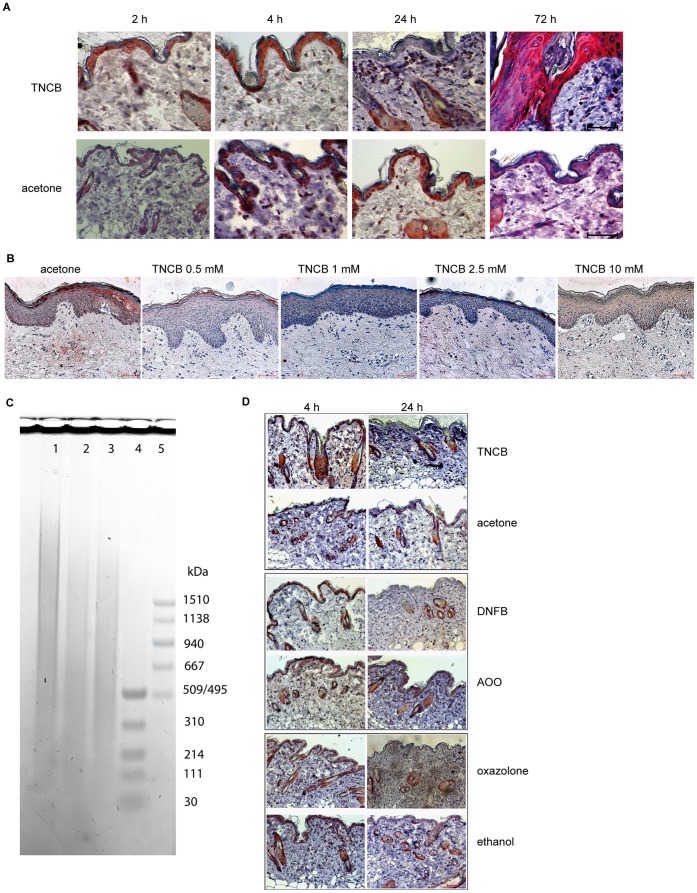
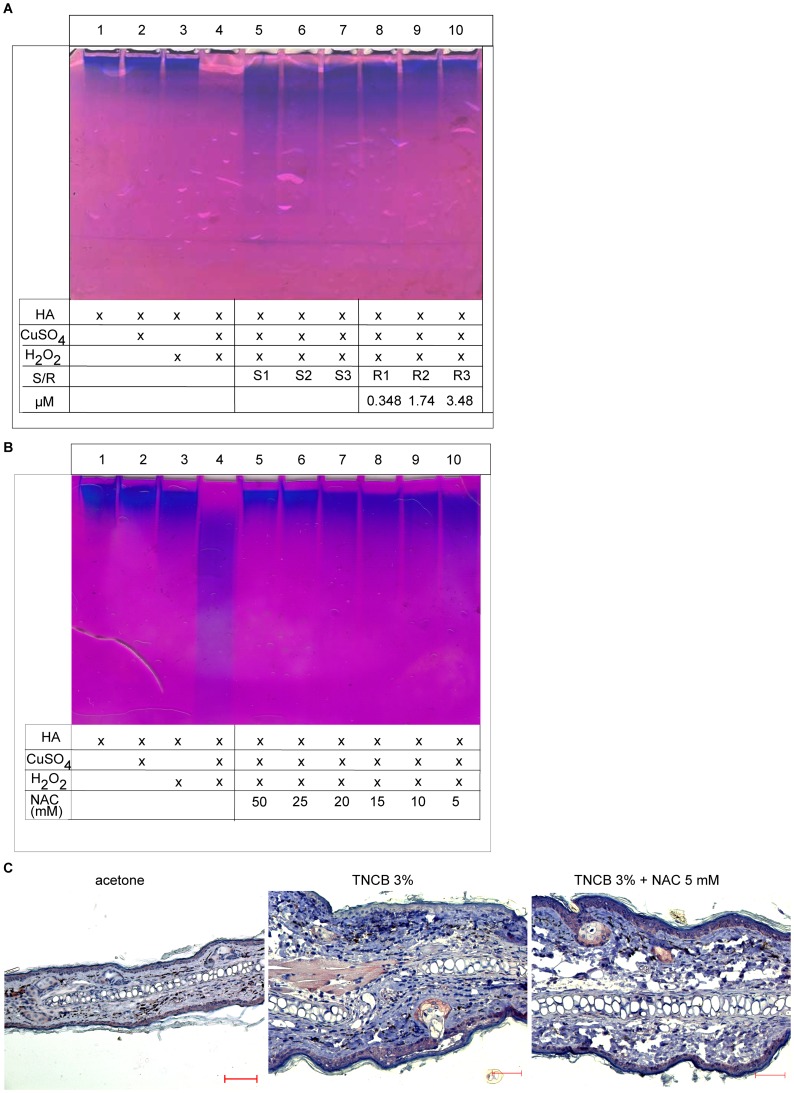
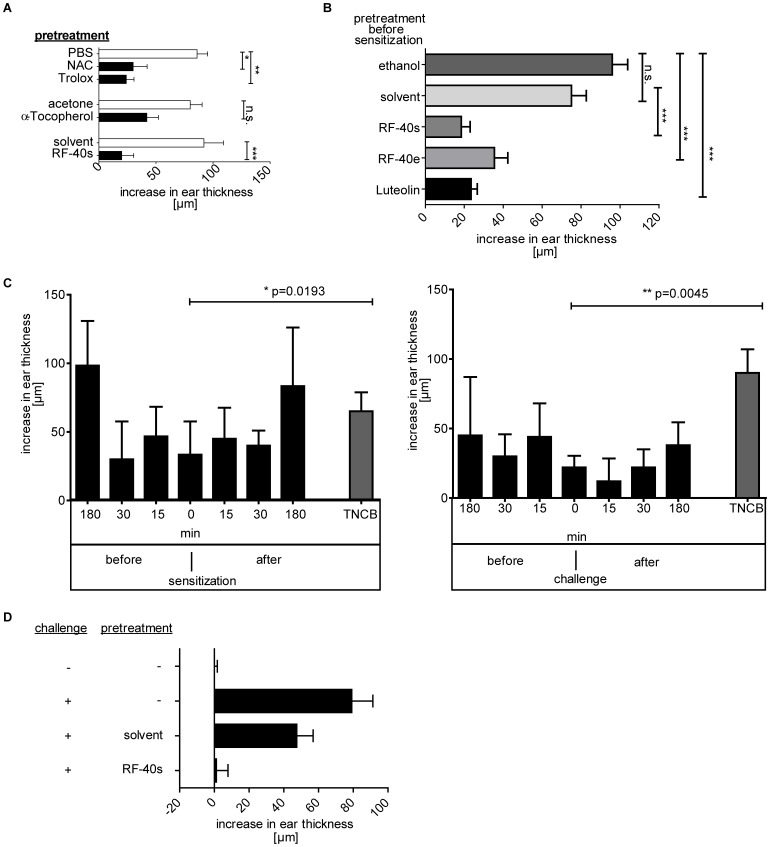
METHODOLOGY/PRINCIPAL FINDINGS: We analyzed in vitro and in vivo ROS production using fluorescent ROS detection reagents. HA fragmentation was determined by gel electrophoresis. The influence of blocking ROS production and HA degradation by antioxidants, hyaluronidase-inhibitor or p38 MAPK inhibitor was analyzed in the murine CHS model. Here, we demonstrate that organic contact sensitizers induce production of reactive oxygen species (ROS) and a concomitant breakdown of the extracellular matrix (ECM) component hyaluronic acid (HA) to pro-inflammatory low molecular weight fragments in the skin. Importantly, inhibition of either ROS-mediated or enzymatic HA breakdown prevents sensitization as well as elicitation of CHS.
CONCLUSIONS/SIGNIFICANCE: These data identify an indirect mechanism of contact sensitizer induced innate inflammatory signaling involving the breakdown of the ECM and generation of endogenous danger signals. Our findings suggest a beneficial role for anti-oxidants and hyaluronidase inhibitors in prevention and treatment of ACD.
过敏性接触性皮炎(ACD)是一种严重的健康问题,其发病率在全球范围内呈上升趋势。它是一种由蛋白反应性有机和无机化学物质引起的 T 细胞介导的皮肤病。接触过敏原的一个关键特征是它们能够引发先天免疫反应,导致皮肤炎症。来自小鼠接触超敏反应(CHS)模型的先前证据表明,先天免疫信号的内源性激活剂具有重要作用。在这里,我们分析了接触致敏剂诱导的 ROS 产生以及伴随的透明质酸代谢变化对 CHS 反应的作用。
方法/主要发现:我们使用荧光 ROS 检测试剂分析了体外和体内的 ROS 产生。通过凝胶电泳测定 HA 片段化。在小鼠 CHS 模型中分析了通过抗氧化剂、透明质酸酶抑制剂或 p38 MAPK 抑制剂阻断 ROS 产生和 HA 降解的影响。在这里,我们证明有机接触致敏剂诱导活性氧(ROS)的产生以及细胞外基质(ECM)成分透明质酸(HA)的伴随分解,在皮肤中产生促炎的低分子量片段。重要的是,抑制 ROS 介导的或酶促的 HA 分解可防止致敏以及 CHS 的引发。
结论/意义:这些数据确定了一种间接的接触致敏剂诱导先天炎症信号的机制,涉及 ECM 的破坏和内源性危险信号的产生。我们的研究结果表明,抗氧化剂和透明质酸酶抑制剂在预防和治疗 ACD 方面具有有益作用。