National Institute of Immunology, New Delhi 110067, India.
J Exp Med. 2012 Aug 27;209(9):1641-53. doi: 10.1084/jem.20110306. Epub 2012 Aug 6.
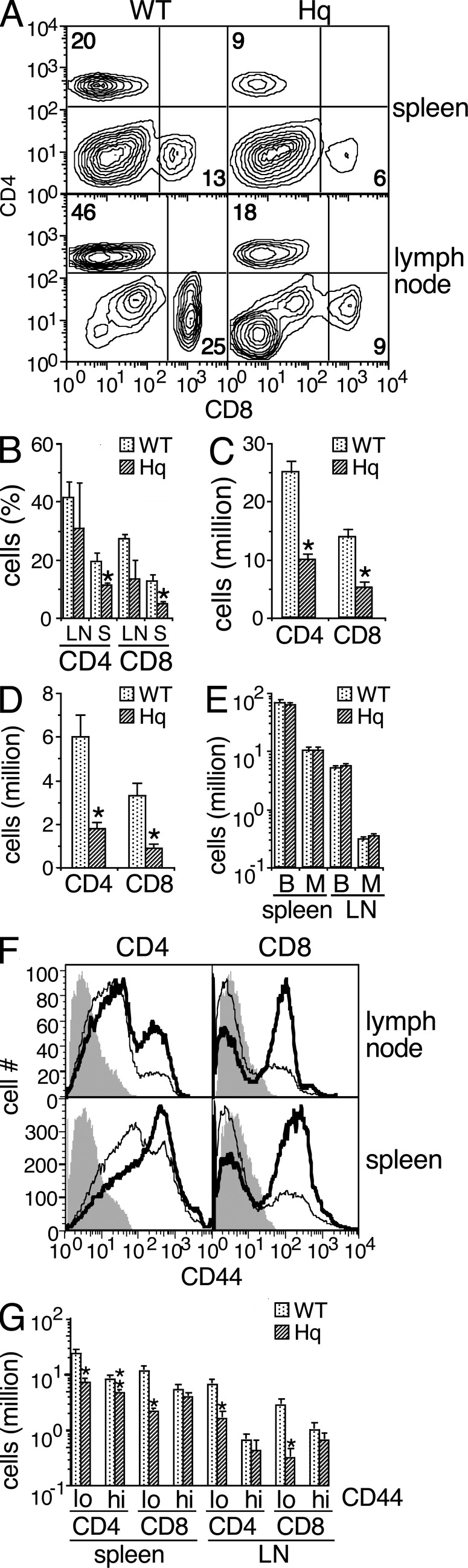
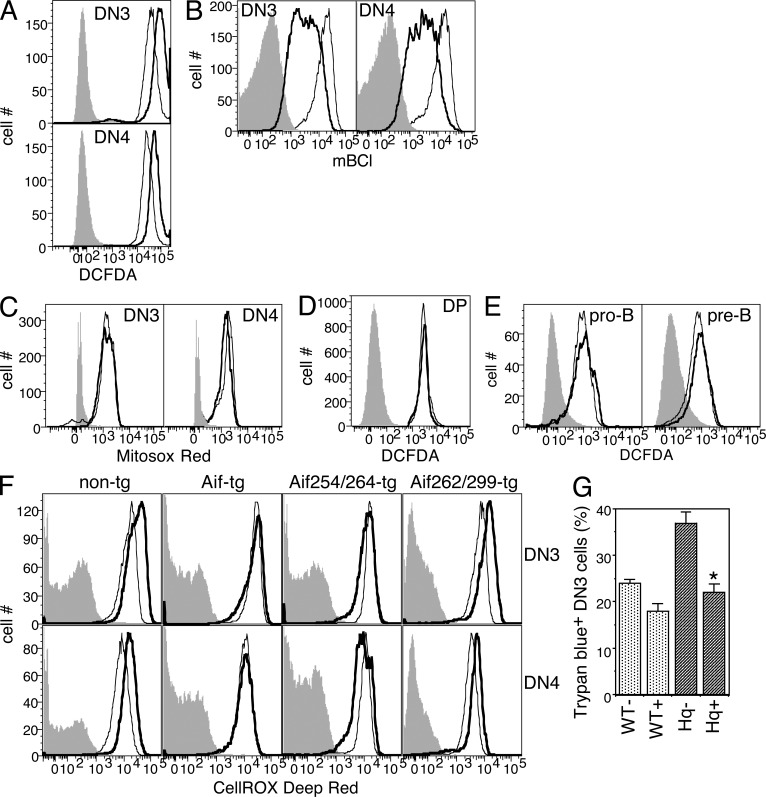
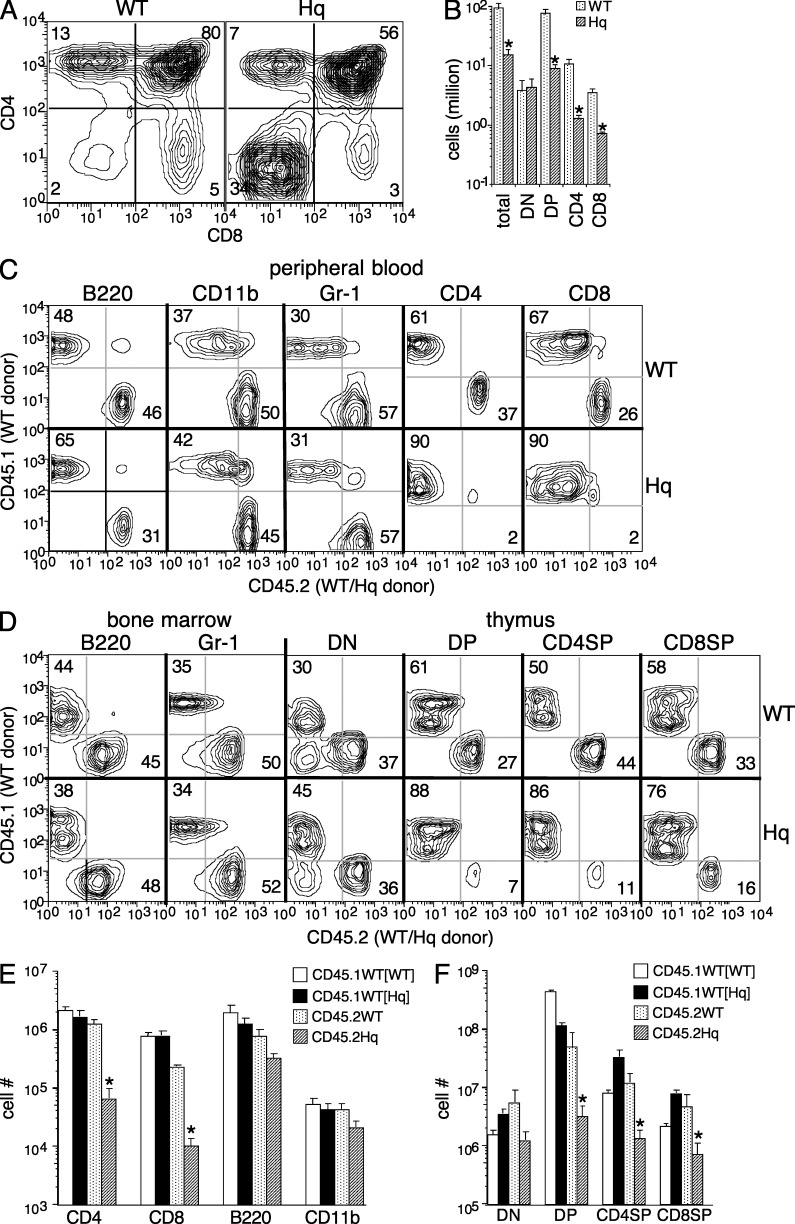
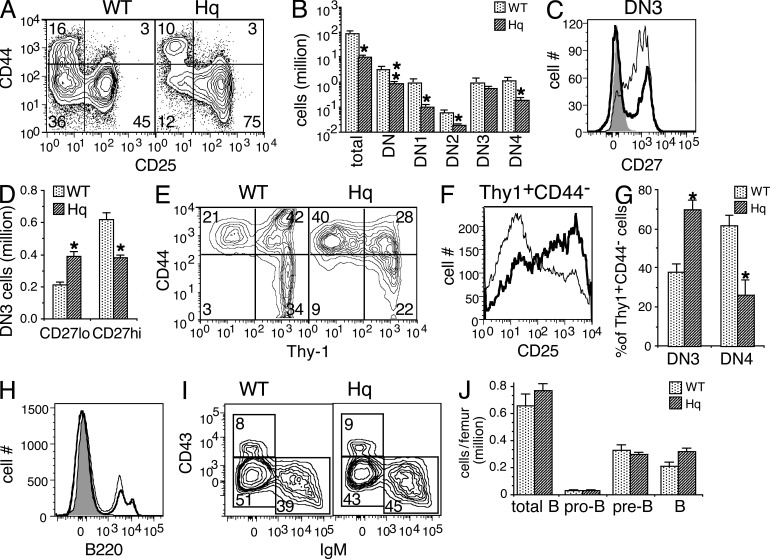
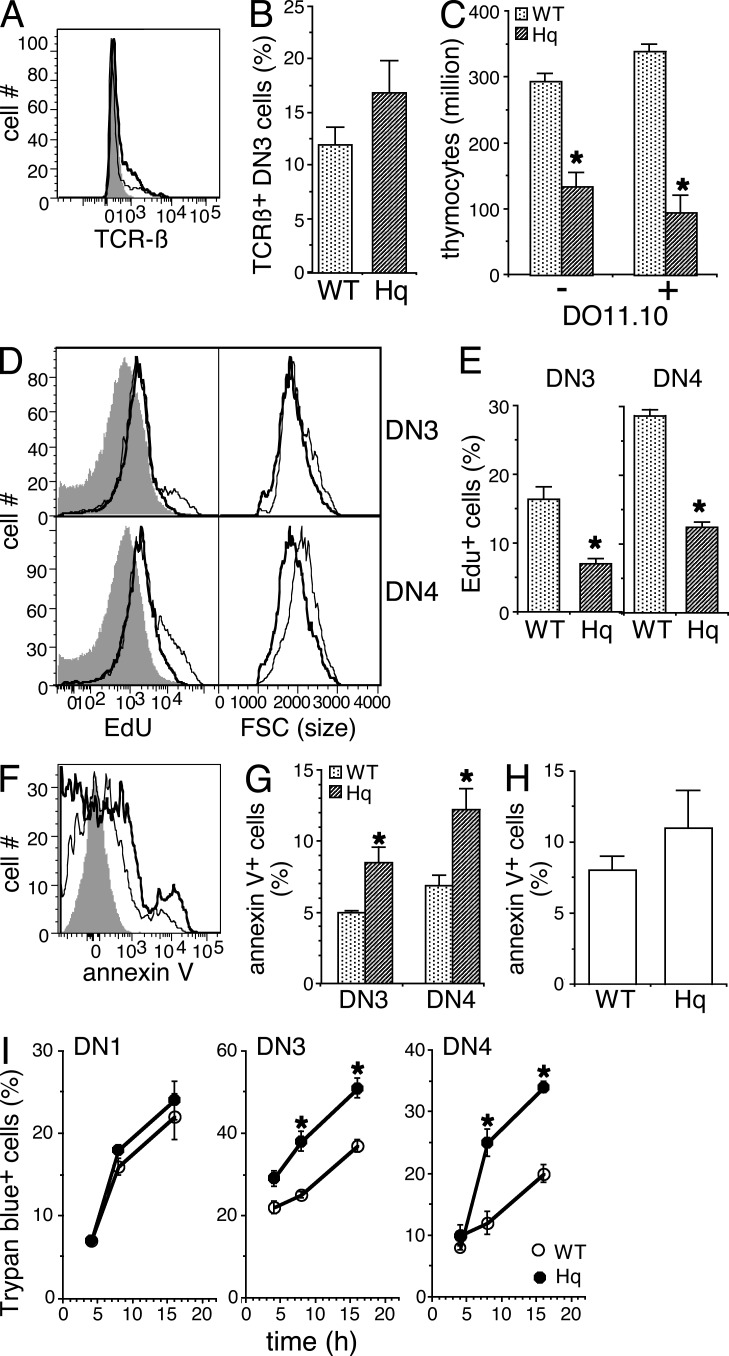
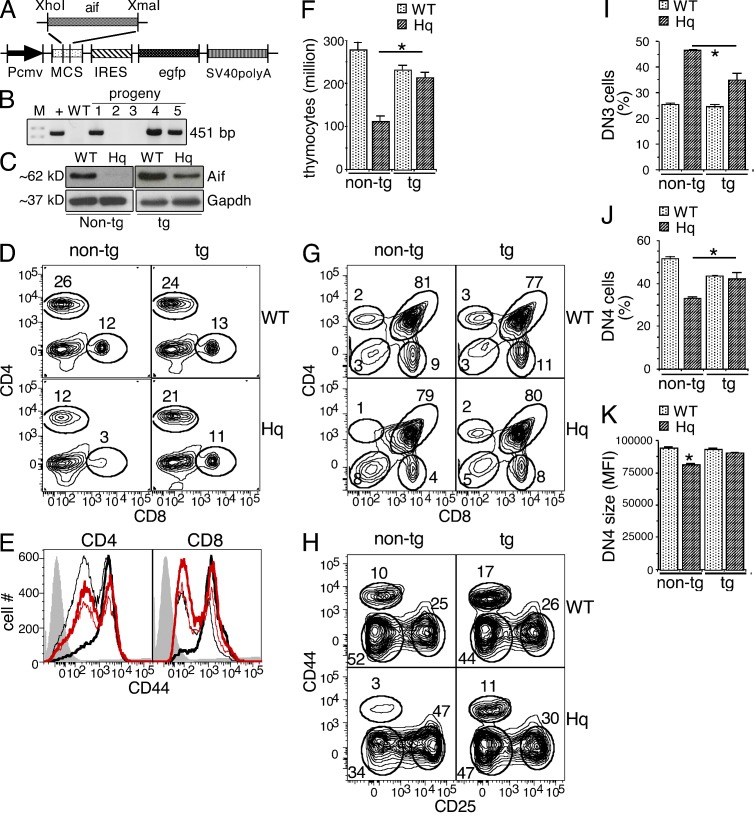
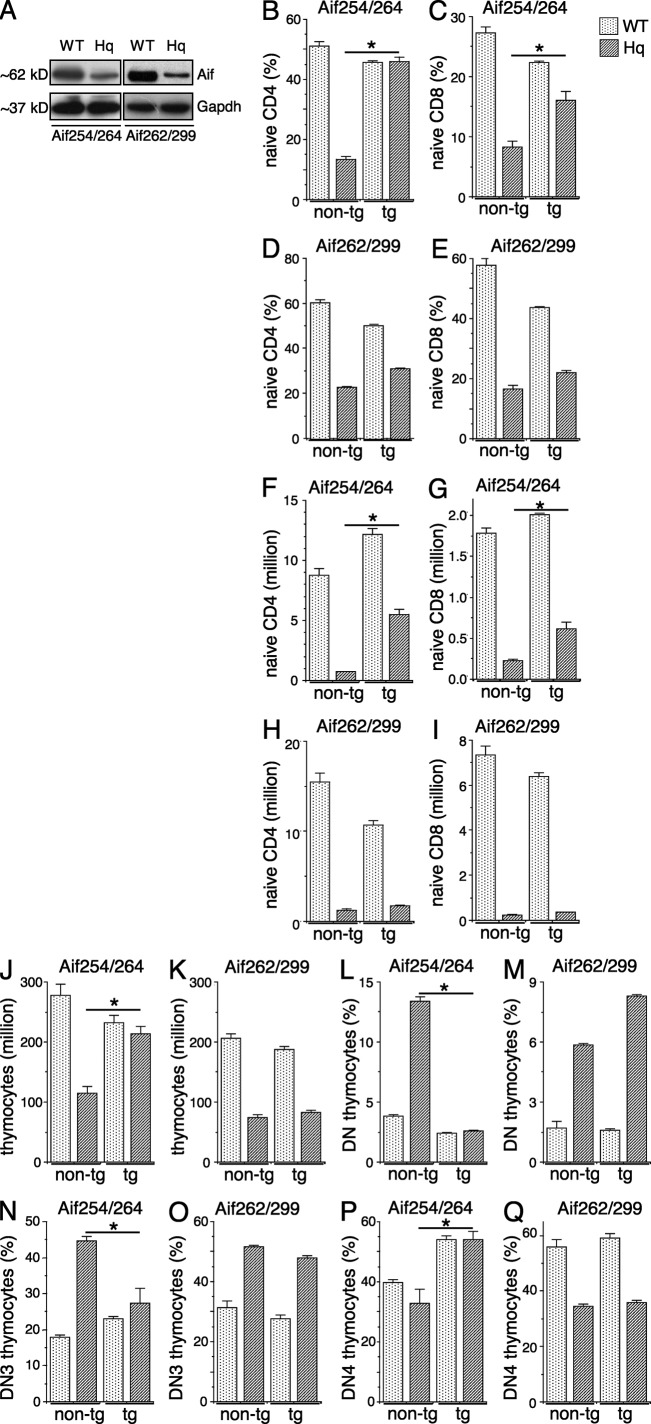
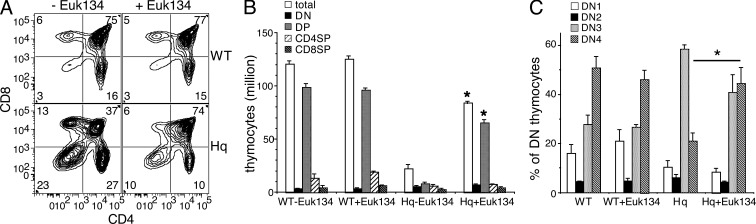
Apoptosis-inducing factor (Aif) is a mitochondrial flavoprotein that regulates cell metabolism and survival in many tissues. We report that aif-hypomorphic harlequin (Hq) mice show thymic hypocellularity and a cell-autonomous thymocyte developmental block associated with apoptosis at the β-selection stage, independent of T cell receptor β recombination. No abnormalities are observed in the B cell lineage. Transgenes encoding wild-type or DNA-binding-deficient mutant Aif rectify the thymic defect, but a transgene encoding oxidoreductase activity-deficient mutant Aif does not. The Hq thymic block is reversed in vivo by antioxidant treatment, and Hq T but not B lineage cells show enhanced oxidative stress. Thus, Aif, a ubiquitous protein, serves a lineage-specific nonredundant antiapoptotic role in the T cell lineage by regulating reactive oxygen species during thymic β-selection.
凋亡诱导因子(Aif)是一种线粒体黄素蛋白,可调节许多组织中的细胞代谢和存活。我们报告说,aif 低表达的小丑(Hq)小鼠表现出胸腺细胞数量减少和细胞自主性胸腺细胞发育阻滞,与β选择阶段的细胞凋亡有关,与 T 细胞受体β重组无关。B 细胞谱系中未观察到异常。编码野生型或 DNA 结合缺陷突变 Aif 的转基因可纠正胸腺缺陷,但编码氧化还原酶活性缺陷突变 Aif 的转基因则不能。体内抗氧化剂处理可逆转 Hq 胸腺阻断,Hq T 细胞而非 B 细胞谱系细胞显示增强的氧化应激。因此,Aif 作为一种普遍存在的蛋白质,通过在胸腺β选择过程中调节活性氧来发挥在 T 细胞谱系中特定于谱系的非冗余抗凋亡作用。