Hashizume Hideo
Department of Dermatology, Shimada Municipal Hospital, Shimada, Shizuoka 427-8502, Japan.
Asia Pac Allergy. 2012 Jul;2(3):203-9. doi: 10.5415/apallergy.2012.2.3.203. Epub 2012 Jul 25.
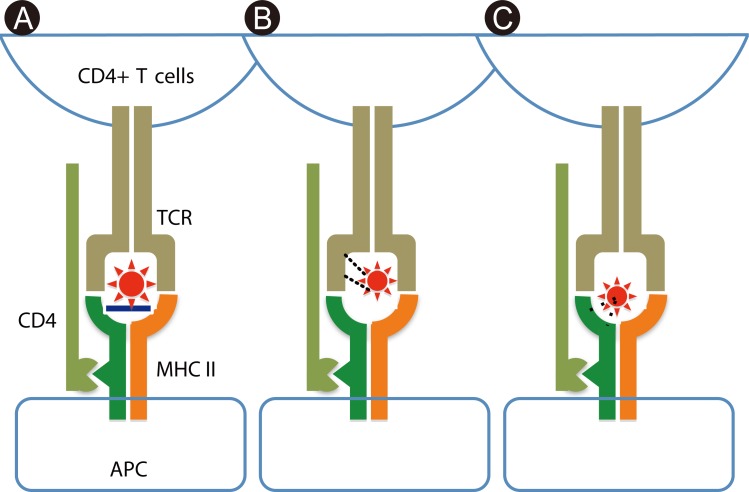
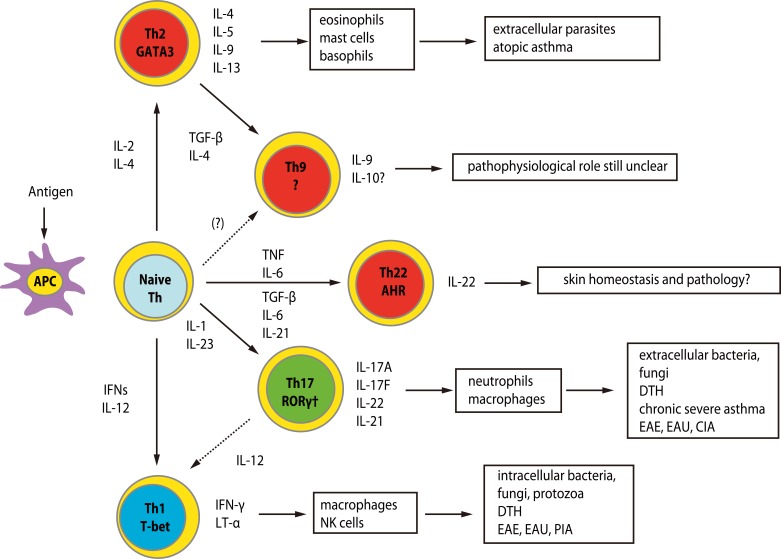
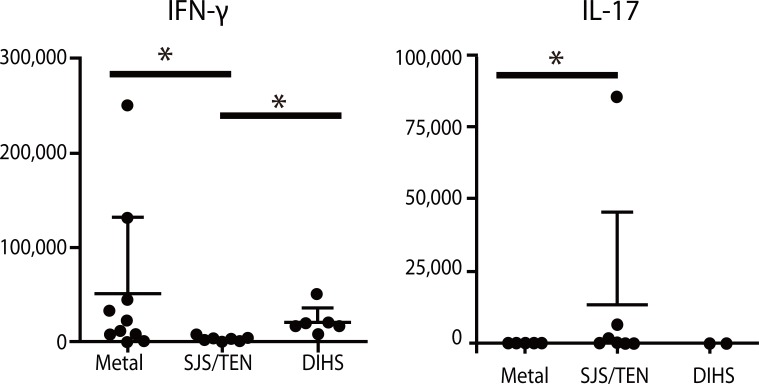
Recent technical approaches to investigating drug hypersensitivity have provided a great deal of information to solve the mechanisms that remain poorly understood. First, immunological investigations and in silico analysis have revealed that a novel interaction between T cells and antigen-presenting cells, namely the pharmacological interaction concept, is involved in drug recognition and the hapten theory. Second, progress in immunology has provided a new concept of CD4+ T cell subsets. Th17 cells have proven to be a critical player in acute generalized exanthematous pustulosis. Our recent findings suggest that this subset might contribute to the pathogenesis of Stevens-Johnson syndrome/toxic epidermal necrolysis. Third, alarmins, molecules associated with innate immunity, are also associated with exaggeration and the persistence of severe drug hypersensitivity. The latest innovative techniques are providing a new landscape to examine drug hypersensitivity.
最近用于研究药物超敏反应的技术方法为解决仍知之甚少的机制提供了大量信息。首先,免疫学研究和计算机分析表明,T细胞与抗原呈递细胞之间的一种新型相互作用,即药理学相互作用概念,参与了药物识别和半抗原理论。其次,免疫学的进展提供了CD4+ T细胞亚群的新概念。已证明Th17细胞在急性泛发性脓疱病中起关键作用。我们最近的研究结果表明,这一亚群可能与史蒂文斯-约翰逊综合征/中毒性表皮坏死松解症的发病机制有关。第三,警报素,即与固有免疫相关的分子,也与严重药物超敏反应的加剧和持续存在有关。最新的创新技术为研究药物超敏反应提供了新的视角。