Laboratory of Microbial Biofilms, Idab-Universidad Pública de Navarra-CSIC-Gobierno de Navarra, Pamplona, Spain.
PLoS Pathog. 2012;8(8):e1002843. doi: 10.1371/journal.ppat.1002843. Epub 2012 Aug 2.
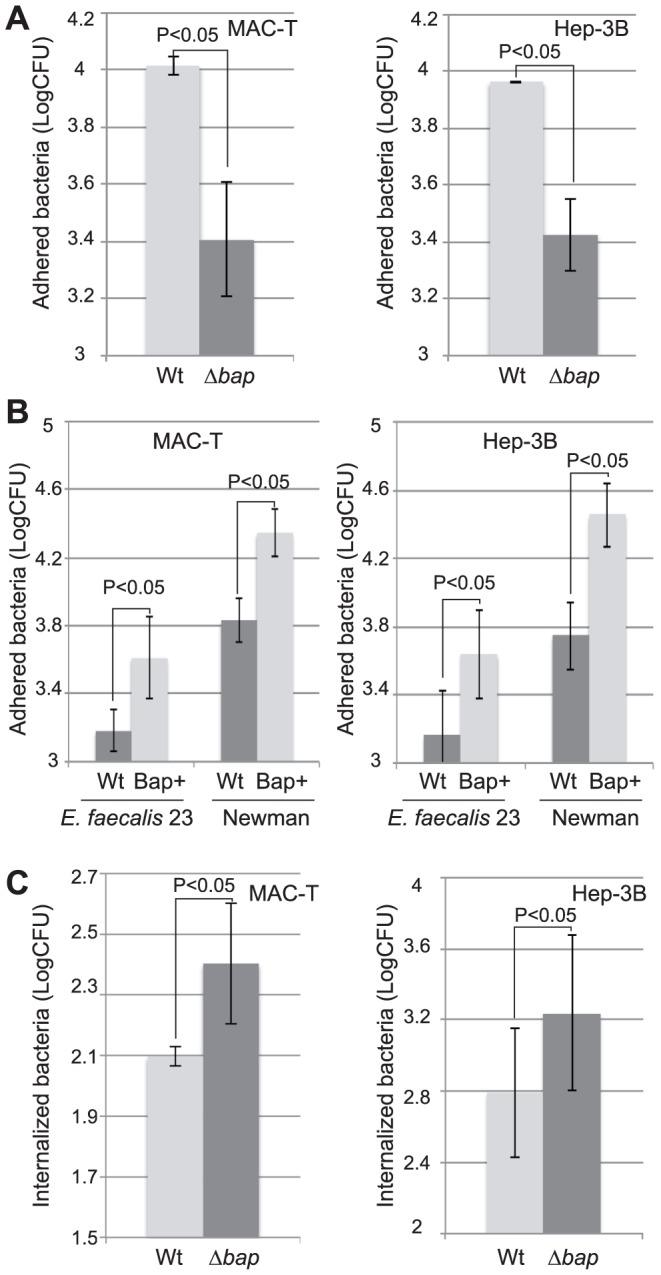
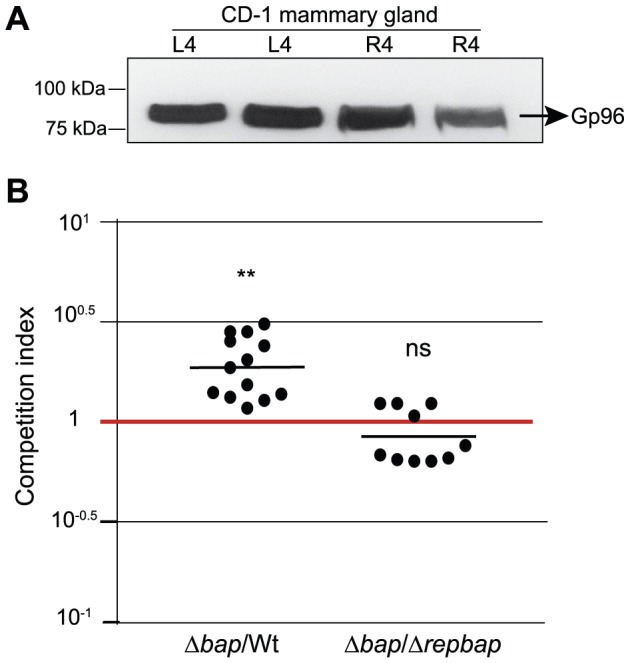
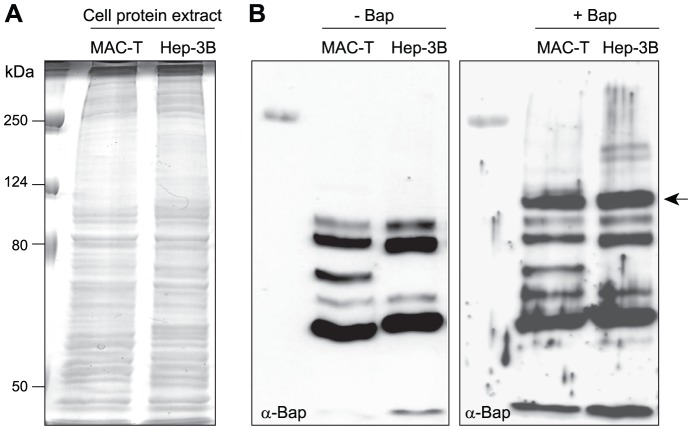
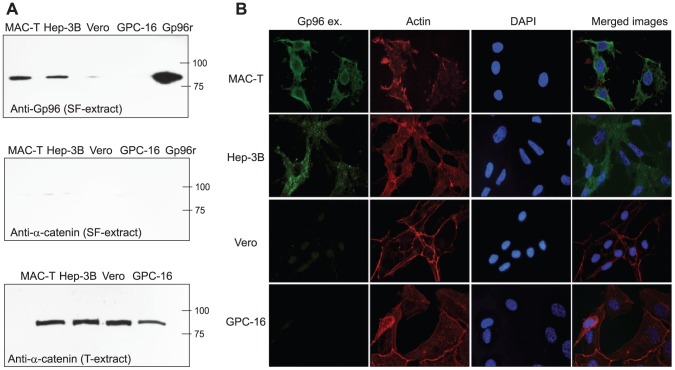
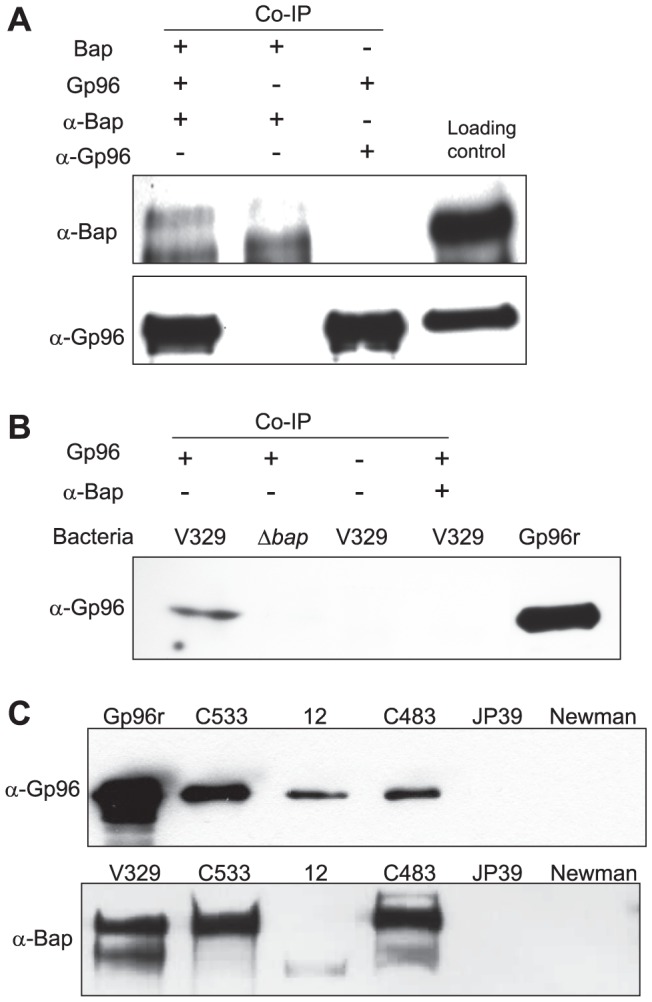
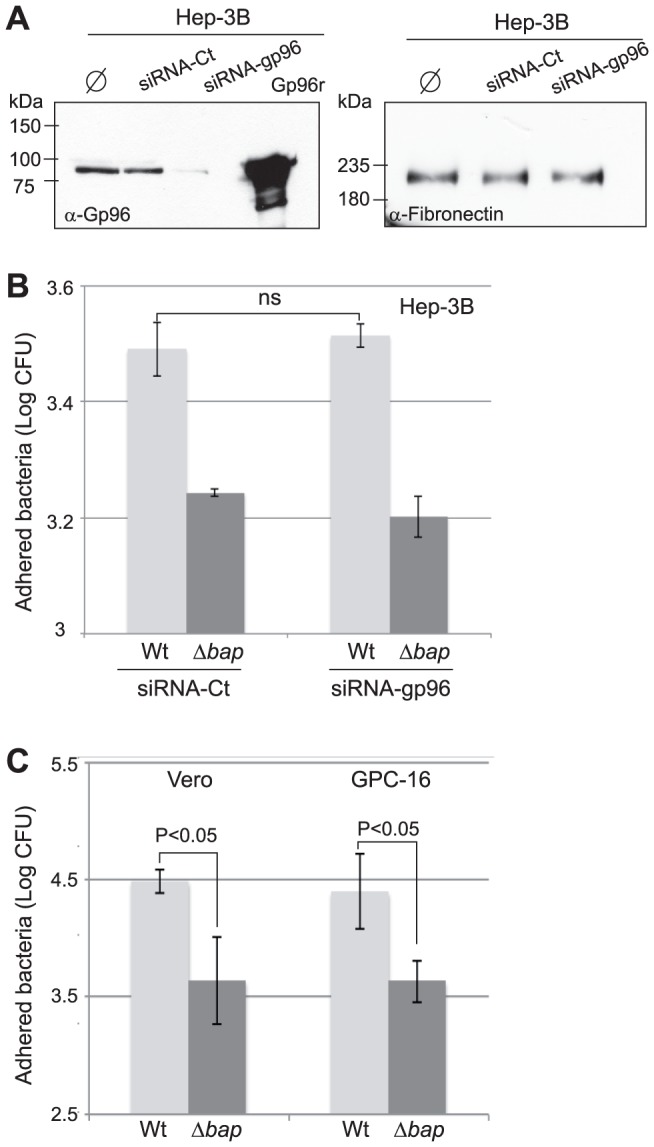
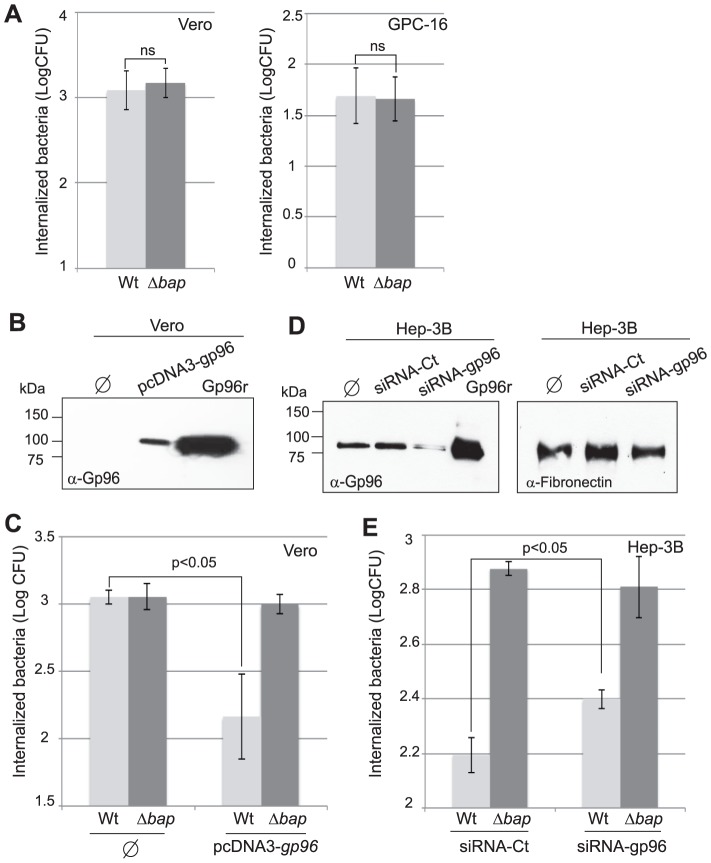
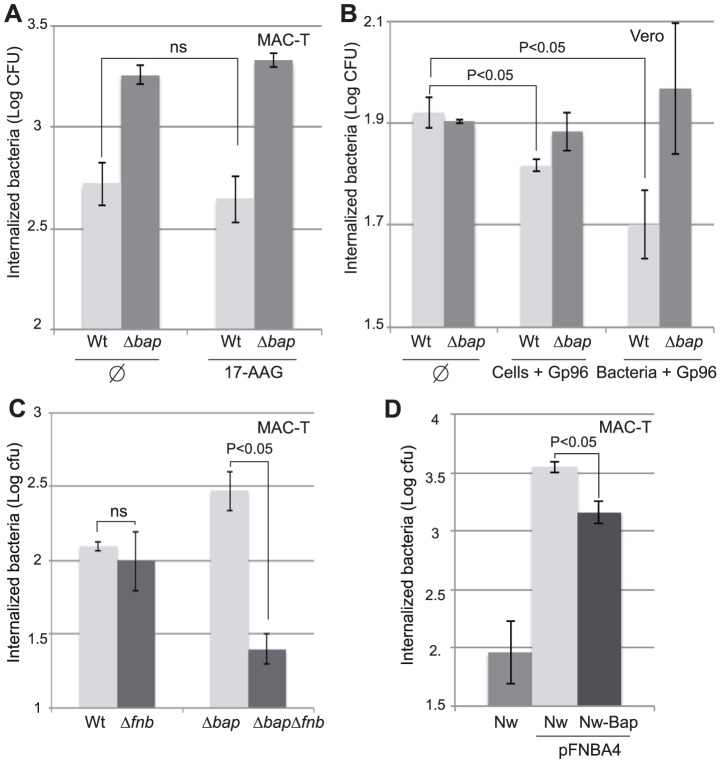
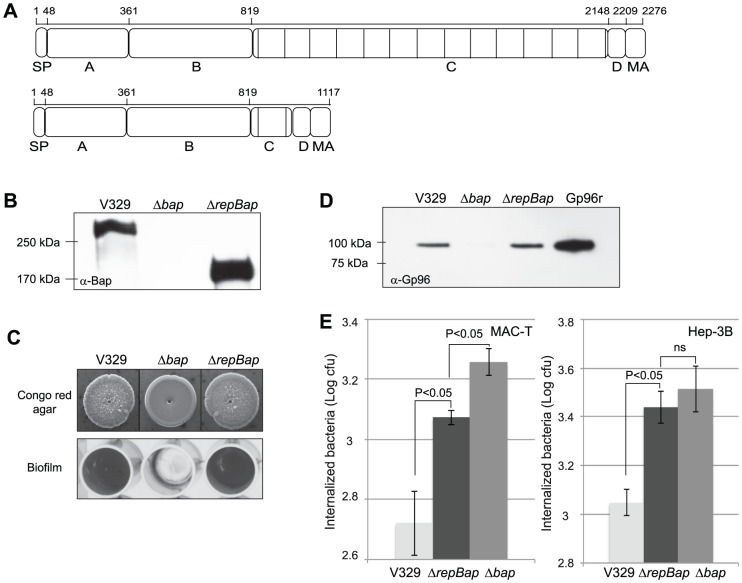
The biofilm matrix, composed of exopolysaccharides, proteins, nucleic acids and lipids, plays a well-known role as a defence structure, protecting bacteria from the host immune system and antimicrobial therapy. However, little is known about its responsibility in the interaction of biofilm cells with host tissues. Staphylococcus aureus, a leading cause of biofilm-associated chronic infections, is able to develop a biofilm built on a proteinaceous Bap-mediated matrix. Here, we used the Bap protein as a model to investigate the role that components of the biofilm matrix play in the interaction of S. aureus with host cells. The results show that Bap promotes the adhesion but prevents the entry of S. aureus into epithelial cells. A broad analysis of potential interaction partners for Bap using ligand overlayer immunoblotting, immunoprecipitation with purified Bap and pull down with intact bacteria, identified a direct binding between Bap and Gp96/GRP94/Hsp90 protein. The interaction of Bap with Gp96 provokes a significant reduction in the capacity of S. aureus to invade epithelial cells by interfering with the fibronectin binding protein invasion pathway. Consistent with these results, Bap deficient bacteria displayed an enhanced capacity to invade mammary gland epithelial cells in a lactating mice mastitis model. Our observations begin to elucidate the mechanisms by which components of the biofilm matrix can facilitate the colonization of host tissues and the establishment of persistent infections.
生物膜基质由胞外多糖、蛋白质、核酸和脂类组成,作为一种防御结构,众所周知,它可以保护细菌免受宿主免疫系统和抗菌治疗的影响。然而,人们对其在生物膜细胞与宿主组织相互作用中的作用知之甚少。金黄色葡萄球菌是生物膜相关慢性感染的主要原因之一,它能够在一种由 Bap 介导的蛋白质基质上形成生物膜。在这里,我们使用 Bap 蛋白作为模型,研究生物膜基质的成分在金黄色葡萄球菌与宿主细胞相互作用中的作用。结果表明,Bap 促进金黄色葡萄球菌的黏附,但阻止其进入上皮细胞。通过使用配体覆盖免疫印迹、用纯化的 Bap 进行免疫沉淀以及用完整细菌进行下拉实验,对 Bap 的潜在相互作用伙伴进行了广泛分析,鉴定出 Bap 与 Gp96/GRP94/Hsp90 蛋白之间存在直接结合。Bap 与 Gp96 的相互作用通过干扰纤维连接蛋白结合蛋白入侵途径,显著降低金黄色葡萄球菌入侵上皮细胞的能力。与这些结果一致的是,在哺乳期小鼠乳腺炎模型中,Bap 缺陷细菌显示出增强的入侵乳腺上皮细胞的能力。我们的观察结果开始阐明生物膜基质的成分如何促进宿主组织的定植和持续性感染的建立的机制。