Department of Surgery, Beth Israel Deaconess Medical Center, Boston, Massachusetts, United States of America.
PLoS One. 2012;7(8):e41982. doi: 10.1371/journal.pone.0041982. Epub 2012 Aug 7.
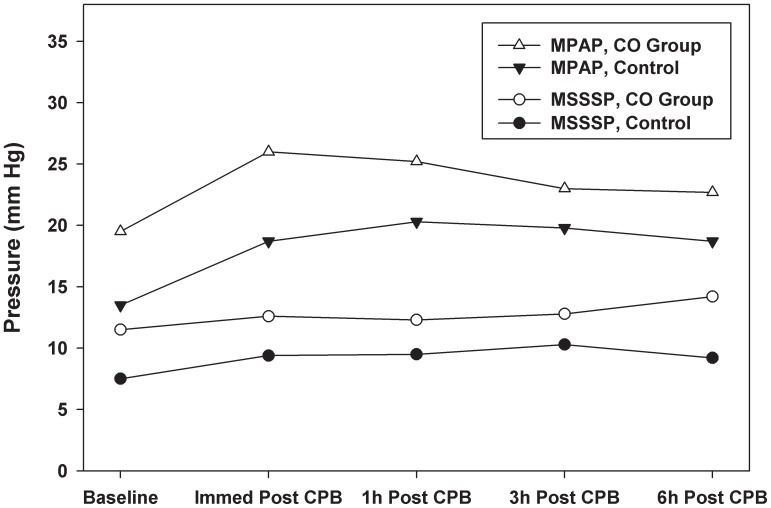
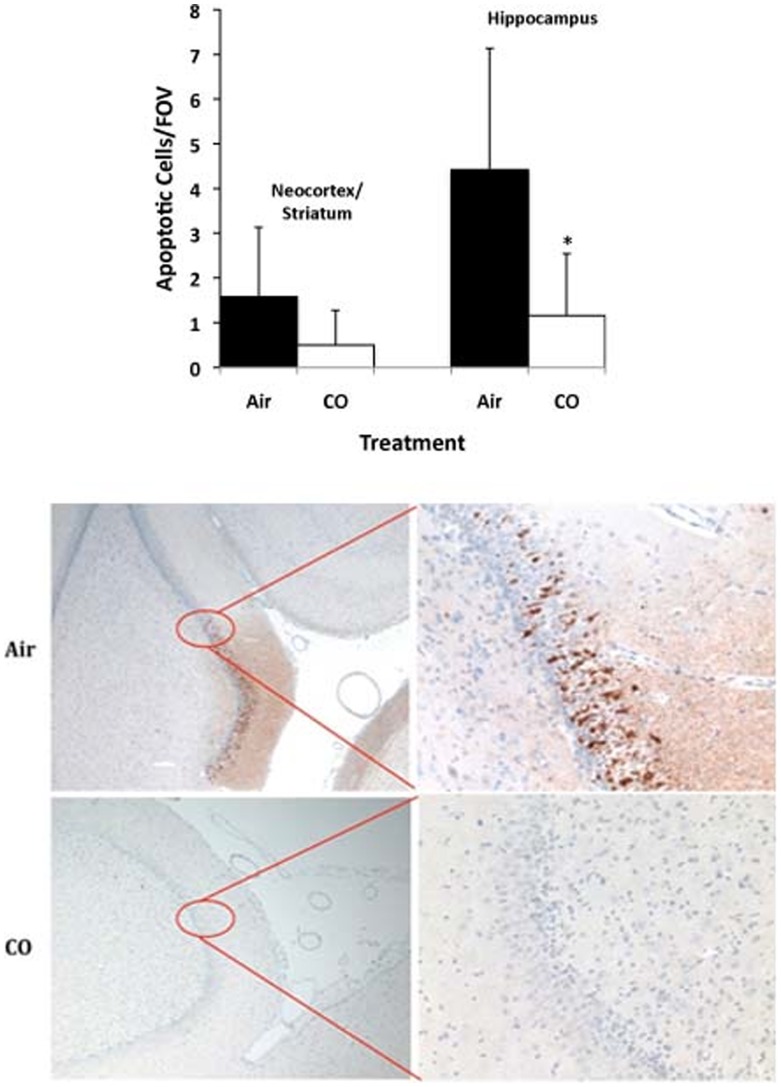
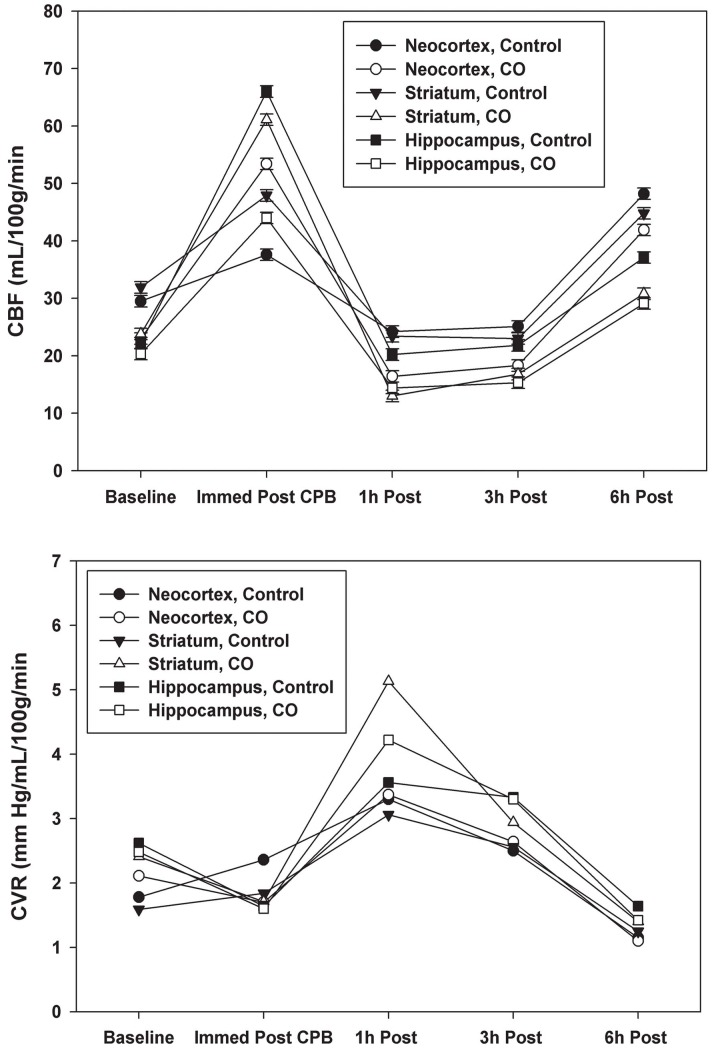
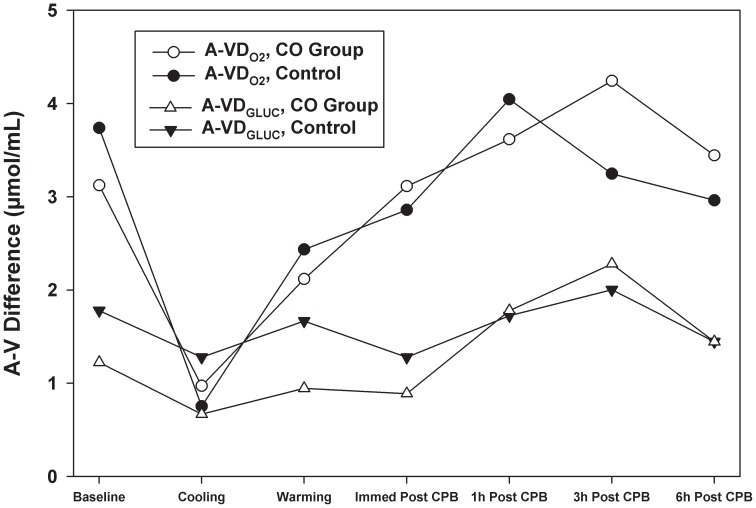
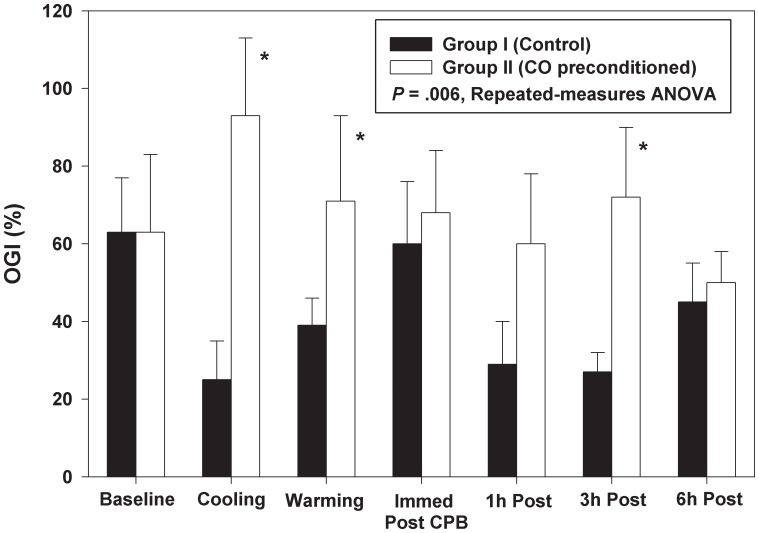
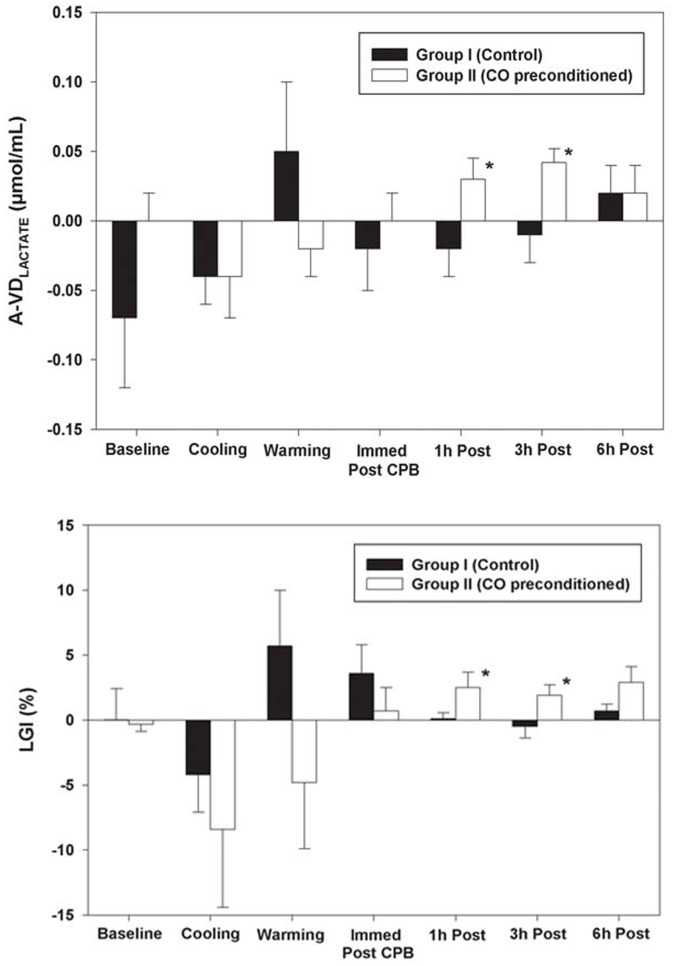
Carbon monoxide (CO) at low concentrations imparts protective effects in numerous preclinical small animal models of brain injury. Evidence of protection in large animal models of cerebral injury, however, has not been tested. Neurologic deficits following open heart surgery are likely related in part to ischemia reperfusion injury that occurs during cardiopulmonary bypass surgery. Using a model of deep hypothermic circulatory arrest (DHCA) in piglets, we evaluated the effects of CO to reduce cerebral injury. DHCA and cardiopulmonary bypass (CPB) induced significant alterations in metabolic demands, including a decrease in the oxygen/glucose index (OGI), an increase in lactate/glucose index (LGI) and a rise in cerebral blood pressure that ultimately resulted in increased cell death in the neocortex and hippocampus that was completely abrogated in piglets preconditioned with a low, safe dose of CO. Moreover CO-treated animals maintained normal, pre-CPB OGI and LGI and corresponding cerebral sinus pressures with no change in systemic hemodynamics or metabolic intermediates. Collectively, our data demonstrate that inhaled CO may be beneficial in preventing cerebral injury resulting from DHCA and offer important therapeutic options in newborns undergoing DHCA for open heart surgery.
一氧化碳(CO)在低浓度下可在许多脑损伤的小动物模型中发挥保护作用。然而,尚未在大型动物脑损伤模型中测试其保护作用。体外循环手术期间发生的缺血再灌注损伤可能与心脏手术后的神经功能缺损部分相关。我们使用小猪深低温停循环(DHCA)模型来评估 CO 减少脑损伤的效果。DHCA 和体外循环(CPB)引起代谢需求的显着变化,包括氧/葡萄糖指数(OGI)下降、乳酸/葡萄糖指数(LGI)增加和脑血流压升高,最终导致新皮层和海马体中的细胞死亡增加,而预先用低剂量安全的 CO 预处理的小猪中则完全消除了这种细胞死亡。此外,CO 处理的动物保持正常的 CPB 前 OGI 和 LGI 以及相应的脑窦压,而全身血液动力学或代谢中间产物没有变化。总的来说,我们的数据表明,吸入 CO 可能有益于预防 DHCA 引起的脑损伤,并为接受 DHCA 进行心脏手术的新生儿提供重要的治疗选择。