Department of Chemistry, Center for Diagnostics and Therapeutics, Georgia State University, Atlanta, GA 30303, USA.
Department of Pharmaceutical Sciences, University of Mississippi, MS 38677, USA.
J Control Release. 2021 Oct 10;338:593-609. doi: 10.1016/j.jconrel.2021.08.059. Epub 2021 Sep 2.
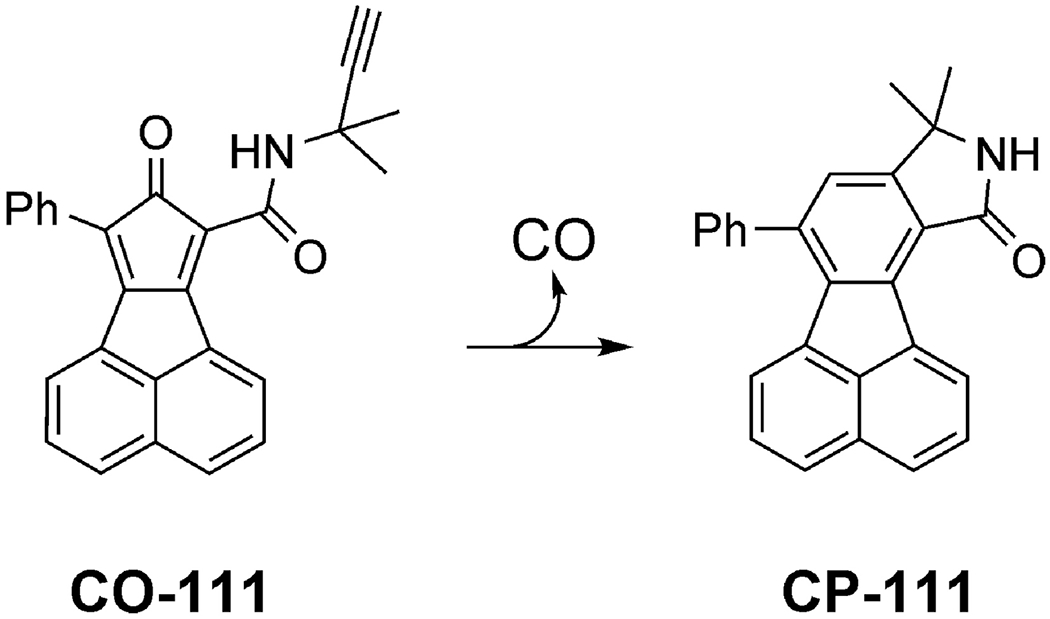
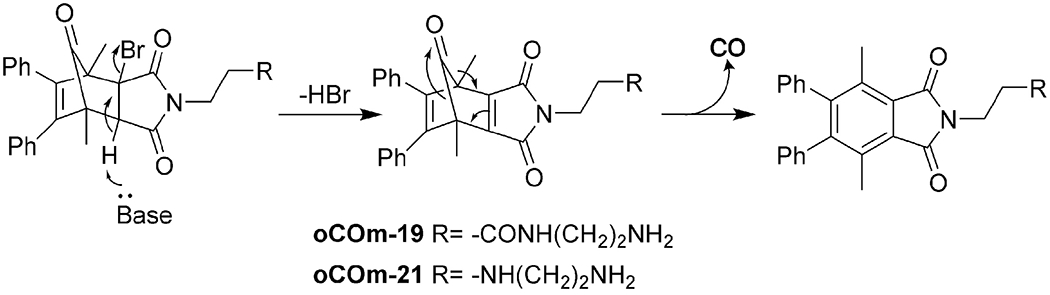
Along with the impressive achievements in understanding the endogenous signaling roles and mechanism(s) of action of carbon monoxide (CO), much research has demonstrated the potential of using CO as a therapeutic agent for treating various diseases. Because of CO's toxicity at high concentrations and the observed difference in toxicity profiles of CO depending on the route of administration, this review analyzes and presents the benefits of developing orally active CO donors. Such compounds have the potential for improved safety profiles, enhancing the chance for developing CO-based therapeutics. In this review, the difference between inhalation and oral administration in terms of toxicity, CO delivery efficiency, and the potential mechanism(s) of action is analyzed. The evolution from CO gas inhalation to oral administration is also extensively analyzed by summarizing published studies up to date. The concept of "CO in a pill" can be achieved by oral administration of novel formulations of CO gas or appropriate CO donors.
随着对一氧化碳(CO)内源性信号作用及其作用机制的深入了解,大量研究已经证明了将 CO 作为治疗各种疾病的治疗剂的潜力。由于 CO 在高浓度下具有毒性,并且观察到 CO 的毒性谱因给药途径而异,因此本综述分析并提出了开发口服活性 CO 供体的益处。这些化合物具有改善安全性概况的潜力,增加了开发基于 CO 的治疗剂的机会。在本综述中,分析了毒性、CO 传递效率以及潜在作用机制方面吸入和口服之间的差异。还通过总结迄今为止发表的研究来广泛分析从 CO 气体吸入到口服给药的演变。通过口服新型 CO 气体制剂或适当的 CO 供体,可以实现“药丸中的 CO”这一概念。