Institute of Biology Valrose, Université Nice - Sophia Antipolis, 06108 Nice Cedex 2, France.
J Cell Biol. 2012 Aug 20;198(4):711-30. doi: 10.1083/jcb.201203099. Epub 2012 Aug 13.
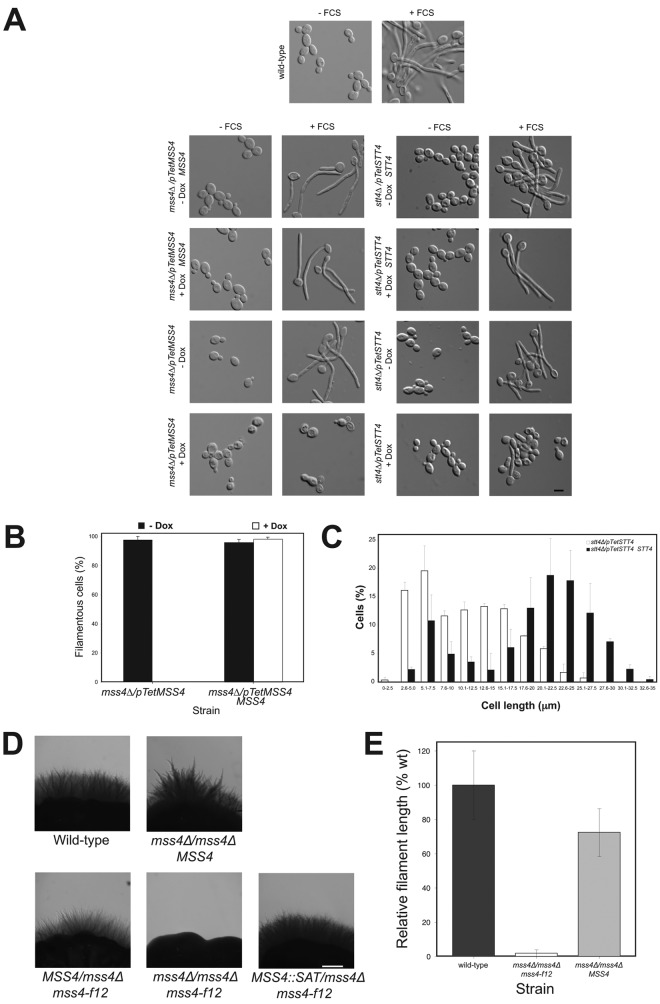
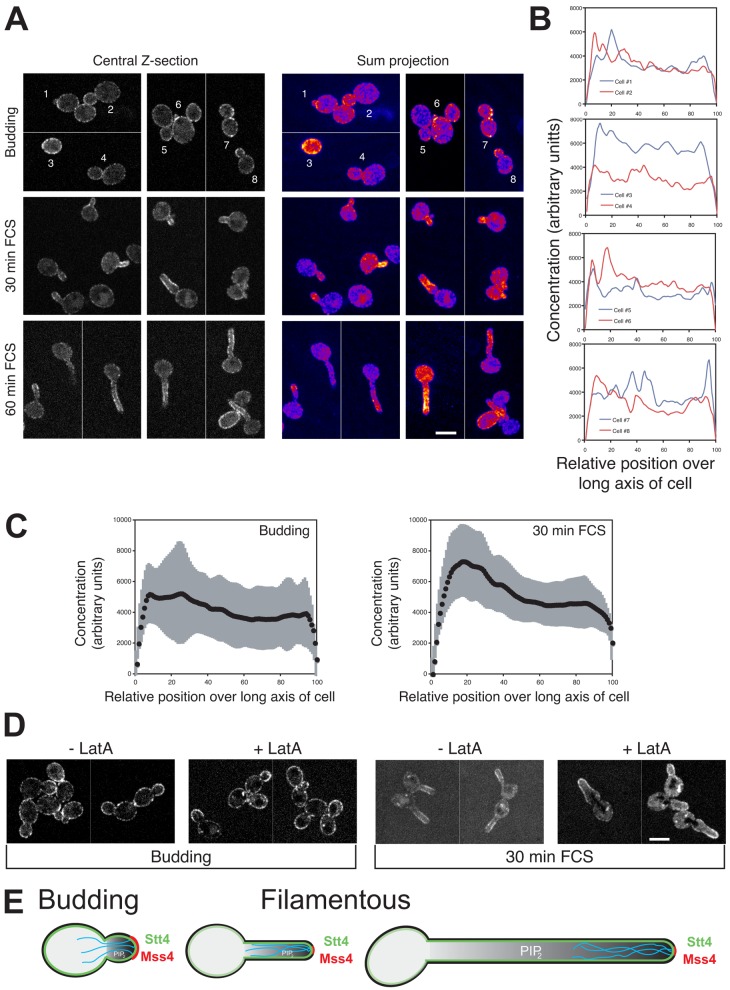
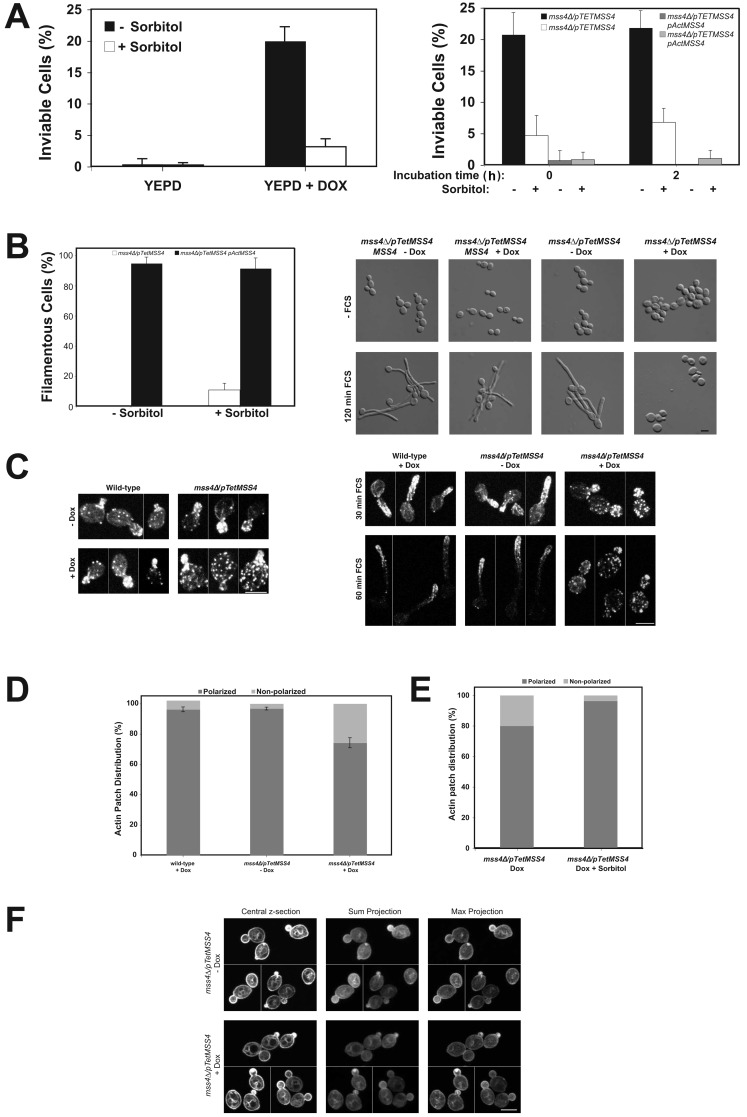
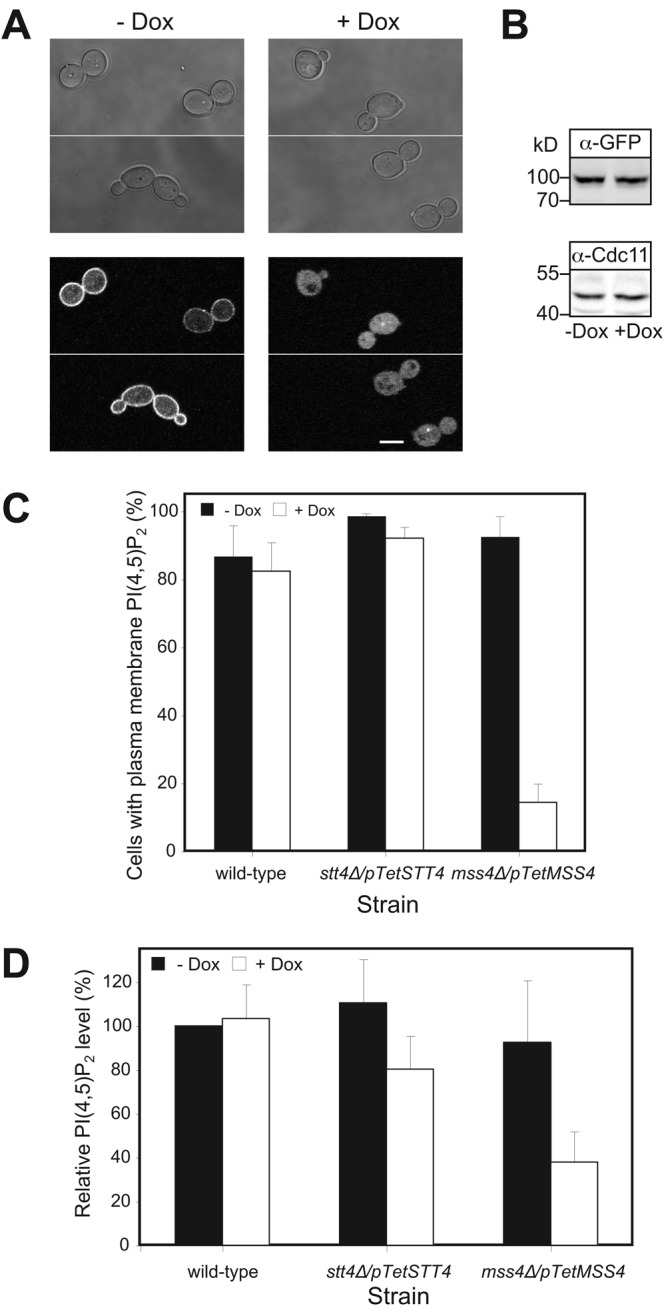
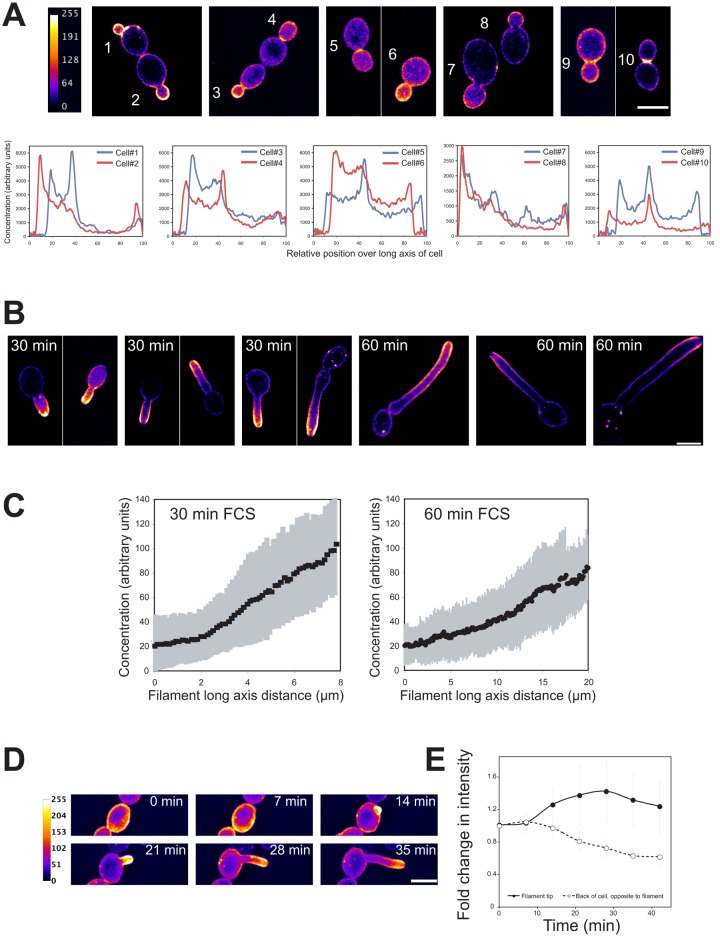
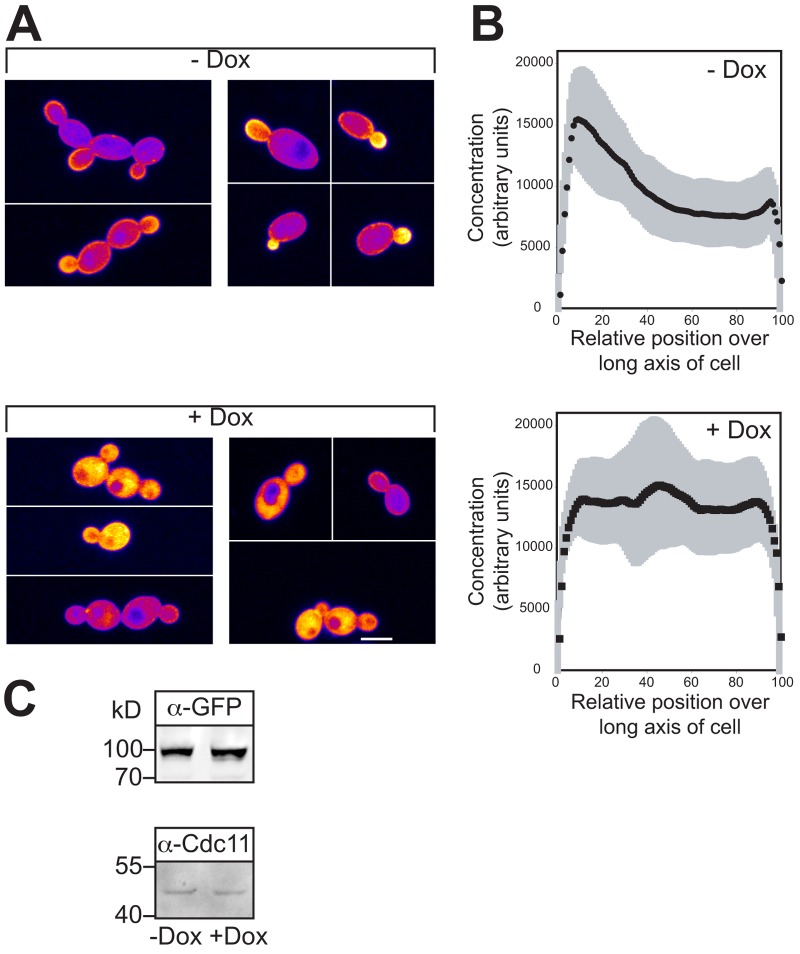
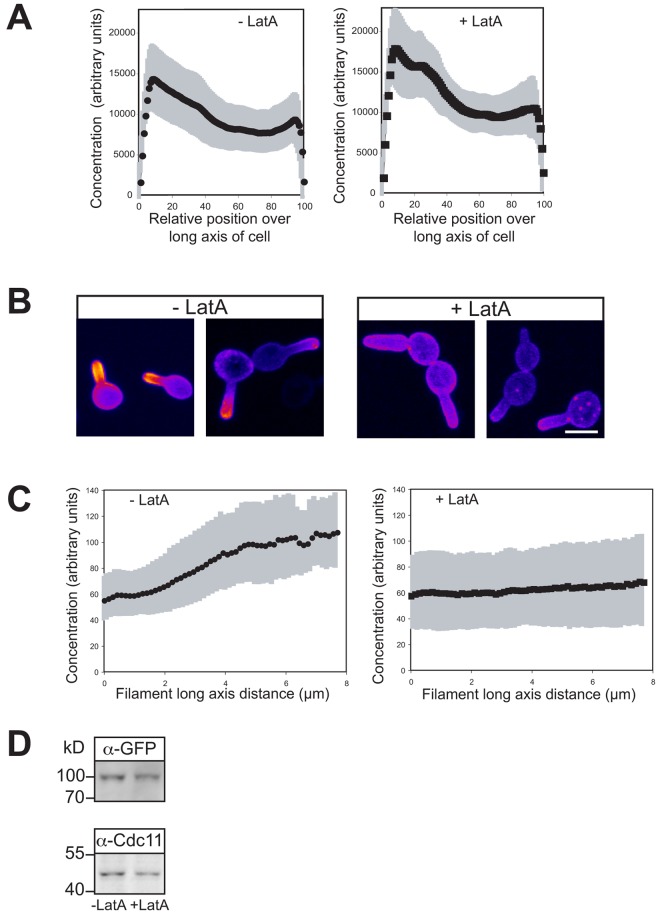
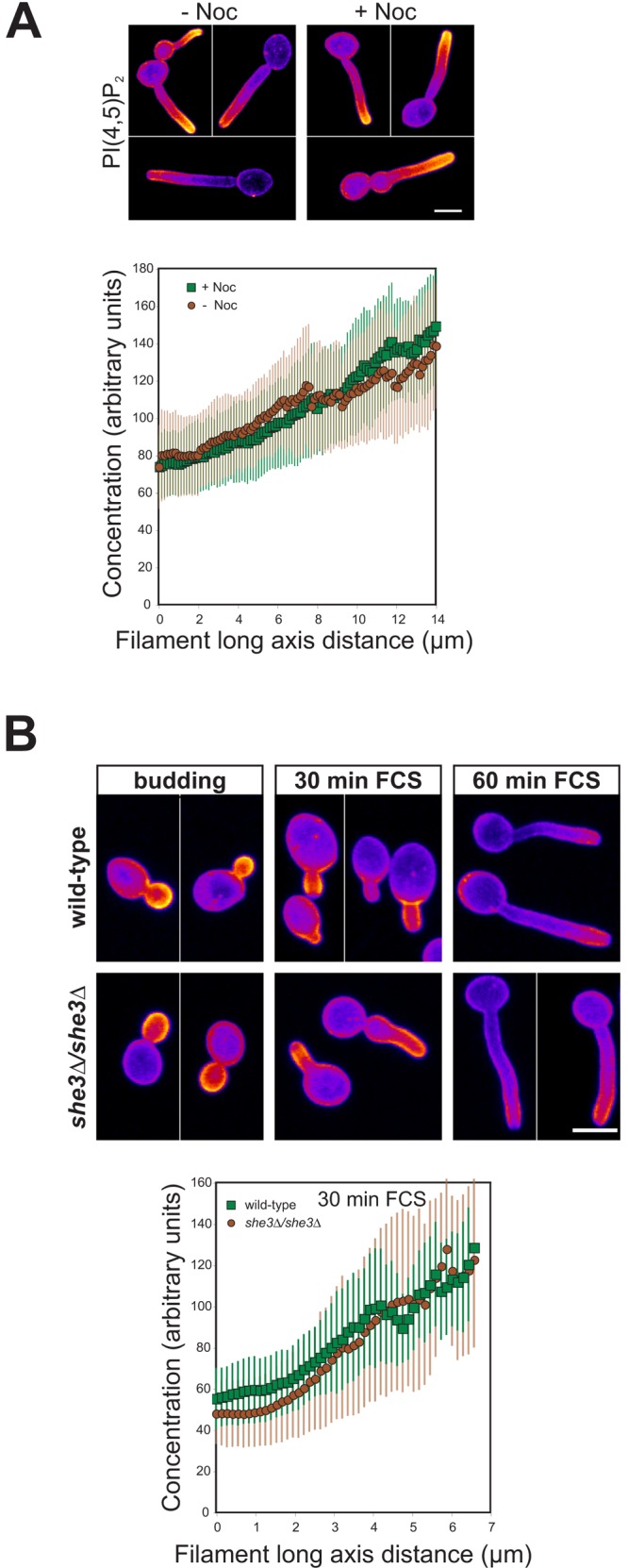
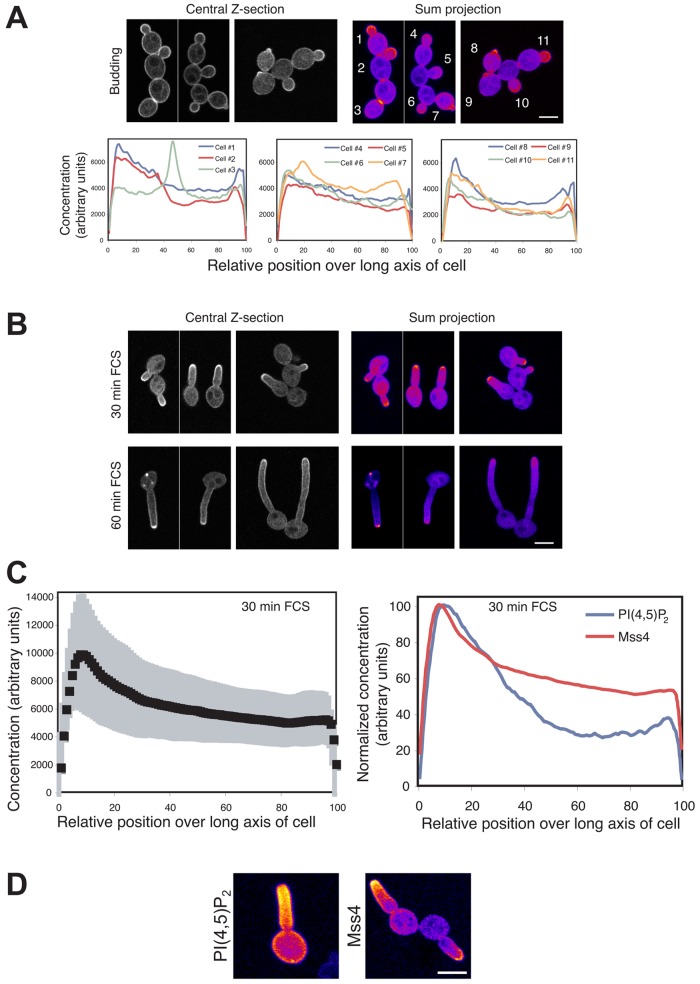
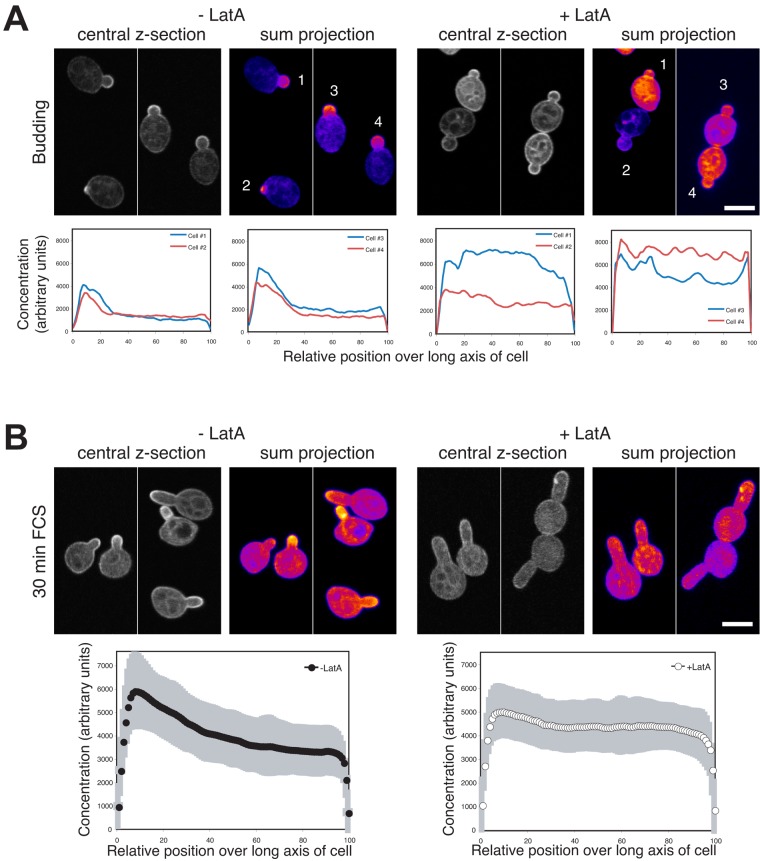
Membrane lipids have been implicated in many critical cellular processes, yet little is known about the role of asymmetric lipid distribution in cell morphogenesis. The phosphoinositide bis-phosphate PI(4,5)P(2) is essential for polarized growth in a range of organisms. Although an asymmetric distribution of this phospholipid has been observed in some cells, long-range gradients of PI(4,5)P(2) have not been observed. Here, we show that in the human pathogenic fungus Candida albicans a steep, long-range gradient of PI(4,5)P(2) occurs concomitant with emergence of the hyphal filament. Both sufficient PI(4)P synthesis and the actin cytoskeleton are necessary for this steep PI(4,5)P(2) gradient. In contrast, neither microtubules nor asymmetrically localized mRNAs are critical. Our results indicate that a gradient of PI(4,5)P(2), crucial for filamentous growth, is generated and maintained by the filament tip-localized PI(4)P-5-kinase Mss4 and clearing of this lipid at the back of the cell. Furthermore, we propose that slow membrane diffusion of PI(4,5)P(2) contributes to the maintenance of such a gradient.
膜脂参与了许多关键的细胞过程,但人们对脂质不对称分布在细胞形态发生中的作用知之甚少。双磷酸肌醇磷脂酰肌醇 4,5-二磷酸(PI(4,5)P(2))对于多种生物的极化生长是必不可少的。尽管在一些细胞中观察到这种磷脂的不对称分布,但尚未观察到 PI(4,5)P(2)的长程梯度。在这里,我们发现在人类致病性真菌白念珠菌中,PI(4,5)P(2)的陡峭、长程梯度伴随着菌丝丝状的出现而发生。足够的 PI(4)P 合成和肌动蛋白细胞骨架对于这种陡峭的 PI(4,5)P(2)梯度都是必要的。相比之下,微管和不对称定位的 mRNAs 都不是关键的。我们的结果表明,PI(4,5)P(2)梯度对于丝状生长至关重要,它是由丝状尖端定位的 PI(4)P-5-激酶 Mss4 产生和维持的,并且在细胞后端清除这种脂质。此外,我们提出 PI(4,5)P(2)的缓慢膜扩散有助于维持这种梯度。