Department of Biochemistry and Biophysics, University of California San Francisco, San Francisco, California, USA.
mBio. 2012 Aug 14;3(4):e00180-12. doi: 10.1128/mBio.00180-12. Print 2012.
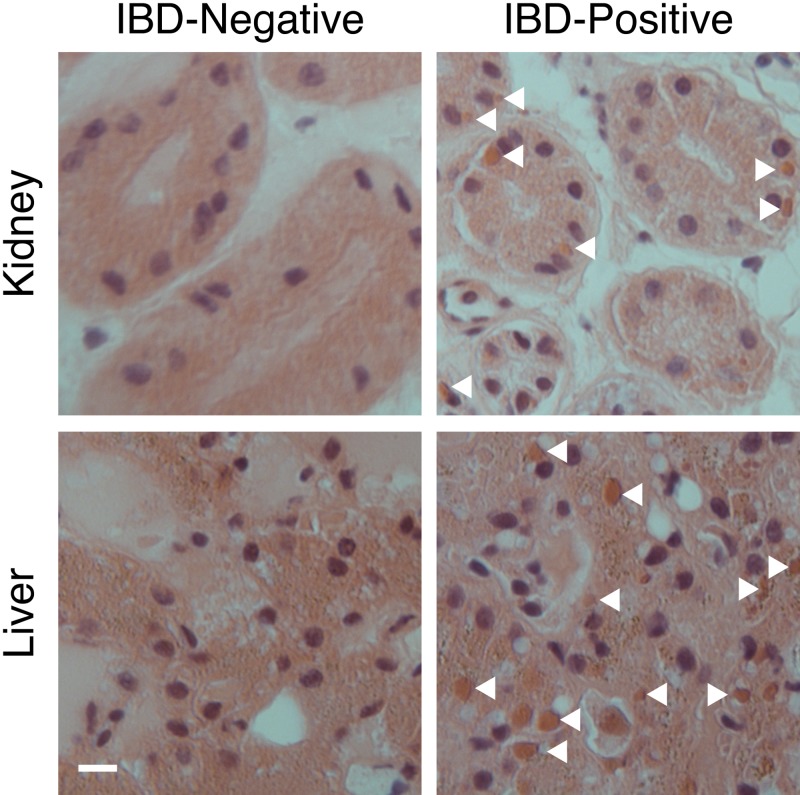
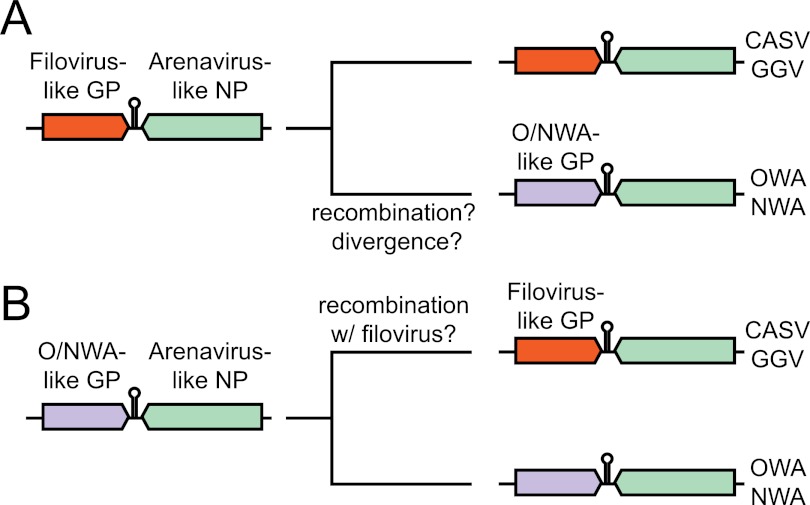
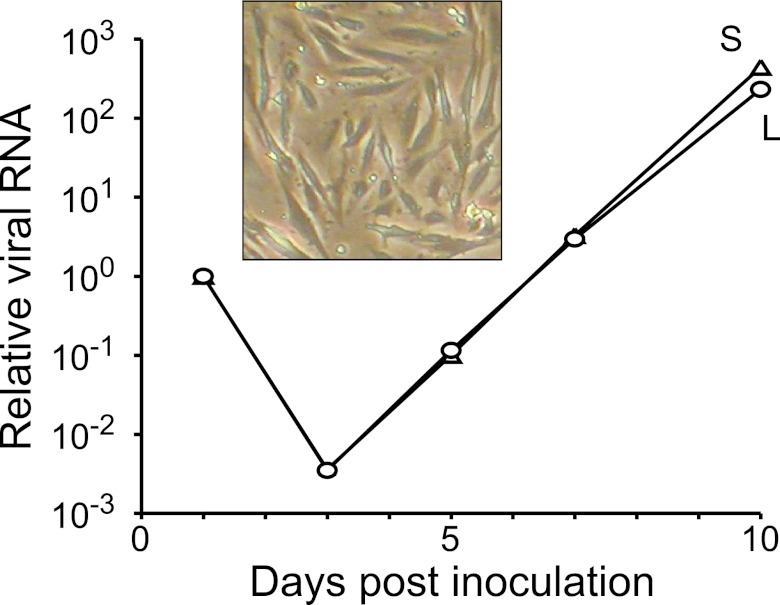
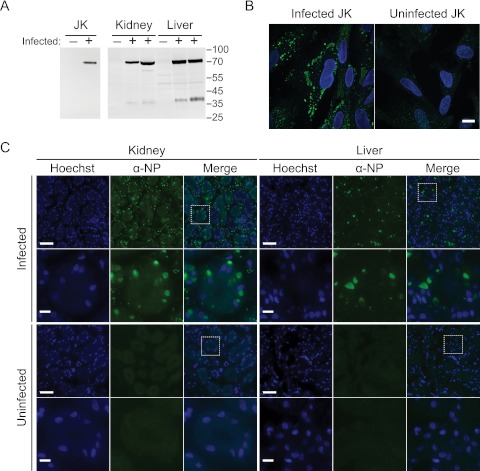
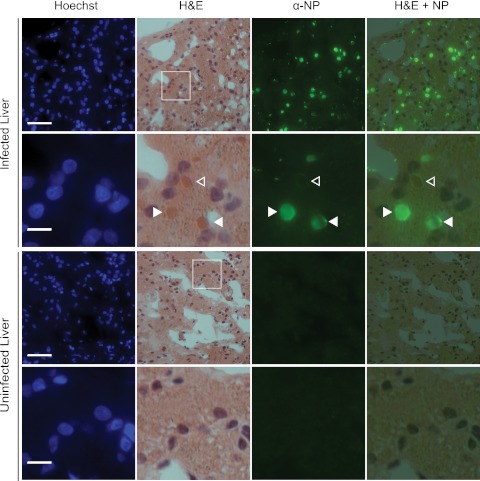
Inclusion body disease (IBD) is an infectious fatal disease of snakes typified by behavioral abnormalities, wasting, and secondary infections. At a histopathological level, the disease is identified by the presence of large eosinophilic cytoplasmic inclusions in multiple tissues. To date, no virus or other pathogen has been definitively characterized or associated with the disease. Using a metagenomic approach to search for candidate etiologic agents in snakes with confirmed IBD, we identified and de novo assembled the complete genomic sequences of two viruses related to arenaviruses, and a third arenavirus-like sequence was discovered by screening an additional set of samples. A continuous boa constrictor cell line was established and used to propagate and isolate one of the viruses in culture. Viral nucleoprotein was localized and concentrated within large cytoplasmic inclusions in infected cells in culture and tissues from diseased snakes. In total, viral RNA was detected in 6/8 confirmed IBD cases and 0/18 controls. These viruses have a typical arenavirus genome organization but are highly divergent, belonging to a lineage separate from that of the Old and New World arenaviruses. Furthermore, these viruses encode envelope glycoproteins that are more similar to those of filoviruses than to those of other arenaviruses. These findings implicate these viruses as candidate etiologic agents of IBD. The presence of arenaviruses outside mammals reveals that these viruses infect an unexpectedly broad range of species and represent a new reservoir of potential human pathogens.
Inclusion body disease (IBD) is a common infectious disease of captive snakes. IBD is fatal and can cause the loss of entire animal collections. The cause of the disease has remained elusive, and no treatment exists. In addition to being important to pet owners, veterinarians, breeders, zoological parks, and aquariums, the study of animal disease is significant since animals are the source of virtually every emerging infectious human disease. We searched for candidate causative agents in snakes diagnosed with IBD and found a group of novel viruses distantly related mainly to arenaviruses but also to filoviruses, both of which can cause fatal hemorrhagic fevers when transmitted from animals to humans. In addition to providing evidence that strongly suggests that these viruses cause snake IBD, this discovery reveals a new and unanticipated domain of virus biology and evolution.
包涵体病(IBD)是一种具有传染性的蛇类致命疾病,其特征为行为异常、消瘦和继发感染。在组织病理学水平上,该疾病通过在多种组织中存在大的嗜酸性细胞质包涵体来识别。迄今为止,尚未明确确定或关联到该疾病的任何病毒或其他病原体。我们使用宏基因组方法在确诊 IBD 的蛇中寻找候选病因,鉴定并从头组装了两种与沙粒病毒相关的病毒的完整基因组序列,通过筛选另一组样本还发现了第三种沙粒病毒样序列。建立了连续的蟒蛇细胞系,并用于在培养物中繁殖和分离其中一种病毒。在培养的感染细胞和患病蛇组织中,病毒核蛋白定位于并集中在大的细胞质包涵体内。总共在 6/8 例确诊的 IBD 病例和 0/18 例对照中检测到病毒 RNA。这些病毒具有典型的沙粒病毒基因组结构,但高度分化,属于与旧世界和新世界沙粒病毒不同的谱系。此外,这些病毒编码的包膜糖蛋白与丝状病毒更相似,而与其他沙粒病毒的糖蛋白相似。这些发现表明这些病毒是 IBD 的候选病因。哺乳动物以外的沙粒病毒的存在表明,这些病毒感染的物种范围出乎意料地广泛,代表了潜在人类病原体的新储库。
包涵体病(IBD)是一种常见的圈养蛇类传染病。IBD 是致命的,可导致整个动物群的损失。该疾病的病因仍未确定,也没有治疗方法。除了对宠物主人、兽医、饲养员、动物园和水族馆很重要外,动物疾病的研究也很重要,因为动物是几乎每一种新发传染病的人类病原体的来源。我们在诊断为 IBD 的蛇中寻找候选病因,并发现了一组新型病毒,这些病毒与沙粒病毒主要是远亲关系,但也与丝状病毒有关,当从动物传播到人时,两者都可能导致致命的出血热。除了提供强烈表明这些病毒引起蛇 IBD 的证据外,这一发现揭示了病毒生物学和进化的一个新的和意外的领域。