Marques Fernanda, Mesquita Sandro D, Sousa João C, Coppola Giovanni, Gao Fuying, Geschwind Daniel H, Columba-Cabezas Sandra, Aloisi Francesca, Degn Matilda, Cerqueira João J, Sousa Nuno, Correia-Neves Margarida, Palha Joana A
School of Health Sciences, Life and Health Sciences Research Institute (ICVS), University of Minho Braga, Portugal.
Front Cell Neurosci. 2012 Aug 9;6:33. doi: 10.3389/fncel.2012.00033. eCollection 2012.
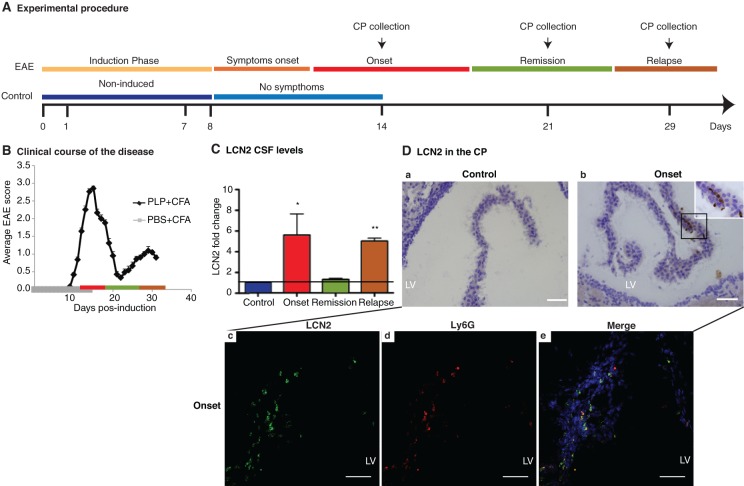
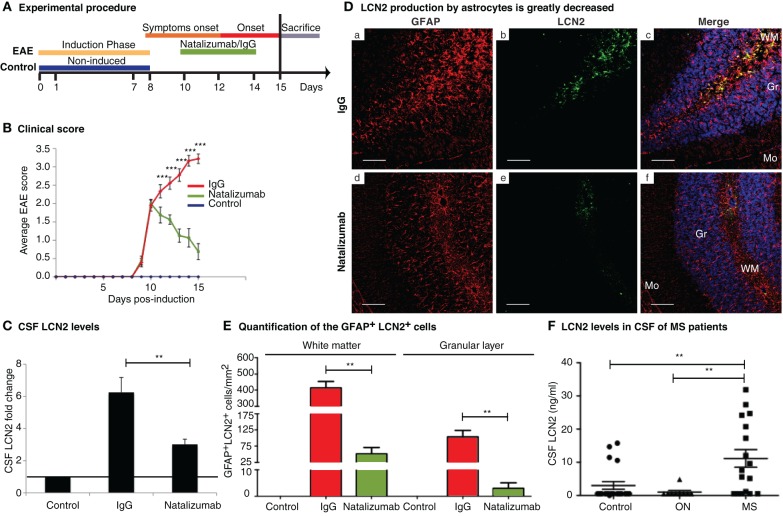
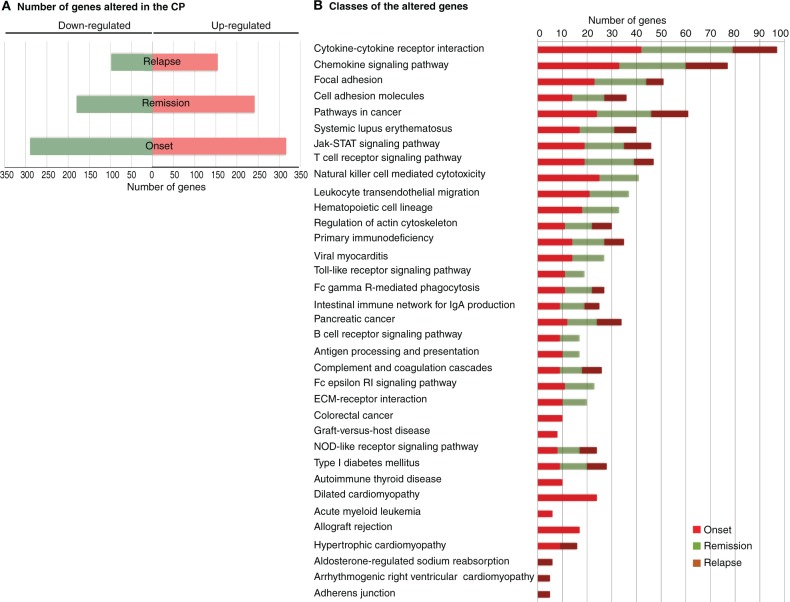
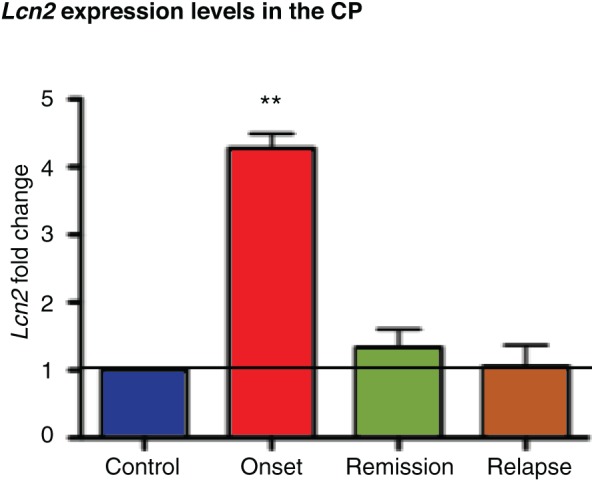
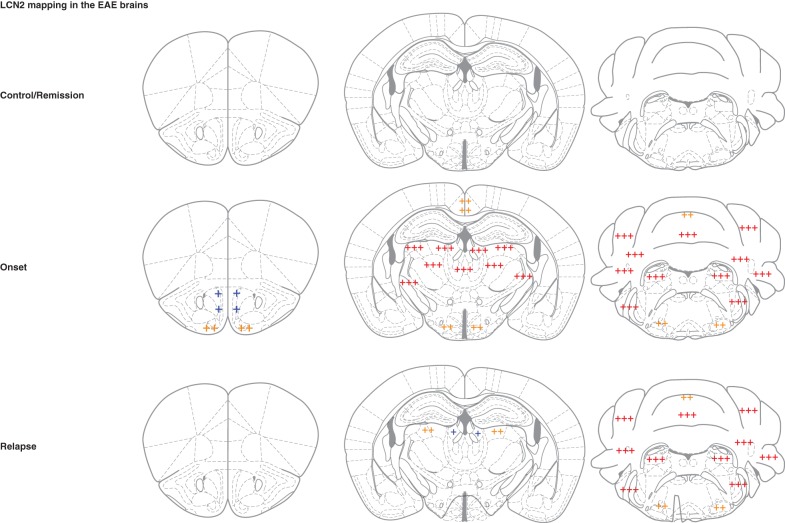
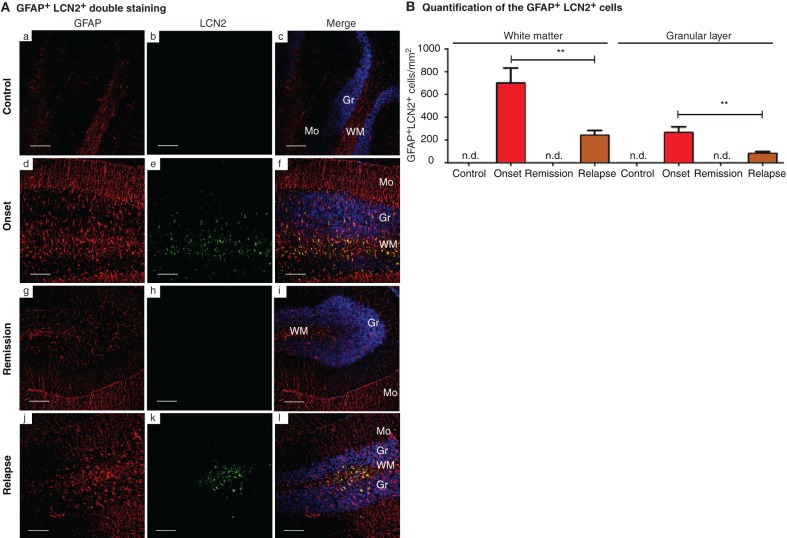
Multiple sclerosis (MS) is a demyelinating disease that causes major neurological disability in young adults. A definitive diagnosis at the time of the first episode is still lacking, but since early treatment leads to better prognosis, the search for early biomarkers is needed. Here we characterized the transcriptome of the choroid plexus (CP), which is part of the blood-brain barriers (BBBs) and the major site of cerebrospinal fluid production, in the experimental autoimmune encephalomyelitis (EAE) mouse model of MS. In addition, cerebrospinal fluid samples from two cohorts of patients with MS and with optic neuritis (ON) were analyzed to confirm the clinical relevance of the findings. Genes encoding for adhesion molecules, chemokines and cytokines displayed the most altered expression, supporting the role of CP as a site of immune-brain interaction in MS. The gene encoding for lipocalin 2 was the most up-regulated; notably, the cerebrospinal fluid lipocalin 2 levels coincided with the active phases of the disease. Immunostaining revealed that neutrophils infiltrating the CP were the source of the increased lipocalin 2 expression in this structure. However, within the brain, lipocalin 2 was also detected in astrocytes, particularly in regions typically affected in patients with MS. The increase of lipocalin 2 in the cerebrospinal fluid and in astrocytes was reverted by natalizumab treatment. Most importantly, the results obtained in the murine model were translatable into humans since patients from two different cohorts presented increased cerebrospinal fluid lipocalin 2 levels. The findings support lipocalin 2 as a valuable molecule for the diagnostic/monitoring panel of MS.
多发性硬化症(MS)是一种脱髓鞘疾病,可导致年轻成年人出现严重的神经功能障碍。目前在首次发作时仍缺乏明确的诊断方法,但由于早期治疗可带来更好的预后,因此需要寻找早期生物标志物。在此,我们对脉络丛(CP)的转录组进行了特征分析,脉络丛是血脑屏障(BBB)的一部分,也是脑脊液产生的主要部位,研究对象为MS的实验性自身免疫性脑脊髓炎(EAE)小鼠模型。此外,还分析了两组MS患者和视神经炎(ON)患者的脑脊液样本,以证实这些发现的临床相关性。编码黏附分子、趋化因子和细胞因子的基因表达变化最为明显,这支持了脉络丛作为MS中免疫-脑相互作用位点的作用。编码脂质运载蛋白2的基因上调最为显著;值得注意的是,脑脊液中脂质运载蛋白2的水平与疾病的活动期一致。免疫染色显示,浸润脉络丛的中性粒细胞是该结构中脂质运载蛋白2表达增加的来源。然而,在脑内,脂质运载蛋白2也在星形胶质细胞中被检测到,尤其是在MS患者通常受影响的区域。那他珠单抗治疗可使脑脊液和星形胶质细胞中脂质运载蛋白2的增加得到逆转。最重要的是,在小鼠模型中获得的结果可转化至人类,因为来自两个不同队列的患者脑脊液中脂质运载蛋白2水平均升高。这些发现支持脂质运载蛋白2作为MS诊断/监测指标中的一个有价值的分子。