Department of Neurology, Dartmouth Hitchcock Medical Center and Geisel School of Medicine, One Medical Center Drive, Lebanon, NH, 03756, USA.
Program in Experimental and Molecular Medicine, Dartmouth College, Hanover, NH, USA.
J Neuroinflammation. 2019 May 22;16(1):109. doi: 10.1186/s12974-019-1501-9.
The mechanisms driving multiple sclerosis (MS), the most common cause of non-traumatic disability in young adults, remain unknown despite extensive research. Especially puzzling are the underlying molecular processes behind the two major disease patterns of MS: relapsing-remitting and progressive. The relapsing-remitting course is exemplified by acute inflammatory attacks, whereas progressive MS is characterized by neurodegeneration on a background of mild-moderate inflammation. The molecular and cellular features differentiating the two patterns are still unclear, and the role of inflammation during progressive disease is a subject of active debate.
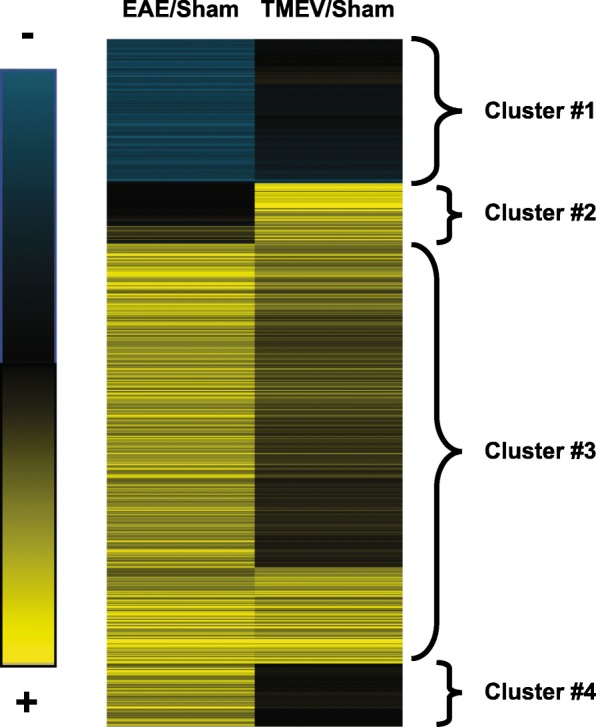
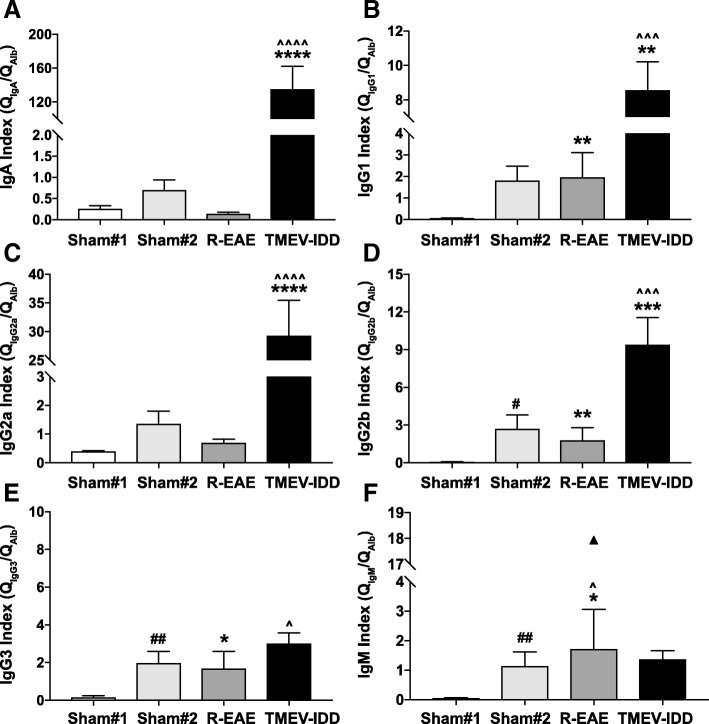
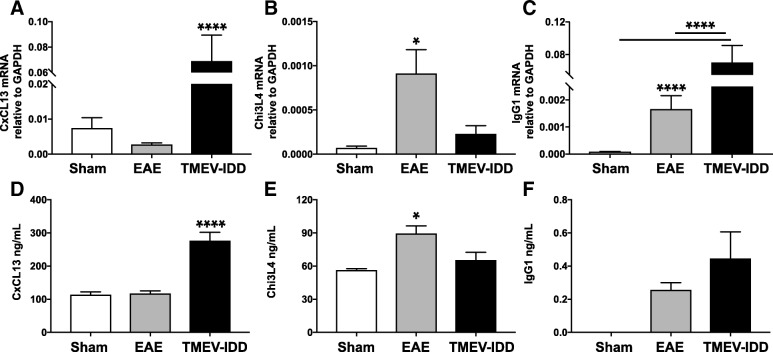
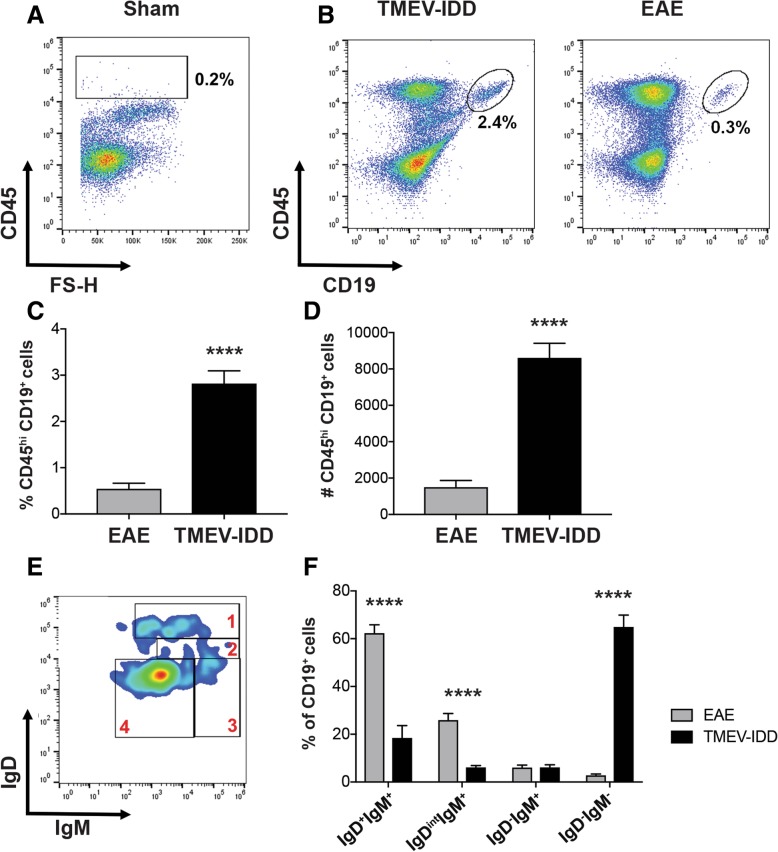
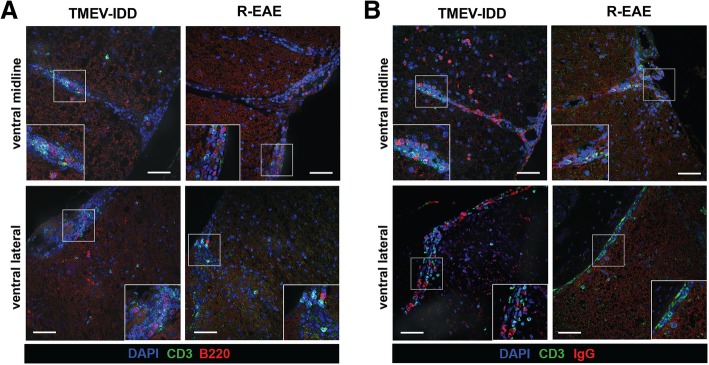
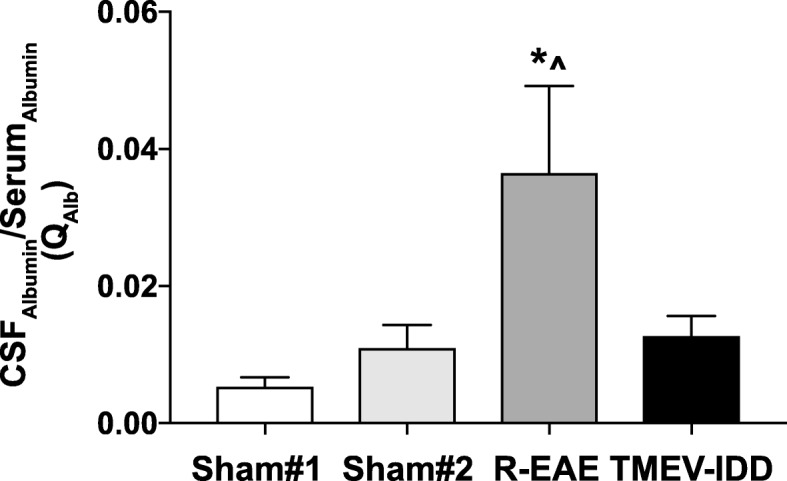
We performed a comprehensive analysis of the intrathecal inflammation in two clinically distinct mouse models of MS: the PLP-induced relapsing experimental autoimmune encephalomyelitis (R-EAE) and the chronic progressive, Theiler's murine encephalomyelitis virus-induced demyelinating disease (TMEV-IDD). Microarray technology was first used to examine global gene expression changes in the spinal cord. Inflammation in the spinal cord was further assessed by immunohistochemical image analysis and flow cytometry. Levels of serum and cerebrospinal fluid (CSF) immunoglobulin (Ig) isotypes and chemokines were quantitated using Luminex Multiplex technology, whereas a capture ELISA was used to measure serum and CSF albumin levels. Finally, an intrathecal Ig synthesis index was established with the ratio of CSF and serum test results corrected as a ratio of their albumin concentrations.
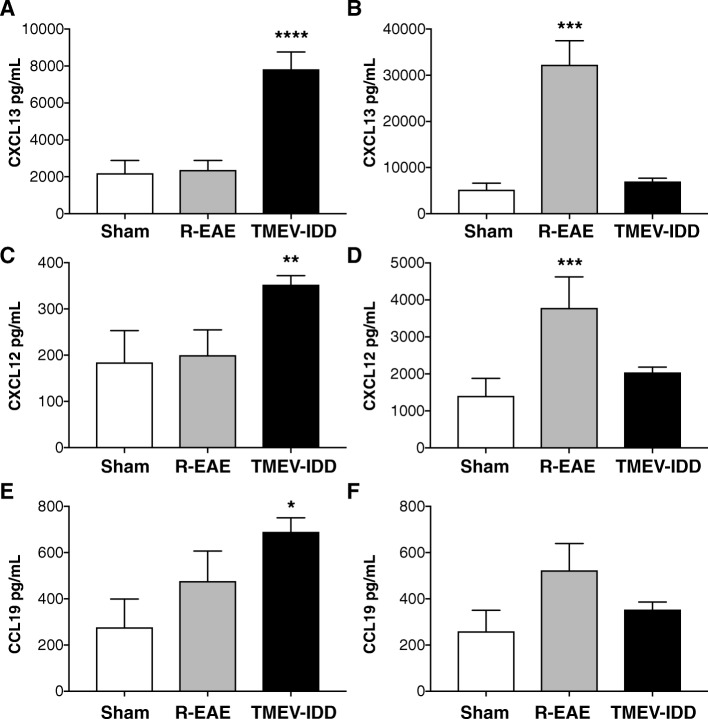
Microarray analysis identified an enrichment of B cell- and Ig-related genes upregulated in TMEV-IDD mice. We also demonstrated an increased level of intrathecal Ig synthesis as well as a marked infiltration of late differentiated B cells, including antibody secreting cells (ASC), in the spinal cord of TMEV-IDD, but not R-EAE mice. An intact blood-brain barrier in TMEV-IDD mice along with higher CSF levels of CXCL13, CXCL12, and CCL19 provides evidence for an intrathecal synthesis of chemokines mediating B cell localization to the central nervous system (CNS).
Overall, these findings, showing increased concentrations of intrathecally produced Igs, substantial infiltration of ASC, and the presence of B cell supporting chemokines in the CNS of TMEV-IDD mice, but not R-EAE mice, suggest a potentially important role for Igs and ASC in the chronic progressive phase of demyelinating diseases.
多发性硬化症(MS)是导致年轻人非创伤性残疾的最常见原因,尽管进行了广泛的研究,但仍不清楚其发病机制。特别令人困惑的是 MS 的两种主要疾病模式背后的潜在分子过程:复发缓解型和进行性。复发缓解型疾病以急性炎症发作为例,而进行性 MS 则以轻度中度炎症背景下的神经退行性变为特征。区分这两种模式的分子和细胞特征尚不清楚,炎症在进行性疾病中的作用是一个活跃的争论话题。
我们对两种临床上不同的 MS 小鼠模型(PLP 诱导的复发型实验性自身免疫性脑脊髓炎(R-EAE)和慢性进行性,Theiler 鼠脑脊髓炎病毒诱导的脱髓鞘疾病(TMEV-IDD))的鞘内炎症进行了全面分析。首先使用微阵列技术检查脊髓中的全局基因表达变化。通过免疫组织化学图像分析和流式细胞术进一步评估脊髓炎症。使用 Luminex 多重技术定量测定血清和脑脊液(CSF)免疫球蛋白(Ig)同种型和趋化因子的水平,而捕获 ELISA 用于测量血清和 CSF 白蛋白水平。最后,通过将 CSF 和血清测试结果的比值校正为其白蛋白浓度的比值,建立鞘内 Ig 合成指数。
微阵列分析鉴定出 TMEV-IDD 小鼠中上调的 B 细胞和 Ig 相关基因的富集。我们还证明了 TMEV-IDD 而不是 R-EAE 小鼠脊髓中鞘内 Ig 合成水平升高以及晚期分化 B 细胞(包括抗体分泌细胞(ASC))的明显浸润。TMEV-IDD 小鼠完整的血脑屏障以及更高的 CSF 中 CXCL13、CXCL12 和 CCL19 的水平提供了证据,证明趋化因子在中枢神经系统(CNS)中介导 B 细胞定位的鞘内合成。
总的来说,这些发现表明 TMEV-IDD 小鼠的鞘内产生的 Ig 浓度增加,ASC 大量浸润,以及 CNS 中存在支持 B 细胞的趋化因子,但 R-EAE 小鼠没有,这表明 Ig 和 ASC 在脱髓鞘疾病的慢性进行性阶段可能具有重要作用。